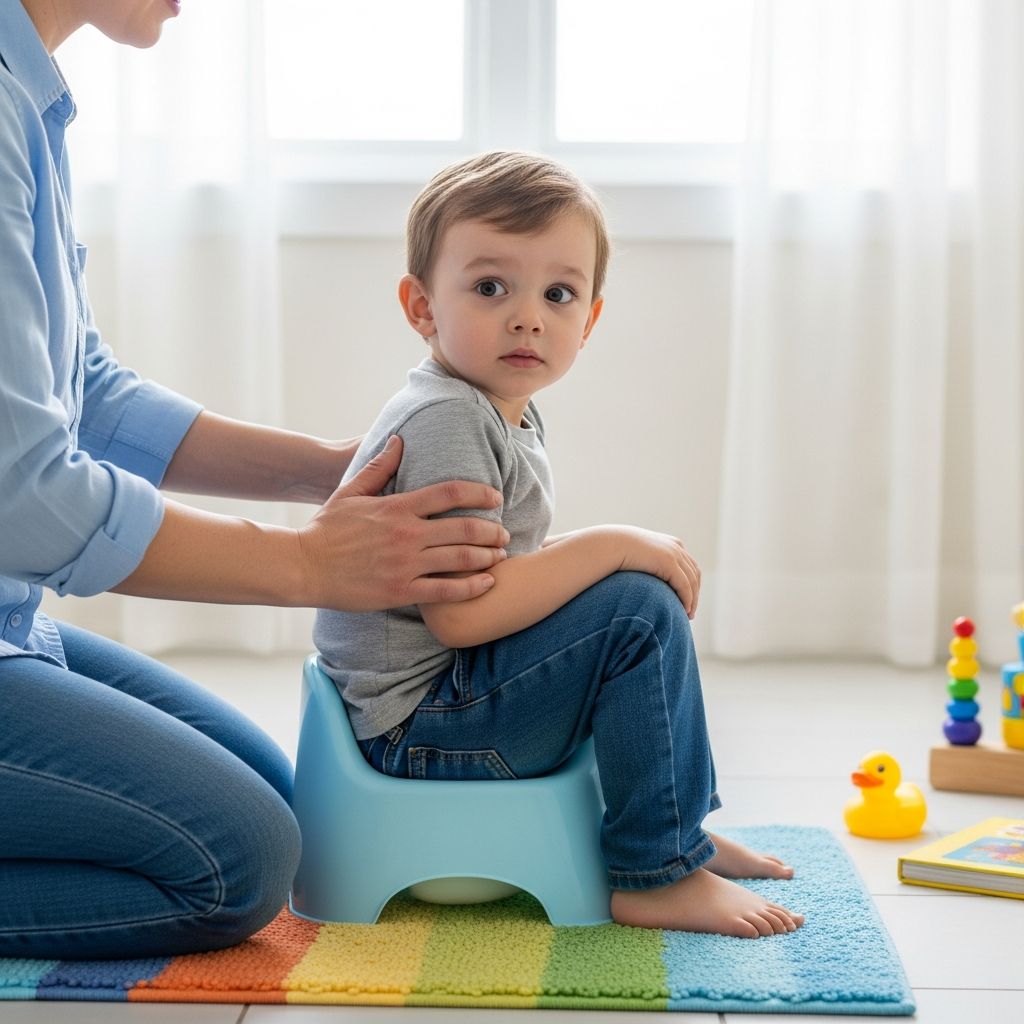
Parenting involves nurturing a child’s growth in every domain, yet emotional development demands a delicate balance. While caregivers instinctively want to shield offspring from distress, certain feelings are essential for building resilience and independence. Forcing solutions to these emotions hinders a child’s ability to self-regulate, a skill linked to better mental health outcomes later in life. Research shows emotionally supportive parenting—validating feelings without resolving them—helps curb escalating behavioral issues, particularly in challenging environments.
Why Kids Need to Face Emotions Alone
Children’s emotional experiences serve as training grounds for adulthood. When parents intervene excessively, they deprive kids of opportunities to practice self-soothing and problem-solving. Studies indicate that supportive responses, like empathy and modeling calm, prevent aggression from worsening over time, unlike dismissive or over-controlling approaches. This fosters secure attachments and enhanced self-efficacy, reducing psychological symptoms in adolescents.
In disadvantaged settings, where external stressors abound, such parenting flattens negative trajectories without erasing hardships. It equips children to concentrate, form relationships, and avoid risks like anxiety or delinquency. High-quality emotional support proves especially protective across socioeconomic levels, boosting emotional regulation through positive interactions.
Key Emotions Beyond Parental Control
Not all upsets warrant a parental patch. Identifying these allows caregivers to step back strategically. Below, we outline critical emotions children must process independently, with evidence-based guidance on supportive involvement.
1. Everyday Disappointments and Frustrations
Denied toys, lost games, or minor rejections sting but teach adaptability. Overriding these robs kids of grit. Instead, acknowledge: “I see you’re upset about not winning.” This validation aids regulation without fixes.
- Age-specific tips: Toddlers benefit from naming emotions (“You’re mad!”); school-age kids from brainstorming options.
- Long-term gain: Builds tolerance, per resilience studies.
2. Friendship Conflicts and Social Setbacks
Peer disputes are rites of passage. Parents can’t dictate friendships, but they can coach navigation. Research emphasizes open dialogue to validate feelings, promoting secure bonds.
| Scenario | Parental Do | Parental Don’t |
|---|---|---|
| Excluded from play | Listen empathetically | Contact other parents |
| Argument with friend | Help reframe perspectives | Dictate apologies |
| Betrayal by peer | Model forgiveness discussions | Badmouth the friend |
Such conflicts hone empathy and negotiation, vital for future relationships.
3. Academic Struggles and Failure
Low grades or project flops crush spirits temporarily but instill perseverance. Parental hovering creates dependency; supportive parenting encourages self-reflection.
- Validate effort: “You worked hard; what can we learn?”
- Avoid rescue: No last-minute fixes or blame-shifting.
- Outcome: Enhanced self-efficacy, linked to fewer mental health issues.
4. Sibling Rivalries and Jealousy
Competition for attention is normal. Mediating every spat prevents natural resolution skills. Model fair play and encourage direct communication.
Evidence from family dynamics shows respecting privacy and holding meetings strengthens bonds without favoritism.
5. Performance Anxiety in Sports or Hobbies
Pre-game jitters or stage fright build courage. Pushing through independently develops confidence. Parents model calm: “It’s okay to feel nervous; breathe and focus.”
6. Romantic Heartbreaks for Tweens and Teens
First crushes and breakups are profound. Teens need space to mourn, not parental matchmaking. Empathetic listening buffers symptoms effectively.
Practical Strategies for Supportive Parenting
Transition from fixer to facilitator with these proven methods, drawn from child development research.
Open Lines of Communication
Daily check-ins normalize sharing. Use stories to broach tough topics patiently. Create safety: No judgment, just presence.
Modeling Healthy Emotional Habits
Kids mirror parents. Demonstrate gratitude, constructive conflict resolution, and self-care. Acknowledge your stress: “I’m worried, but here’s my plan.” This teaches management.
Fostering Family Connections
One-on-one dates and meetings build security. Respect growing privacy to instill trust.
Building Self-Efficacy Tools
Teach labeling emotions, deep breathing, and step-by-step calming. Programs like Triple P enhance these via sensitivity training, yielding behavioral improvements even in high-risk families.
Challenges for Parents in Tough Circumstances
Material hardships affect 35% of families, amplifying parental stress and emotional distress. Caregivers of special needs kids face isolation too. Yet, Surgeon General advisories stress prioritizing mental well-being through boundaries and support networks.
Even amid rent woes or unsafe neighborhoods, brief empathy pauses yield outsized benefits. Training programs prove accessible and effective.
Long-Term Benefits of Stepping Back
Children mastering these emotions show better focus, peer relations, and lower risks for depression or aggression. Adolescents with strong parental support exhibit superior regulation, irrespective of SES, though effects amplify in lower brackets.
Adults from such upbringings thrive at work and home, embodying resilience.
Frequently Asked Questions
What if my child seems overwhelmed by these emotions?
Monitor for persistent issues like ongoing aggression or withdrawal. Offer validation first; seek professional help if needed. Supportive parenting often suffices to stabilize.
Does this apply to all ages?
Yes, adapted: Infants need co-regulation; teens more independence. Core principle: Guide, don’t resolve.
How do I avoid feeling guilty for not fixing everything?
Reframe your role as builder of strength. Model self-compassion; join parent groups for solidarity.
Can training programs really help stressed parents?
Absolutely. Interventions targeting emotion coaching improve outcomes in disadvantaged or troubled families.
What’s the SES impact on these strategies?
Parental support buffers psychological symptoms universally, with self-efficacy mediating gains across levels.
References
- Emotionally supportive parenting helps disadvantaged children — Child and Family Blog. 2023. https://childandfamilyblog.com/supportive-parenting-disadvantaged-children/
- Parental emotional support, self-efficacy, and mental health — National Institutes of Health (PMC). 2024-10-15. https://pmc.ncbi.nlm.nih.gov/articles/PMC11513346/
- 10 Ways Parents Can Support Emotional Health at Home — LVDS. 2024. https://lvds.com/10-ways-parents-can-support-emotional-health-at-home/
- How to help your child build emotional resilience — Loma Linda University Health News. 2023-05-10. https://news.llu.edu/health-wellness/how-help-your-child-build-emotional-resilience
- Five years of parent voices show how difficult it is for families — Rapid Survey Project. 2024. https://rapidsurveyproject.com/article/five-years-of-parent-voices-show-how-difficult-it-is-for-families-with-young-children-to-meet-basic-needs-and-how-this-is-associated-with-emotional-distress-in-parents-and-children/
- Emotional and Mental Well-Being for Parents of Children With Rare — TGEN. 2023. https://www.tgen.org/patients/center-for-rare-childhood-disorders/stories/emotional-and-mental-well-being-for-parents-of-children-with-rare-and-undiagnosed-conditions/
- Parental Mental Health & Well-Being — U.S. Department of Health and Human Services. 2023-09-20. https://www.hhs.gov/surgeongeneral/reports-and-publications/parents/index.html