What to Expect: The Four-Year-Old Developmental Journey
Four-year-olds represent a fascinating stage of childhood where independence flourishes, imagination runs wild, and physical abilities expand dramatically. During this year, children transition from toddlers into more capable, curious, and complex individuals. Understanding the typical developmental patterns at this age helps parents recognize progress, identify areas where support may be needed, and create environments that nurture healthy growth across all domains of development.
Development at four years old occurs across multiple interconnected areas. These include physical growth and motor skills, language and communication abilities, cognitive and learning capacities, social and emotional development, and sensory processing. Each area develops on its own timeline, and individual variations are completely normal. The milestones described here represent general patterns observed in most children, not rigid requirements that all children must meet on identical schedules.
Physical Growth and Body Development
By age four, children have typically reached a significant size milestone. Most four-year-olds weigh approximately 40 pounds and stand around 40 inches tall. This represents substantial growth from their birth measurements, as children at this age have roughly doubled their birth length. The rate of weight gain at four years old slows compared to earlier years, with typical gains of about one-third to one-half pound per month.
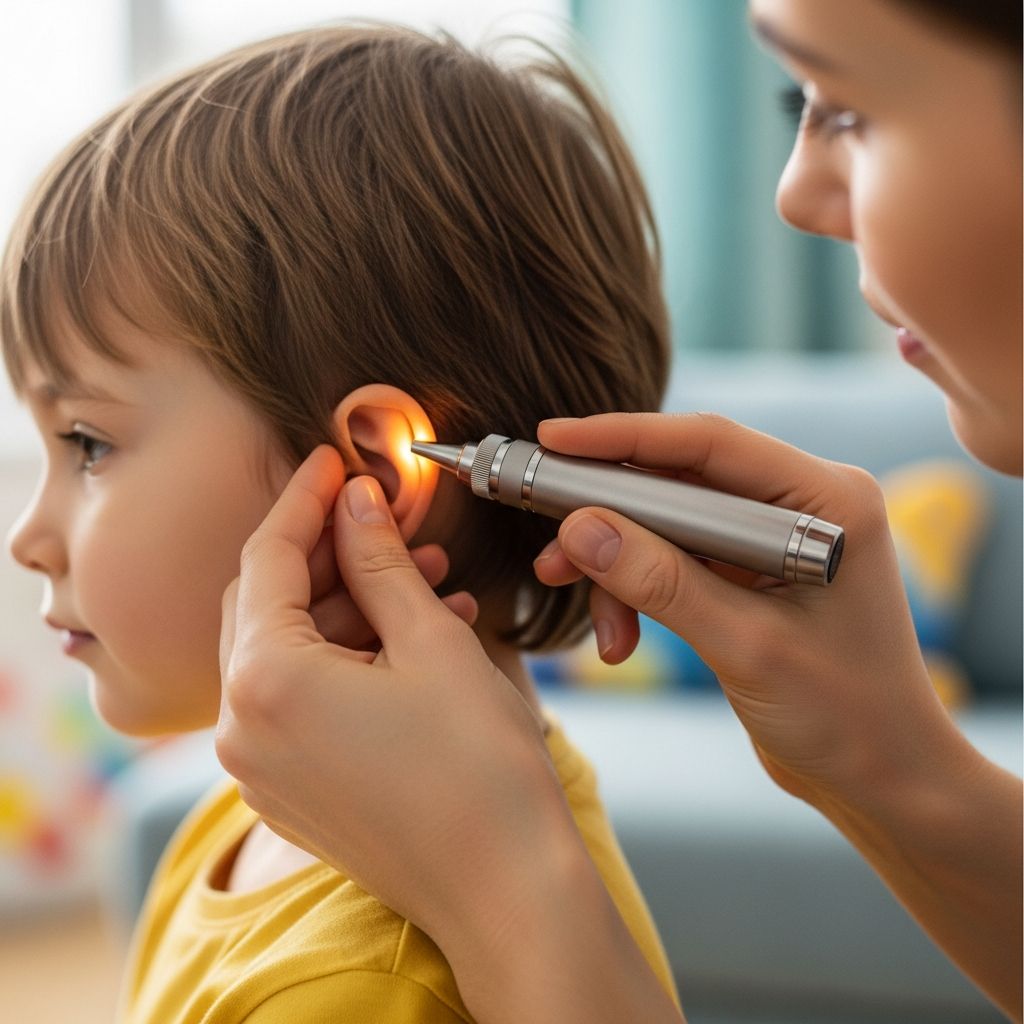
Vision development is largely complete by this age, with most four-year-olds achieving 20/20 vision. This clear vision enables them to engage in activities requiring fine visual detail, such as drawing, reading simple books, and detailed play with small objects. Sleep patterns also stabilize, with most four-year-olds requiring 11 to 13 hours of sleep at night, typically without daytime naps. Establishing consistent sleep routines supports healthy physical development and emotional regulation.
Physical growth continues steadily but at a more gradual pace than in earlier years. Variations in height and weight among four-year-olds are considerable and remain within normal ranges. Factors including genetics, nutrition, activity level, and overall health influence individual growth patterns. Parents concerned about growth patterns should consult with their pediatrician, who can plot measurements on standardized growth charts and assess whether development is proceeding typically.
Motor Skills and Physical Capabilities
Four-year-olds demonstrate substantially improved coordination and balance compared to younger children. Many can hop on one foot without losing balance, showing enhanced proprioception and core strength. They typically catch a large bounced ball most of the time and throw a ball overhand with increasing coordination and accuracy. These advancing gross motor skills reflect maturation of the nervous system and increased muscle control.
Fine motor development becomes increasingly visible at this age. Four-year-olds can cut out pictures using scissors with supervision and manipulate objects with greater precision. Many can fasten large buttons and pull up zippers that are already started. These skills emerge through practice and play, gradually building the hand strength and coordination necessary for academic tasks like writing and drawing.
Self-care abilities expand significantly. Most four-year-olds can dress and undress themselves with minimal assistance, use utensils competently, and serve themselves food or pour water with adult supervision. These emerging independence skills reflect both physical capability and growing confidence. Walking up and down stairs while using one foot per step represents another achievement in coordinated movement.
Movement Activities to Support Development
Physical activity remains essential at this age. Providing regular opportunities for running, jumping, climbing, and dancing supports motor skill development and overall health. Simple games like catch, dancing to music, and obstacle courses provide engaging ways to practice coordinated movement. Organized activities such as preschool gymnastics or soccer introduce children to structured physical play and teach basic game concepts.
Language and Communication Expansion
Language development accelerates noticeably during the fourth year. Most four-year-olds have expressive vocabularies exceeding 1,000 words and can combine four to five words into coherent sentences. They typically use the past tense correctly and understand basic grammatical structures, correctly using pronouns like “he” and “she”. This expanding language ability enables more complex communication and richer social interactions.
Comprehension outpaces expression, meaning children understand more than they can say. Four-year-olds grasp positional words like “in,” “on,” and “under” and can follow multi-step directions. They answer simple “what for” questions, demonstrating growing understanding of object functions and purposes. The ability to talk about experiences from their day signals emerging narrative skills and memory development.
Vocabulary development continues through exposure to language in conversation, stories, and songs. Four-year-olds learn new words rapidly and enjoy singing simple songs and reciting nursery rhymes. They may use words they don’t fully understand and may occasionally use inappropriate language if they’ve heard it repeated. This represents normal language exploration rather than intentional misbehavior; gentle correction and modeling appropriate language typically address this naturally.
Supporting Language Development
Interactive conversation provides the richest environment for language growth. Asking children about their experiences, playing word games, reading books together, and responding enthusiastically to their communication all strengthen language skills. Limiting screen time to two hours daily of quality programming leaves more time for interactive language-building activities. Exposure to diverse vocabulary through varied topics and environments continues enriching linguistic development.
Cognitive Development and Learning Capacity
Four-year-olds demonstrate emerging logical thinking alongside magical thinking. They typically can count to four and understand what “two” means. Many can name one or more colors correctly and recognize some basic shapes. Beginning number and color recognition develops through play, counting games, and pointing out colors and shapes in daily life.
Cognitive abilities at this age blend concrete, observable thinking with imaginative processing. Children begin understanding basic time concepts like “yesterday” and “tomorrow,” though their grasp of time remains imperfect. They can differentiate between objects based on properties like size and weight and understand simple cause-and-effect relationships. However, magical thinking persists; many four-year-olds believe their thoughts can make things happen.
Memory development enables children to recall parts of stories and sequences of events. They enjoy dramatic retelling and making up stories, demonstrating creativity and developing narrative understanding. Turn-taking in conversations becomes more consistent, and they can listen attentively to stories and discussions, showing sustained attention for increasing periods.
Cognitive Stimulation Activities
Learning through play remains the optimal approach at this age. Sorting games, simple puzzles, counting activities, and pretend play all support cognitive development. Reading diverse books exposes children to new concepts and vocabulary while building literacy foundations. Visiting varied environments such as parks, libraries, museums, and local attractions provides concrete learning experiences and stimulates curiosity about the world.
Social and Emotional Development
Four-year-olds navigate a complex social world with expanding awareness of others’ feelings and perspectives. Most demonstrate empathy by comforting others who are hurt or sad, such as hugging a crying friend. They show increased desire to follow rules and please authority figures, though their understanding of right and wrong remains developing. They begin changing their behavior based on context, acting differently in places like a library versus a playground, indicating growing awareness of social expectations.
Independence becomes increasingly important. Four-year-olds typically try to do things by themselves and express preferences strongly. This emerging autonomy sometimes manifests as stubbornness or refusal to cooperate, particularly during transitions or when tired. Mood swings are common, and children this age may shift quickly from cooperative to aggressive during emotional outbursts. These emotional fluctuations reflect developing emotional regulation skills and should be addressed calmly and consistently.
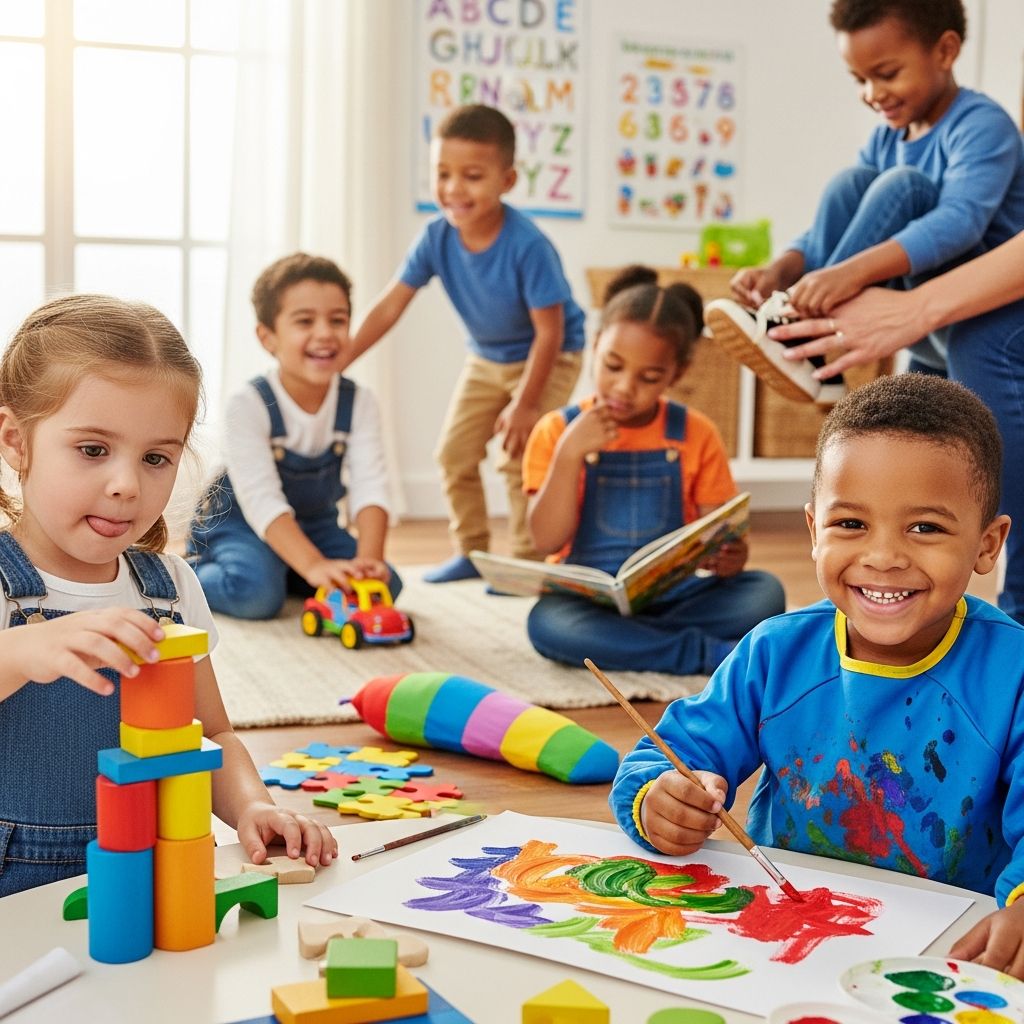
Imaginative play flourishes at this age. Children commonly have imaginary playmates and pretend to be someone else during play, such as a teacher, superhero, or animal. This imaginative capacity supports emotional processing, allows children to explore different perspectives, and provides outlets for practicing social scenarios. Most four-year-olds still cannot reliably distinguish fantasy from reality, though they’re increasingly able to do so.
Emotional Development Characteristics
Four-year-olds may display a range of emotions and behaviors reflecting their developmental stage:
- Independence-seeking while still needing parental support and reassurance
- Willingness to engage in group play with other children, though play often remains parallel or loosely cooperative
- Occasional aggression toward siblings or peers during conflicts, requiring guidance toward problem-solving
- Numerous fears related to separation, animals, or the dark, which typically resolve with reassurance
- Desire to help and be perceived as competent, with genuine enthusiasm for contributing to household tasks
- Awareness of family relationships and eagerness to share family information with others
Social Interaction and Peer Relationships
Four-year-olds increasingly seek peer interaction and ask to play with other children if none are around. They show developing ability to engage in group play, though dynamics often remain somewhat egocentric. They demonstrate emerging understanding that others have different perspectives and desires, though full perspective-taking emerges gradually. Sharing remains challenging, as many four-year-olds are still quite possessive of toys and belongings.
Cooperative play with structure and guidance develops during this year. Four-year-olds benefit from playing with other children in supervised settings where adults can model problem-solving and positive interaction. They typically enjoy imaginative group play, following simple game rules, and participating in activities with peers. Conflict resolution remains an area requiring adult guidance and modeling.
Friendships at this age are often based on proximity and shared activity rather than emotional connection. A child may call another child their “best friend” after a single positive interaction. These fluid friendships are developmentally normal and gradually become more stable as children enter school settings.
Self-Care and Daily Living Skills
By age four, most children manage basic self-care with decreasing supervision. Most usually care for their own toilet needs with reminders, though occasional accidents remain normal. Brushing teeth, washing hands, and bathing proceed with adult oversight and assistance with difficult areas. Dressing abilities advance, with most children able to put on clothes and manage buttons and zippers on medium-sized fasteners without help.
Eating skills mature considerably. Four-year-olds typically use forks and spoons competently, serve themselves food with adult supervision, and pour water from pitchers or containers without major spills. Teaching and practicing these skills through daily routines builds both capability and confidence.
Independence in activities like visiting a neighbor or playing in a nearby yard may emerge in some four-year-olds, though constant supervision remains necessary. Children this age still need significant oversight and cannot reliably make safe decisions independently. Gradually expanding autonomy within safe, supervised contexts supports healthy independence development.
Supporting Healthy Development: Practical Strategies
Parents and caregivers play crucial roles in facilitating development across all domains. Several evidence-based approaches support optimal development at this stage.
Physical Activity Support
Regular physical activity promotes motor skill development, cardiovascular health, and emotional regulation. Providing space for running, climbing, and active play at home and in outdoor settings supports gross motor development. Demonstrating activities like throwing, kicking, hopping, and catching shows children how to perform these movements. Participating in activities together makes physical play more enjoyable and models active living.
Language and Literacy Engagement
Reading together daily remains one of the most valuable activities for supporting language development. Asking children questions about stories, discussing pictures, and encouraging them to predict what happens next build comprehension and critical thinking. Singing songs, playing rhyming games, and talking about daily experiences all enrich language development.
Creative Play Encouragement
Providing materials for creative expression—such as art supplies, building blocks, and dramatic play items—supports cognitive and emotional development. Allowing children to direct imaginative play without excessive adult direction respects their creativity and problem-solving abilities. Engaging in pretend play alongside children enriches the experience and models how to develop and sustain imaginative scenarios.
Social Opportunities
Arranging regular interaction with other children in playgroups, preschool, or community programs provides essential peer socialization. Coaching children through social challenges and modeling kind interactions helps them develop friendship and cooperation skills. Praising sharing, helping, and kind behavior reinforces prosocial development.
Consistent Structure and Guidance
Establishing consistent routines, clear expectations, and calm consequences supports emotional development and behavior management. Using positive reinforcement for desired behaviors, teaching problem-solving skills, and modeling emotional regulation help children develop healthy coping strategies.
Media and Screen Time Management
Limiting screen time to two hours daily of quality programming preserves time for more interactive, developmentally beneficial activities. Choosing educational content and watching together allows for discussion and learning enhancement. Avoiding screens before bedtime supports healthy sleep development.
Understanding Individual Differences and Variations
While developmental milestones provide general guidelines, significant individual variation is completely normal. Children develop on their own timelines, influenced by genetics, temperament, environmental experiences, and opportunities for practice. A child who speaks fewer words than peers but understands language well and communicates effectively through gesture and play may be developing typically. Similarly, a child who advances quickly in motor skills but shows more reserved social interaction represents normal variation.
Providing enriched environments, opportunities for practice, and responsive caregiving support each child in reaching their potential. Excessive comparison with other children creates unnecessary anxiety for parents. Instead, tracking whether a child is making progress in their own development provides meaningful information about their trajectory.
When to Seek Professional Consultation
While variation is normal, some patterns warrant professional evaluation. Consulting with a pediatrician is advisable if a four-year-old demonstrates persistent difficulty in communication, such as using mostly single words or unintelligible speech; significant motor delays, such as inability to run, jump, or climb stairs; extreme difficulty managing emotions or frequent aggressive outbursts; very limited interest in peer interaction or inability to engage in pretend play; consistent avoidance of physical activity or sensory sensitivities that interfere with daily functioning; or developmental regression, where previously acquired skills are lost.
Early identification of developmental concerns enables early intervention, which can significantly support children’s trajectories. Pediatricians can assess development, refer to specialists if needed, and provide reassurance when development follows atypical but healthy patterns.
Preparing for the Transition to Kindergarten
Four-year-olds are typically beginning the transition toward kindergarten, whether entering formal preschool or preparing for eventual school entry. Supporting this transition involves building independence, fostering social skills, and developing pre-academic foundations like letter and number recognition. Reading books about starting school, practicing separation in low-stakes situations, and maintaining calm, positive attitudes about school entry all ease this important transition.
Frequently Asked Questions
Is it normal for a four-year-old to still have accidents at night?
Yes, nighttime bedwetting is normal at age four. Nighttime dryness develops gradually and can continue well into early elementary school in many children. Limiting fluids before bed and using waterproof mattress covers supports this normal developmental process without pressure or shame.
My four-year-old uses inappropriate language. Should I be concerned?
Using words they’ve heard, including inappropriate ones, is typical language exploration at this age. Calmly explaining that certain words aren’t used in your family and redirecting to alternative words is most effective. Overreacting often makes such words more interesting to children.
How much screen time is appropriate for a four-year-old?
Limiting screen time to two hours daily of quality, educational programming is recommended. This preserves time for more interactive, developmentally beneficial activities like play, reading, and outdoor exploration.
My four-year-old still has an imaginary friend. Is this a problem?
Imaginary playmates are completely normal and common at this age. They support cognitive development, emotional processing, and creative thinking. This behavior typically resolves naturally as children engage more with real peers.
When should I be concerned about my child’s speech development?
Consult a professional if your four-year-old uses mostly single words, speech is largely unintelligible to strangers, or they show little interest in communicating. Most children benefit from speech evaluation when speech doesn’t follow expected patterns, allowing early intervention if needed.
References
- Developmental Milestones Record – 4 Years — MedlinePlus. Updated 2024. https://medlineplus.gov/ency/article/002015.htm
- Milestones by 4 Years | Learn the Signs. Act Early — Centers for Disease Control and Prevention. Updated 2024. https://www.cdc.gov/act-early/milestones/4-years.html
- Developmental Milestones: 4 to 5 Year Olds — HealthyChildren.org (American Academy of Pediatrics). Updated 2024. https://www.healthychildren.org/English/ages-stages/preschool/Pages/Developmental-Milestones-4-to-5-Year-Olds.aspx
- Developmental Milestones: 4 to 5 Year Olds (Preschool) — CHOC Children’s Health. Updated 2024. https://choc.org/ages-stages/4-to-5-years/
- Milestones by Year — Illinois Cares for Kids. Updated 2024. https://www.illinoiscaresforkids.org/preschool-en/child-development/milestones-by-year