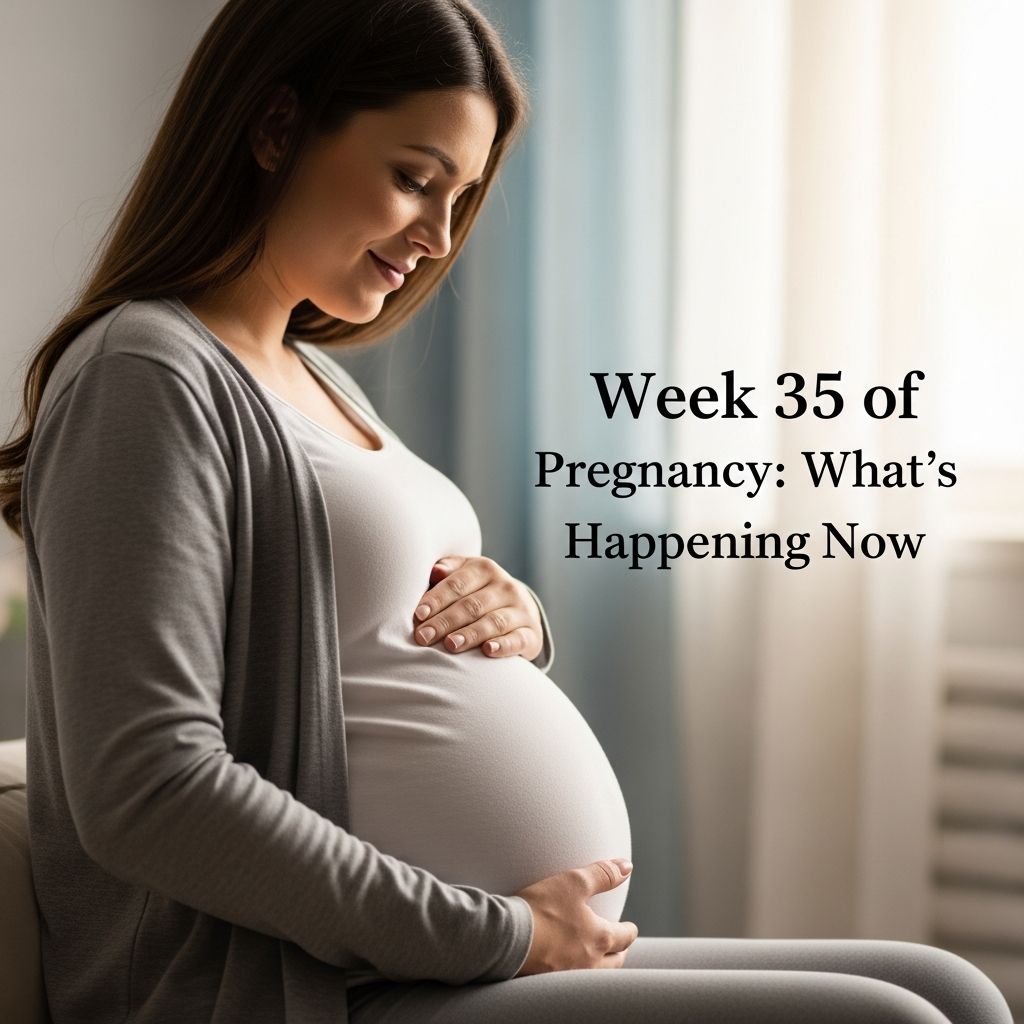
Your pregnancy has reached a thrilling milestone at **38 weeks**, marking the transition into full-term status. Your baby is gaining the final layers of fat, perfecting reflexes, and often descending into the pelvis in preparation for birth. Meanwhile, your body ramps up changes signaling imminent labor. This guide covers fetal development, physical sensations, when to seek medical advice, and steps to ready yourself for delivery.
Fetal Milestones: Gaining Strength for the Outside World
By week 38, your baby measures approximately 49.8 cm (about 19.6 inches) from head to heel, comparable to a large leek or rhubarb stalk in length, and weighs around 3.1 kg (6.8 pounds), though sizes vary. Growth slows as the focus shifts to maturation. Subcutaneous fat thickens, smoothing the skin and aiding temperature regulation post-birth. Lanugo, the fine hair covering much of the body earlier, has mostly shed, revealing softer skin underneath.
The central nervous system matures rapidly, with well-developed sucking and swallowing reflexes essential for breastfeeding. Lungs produce sufficient surfactant to prevent collapse during breathing, and the digestive system readies for milk intake. Most babies (over 95%) position head-down (cephalic presentation), optimal for vaginal delivery. If breech or transverse, your provider may recommend monitoring or external cephalic version (ECV), a manual technique to turn the baby.
- Key developments: Fully formed organs, strong grasp reflex, alert wake cycles.
- Movements: Less space means pokes feel subtler, but patterns should remain consistent—track daily kicks.
- Viability: At 38 weeks, babies are considered early full-term, with excellent outcomes similar to those born at 39-40 weeks.
Maternal Changes: Body’s Labor Rehearsal Intensifies
Your body undergoes profound shifts at 38 weeks, driven by hormonal surges like relaxin, which loosens ligaments, and prostaglandins softening the cervix. Common experiences include heightened pelvic pressure from “lightening,” where the baby drops lower, easing rib discomfort but intensifying bladder urgency and waddling gait.
Sleep disruptions peak due to frequent urination, heartburn, leg cramps, and excitement. Swelling in ankles and feet worsens from fluid retention and uterine pressure on veins—elevate legs and stay hydrated to manage. Vaginal discharge increases, often thicker or mucus-like, as the mucus plug loosens; it may appear clear, white, or tinged pink/brown without odor.
| Symptom | Description | Management Tips |
|---|---|---|
| Pelvic Pressure | Heavy feeling in lower abdomen, hips, perineum from baby descending. | Sit with feet elevated, use support pillow, short walks. |
| Swelling (Edema) | Ankles/feet puffiness; monitor for sudden face/hand swelling (preeclampsia risk). | Hydrate, reduce salt, compression socks. |
| Heartburn/Bloating | Progesterone relaxes sphincters; pressure exacerbates. | Small meals, antacids if approved, upright after eating. |
| Backache | Shifted posture, ligament strain. | Prenatal yoga, warm baths, supportive belt. |
Distinguishing Practice from True Labor: Contractions Explained
**Braxton Hicks contractions**, irregular tightenings like mild menstrual cramps, prepare the uterus—irregular, non-progressing, eased by hydration or position change. True labor contractions intensify, lengthen (60-90 seconds), space regularly (every 5 minutes), and persist despite rest.
Other early labor cues: mucus plug loss (jelly-like, possibly bloody), water breaking (gush or trickle of clear fluid), diarrhea (body clearing bowels), nesting surge, or fatigue. Back labor from posterior position may mimic intense cramps.
- Braxton Hicks traits: Irregular, painless/mild, stop with movement.
- Labor traits: Regular, painful, increasing frequency/intensity.
Health Monitoring: Red Flags and Wellness Checks
While discomforts are normal, vigilance is key. Contact your provider for: decreased fetal movement, severe pain, heavy bleeding, fever, vision changes, intense headaches, or sudden swelling—these could signal preeclampsia, infection, or placental issues.
Weekly checkups assess cervical changes (effacement/dilation), blood pressure, and baby’s position. Non-stress tests or biophysical profiles may monitor heart rate and fluid levels if concerns arise.
Practical Preparations: Finalizing Your Birth Plan
With birth days away, prioritize rest, pack hospital bag (clothes, toiletries, baby items, documents), install car seat (professionally checked), and arrange support. Review birth preferences: pain relief options (epidural, nitrous), delivery positions, skin-to-skin.
Practice breathing techniques, perineal massage to reduce tearing risk, and pelvic floor exercises. Stock easy meals, nest comfortably, and communicate partner roles.
- Finalize bag: ID, insurance, going-home outfits.
- Stock freezer meals for postpartum ease.
- Discuss labor induction if post-41 weeks.
- Line up help for siblings/pets.
Nutrition and Movement: Staying Strong Until Delivery
Focus on balanced intake: iron-rich foods, omega-3s for brain development, hydration (10+ glasses daily). Light activity like walking promotes positioning and eases constipation.
Avoid new chores; delegate. Mental prep: visualize positive birth, mindfulness apps for anxiety.
Frequently Asked Questions About 38 Weeks Pregnant
Is cramping normal at 38 weeks?
Yes, mild cramps from cervical ripening, baby dropping, or Braxton Hicks are common. Call if regular, severe, or with bleeding.
Why increased discharge now?
Hormones and mucus plug loss increase flow to protect against infection; report foul smell or green color.
Has my baby dropped if breathing’s easier?
Often yes—lightening relieves diaphragm pressure but adds pelvic load. Provider confirms via exam.
What if baby movements slow?
Count 10 movements in 2 hours daily; less means immediate check—space limits drama, not frequency.
Can I travel at 38 weeks?
Short distances ok with provider approval; avoid long trips. Know nearest hospital.
Flu-like symptoms before labor?
Nausea, diarrhea common as body clears; fever or dehydration warrants care.
This comprehensive overview equips you for 38 weeks’ realities, blending excitement with preparedness. Consult professionals for personalized guidance.
References
- 38 Weeks Pregnant: Let’s Talk About Labor — Happiest Baby. 2023. https://www.happiestbaby.com/blogs/pregnancy/38-weeks-pregnant
- 38 Weeks Pregnant: Signs, Symptoms and What to Expect — Perelel Health. 2024. https://perelelhealth.com/blogs/news/38-weeks-pregnant-signs-symptoms-and-what-to-expect
- 38 weeks pregnant: Symptoms, tips, and baby development — Flo Health. 2024. https://flo.health/pregnancy/week-by-week/38-weeks-pregnant
- 38 Weeks Pregnant: Baby Development, Pelvic Pressure & Tips — Natural Cycles. 2024. https://www.naturalcycles.com/cyclematters/38-weeks-pregnant
- 38 weeks pregnant guide — NHS UK. 2024-01-16. https://www.nhs.uk/best-start-in-life/pregnancy/week-by-week-guide-to-pregnancy/3rd-trimester/week-38/