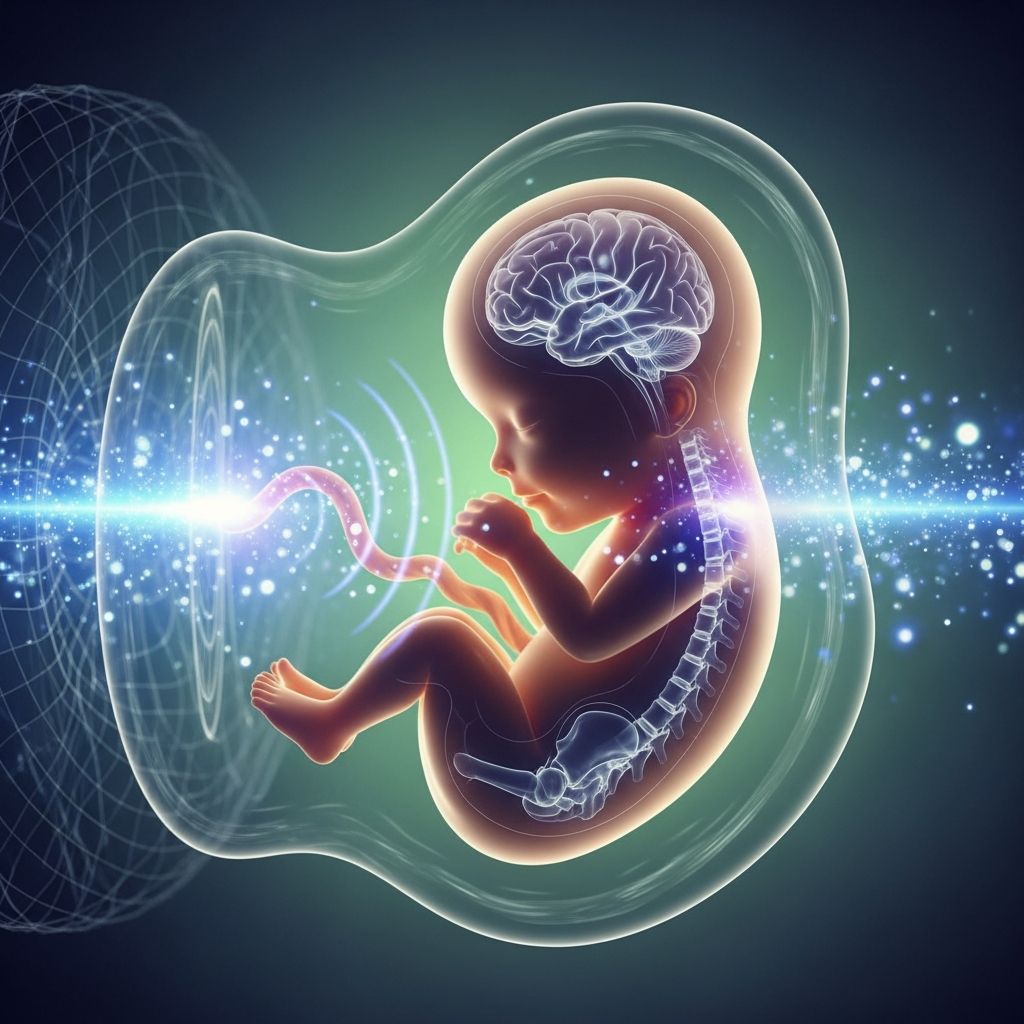
At thirty-five weeks pregnant, you are firmly in the home stretch of the third trimester. Your baby is close to full term, your body is working hard, and your mind may be bouncing between excitement and anxiety. This guide walks you through what is happening with your baby and your body, how to stay as comfortable as possible, and when to reach out to your healthcare team.
How Your Baby Is Growing at 35 Weeks
By week 35, your baby is almost ready for life outside the womb. Growth is still happening rapidly, but the focus is shifting from building organs to fine-tuning and gaining fat.
| Feature | What’s Happening Now |
|---|---|
| Size | Often compared to a small melon, around 18 inches (about 46 cm) long and over 5 pounds (2.2–2.5 kg), though individual sizes vary. |
| Body fat | Baby is building fat stores under the skin, helping with temperature control after birth. |
| Kidneys & digestion | Kidneys are functionally mature and baby swallows amniotic fluid, then passes it as urine into the fluid around them. |
| Lungs & breathing practice | Lungs are still maturing but are often capable of supporting breathing if baby is born soon. Baby practices “breathing” by moving chest muscles and diaphragm. |
| Movement | Movements may feel more like rolls and stretches than big kicks because space is tight, but they should remain regular and noticeable. |
| Position | Many babies settle head-down around this time, but some remain breech or sideways and may still change position in coming weeks. |
The pattern of movement matters more than the strength of individual kicks. If you notice a clear reduction from your baby’s usual rhythm, contact your provider for advice.
Your Body at 35 Weeks: Common Physical Changes
Your uterus is now high in your abdomen and has expanded dramatically from its pre-pregnancy size. This can create pressure and discomfort in several areas:
- Shortness of breath: The uterus can press up against the diaphragm, making deep breaths more challenging until baby “drops” lower into the pelvis later.
- Pelvic and hip pressure: Loosening ligaments and baby’s position can cause aching in the pelvis, hips, and groin as your body prepares for birth.
- Back pain: The shifting center of gravity and strain on abdominal muscles commonly lead to low back discomfort in the third trimester.
- Rib discomfort: Some people feel soreness under the ribs from the uterus or baby’s movements pressing upward.
- Frequent urination: Pressure on the bladder increases bathroom trips, especially at night.
Typical Week 35 Symptoms (and Simple Relief Tips)
Many symptoms you feel now are extensions of changes that started earlier in pregnancy, but they may be more intense as space runs out. The following are common experiences in late pregnancy; always check with your provider if anything feels severe or worrying.
1. Practice Contractions (Braxton Hicks)
At this stage, you may feel tightening or mild cramping in your abdomen that comes and goes. These are often “practice” contractions rather than true labor.
- They are usually irregular and do not get progressively closer together.
- They often ease if you change position, rest, drink water, or take a warm shower.
- They are generally more uncomfortable than painful.
If contractions become regular, increasingly painful, or are accompanied by other signs like fluid loss or bleeding, call your provider, as this may signal labor rather than practice.
2. Heartburn and Indigestion
Heartburn and indigestion are very common in the third trimester due to hormonal effects on the valve between your esophagus and stomach and the uterus pressing upward.
- Burning pain or discomfort in your chest or upper abdomen
- Feeling overly full, bloated, or nauseated after meals
- Frequent burping or a sour taste in your mouth
Comfort ideas:
- Eat smaller, more frequent meals instead of large ones.
- Avoid lying flat right after eating; try to stay upright for 30–60 minutes.
- Limit trigger foods like very spicy, fatty, or acidic meals if they worsen symptoms.
- Discuss safe antacid options with your healthcare provider.
3. Constipation and Bloating
Slower digestion, iron supplements, and pressure on your intestines can make bowel movements more difficult in late pregnancy.
- Drink enough fluids throughout the day.
- Increase fiber through fruits, vegetables, whole grains, and legumes.
- Gentle movement, such as walking, can stimulate digestion.
- Ask your provider before using laxatives or stool softeners.
4. Fatigue and Trouble Sleeping
Many people feel especially tired and have poor sleep quality in the last weeks. Discomfort, frequent urination, vivid dreams, and anxiety about labor all play a role.
- Try sleeping on your side, especially the left, which can support blood flow to the uterus.
- Use pillows between your knees, behind your back, or under your belly for extra support.
- Keep a consistent wind-down routine and dim lighting before bed.
- Short daytime rests can help when nighttime sleep is interrupted.
5. Breast Changes and Leaking
Breasts may feel fuller, heavier, or more sensitive as they prepare for feeding. Some people notice a thin, yellowish fluid (colostrum) leaking from their nipples around this time.
- Soft, supportive bras can relieve discomfort.
- Breast pads may help absorb leaks and protect clothing.
Warning Signs at 35 Weeks: When to Call Your Provider
While many symptoms at this stage are normal, some changes need prompt medical attention. Contact your midwife, obstetrician, or maternity unit if you notice any of the following:
- Severe or persistent headaches, vision changes (blurred or flashing lights), or sudden swelling in your face, hands, or around your eyes, which can signal preeclampsia.
- Vaginal bleeding, especially bright red or heavy bleeding.
- Sudden fluid loss from the vagina, either a gush or a continuous trickle, which may indicate your water has broken.
- Strong, regular contractions that grow closer together and more intense, possibly indicating labor.
- Severe abdominal pain that does not improve with rest.
- Significant decrease in baby’s movements compared to what is normal for you.
- Fever, chills, chest pain, or difficulty breathing.
If you are unsure whether a symptom is serious, it is always reasonable to call your provider or maternity unit for advice. They can help you decide whether you need to be seen urgently.
Getting Ready for Labor and Birth
Week 35 is a good time to finalize plans and practical details so you can focus on resting and staying calm during the last few weeks.
1. Review Signs of Labor
Understanding what labor might look like can reduce anxiety. True labor typically involves:
- Regular contractions that become closer together and stronger over time.
- Painful tightening in your abdomen and/or lower back that does not go away when you change position.
- Possible fluid loss if the amniotic sac ruptures.
- Cervical changes (dilation and effacement), which will be assessed by your provider.
Many providers give specific instructions, such as calling when contractions are a certain number of minutes apart or if your water breaks at any time. Keep those instructions easily accessible.
2. Think About Your Birth Preferences
A birth preferences document (often called a birth plan) can clarify what matters most to you, while recognizing that flexibility is important. Topics you may consider include:
- Who you want as your support person(s) during labor
- Pain management options you are open to (e.g., epidural, nitrous oxide, non-medication techniques)
- Positions you may like to try in labor (walking, using a birthing ball, side-lying)
- Preferences around immediate skin-to-skin contact and feeding after birth
- How you feel about interventions such as induction, assisted delivery, or cesarean section if recommended for medical reasons
Discuss your preferences at a prenatal visit so your healthcare team understands your goals and can explain what is realistic in your setting.
3. Prepare for the Postpartum Period
Planning beyond birth can make the early weeks with a newborn smoother:
- Organize basic supplies such as diapers, newborn clothing, and a safe sleep space that follows current safety guidelines (firm, flat mattress; no loose bedding).
- Stock easy foods and snacks, or arrange for help with meals.
- Learn about early signs of postpartum depression and anxiety so you and your support network can seek help quickly if needed.
- Review feeding support options (lactation services, formula preparation guidance, etc.).
Comfort Strategies for the Last Weeks
While you cannot remove all discomfort, small adjustments can make week 35 more manageable.
Positioning and Movement
- Sleep on your side: Health organizations recommend going to sleep on your side in late pregnancy, which may support blood flow and reduce the risk of complications.
- Use pillows creatively: Place one between your knees, another behind your back, or use a full-length body pillow to support your bump.
- Gentle activity: Short walks and stretching can ease stiffness and support circulation if your provider has not placed any activity restrictions.
Managing Swelling and Aches
- Elevate your feet when sitting to help reduce ankle and foot swelling.
- Wear comfortable, supportive footwear.
- Use warm (not overly hot) packs on sore muscles, and cold packs on areas that feel inflamed, if your provider agrees.
- Consider a maternity support belt for back and pelvic support if recommended by your provider.
Hydration and Nutrition
- Drink water regularly, even though it increases trips to the bathroom; good hydration helps prevent contractions related to dehydration and supports digestion.
- Focus on balanced meals with protein, complex carbohydrates, healthy fats, and plenty of fruits and vegetables.
- Limit very salty or heavily processed foods if they seem to increase swelling.
Mental and Emotional Well-Being
Feeling a mix of emotions is very normal at week 35: excitement, impatience, fear, or even grief over lifestyle changes ahead. Paying attention to your emotional health is as important as monitoring physical symptoms.
- Talk openly with your partner, friends, or family about your worries and expectations.
- Ask questions during prenatal visits so you feel informed about labor, birth, and postpartum care.
- Practice relaxation techniques such as slow breathing, mindfulness, or gentle prenatal yoga, if approved by your provider.
- Seek professional support if you feel overwhelmed, persistently sad, or unable to enjoy daily activities.
Frequently Asked Questions About Week 35 of Pregnancy
Q: Is it too early to go into labor at 35 weeks?
A: Babies born at 35 weeks are considered late preterm. Many do very well, but they may need additional monitoring or short-term support with feeding, breathing, or temperature control. If you think you are in labor, contact your provider or maternity unit right away so they can assess you and your baby.
Q: My bump feels rock hard at times. Is that normal?
A: A firm, tight sensation that comes and goes without a clear pattern is often a Braxton Hicks contraction. It should ease with rest, hydration, or changing position. If tightening becomes regular, painful, or is accompanied by bleeding or fluid loss, seek medical advice, as this can indicate real labor.
Q: Should my baby still be moving as much as before?
A: Movements may feel different because there is less room, but your baby should continue to move regularly. You should feel your baby’s usual pattern of rolls, stretches, and kicks each day. A clear decrease in movement compared with what is normal for you is a reason to contact your healthcare provider promptly.
Q: Is it safe to travel at 35 weeks?
A: Travel recommendations depend on your health, pregnancy course, and mode of transportation. Many airlines and providers place limits on flying in the final weeks of pregnancy. Discuss any planned trips with your provider; they can advise based on your risk factors, distance from medical care, and local guidelines.
Q: How can I tell the difference between normal swelling and something serious?
A: Mild swelling of the feet and ankles is common in late pregnancy, especially by evening. Sudden or severe swelling of the face, around the eyes, or in the hands—especially when combined with headaches or vision changes—can be a sign of preeclampsia and needs urgent medical evaluation.
References
- 35 Weeks Pregnant — The Bump. 2024. https://www.thebump.com/pregnancy-week-by-week/35-weeks-pregnant
- 35 weeks pregnant: Symptoms, tips, and baby development — Flo Health. 2023. https://flo.health/pregnancy/week-by-week/35-weeks-pregnant
- Pregnancy at week 35 — Pregnancy, Birth and Baby (Australian Government). 2023. https://www.pregnancybirthbaby.org.au/pregnancy-at-week-35
- 35 weeks pregnant: baby’s development, sore ribs and sleeping on your side — Tommy’s. 2022. https://www.tommys.org/pregnancy-information/im-pregnant/pregnancy-week-by-week/35-weeks-pregnant
- 35 Weeks Pregnant — American Pregnancy Association. 2021. https://americanpregnancy.org/healthy-pregnancy/week-by-week/pregnancy-week-35/
- Third trimester pregnancy: What to expect — Mayo Clinic. 2024-01-26. https://www.mayoclinic.org/healthy-lifestyle/pregnancy-week-by-week/in-depth/pregnancy/art-20046767
- Week 35 – Pregnancy — Kaiser Permanente My Doctor Online. 2023. https://mydoctor.kaiserpermanente.org/ncal/pregnancy/week/35