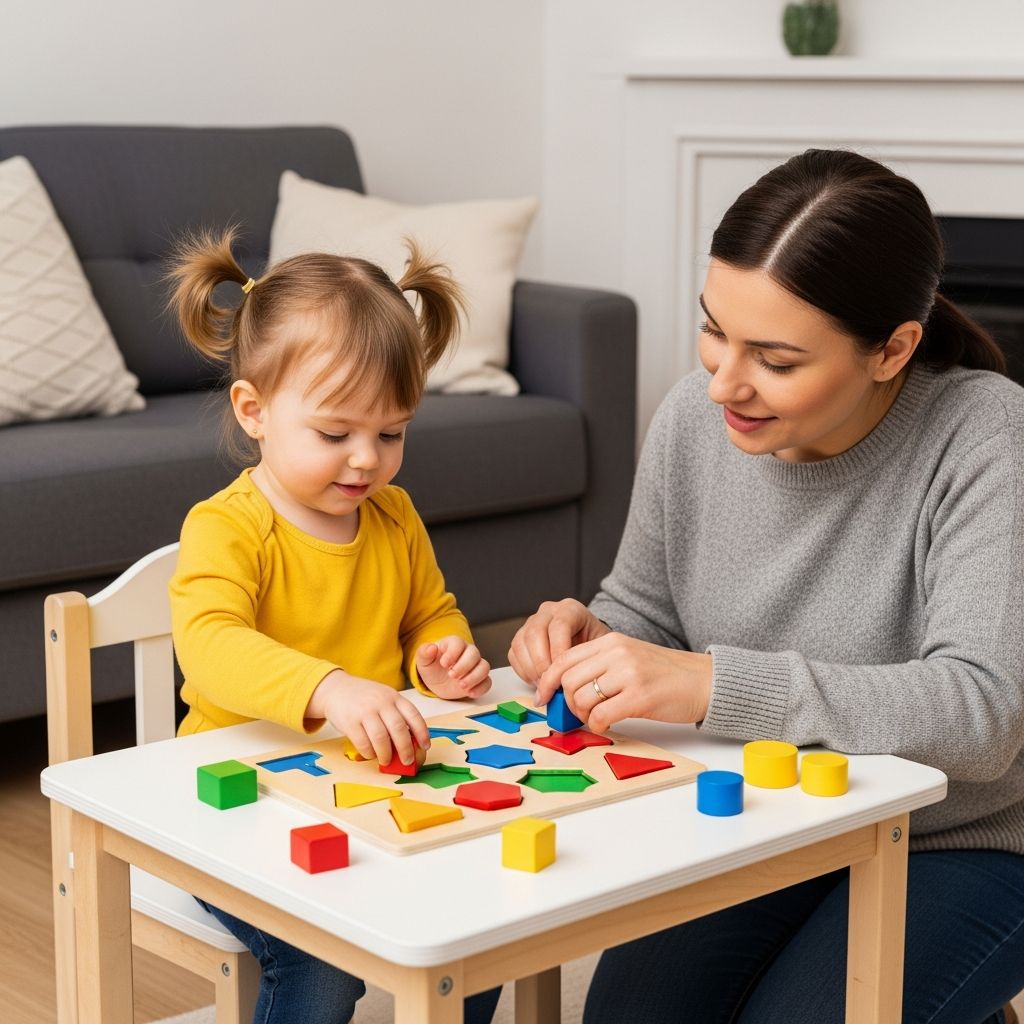
Starting preschool is a big milestone for toddlers and parents alike. Building foundational skills at home through playful activities can ease the transition, fostering confidence and curiosity. These engagements target key areas like fine and gross motor development, cognitive thinking, language mastery, social-emotional growth, and creative expression. Research from early childhood experts emphasizes play-based learning as essential for school readiness, helping children adapt to structured environments while sparking lifelong love for discovery.
Why Play Matters for Preschool Preparation
Play isn’t just fun—it’s the cornerstone of early education. According to the American Academy of Pediatrics, unstructured play supports brain development, problem-solving, and emotional regulation in young children. At-home activities mimic preschool routines, introducing concepts like turn-taking, following directions, and independent exploration without overwhelming little ones. Parents can integrate these into daily routines, using common household items to keep costs low and mess minimal. Focus on short sessions (10-20 minutes) to match toddler attention spans, repeating favorites to build mastery.
Mastering Fine Motor Skills with Everyday Tools
Fine motor skills involve precise hand-eye coordination, crucial for tasks like holding pencils, buttoning clothes, and self-feeding in preschool. These activities strengthen small muscles in fingers and wrists.
- Pom-Pom Sorting Adventure: Provide an ice cube tray, colorful pom-poms, and tongs or tweezers. Encourage sorting by color or size into tray compartments. This builds pinching strength and color recognition.
- Pipe Cleaner Magic: Use a colander upside down on a table with pipe cleaners. Show your child how to poke them through holes, then pull out. It enhances grip and bilateral coordination.
- Sticker Symphony: Tape large paper to a wall or floor (sticky side out if using contact paper) and offer scrap paper bits or stickers. Peeling and placing refines pincer grasp.
- Playdough Pinchers: Roll playdough into snakes and use blunt scissors or garlic press to cut. Adds cutting practice safely.
Repeat these 3-4 times weekly for noticeable improvements in dexterity, preparing hands for writing and crafts.
Boosting Gross Motor Abilities Through Movement
Gross motor skills support balance, strength, and coordination for playground play and classroom navigation. Indoor obstacle courses prevent cabin fever while teaching body awareness.
- DIY Obstacle Quest: Arrange cushions for jumping, tunnels from boxes, and balance beams from tape lines. Add instructions like ‘crawl under, hop over’ for listening practice.
- Balloon Baseball: Use paper towel tubes as bats and balloons as balls. Soft landings mean safe indoor fun, improving hand-eye timing.
- Tape Track Racing: Create roads with painter’s tape on floors; add block buildings. Pushing cars hones leg strength and spatial planning.
- Yoga Storytime: Follow child-friendly poses like tree or cat-cow during songs. Enhances flexibility and focus.
| Activity | Skills Targeted | Materials Needed |
|---|---|---|
| Obstacle Quest | Balance, jumping, crawling | Cushions, boxes, tape |
| Balloon Baseball | Coordination, striking | Balloons, tubes |
| Tape Track | Leg strength, planning | Painter’s tape, cars |
| Yoga Poses | Flexibility, listening | Yoga mat (optional) |
Sharpening Cognitive Skills with Puzzles and Patterns
Cognitive growth involves thinking, memory, and problem-solving. Preschoolers thrive when challenged gently through games that encourage trial and error.
- Shape Hunt Expedition: Hide shape cutouts in socks or bags. Child feels and guesses without peeking, describing properties like ’round and smooth.’
- Pattern Parade: Use linking cubes or beads to create sequences (red-blue-red). Child extends the pattern, building logical reasoning.
- Counting Snack Time: During meals, count crackers or fruits. Advance to ‘how many more?’ for basic math.
- Matching Mania: Draw toy outlines on paper; child places real items on matches. Expands to letters or family photos.
These spark neural connections, as noted in studies from the National Institute for Early Education Research, linking early math exposure to later academic success.
Fostering Language and Literacy Foundations
Rich language environments predict reading readiness. Combine talk, songs, and stories to expand vocabulary and comprehension.
- Song and Rhyme Circle: Sing classics like ‘Itsy Bitsy Spider’ with actions. Builds phonemic awareness.
- Story Relay: Take turns adding to a tale; illustrate with scribbles. Encourages narrative skills.
- Fort Reading Nook: Build blanket forts stocked with books. Cozy spots invite prolonged engagement.
- Name Puzzle Play: Cut name letters; child reassembles. Personalizes letter recognition.
Nurturing Social-Emotional Growth at Home
Preschool demands sharing and empathy. Role-play scenarios to practice emotions and cooperation.
- Puppet Feelings Theater: Use socks or toys as puppets acting out mad, happy scenarios. Discuss ‘how does it feel?’
- Turn-Taking Towers: Build block towers alternating additions. Teaches patience.
- Simon Says Emotions: ‘Simon says show surprised face!’ Integrates movement with expression.
Emotional regulation activities, per CDC guidelines, reduce tantrums and build resilience.
Sensory Explorations for Sensory Seekers
Sensory play calms and stimulates, aiding focus. Low-mess options use contained bins.
- Noodle Sensory Tub: Dry pasta in a bin with scoops. Hide treasures for digging.
- Color Mix Magic: Ice tray with tinted water droppers. Watch blends form new hues.
- Glow Stick Bath: Add to tub water for mesmerizing lights (supervised).
- Bean Bin Discovery: Dry beans with cups for pouring practice.
Creative Arts and Imagination Sparks
Art frees expression, no ‘right’ answers needed. Emphasize process over product.
- Roll-Out Masterpiece: Tape butcher paper; supply markers or stickers for collaborative murals.
- Fizzing Volcanoes: Baking soda mounds with vinegar sprays for bubbly reactions.
- Scrap Collage: Glue bits on cardstock. Explores texture.
- Pegboard Patterns: Geometric boards with pegs for designs.
Daily Routines and Independent Play Boosters
Preschool values self-help. Embed activities in chores.
- Wash Station: Soapy water tub for toy scrubbing with brushes.
- Clothespin Clips: Clip cards to string lines.
- Golf Tee Pound: Box with holes; hammer tees in/out.
Frequently Asked Questions (FAQs)
How often should I do these activities?
Aim for 15-30 minutes daily, split into short bursts. Consistency trumps intensity for skill-building.
What if my toddler loses interest quickly?
Follow their lead; rotate activities. Short attention is normal—praise efforts to build persistence.
Are these suitable for 2-3 year olds?
Yes, adaptable for ages 18 months to 4 years. Simplify for younger, add challenges for older.
Do I need special supplies?
Mostly household items. Dollar stores offer cheap additions like pom-poms.
How do I know if skills are improving?
Track milestones like independent sorting or longer focus. Consult pediatrician for concerns.
Integrating Activities into Family Life
Weave these into mornings for routine practice or afternoons for energy release. Track progress in a journal, noting favorites. Parent-child bonding deepens during play, creating positive associations with learning. As preschool nears, simulate drop-offs with goodbye rituals. These 30+ ideas provide variety, ensuring every day brings growth opportunities. Celebrate small wins—your toddler’s confidence will shine come first day.
References
- Preschool Kindergarten Readiness At Home Activities for Families — Catalyst Kids. 2022-06. https://www.catalystkids.org/wp-content/uploads/2022/06/Preschool-Activities-for-School-Readiness.pdf
- The Importance of Play for Preschoolers — American Academy of Pediatrics. 2024-01-15. https://www.aap.org/en/patient-care/early-childhood/early-childhood-health-and-development/importance-of-play/
- Early Learning Guidelines: Ages 3-5 — CDC. 2023-05-10. https://www.cdc.gov/ncbddd/childdevelopment/early-learning-guidelines.html
- Play Activities for 3 to 5 Year Olds — Zero to Three. 2025-02-01. https://www.zerotothree.org/resource/play-activities-for-3-to-5-year-olds/
- Developmental Milestones: 2 Year Olds — NIH Eunice Kennedy Shriver National Institute of Child Health and Human Development. 2024-11. https://www.nichd.nih.gov/health/topics/child-development/conditioninfo/checklists