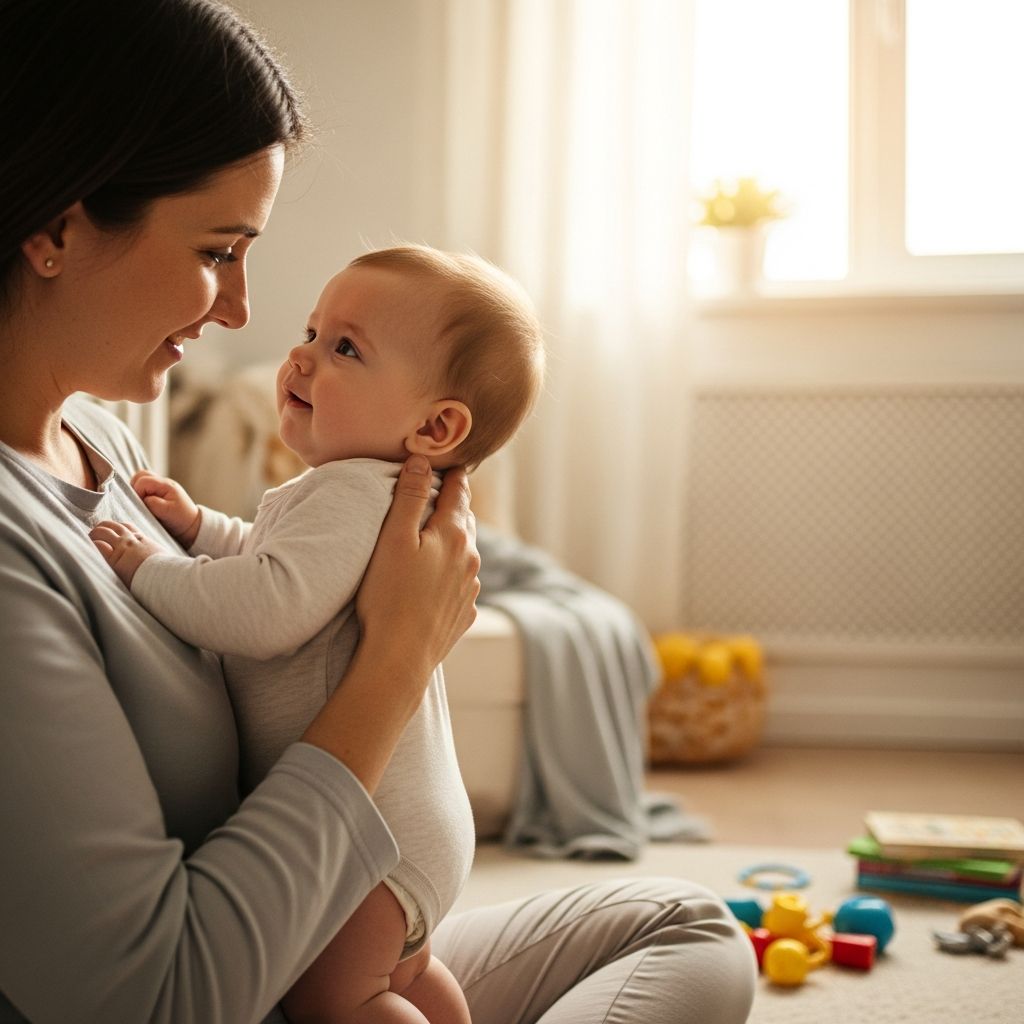
Building a strong emotional connection with your newborn is one of the most rewarding aspects of parenthood. These bonds form the foundation for your child’s sense of security, emotional health, and cognitive growth. Through consistent, everyday interactions, parents can release oxytocin—the ‘love hormone’—that strengthens attachment for both baby and caregiver. This guide presents 30 original, practical strategies drawn from pediatric insights, emphasizing touch, communication, play, and routine involvement to create lasting connections.
Foundational Touch-Based Connections
Physical closeness is the cornerstone of early bonding, regulating your baby’s heart rate, temperature, and stress levels while promoting parental confidence.
- Skin-to-Skin Cuddles: Place your bare-chested baby against your skin for at least 20 minutes daily. This ‘kangaroo care’ reduces crying and boosts oxytocin release, benefiting both moms and dads.
- Gentle Full-Body Massages: Use baby oil to softly stroke from head to toes post-bath. This relaxes muscles, improves sleep, and deepens trust through rhythmic touch.
- Responsive Holding: Cradle your baby close during fussy moments, swaying gently. This instinctive comfort signals safety and reliability.
- Back Patting Rituals: While holding, pat rhythmically on the back or bottom. Many babies self-soothe to this pattern, associating it with parental presence.
Voice and Communication Builders
Your voice is a powerful tool for language foundations and emotional reassurance, even before babies understand words.
- Daily Narration: Describe actions aloud during routines like ‘We’re brushing your tiny teeth now.’ This builds vocabulary through repetition and context.
- Lullaby Sessions: Sing soft melodies at bedtime. The rhythm calms fussiness and links songs to comfort.
- Exaggerated Conversations: Respond to coos with animated replies, mimicking tones. This teaches turn-taking in social exchanges.
- Routine Sound Cues: Use a special voice for diaper changes or feeds, helping baby anticipate and feel secure.
- Family Voice Exposure: Let siblings or grandparents chat with baby, differentiating voices to enrich auditory development.
Eye Contact and Facial Engagement
Shared gazes synchronize brain activity and release bonding hormones, teaching babies about emotions.
- Feeding Gazes: Lock eyes during nursing or bottle time. This turns meals into intimate moments of connection.
- Expressive Faces: Pull silly grimaces or wide smiles. Babies are drawn to high-contrast expressions, fostering joy and learning.
- Mirror Play: Hold baby before a mirror, pointing and naming features. This sparks recognition and delight.
Playful Sensory Explorations
Simple games stimulate senses, cognitive growth, and trust, turning play into bonding gold.
- Peek-a-Boo Variations: Cover your face with hands or a cloth, revealing with glee. It teaches object permanence amid laughter.
- Tummy Time Companionship: Lie beside during floor time, chatting and cheering lifts. Strengthens muscles while building partnership.
- Super-Baby Flights: Lie back, lift baby overhead with whooshes and faces. Dads often excel here, promoting secure attachment.
- Knee Bounces: Gentle up-and-down rides on your lap with rhymes. Releases endorphins for feel-good fun.
- Texture Hunts: Offer safe fabrics or toys to touch, guiding hands. Engages tactile senses and curiosity.
Daily Routine Integrations
Turn chores into cherished rituals for consistent bonding.
- Diaper Change Games: Bicycle legs, sing tunes, or make bubbles. Transforms tasks into playful interludes.
- Bath Time Splashes: Support in shallow water, pouring gently while narrating. Water sensory play soothes and connects.
- Dressing Dialogues: Name clothes as you dress, adding tickles. Makes transitions enjoyable.
Movement and Outdoor Adventures
Motion and fresh air enhance mood and closeness.
- Babywearing Walks: Strap in a carrier for neighborhood strolls. Proximity boosts oxytocin; nature adds stimulation.
- Dance Parties: Hold close and sway to music. Burns energy while syncing rhythms.
- Stroller Nature Hikes: Point out leaves, birds. Early outdoor exposure supports health and wonder.
Feeding as Intimate Nourishment
Meals are prime bonding windows, blending sustenance with affection.
- Cue-Responsive Feeds: Watch for hunger signs, responding promptly. Builds security through attunement.
- Skin-to-Skin Nursing: Bare upper body contact during feeds. Enhances milk flow and emotional ties.
- Bottle Bonding for Dads: Fathers can thrive here with eye contact and cuddles.
Involving the Whole Family
Extend bonds beyond primary caregivers for richer networks.
- Sibling Song Circles: Older kids lead lullabies. Fosters pride and sibling ties.
- Shared Bath Helpers: Let siblings hold towels or splash safely. Builds family unity.
- Grandparent Story Hours: Encourage readings with voices and props. Diversifies interactions.
Advanced Play for Growing Bonds
As baby develops, evolve activities for sustained connection.
- Pat-a-Cake Claps: Guide tiny hands in rhymes. Develops motor skills and imitation.
- Ball Rolls: Soft rolls back-and-forth on floor. Introduces cause-effect joy.
- Shadow Puppet Shows: Use hands on walls at dusk. Captivates with movement and light.
Quiet Reflective Moments
Passive presence matters too, mirroring baby’s pace.
- Baby-Led Observation: Sit quietly, following their gaze for three minutes. Strengthens empathy without leading.
- Breath Syncing: Match breathing while chest-to-chest. Calms both instantly.
| Age Range | Top Activities | Key Benefits |
|---|---|---|
| 0-3 Months | Skin-to-skin, massages, voice narration | Regulates vitals, builds trust |
| 3-6 Months | Eye contact games, tummy time, feeding gazes | Language foundations, motor strength |
| 6-12 Months | Peek-a-boo, rough play, walks | Cognitive leaps, secure attachment |
Frequently Asked Questions (FAQs)
Can dads bond as effectively as moms with newborns?
Absolutely—skin-to-skin, massages, and play release the same oxytocin in fathers, fostering equal attachment.
How often should I do bonding activities?
Incorporate them daily during routines; consistency trumps intensity for strong bonds.
What if my baby seems uninterested?
Newborns have short attention spans—try short bursts and follow their cues for responsiveness.
Does babywearing help with bonding?
Yes, it promotes closeness, reduces crying, and allows hands-free interaction.
Are these activities safe for preemies?
Consult your pediatrician, but gentle skin-to-skin is often recommended even for NICU babies.
These 30 strategies empower every parent to cultivate profound, joyful connections. Start small, stay consistent, and watch your relationship flourish into a lifetime of love and security.
References
- 10 Effective Newborn Baby Bonding Activities — Omega Pediatrics. Accessed 2026. https://www.omegapediatrics.com/newborn-baby-bonding-strengthenconnection/
- 6 Simple Ways for Dad to Bond With Baby — Happiest Baby. Accessed 2026. https://www.happiestbaby.com/blogs/parents/ways-for-dad-to-bond-with-baby
- Fun Bonding Activities for Dads and Babies — Child Development Institute. Accessed 2026. https://childdevelopmentinfo.com/how-to-be-a-parent/fun-bonding-activities-for-dads-and-babies/
- Bonding with Baby — Pediatric Associates. Accessed 2026. https://www.pediatricassociates.com/health-topics/bonding-with-baby
- Bonding Activities for New Parents and Babies — Northline Women’s Health Center. Accessed 2026. https://www.northlinewomenshealthcenter.com/patients/blog/366-bonding-activities-for-new-parents-and-babies
- This 3-minute activity will make your bond with your baby stronger — Today’s Parent. Accessed 2026. https://www.todaysparent.com/baby/baby-development/bonding-with-baby-simple-three-minute-activity/