By the time a baby reaches three months of age, the world is no longer just a blur of light, noise, and movement. Your baby is starting to lock eyes with you, react to your voice in new ways, and use their whole body to explore people and objects. Understanding what is happening with each sense at this stage can help you respond more confidently and create a calm, enriching environment.
This guide walks through how sight, hearing, touch, taste, and smell are changing around three months, and offers practical ideas to gently support your baby’s sensory growth without overwhelming them.
Big Picture: Sensory Development Around Three Months
Sensory development is the process by which babies learn to receive, organize, and respond to information from their environment. At around three months, many parents notice a clear shift: babies are more awake, more social, and more interested in the world around them.
- Awake times are longer and more alert, allowing babies to practice using their senses with you.
- Movements become smoother and more purposeful, which helps them turn toward sounds and reach for things they can see.
- Emotional responses, like smiling and cooing, often appear when babies hear familiar voices or see a loved one’s face.
These changes can feel exciting and sometimes a bit overwhelming, but they are all part of the brain and body learning to work together.
How Vision Is Evolving at Three Months
Newborn vision begins as blurry and best at close range. By about three months, many babies can focus more sharply on faces, follow moving objects with their eyes, and show interest in brighter colors and higher-contrast patterns.
- Your baby may track a toy or your face as it moves slowly from side to side.
- They might stare intently at your face, especially your eyes and mouth, and respond with smiles.
- Bold patterns and strong color contrasts are still easier for them to see than soft, pale shades.
Vision development at this stage is less about seeing far distances and more about learning to focus, follow, and use both eyes together to understand what they are looking at.
Activities to Encourage Healthy Vision
- Face-to-face time: Hold your baby about 8–12 inches from your face and talk, smile, or sing slowly so they can study your expressions.
- Slow tracking games: Move a simple toy or your hand slowly from side to side in front of your baby’s face and pause occasionally to let them catch up.
- High-contrast play spaces: Offer a few toys or books with bold shapes and colors rather than a cluttered space full of visual distractions.
There is no need for special flashcards or screens; everyday objects and your face are the most powerful visual tools your baby has.
Hearing and Early Communication
Hearing is active from birth, but around three months babies start to use it in more sophisticated ways. They may calm when they hear a familiar voice, turn toward sounds, and experiment with their own noises in response.
- Your baby may quiet, smile, or move their arms and legs when they hear you speak.
- They might turn their head toward a sound, especially your voice or a gentle rattle.
- Cooing, vowel sounds, and squeals often appear as babies experiment with the sounds they can make.
These early sound exchanges are the beginning of back-and-forth communication, even though they don’t use words yet.
Ways to Support Hearing and Language
- Talk throughout the day: Describe what you are doing in simple, calm language while feeding, changing, or carrying your baby.
- Respond to coos: When your baby makes a sound, pause, look at them, and “answer” with your own sounds or a short sentence to show that you are listening.
- Sing and vary your tone: Soft songs, playful rhymes, and changes in pitch help keep your baby’s attention and make sound patterns more noticeable.
- Keep background noise low: Turning off the TV or limiting overlapping sounds makes it easier for your baby to pick out your voice.
You do not need to speak in a strict, formal way. Warmth, repetition, and responsiveness matter far more than perfect wording.
Touch: Comfort, Movement, and Body Awareness
Touch is one of the most powerful senses for young babies. Around three months, many babies enjoy gentle movement, skin-to-skin contact, and different textures. They are also learning that they can use their hands to explore their own body and the world.
- Your baby may bring their hands together at the middle of their body or explore their own fingers.
- They might grasp your finger or a lightweight toy briefly and sometimes bring it toward their mouth.
- Gentle holding, cuddling, and rocking can quickly calm them when they are upset or overstimulated.
These experiences help your baby develop an internal sense of where their body is in space, which is important for later skills like rolling, sitting, and crawling.
Touch-Friendly Activities
- Skin-to-skin cuddles: Holding your baby against your bare chest (with their back covered for warmth) can stabilize heart rate, breathing, and temperature while supporting bonding.
- Gentle infant massage: Lightly stroke your baby’s arms, legs, and back with slow, predictable movements, watching their cues for enjoyment or overstimulation.
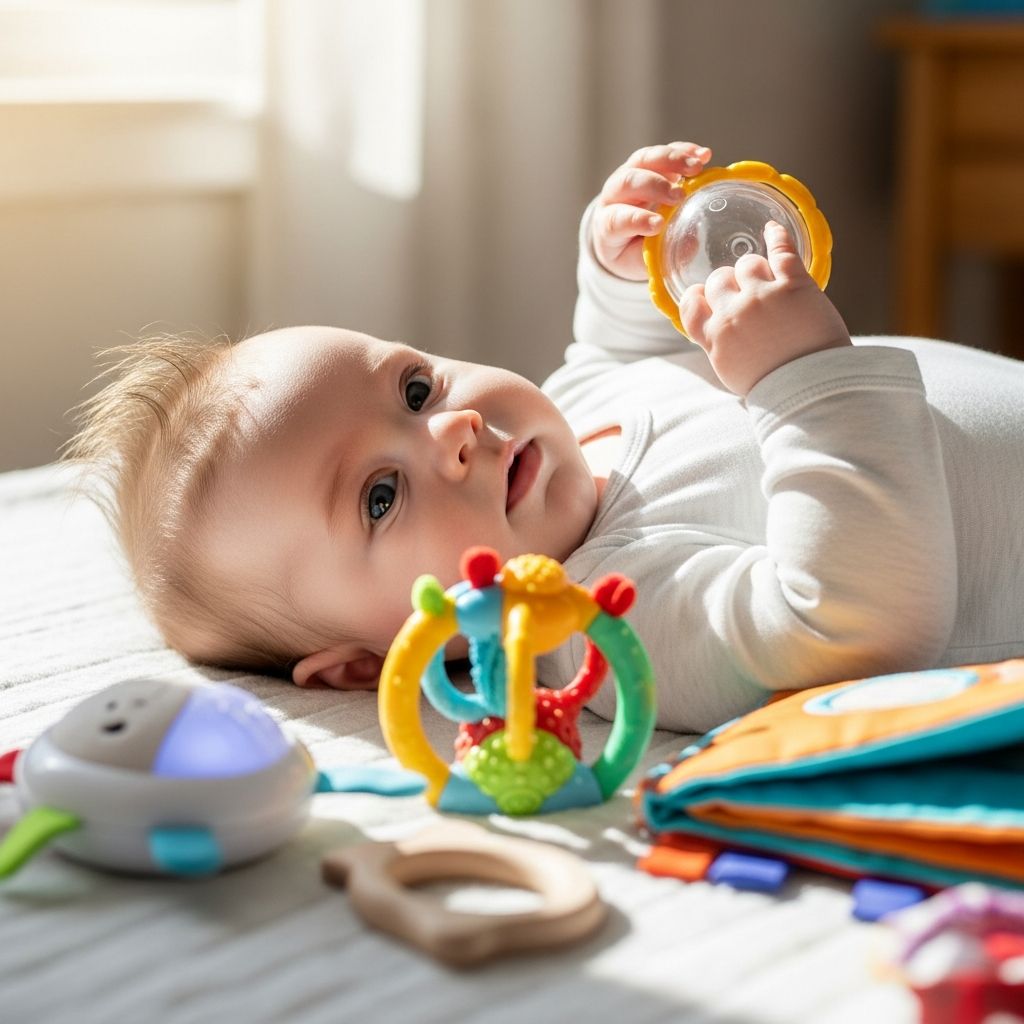
- Tummy-down time: Supervised time on their tummy while awake helps strengthen neck, shoulder, and trunk muscles and gives them a new view of the world.
- Simple textures: Let your baby briefly feel different safe fabrics (soft cotton, a slightly bumpy knit) against their hands or feet.
Always stop or change the activity if your baby looks away, stiffens, cries, or seems overwhelmed. Their cues guide how much touch and movement is right at any moment.
Taste and Smell: Quiet but Important Senses
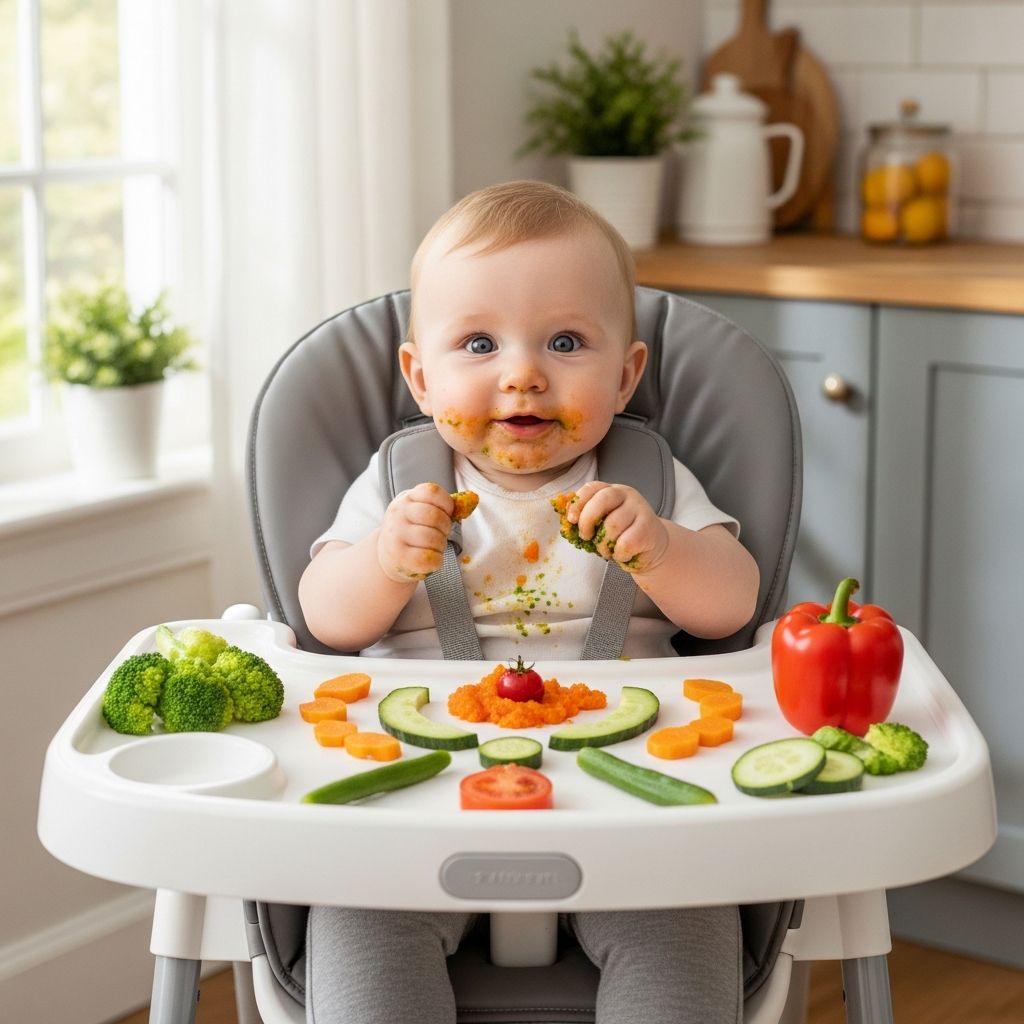
Even though a three-month-old baby is not yet eating solid foods, taste and smell are already active. Babies can recognize the scent of their caregivers and often show clear preferences for familiar smells and the taste of milk.
- Your baby may turn toward the smell of milk or a parent’s familiar scent.
- Strong perfumes, smoke, or harsh cleaning products can be irritating and may cause grimacing or fussing.
- The flavor of breast milk or formula, and even the diet of a breastfeeding parent, can subtly shape early taste experiences.
At this age, supporting taste and smell is more about providing a calm, gentle sensory environment than about offering variety.
Creating a Baby-Friendly Sensory Environment
- Limit strong scents: Try to avoid heavy perfumes, scented candles, and harsh chemical odors around your baby.
- Keep feeding calm: Choose a relatively quiet, comfortable spot for feeding so your baby can focus on the smell and taste of their milk and on connecting with you.
- Be consistent: Familiar soaps, lotions, and laundry products can provide a sense of continuity and comfort.
Solid foods are generally introduced later, based on your baby’s developmental readiness and your healthcare provider’s guidance, so there is no need to rush taste exploration through food at three months.
Putting It Together: Multi-Sensory Moments
In everyday life, your baby never uses just one sense at a time. A simple interaction may involve seeing your face, hearing your voice, feeling your touch, and smelling your skin or shirt. These combined experiences help the brain build rich, interconnected pathways.
- Feeding involves taste, smell, touch, sight, and hearing all at once.
- Playtime on the floor combines movement, body awareness, vision, and sound.
- Bath time offers warm water sensations, your soothing voice, and gentle motion.
The goal is not to “maximize stimulation,” but to provide varied, pleasant experiences and space for your baby to rest and process what they’ve taken in.
Sample Daily Sensory Moments
| Time of Day | Natural Sensory Experiences | Simple Ways to Support |
|---|---|---|
| Morning wake-up | Soft light, your voice, changing clothes, diaper change | Speak gently, offer eye contact, move slowly and predictably |
| Mid-morning play | Tummy-down time, toys or faces to look at, gentle movement | Place a simple toy in view, get down on the floor face-to-face, follow baby cues |
| Afternoon walk | Outdoor sounds, changing light, mild temperature shifts | Talk about what you notice, keep the pace calm, avoid loud or chaotic spots if baby is sensitive |
| Evening wind-down | Dim light, warm bath, cuddles, lullabies | Introduce a simple routine with repeated songs or phrases to signal sleep time |
Reading Your Baby’s Sensory Cues
Every baby has a unique sensory “personality.” Some enjoy a lot of interaction and variety, while others prefer a gentler, quieter approach. Learning to read your baby’s cues helps you know when to offer more stimulation and when to give them a break.
Signs Your Baby Is Enjoying an Experience
- Relaxed body, soft arms and legs, and open hands.
- Steady gaze or gentle tracking of your face or a toy.
- Smiles, coos, or content alertness.
Signs Your Baby May Be Overstimulated
- Turning their head away or avoiding eye contact.
- Arching their back, stiffening, or flailing arms and legs.
- Fussing, yawning, hiccups, or suddenly falling asleep.
If you notice several of these signs, try reducing noise, light, and activity. Holding your baby close in a quieter space or swaddling (if still appropriate for their age and rolling abilities) can help them reset.
When to Talk With a Healthcare Professional
Babies develop at different rates, and there is a wide range of what can be typical at three months. However, it is always appropriate to bring questions or concerns about your baby’s development to a trusted healthcare professional.
- Contact your provider if your baby seems consistently unresponsive to loud sounds or familiar voices.
- Ask for guidance if your baby rarely meets your gaze, does not seem to notice moving objects, or keeps one eye consistently turned in or out.
- Share concerns if your baby is unusually stiff or floppy, or seems distressed by everyday touch and movement.
Raising questions early does not mean something is wrong; it simply ensures that, if support is needed, it can be offered as soon as possible.
Practical Tips for Everyday Sensory Support
Supporting a three-month-old’s sensory development does not require special equipment or complicated routines. Small, consistent choices in everyday life make a meaningful difference.
- Build in short, frequent play periods rather than long, intense sessions.
- Alternate more stimulating times (play, outings) with calm times (cuddles, quiet songs).
- Use your face, voice, and hands as the main “toys” and keep the environment relatively simple.
- Follow your baby’s lead; if they seem interested, stay with an activity a bit longer, and if they look away, gently pause or change.
Over time, these simple habits create a steady, comforting framework in which your baby’s senses can grow and organize at their own pace.
Frequently Asked Questions
Is my 3-month-old supposed to follow objects with their eyes?
Many babies around three months can follow a toy or face moving slowly from side to side, especially when it is close and the background is not too busy. If your baby does this only sometimes, that can still be normal, but if you are unsure, mention it at your next checkup.
How much noise is too much for my baby?
Occasional everyday sounds, like conversation or household noise, are usually fine, but constant loud background noise can be overwhelming. If your baby startles often, cries, or struggles to settle in noisy spaces, try lowering the volume, turning off extra devices, or moving to a calmer room.
Do I need special sensory toys at this age?
Specialty toys are not required for healthy sensory development at three months. Your baby benefits most from your face, voice, touch, and a few simple, safe objects they can see, hear, and eventually grasp.
My baby puts their hands in their mouth all the time. Is that normal?
Yes. Around three months, many babies discover their hands and enjoy sucking or chewing on them. This is a normal way for them to soothe and explore, as long as they can breathe comfortably and there are no small objects nearby that pose a choking risk.
How can I tell if my baby is getting enough sensory stimulation?
If your baby has daily opportunities for eye contact, talking, gentle touch, and a bit of time on the floor to move freely, they are likely getting plenty. Your baby also needs quiet, less stimulating periods to rest and process, so balance is more important than constant activity.
Supporting Your Baby and Yourself
As your baby’s senses become more organized, daily life can feel both more rewarding and more demanding. Paying attention to your baby’s cues, offering predictable routines, and allowing time for both play and rest create a strong foundation for future milestones.
Equally important is caring for yourself. Rest when possible, ask for help, and remember that no parent responds perfectly to every cue. A loving, “good enough” environment, filled with consistent comfort and gentle opportunities for exploration, is exactly what a three-month-old needs.