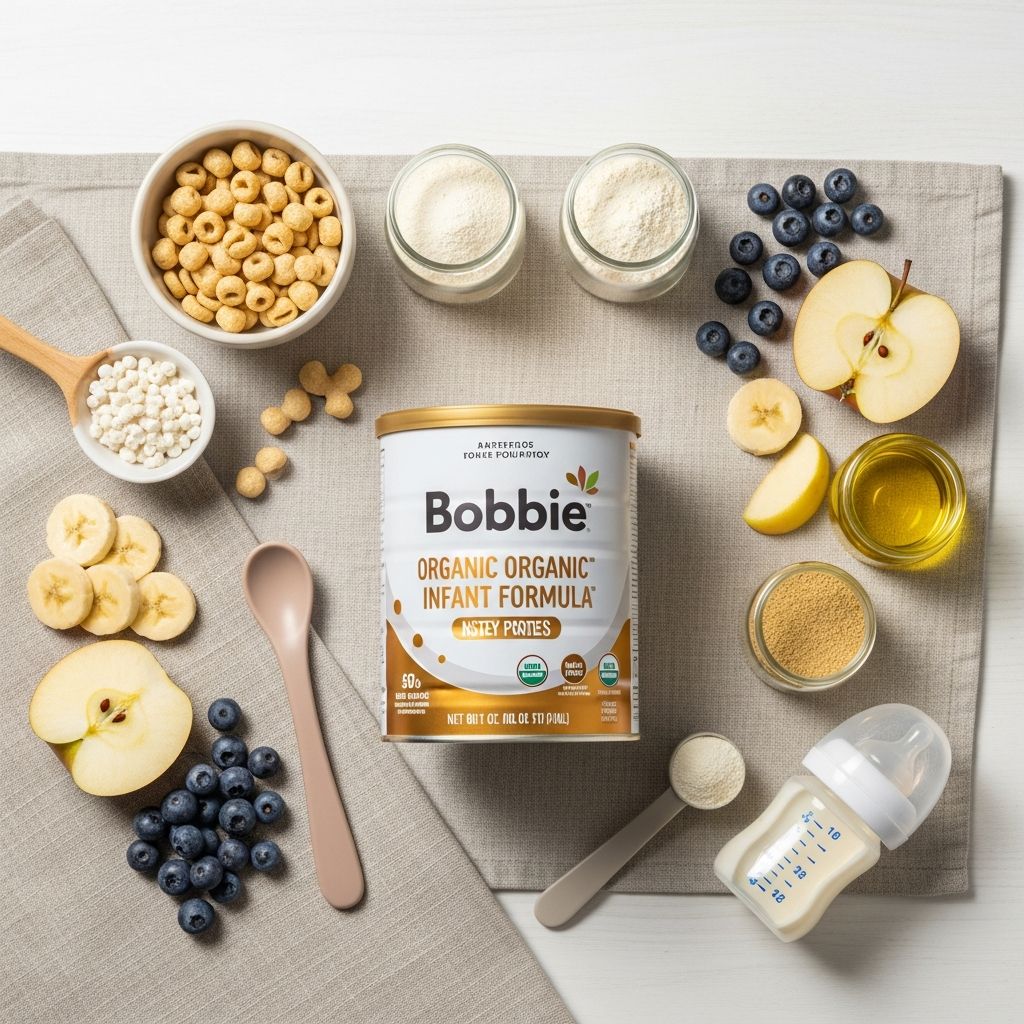
Newborns typically nurse for 10 to 20 minutes per session initially, with 8 to 12 feedings every 24 hours, adjusting based on hunger cues rather than strict clocks to support milk supply and growth.
Understanding Newborn Feeding Needs
In the earliest days, a newborn’s stomach is tiny, about the size of a cherry, limiting intake per feeding but necessitating frequent sessions to meet nutritional demands and stimulate milk production. Breastfed infants often feed every 1 to 3 hours, while formula-fed babies may go slightly longer between meals due to measurable volumes.
Feeding on demand—responding promptly to early hunger signals—ensures babies receive adequate calories, promotes efficient latching, and prevents distress that can complicate nursing. Over time, as the stomach expands to marble size by day three and larger thereafter, sessions may lengthen and frequency decrease gradually.
Typical Nursing Durations by Age
Breastfeeding durations evolve with the baby’s development. Newborns under two weeks often nurse briefly but often, building toward more substantial feeds.
| Age Range | Breastfed Frequency (per 24 hours) | Approx. Duration per Side | Formula Amount per Feeding |
|---|---|---|---|
| Birth to 2 weeks | 8-12 times | 10-15 minutes | 1.5-3 oz |
| 2-4 weeks | 7-10 times | 10-20 minutes | 2-4 oz |
| 1-2 months | 6-8 times | 15-20 minutes | 4-5 oz |
| 2-4 months | 5-6 times | 10-15 minutes (faster) | 5-6 oz |
| 4-6 months | 4-5 times | 10-15 minutes | 6-8 oz |
This table draws from pediatric guidelines, noting breastfed babies nurse until satisfied, often switching sides, while formula amounts provide a volume benchmark. By 4-6 months, efficiency improves, shortening active suckling time.
Recognizing Hunger and Fullness Signals
- Early hunger cues: Rooting (turning head with open mouth), hand-to-mouth movements, fist sucking, or lip smacking—respond immediately to ease feeding.
- Late cues: Crying indicates advanced hunger, making latching harder; avoid waiting for this.
- Fullness signs: Releasing the breast, relaxed hands, turning away, or falling asleep contentedly.
Cluster feeding—intense sessions in short bursts, often evenings—boosts supply and is normal in the first weeks. Night feeds remain crucial initially, spacing to 4 hours maximum to sustain growth.
Breastfed vs. Formula-Fed Patterns
Breast milk digests quickly, prompting more frequent feeds (every 2 hours on average from start to start), totaling 10-12 daily. Formula, slower to digest, allows 3-4 hour intervals, 6-8 feedings with 2-3 ounces initially rising to 4-6 by one month.
Exclusive breastfeeding supports optimal immunity and bonding; combine with pumping if needed for supply. For formula, prepare per instructions, burping midway to reduce spit-up. Transition to solids around 6 months supplements, not replaces, milk feeds (aim for 24-32 oz daily).
Signs Your Newborn is Getting Enough Nutrition
Monitor output and growth: Expect 2-3 wet diapers days 1-4, then 5-6+ daily; 3-4 stools initially, softening to mustard-like. Steady weight gain (4-7 oz weekly first months), alertness post-feed, and content demeanor confirm adequacy.
- Insufficient intake risks: Fewer than 6 wet diapers, lethargy, or poor weight gain—consult a provider promptly.
- Overfeeding rare in breastfeeding; watch for excessive spit-up in formula-fed.
Building a Flexible Feeding Routine
While demand-feeding rules early on, gentle routines aid predictability. Wake for feeds if over 3-4 hours daytime sleep; night stretches lengthen naturally. Skin-to-skin contact enhances milk flow and calming.
Positioning matters: Cradle hold supports head; football hold suits C-section recoveries. Ensure deep latch—lips flared, more areola covered below chin—to minimize pain and maximize transfer.
Common Challenges and Solutions
Slow weight gain? Increase skin-time and frequency. Sore nipples? Check latch, use lanolin. Engorgement? Frequent nursing, warm compresses pre-feed, cold post.
Pumping maintains supply during separations; store milk properly (fridge 4 days, freezer 6 months). Lactation consultants offer personalized help.
Long-Term Feeding Evolution
By 6 months, feeds drop to 4-5 daily, integrating solids (iron-fortified cereals, purees) while prioritizing milk for calories. Night weaning possible post-6 months if growth solid, per pediatrician.
Annual checkups track milestones; most thrive on responsive feeding adapting to cues over rigid schedules.
Frequently Asked Questions
Should I wake my newborn for night feeds?
Yes, until 2-4 weeks or per doctor advice, cap sleep at 4 hours to ensure calories.
How do I know if nursing sessions are too short?
Content baby with good output trumps time; 10+ minutes per side typical, but efficiency grows.
Is cluster feeding normal?
Absolutely, especially evenings; it builds supply—hydrate and rest.
When to introduce formula if breastfeeding?
Only if medically advised; consult lactation expert first.
How many ounces for formula in first month?
2-4 oz every 3-4 hours, totaling 20-24 oz daily by end of month.
References
- Baby feeding chart: A simple guide for new parents — Norton Children’s. 2023. http://nortonchildrens.com/news/babyfeedingchart/
- Breastfeeding: the first few days — NHS. 2023-10-01. https://www.nhs.uk/baby/breastfeeding-and-bottle-feeding/breastfeeding/the-first-few-days/
- How Often and How Much Should Your Baby Eat? — American Academy of Pediatrics (HealthyChildren.org). 2024. https://www.healthychildren.org/English/ages-stages/baby/feeding-nutrition/Pages/how-often-and-how-much-should-your-baby-eat.aspx
- Baby Feeding Chart: From Newborn to 12 Months — Pampers. 2024. https://www.pampers.com/en-us/baby/feeding/article/baby-feeding-schedule
- Newborn Feeding Schedule — Newton-Wellesley Hospital. 2023. https://www.nwh.org/maternity-guide/postpartum-guide/postpartum-chapter-4/breastfeeding-frequency
- Feeding your newborn: Tips for new parents — Mayo Clinic. 2024-05-15. https://www.mayoclinic.org/healthy-lifestyle/infant-and-toddler-health/in-depth/healthy-baby/art-20047741
- How Much and How Often to Breastfeed — CDC. 2024. https://www.cdc.gov/infant-toddler-nutrition/breastfeeding/how-much-and-how-often.html