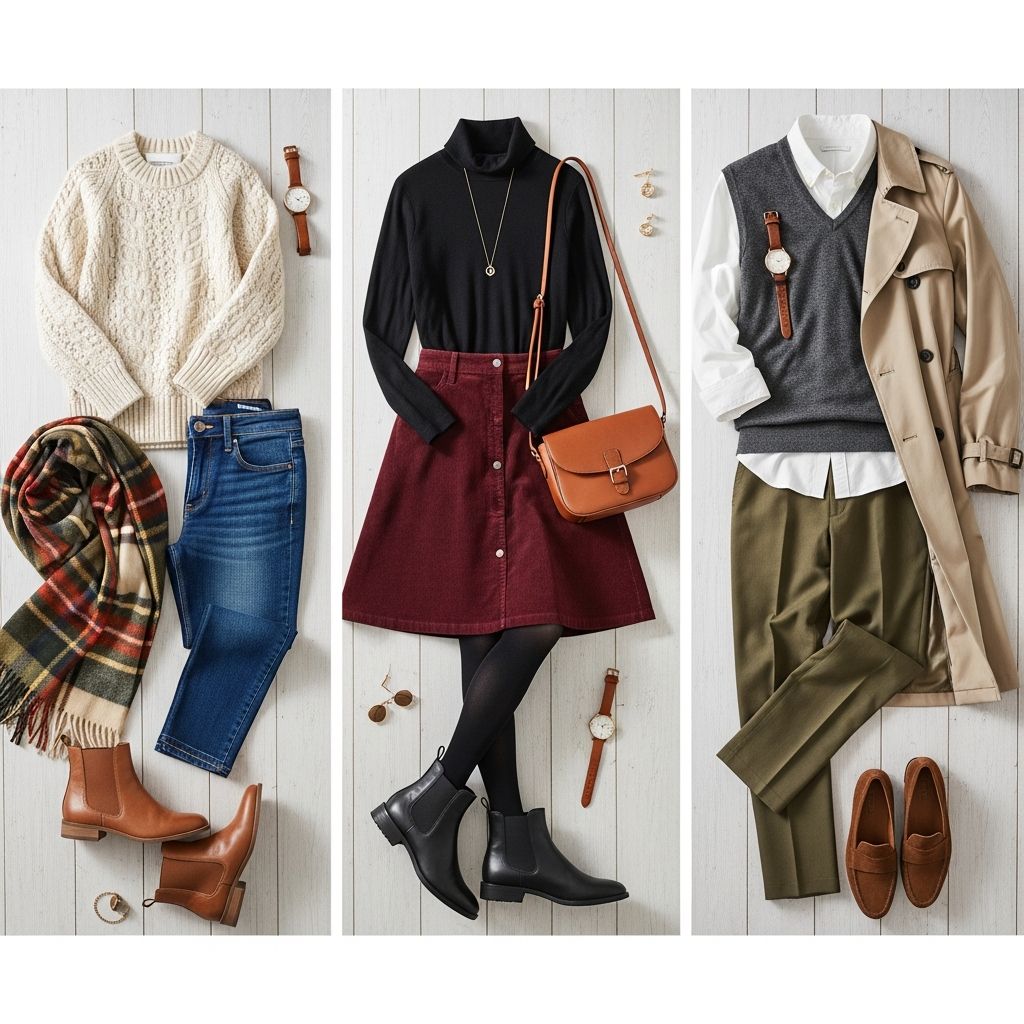
Building Confidence Through Simplified Fall Styling
As temperatures drop and the seasons shift, many people experience decision fatigue when it comes to getting dressed. The familiar refrain of “I have nothing to wear” becomes especially pronounced during seasonal transitions, even when closets are overflowing with options. The challenge isn’t necessarily a lack of clothing—it’s understanding how to combine existing pieces in ways that feel fresh, intentional, and authentic to your personal style.
Rather than constantly purchasing new items or scrolling through fashion inspiration indefinitely, adopting a structured approach to outfit building can transform how you navigate your wardrobe. When you have reliable formulas to fall back on, getting dressed becomes less about making countless micro-decisions and more about expressing yourself confidently. This article explores three foundational outfit structures that work beautifully throughout the autumn season, whether you’re running errands on a Saturday morning or attending a more formal evening gathering.
Understanding the Foundation of Effective Outfit Formulas
An outfit formula is essentially a flexible template that guides how you combine pieces while leaving room for personal interpretation. Rather than prescribing exact items, a formula identifies key categories—like a top layer, bottom piece, footwear, and accessories—and explains how these elements work together harmoniously. The beauty of this approach is that it acknowledges individual style preferences and existing closet contents.
The most effective formulas typically incorporate several key principles. First, they balance different design elements such as texture, color, and silhouette to create visual interest without overwhelming an outfit. Second, they account for layering, which is essential during fall when temperatures fluctuate throughout the day. Third, they consider the versatility of individual pieces, ensuring that components can be mixed and matched across multiple outfits. Finally, strong formulas work across different occasions, from casual daytime activities to more refined evening plans.
Fall presents a unique opportunity to experiment with these formulas because the season itself embraces layering and texture. Sweaters, jackets, scarves, and boots become not just practical necessities but design elements that add depth and sophistication to any outfit. Understanding how to leverage these seasonal pieces through strategic formulas makes the entire dressing process more intentional and satisfying.
Formula One: The Refined Casual Approach
The first outfit formula emphasizes comfort without sacrificing polish. This approach begins with a structured base—typically a well-fitting sweater or casual top paired with tailored bottoms. Rather than standard denim, consider exploring trouser silhouettes, wide-leg pants, or even comfortable leggings paired with longer tunics. The key is selecting pieces that have inherent structure and definition rather than shapeless, overly relaxed items.
Components of the Refined Casual Formula
- Foundation piece: Choose a medium to heavier-weight sweater in a neutral tone, or select a lightweight knit that layers well under jackets
- Bottom selection: Pair with jeans that fit well through the hip and thigh, or select tailored pants in navy, black, or a rich neutral tone
- Footwear: White leather sneakers offer a clean, modern foundation that works across multiple occasions
- Layering element: Add a structured blazer, chambray shirt worn open, or a denim jacket to introduce visual hierarchy
- Finishing touches: Incorporate a scarf, delicate jewelry, or a crossbody bag to elevate the overall aesthetic
This formula works exceptionally well for people balancing work and personal activities throughout the day. The structured elements signal intentionality and put-togetherness, while the comfortable base ensures you can move freely and feel confident in your clothing. The neutral palette allows accessories to become the storytelling element—a patterned scarf, statement earrings, or interesting bag can completely transform the impression while maintaining the core formula’s integrity.
Consider styling this formula for a coffee date by pairing cream-colored sweater with black tailored trousers, white sneakers, and a camel cardigan. Add a simple gold necklace and canvas tote, and you have an effortless outfit that reads as intentional. For a slightly more polished version of the same formula, swap the white sneakers for ankle boots, replace the canvas tote with a structured leather bag, and add more substantial jewelry pieces.
Formula Two: The Monochromatic Sophistication Method
The second formula leverages color psychology and chromatic unity to create outfits that feel inherently sophisticated and well-coordinated. Rather than mixing multiple colors, this approach selects a single color family and explores various shades, tones, and textures within that palette. The result is a cohesive, harmonious look that appears thoughtfully curated.
How to Execute the Monochromatic Strategy
Begin by selecting your color family. Autumn naturally lends itself to deeper, richer tones—consider burgundy, chocolate brown, forest green, navy, or warm charcoal. Once you’ve chosen your color direction, pull multiple pieces from your closet that fall within that family, even if they’re different shades or undertones.
The critical element that prevents monochromatic outfits from feeling flat is texture variation. Pair a silky blouse with wool trousers. Combine a knit sweater with a leather skirt. Layer a suede vest over a silk camisole. Add a chunky knit scarf to a smooth satin dress. These textural contrasts create visual interest and depth that make the outfit feel dimensional and intentional rather than accidental.
For example, consider an outfit composed of navy elements: a navy crewneck sweater, navy wide-leg trousers, and navy over-the-knee boots. Without textural variation, this might feel monotonous. However, if you add a navy satin scarf, incorporate a navy leather belt, and wear navy knit gloves, the combination of different fabrics creates complexity and sophistication. The repetition of the color actually becomes a design feature rather than a limitation.
Advantages of the Monochromatic Formula
- Creates an elongated silhouette that flatters most body types
- Eliminates color-coordination anxiety and decision fatigue
- Allows accessories to become focal points without competing colors
- Works seamlessly across casual and more formal occasions
- Creates a cohesive, intentional aesthetic with minimal effort
This formula particularly benefits people who find color coordination overwhelming or who want to project a sophisticated, editorial aesthetic. Fashion professionals and style influencers frequently rely on monochromatic dressing because it communicates intentionality and polish while requiring less decision-making than multi-color combinations.
Formula Three: The Layered Texture Experience
The third formula embraces fall’s inherent invitation to layer by strategically combining multiple pieces that create visual and tactile interest. This approach moves beyond simply adding a jacket for warmth; instead, it deliberately selects complementary pieces that enhance each other’s design qualities.
Building Effective Layered Outfits
Start with a base layer—typically a fitted turtleneck, long-sleeve tee, or lightweight sweater in a neutral or tonal color. This foundation provides visual continuity and ensures the outfit doesn’t feel chaotic despite multiple pieces. Next, add a mid-layer piece: a vest, oversized sweater, or shirt-jacket worn open. This layer introduces volume and allows for adjustments based on temperature changes throughout the day.
Finally, incorporate a structured outer layer such as a blazer, trench coat, or leather jacket. This top layer grounds the entire outfit and introduces a professional or polished element depending on the specific piece selected. Crucially, each layer should add something distinct—whether that’s a contrasting texture, a complementary color tone, or a different visual weight.
Consider an example: begin with a cream-colored fitted turtleneck, add a oversized caramel-colored sweater, and layer a structured chocolate brown leather jacket over top. Pair with well-fitting jeans and suede ankle booties. Finish with a chunky knit scarf and structured leather handbag. Each layer contributes distinct design elements while the neutral palette maintains cohesion. The result is an outfit that feels substantial, intentional, and seasonally appropriate without appearing overdone.
Key Principles for Successful Layering
- Proportion awareness: Balance fitted layers with slightly relaxed pieces to avoid overwhelming your frame
- Color harmony: Use neutral bases with coordinating tones rather than contrasting colors that compete visually
- Texture contrast: Combine different fabric weights and finishes to create visual interest
- Visible layering: Ensure each layer is partially visible rather than entirely hidden, creating intentional design composition
- Functional layering: Choose pieces that genuinely work for temperature regulation, not just aesthetic layering
This formula works exceptionally well for people who experience variable fall weather or who transition between different temperature environments throughout the day. The layered approach also provides flexibility for adjustments—you can remove the outer layer for indoor activities and add it back as you head outside.
Adapting Formulas for Different Occasions
Each of these three formulas can be calibrated for casual versus more formal occasions by adjusting specific components. The refined casual formula becomes appropriate for professional settings by swapping sneakers for structured heels or booties and introducing more tailored pieces. The monochromatic formula can shift from daytime to evening by incorporating more luxurious fabrics, adding statement jewelry, and selecting deeper color tones. The layered formula becomes suitable for polished occasions by incorporating dressier pieces like silk blouses, structured blazers, and more refined accessories.
Building Your Fall Wardrobe Foundation
To successfully implement these formulas, ensure your closet contains certain key pieces. Essential items include well-fitting jeans, tailored trousers in neutral tones, several sweaters in varying weights and textures, a structured blazer, quality leather boots, and layering pieces like cardigans or vests. Beyond these basics, adding pieces in your preferred color palette expands the possibilities while maintaining cohesion.
When building your fall foundation, prioritize quality and fit over quantity. A few well-made pieces that fit your body properly and align with your personal style will serve you far better than numerous items that feel uncomfortable or misaligned with your aesthetic preferences.
Practical Styling Tips for Implementation
Begin each morning by selecting one formula rather than attempting to combine elements randomly. This mental framework instantly narrows your options and makes decision-making faster. Keep accessories and layering pieces visible and organized so you remember to incorporate them. Practice each formula several times to understand how different pieces within your wardrobe interact, gradually building confidence in your styling abilities.
Take photos of successful outfits created using each formula for future reference. This visual record helps you understand your personal preferences and makes future styling more efficient. As you become more comfortable with these formulas, you’ll naturally begin innovating and adapting them based on your specific wardrobe and lifestyle needs.
Frequently Asked Questions
Q: Can these formulas work if I have a limited budget or smaller wardrobe?
A: Absolutely. These formulas are specifically designed to maximize existing pieces and require fewer total items than constantly purchasing new outfits. Start with the pieces you already own and identify which formula feels most natural based on your current wardrobe composition.
Q: How do I know which formula best suits my personal style?
A: Consider how you naturally dress and what makes you feel most confident. If you prefer clean, minimal aesthetics, the monochromatic formula likely appeals to you. If you enjoy textural variety and experimenting with different pieces, the layered formula might feel more intuitive. The refined casual formula works well for people who value both comfort and intentionality.
Q: Can I mix elements from different formulas in a single outfit?
A: Yes, these formulas are meant to be flexible guidelines rather than rigid rules. As you become more confident, you’ll naturally blend elements from different approaches based on your specific needs and preferences that day.
Q: How often should I update these formulas?
A: The foundational structure of these formulas remains consistent across seasons and years. However, you can refresh them seasonally by adjusting colors, fabrics, and specific pieces while maintaining the core formula structure.
Q: What if none of these formulas feel right for my style?
A: These formulas represent common styling approaches, but personal style is individual. Use these as starting points to understand how you naturally combine pieces, then develop custom formulas that better reflect your unique preferences and lifestyle.
References
- 3 Fall Outfit Formulas Anyone Can Copy || Chic + Classic + Timeless — YouTube. https://www.youtube.com/watch?v=K56cKVFnhw4
- My 3 Go-To Fall Outfit Formulas When I’m Out of Ideas — Marie Claire. https://www.marieclaire.com/fashion/fall-fashion/fall-outfit-formulas-april-lockhart/
- 22 Fall Wardrobe Essentials (No Black!) + Fall Outfit Ideas — Ways of Style. https://waysofstyle.com/fall-wardrobe-essentials/
- 10 Timeless Pieces for a Stylish Fall Capsule Wardrobe — Camille Styles. https://camillestyles.com/style/fall-capsule-wardrobe/
- 14 Outfits Using A Fall Capsule Wardrobe — Erica Ball Style. https://ericaballstyle.com/fall-capsule-wardrobe/
- Fall Clothes Are HERE: Our Stylists’ Top 5 Easy Essentials — Stitch Fix. https://www.stitchfix.com/women/blog/fall-wardrobe-essentials-for-women/