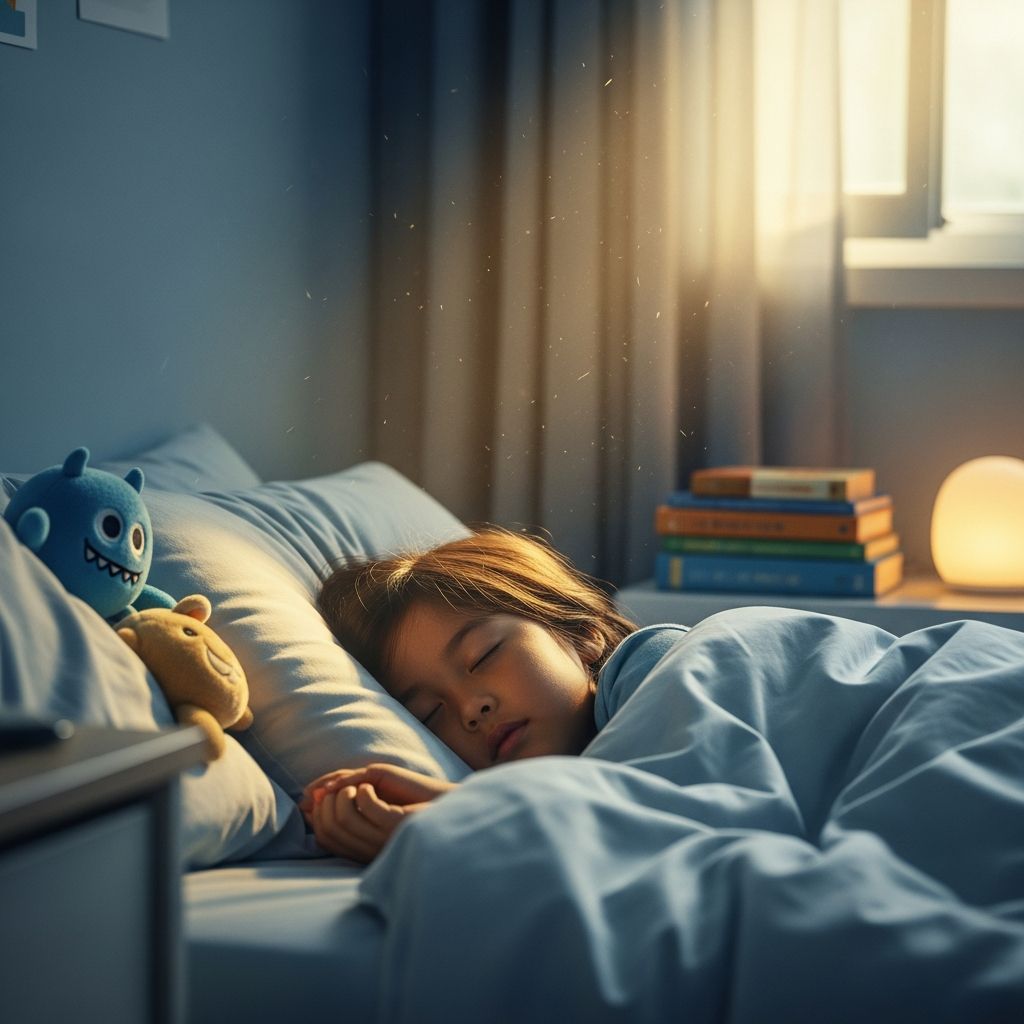
Sleep is a cornerstone of healthy child development, influencing everything from physical growth to emotional well-being. Children who get adequate rest show improved cognitive function, stronger immunity, and better behavior, making it a priority for parents.
The Science Behind Sleep in Growing Children
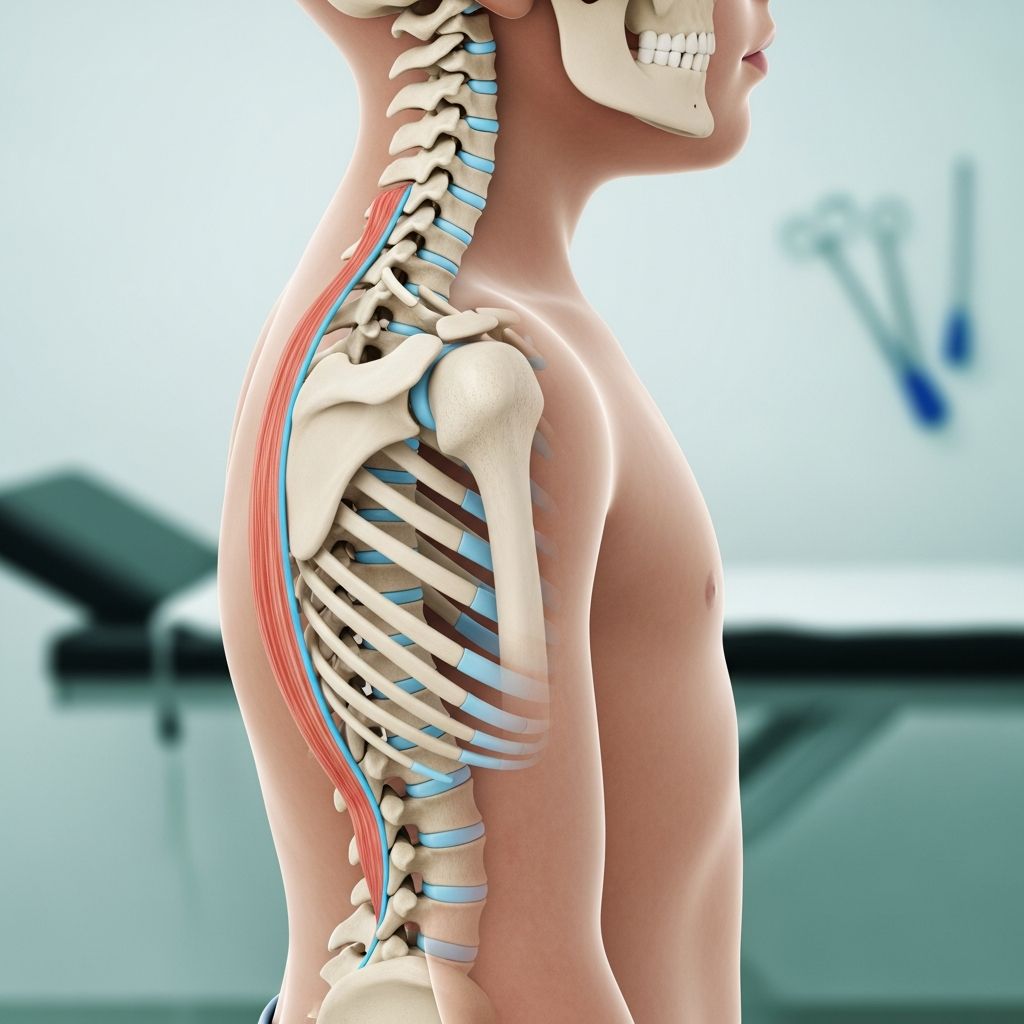
During sleep, particularly deep non-REM stages, the body releases growth hormones essential for physical development and repairs daily wear. The brain processes information learned during the day, consolidating memories and enhancing problem-solving skills. Research highlights that sleep directly affects alertness, attention, mood, and learning in young minds.
For infants and toddlers, naps play a critical role in motor skills and executive function. Sleep pressure builds faster in children due to their developing circadian rhythms, necessitating naps to supplement nighttime rest. Without this, children face hurdles in vocabulary building and emotional regulation.
Age-Appropriate Sleep Requirements
Every age group has unique sleep needs to support optimal development. Here’s a breakdown based on expert recommendations:
| Age Group | Recommended Sleep (Including Naps) |
|---|---|
| Infants (0-3 months) | 14-17 hours |
| Babies (4-11 months) | 12-16 hours |
| Toddlers (1-2 years) | 11-14 hours |
| Preschoolers (3-5 years) | 10-13 hours |
| School-age (6-13 years) | 9-12 hours |
| Teens (14-17 years) | 8-10 hours |
These guidelines from sources like the Sleep Foundation and CDC ensure children meet developmental milestones. Teens often fall short due to later school starts and screen time, exacerbating sleep deficits.
Key Benefits of Quality Sleep for Kids
Adequate sleep yields profound advantages across multiple domains:
- Boosted Immunity: Well-rested kids experience fewer illnesses as sleep strengthens the immune response.
- Enhanced Learning: Sleep aids memory consolidation, improving academic performance and creativity.
- Better Mood and Behavior: Rest reduces irritability, tantrums, and anxiety, fostering resilience.
- Physical Health Support: It regulates appetite, supports weight management, and promotes growth.
- Improved Focus and Decision-Making: Children solve problems more effectively and concentrate longer.
These benefits create a positive cycle: energetic kids engage more, tire appropriately, and sleep better.
Dangers of Sleep Deprivation in Children
Chronic lack of sleep poses serious risks. About 25% of children under five miss recommended sleep, leading to weakened immunity, higher infection rates, and long-term issues like obesity and diabetes.
Cognitively, sleep loss impairs attention, intelligence, and school performance. Frequent night wakings correlate with poorer mental development in toddlers. Behaviorally, deprived children may exhibit hyperactivity, aggression, or emotional outbursts, often misdiagnosed as ADHD or oppositional defiant disorder.
Physically, insufficient rest hinders growth hormone release and increases accident risks due to clumsiness and poor judgment. In teens, it heightens substance abuse and mental health vulnerabilities.
Building Healthy Sleep Habits: Practical Strategies
Parents can foster better sleep through consistent routines. Start with a fixed bedtime and wake-up schedule, even on weekends, to align circadian rhythms.
- Wind down with calming activities like reading or baths, avoiding screens at least an hour before bed due to blue light interference.
- Create a sleep-friendly environment: dark, cool, quiet room with comfortable bedding.
- Encourage daytime activity and natural light exposure to build healthy sleep pressure.
- Limit caffeine and heavy meals close to bedtime.
- For naps, keep them early and short to avoid night disruptions.
Positive pre-bedtime attention reassures children, reducing resistance. Consistency turns these into habits, improving overall family dynamics.
Common Sleep Challenges and Solutions
Many families face hurdles like bedtime resistance or night wakings. Toddlers may fight naps, while school kids juggle homework and activities. Address by prioritizing sleep over extra commitments.
| Challenge | Solution |
|---|---|
| Bedtime battles | Consistent routine with choices like picking pajamas. |
| Night wakings | Comfort without play; gradual independence training. |
| Screen addiction | Device curfew; replace with family time. |
| Weekend catch-up | Maintain schedule to prevent Monday grogginess. |
Monitor for disorders like sleep apnea if snoring or gasping occurs, consulting pediatricians.
Role of Schools and Society in Child Sleep
Early school starts contribute to teen sleep debt; advocacy for later times shows promise. Busy schedules filled with extracurriculars crowd out rest, yet sleep is foundational for success parents chase.
Educate families on sleep’s non-negotiable role. Communities promoting balanced lifestyles support healthier kids.
Frequently Asked Questions (FAQs)
What if my child doesn’t seem tired despite little sleep?
Children often mask fatigue with hyperactivity or irritability rather than yawning. Watch for mood swings or focus issues.
Are naps still needed for older kids?
Yes for preschoolers; older children may not need them but benefit from quiet time if overtired.
How does diet affect sleep?
Sugary foods and caffeine disrupt rest; balanced meals promote steady energy.
Can too much sleep harm kids?
Oversleeping signals issues like depression; stick to age guidelines.
What’s the impact of co-sleeping?
It can fragment sleep; safe independent sleeping fosters better patterns.
Empowering Your Child Through Rest
Prioritizing sleep equips children for life’s demands. Well-rested kids thrive academically, socially, and physically, proving rest is active preparation for success.
Implement changes gradually, tracking improvements in energy and attitude. Your investment yields a happier, healthier family.
References
- Children and Sleep — Sleep Foundation. 2023. https://www.sleepfoundation.org/children-and-sleep
- Why is sleep so important? — Texas Children’s Hospital. 2023. https://www.texaschildrens.org/content/wellness/why-sleep-so-important
- The Importance of Good Sleep for Kids — Le Bonheur Children’s Hospital. 2023. https://www.lebonheur.org/blogs/practical-parenting/the-importance-of-good-sleep-for-kids
- A Child’s Need for Sleep — Harvard Medical School. 2023. https://magazine.hms.harvard.edu/articles/childs-need-sleep
- Sleep: An essential element of success for children — Mayo Clinic Health System. 2023. https://www.mayoclinichealthsystem.org/hometown-health/speaking-of-health/sleep-an-essential-element-of-success-for-children
- What Sleep Is and Why All Kids Need It — KidsHealth. 2023. https://kidshealth.org/en/kids/not-tired.html
- Childhood sleep: physical, cognitive, and behavioral consequences — PMC (NCBI). 2022-11-01. https://pmc.ncbi.nlm.nih.gov/articles/PMC9685105/