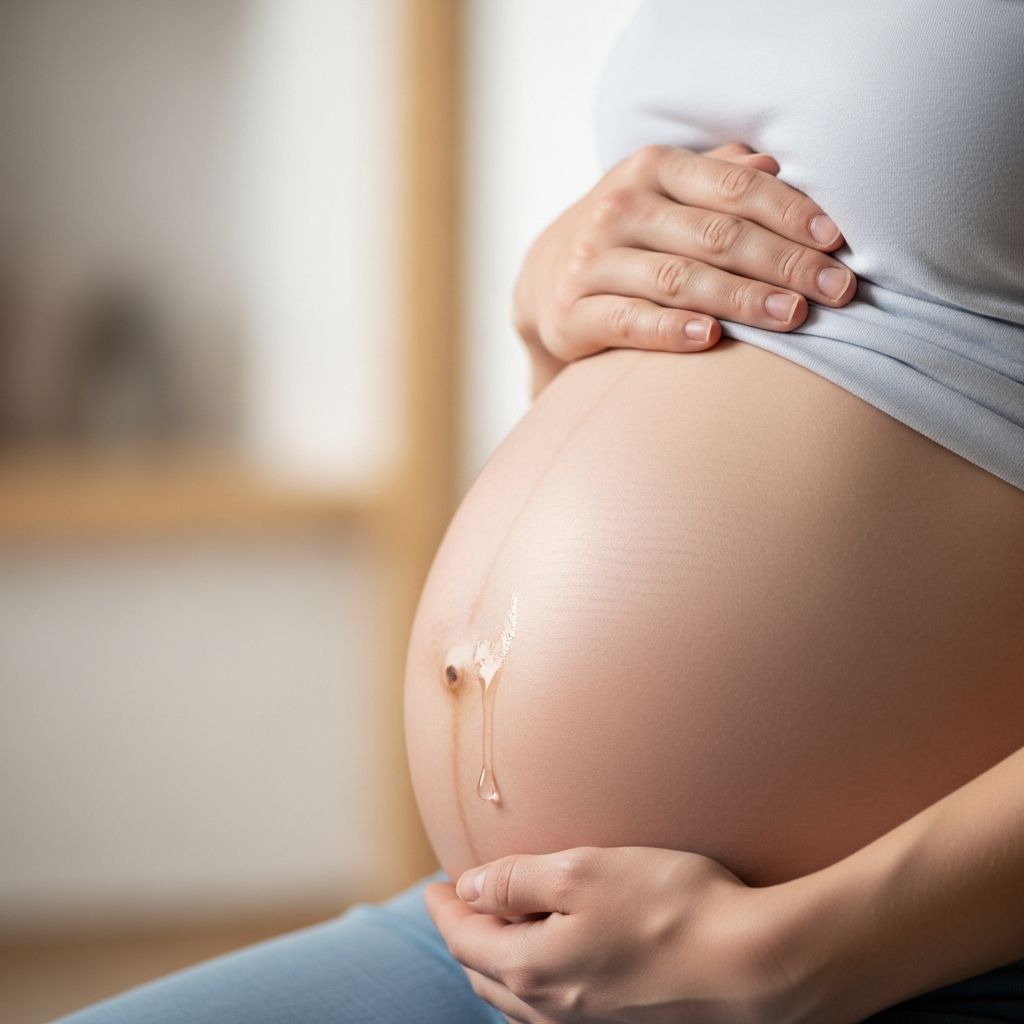
Your pregnancy journey reaches an exciting phase at 26 weeks, marking the transition toward more vigorous fetal activity and noticeable physical adaptations in your body. This period emphasizes balanced nutrition, movement tracking, and awareness of normal versus concerning signs.
Fetal Development Highlights at 26 Weeks
By this stage, your baby measures roughly 13-14 inches from head to heel and weighs approximately 1.7-1.9 pounds, comparable to a scallop or small cucumber in size. Rapid growth continues, with key advancements in sensory and organ systems preparing for viability outside the womb.
- Sensory Awakening: Eyes begin opening periodically, allowing responses to light and dark patterns. Initial tracking movements emerge, though full vision develops later.
- Lung and Breathing Practice: Increased respiratory motions help mature lung tissue. Hiccups, felt as rhythmic belly pulses, aid in fluid management and lung expansion.
- Body Composition Shifts: Fat layers accumulate under the skin, smoothing wrinkles and enabling temperature control post-birth. Features like eyebrows and eyelashes form distinctly.
- Movement Patterns: Kicks, stretches, and rolls become more coordinated. Babies react to voices, sounds, and external pokes, fostering early bonding opportunities.
- Immune Building: Antibodies transfer from maternal blood, bolstering defenses against infections.
These milestones indicate robust progress; daily kick counts—aiming for 10 movements in two hours—help monitor well-being.
Maternal Physical Transformations
Your body accommodates this growth with expanded uterine height, often 26 cm above the pubic bone, aligning with gestational age. Total weight gain averages 16-22 pounds for singletons, doubling for twins.
| Symptom | Description | Prevalence |
|---|---|---|
| Growing Abdomen | Uterus rises 2-3 inches above navel; skin stretches, causing itchiness or tightness. | Very common |
| Swelling (Edema) | Fluid retention in ankles, feet, hands; worsens with heat or standing. | Common |
| Braxton Hicks | Irregular, painless tightenings preparing uterine muscles. | Increasingly frequent |
| Posture Shifts | Center of gravity changes lead to back strain, waddling gait. | Typical |
These changes reflect efficient placental function and blood volume increases supporting fetal needs.
Common Discomforts and Relief Strategies
Sleep Disruptions
Nighttime restlessness arises from frequent urination, fetal activity, and discomfort in standard positions. Strategies include side-sleeping with pillows for lumbar and knee support, limiting caffeine, and establishing wind-down routines.
Digestive Challenges
Heartburn and constipation intensify as the uterus compresses intestines. Opt for smaller, frequent meals rich in fiber (fruits, vegetables, whole grains), stay hydrated, and elevate your head during rest.
Leg Cramps and Restless Legs
Sudden calf spasms, often nocturnal, stem from circulation shifts and mineral imbalances. Stretch by flexing toes upward, massage affected areas, and incorporate magnesium-rich foods like nuts or bananas. Persistent restless legs may signal iron needs—discuss with your provider.
Headaches and Cognitive Fog
Hormonal surges, dehydration, or fatigue contribute. Maintain hydration, balanced snacks, and stress reduction via prenatal yoga. Severe or vision-altering headaches warrant immediate evaluation for preeclampsia risks.
Coordination and Balance Issues
Forward weight distribution and ligament loosening heighten clumsiness. Wear supportive shoes, use handrails, and practice gentle strengthening exercises to stabilize the core and pelvis.
Proactive measures enhance comfort: maternity belts for belly support, moisturizers for itchy skin, and cool compresses for swelling.
Nutrition and Lifestyle Recommendations
Prioritize a nutrient-dense diet fueling both you and baby. Key focuses include:
- Iron and Protein: Combat fatigue with lean meats, eggs, leafy greens (300-400 mg daily).
- Calcium and Vitamin D: Dairy, fortified alternatives for bone growth (1,000 mg calcium).
- Omega-3s: Fatty fish or supplements for brain development.
- Hydration: 10-12 glasses water daily to ease swelling and digestion.
Moderate exercise—30 minutes walking or swimming most days—boosts mood, circulation, and labor readiness. Avoid high-impact activities.
Prenatal Checkups and Warning Signs
At 26 weeks, expect fundal height measurements, fetal heart tones, and possibly glucose screening prep. Discuss anatomy scan results if recent.
Seek Immediate Care If:
- Decreased fetal movement.
- Sudden/persistent swelling, headaches, vision changes (preeclampsia indicators).
- Regular, painful contractions (preterm labor).
- Vaginal bleeding, fluid leakage, or severe pain.
Viability improves significantly here; babies born at 26 weeks have advancing survival rates with NICU support.
Emotional Well-Being and Partner Involvement
The third trimester onset brings mixed emotions—excitement mingled with anxiety. Journaling, prenatal classes, or support groups foster positivity. Encourage partner participation in belly talks, enhancing baby’s familiarity with voices.
Practical Preparations Moving Forward
Stock comfort items: loose clothing, supportive bras. Research childbirth education. Track weight weekly, aiming for 0.5-1 pound gain.
Frequently Asked Questions
How much should I have gained by 26 weeks?
Typically 16-22 pounds for single pregnancies; consult your provider for personalized goals.
Are baby hiccups normal?
Yes, frequent at this stage; they support lung maturation via amniotic fluid practice.
When do Braxton Hicks become concerning?
If painful, regular (every 5-10 minutes), or with bleeding—contact your doctor promptly.
Can I alleviate leg cramps effectively?
Stretching, hydration, and electrolytes help; persistent cases may need medical review.
Is swelling dangerous?
Mild is normal, but sudden facial/hand swelling with hypertension signals preeclampsia—monitor closely.
How often should I feel baby move?
At least 10 movements in 2 hours during active periods; report reductions.
References
- 26 Weeks Pregnant: Signs, Symptoms and What to Expect — Perelel Health. 2023. https://perelelhealth.com/blogs/news/26-weeks-pregnant-signs-symptoms-and-what-to-expect
- 26 Weeks Pregnant: Baby Development, Symptoms and Tips — The Bump. 2024. https://www.thebump.com/pregnancy-week-by-week/26-weeks-pregnant
- 26 Weeks pregnant: Symptoms, baby development & tips — Natural Cycles. 2024. https://www.naturalcycles.com/cyclematters/26-weeks-pregnant
- 26 weeks pregnant: baby’s development, leg cramps and exercise — Tommy’s. 2024. https://www.tommys.org/pregnancy-information/im-pregnant/pregnancy-week-by-week/26-weeks-pregnant
- Second Trimester: Weeks 25 to 27 — Kaiser Permanente. 2024. https://healthy.kaiserpermanente.org/health-wellness/maternity/second-trimester/weeks-25-27