At 23 weeks pregnant, you are well into the second trimester and likely feeling your baby’s movements more clearly. This stage brings exciting developments for your baby and noticeable changes for you, along with new questions about what is normal and how to stay healthy.
How Your Baby Is Growing Right Now
By week 23, your baby looks much more like a newborn in miniature, with developing facial features, limbs, and a growing body. Bones, muscles, and major organs are continuing to mature, and your baby is becoming more active and responsive to the world inside the womb.
- Your baby’s body is gaining muscle strength, so kicks, stretches, and twists are usually getting stronger.
- The skin is still thin and somewhat translucent but is gradually smoothing out as more fat begins to form under the surface.
- Unique ridges on the hands and feet are forming the basis for fingerprints and footprints.
- Structures in the ears are more developed, which helps your baby sense sound and movement.
- The lungs are practicing for future breathing, even though they are not yet ready for life outside the uterus.
At this point in pregnancy, your baby is also spending more time in regular sleep and wake cycles, which you may start to notice as patterns in movement throughout the day.
Your Changing Body at 23 Weeks
As your baby grows, your uterus expands upward and outward, changing your center of gravity and affecting many parts of your body. You are likely showing a distinct bump, and everyday activities may feel slightly different from a few weeks ago.
- Your abdomen is more prominent, and clothing that once felt loose may now feel snug.
- You may notice a dark vertical line (linea nigra) forming on your belly and changes in skin tone in certain areas of your body.
- Breasts may continue to increase in size, and some people see small veins or feel tenderness.
- Weight gain varies by person and pregnancy, but your health care provider will usually track it at each visit to help support your and your baby’s health.
Because your body is working harder, fatigue can still appear, even during this generally more energetic trimester. Listening to your body and pacing your activities becomes increasingly important.
Common Symptoms Around Week 23
Many symptoms in the middle of the second trimester are related to your growing uterus, hormonal shifts, and increased blood volume. Not everyone will experience all of these, but most people notice at least a few of the following changes.
Physical Sensations You Might Notice
- More noticeable baby movements: Flutters often become clear kicks, rolls, or stretches, especially when you are resting.
- Backache or pelvic pressure: The extra weight and shifting posture can strain the lower back and hips.
- Leg cramps: Sudden tightness, often at night, is common and may be related to circulation, muscle fatigue, or mineral balance.
- Heartburn and indigestion: Hormones relax the muscles in your digestive system, and the growing uterus pushes upward on the stomach.
- Constipation: Slower digestion and iron supplements can make bowel movements less frequent.
- Swelling in feet or ankles: Mild swelling later in the day can occur as your body holds more fluid.
Emotional and Mental Changes
- Anticipation and excitement may increase as movements make the pregnancy feel more real.
- Some people experience mood swings or anxiety, often related to sleep changes, physical discomfort, or future planning.
- Thoughts about birth, parenting, and practical preparations may become more frequent.
If emotional changes feel overwhelming or interfere with daily life, it is helpful to speak with your health care provider about additional support.
Healthy Habits to Support You and Your Baby
Simple daily habits can make a noticeable difference in how you feel and can also support your baby’s development. Focusing on nutrition, movement, rest, and emotional well-being can help you navigate this stage more comfortably.
Nutrition and Hydration Tips
- Choose a variety of fruits, vegetables, whole grains, lean proteins, and healthy fats to provide a broad range of nutrients.
- Continue taking prenatal vitamins as recommended by your health care provider.
- Drink enough water throughout the day to support blood volume, digestion, and amniotic fluid levels.
- Eat smaller, more frequent meals if large meals cause discomfort or heartburn.
- Limit heavily processed foods and sugary drinks, which can cause energy spikes and crashes.
Movement and Exercise
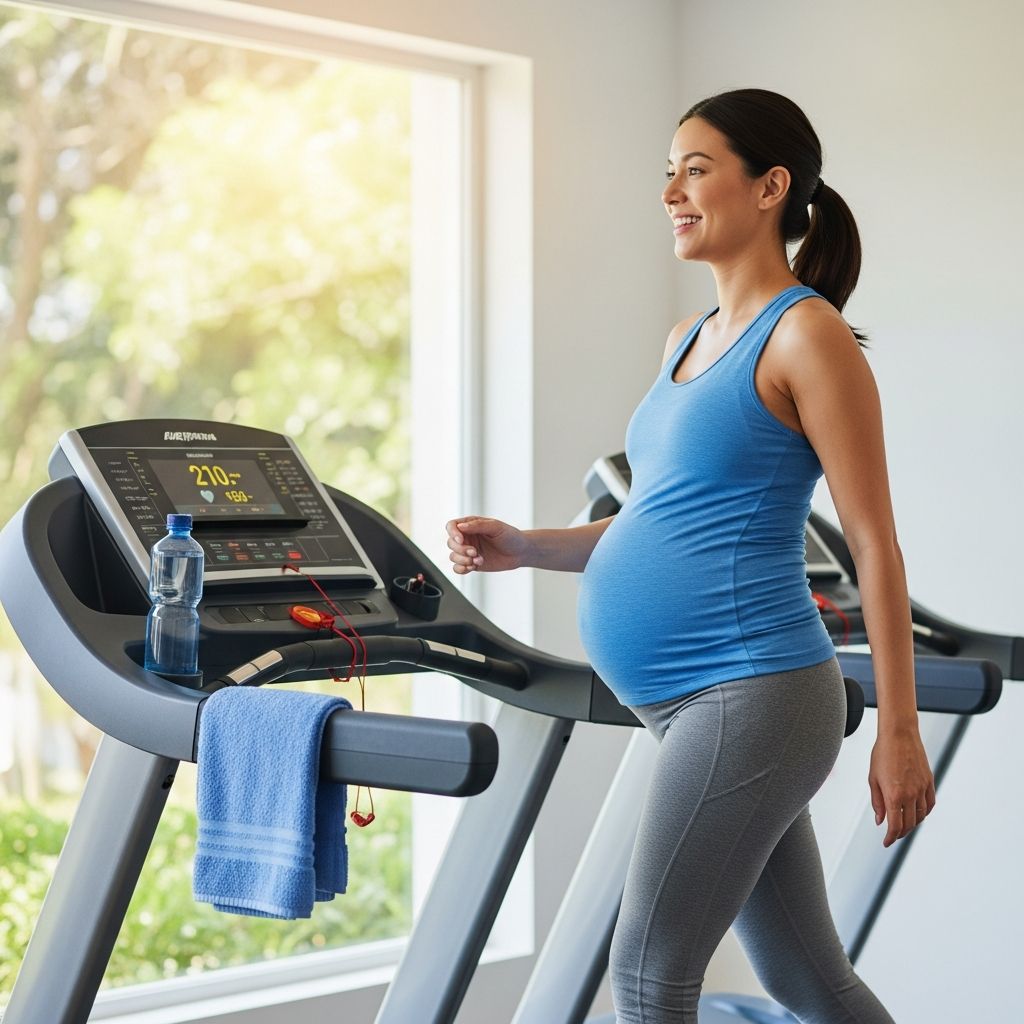
Unless your health care provider has recommended restrictions, moderate activity is usually encouraged in the second trimester.
- Low-impact options such as walking, swimming, and prenatal yoga can support circulation and reduce stiffness.
- Gentle stretching may help with backache and leg cramps.
- Pelvic floor exercises can strengthen muscles used during pregnancy, birth, and postpartum recovery.
- Always stop activity if you feel dizzy, short of breath, or experience pain or unusual symptoms.
Sleep and Comfort Strategies
- Side sleeping, especially on the left side, is often recommended to support blood flow.
- Pillows between the knees, under the belly, or behind the back can make sleep positions more comfortable.
- Establishing a calming pre-sleep routine, such as reading or taking a warm (not hot) shower, may improve rest.
Medical Appointments and Monitoring
Regular prenatal visits remain important around week 23. These appointments allow your provider to monitor your baby’s growth and your health and to address any questions you may have about symptoms or lifestyle.
- Your provider will usually check your blood pressure, weight, and sometimes measure the height of your uterus.
- Questions about your mood, sleep, pain, or daily activities help guide tailored advice.
- Depending on your situation, your provider may discuss upcoming tests, such as screening for gestational diabetes in the next few weeks.
Use these visits to bring up any new or concerning changes, even if they seem small. Clear communication helps you and your provider work together effectively.
Warning Signs You Should Not Ignore
Most pregnancies at 23 weeks progress without serious problems, but it is essential to know which symptoms require prompt medical attention. If you are unsure whether something is urgent, contacting your health care provider is always a safe choice.
Symptoms That Need Immediate Evaluation
- Vaginal bleeding, especially if it is more than light spotting.
- A sudden gush or continuous leaking of fluid from the vagina, which may indicate that the amniotic sac has ruptured.
- Severe abdominal pain, strong cramps, or a persistent tightening pattern that feels different from occasional mild tightening.
- Strong, sharp pain in the upper abdomen, chest pain, or difficulty breathing.
- Severe or sudden swelling of the face, hands, or around the eyes, especially combined with a headache or vision changes.
- Fever, chills, or signs of infection such as painful urination or foul-smelling vaginal discharge.
- Noticeably decreased or absent fetal movement after you have been feeling regular movement for some time.
Emergency services or immediate evaluation may be needed if these symptoms appear. Trust your instincts and seek help quickly if something feels seriously wrong.
Planning Ahead for the Third Trimester
Although the third trimester is still a few weeks away, week 23 is a good time to start preparing for the next stage of pregnancy. Gradual planning helps reduce stress and allows you to make thoughtful choices.
Practical Preparations
- Begin thinking about birth preferences, such as pain management options, support people, and where you plan to deliver.
- Consider signing up for childbirth or newborn care classes offered through hospitals, clinics, or community centers.
- Review work leave policies, childcare plans, and any family or community support you can rely on after birth.
- Start a simple list of items you will eventually need for your baby, focusing first on essentials like a safe sleep space, diapers, and basic clothing.
Emotional and Relationship Planning
- Talk regularly with your partner or support network about expectations, responsibilities, and worries.
- Share how pregnancy changes are affecting you physically and emotionally.
- Consider setting aside time each week for relaxation or activities that help you feel grounded and supported.
Quick Reference: Week 23 Overview
The table below provides a brief snapshot of what is typical at this point in pregnancy. Individual experiences can vary, but this summary can help you see common patterns at a glance.
| Aspect | What Often Happens at 23 Weeks |
|---|---|
| Baby’s development | Baby is more active, gaining muscle and fat, with developing fingerprints, facial features, and maturing organs. |
| Maternal body changes | Growing bump, breast changes, skin changes, and a shift in posture due to the expanding uterus. |
| Common symptoms | Backache, leg cramps, heartburn, constipation, mild swelling, and frequent baby movements. |
| Health focus | Balanced nutrition, regular moderate exercise, adequate rest, and attending prenatal appointments. |
| Planning tasks | Thinking ahead about birth preferences, classes, postpartum support, and basic baby supplies. |
Frequently Asked Questions About Week 23
Should I feel the baby move every day at 23 weeks?
Many people feel daily movement by week 23, but patterns can still be irregular, and some first-time pregnancies feel movements later. The position of the placenta and the baby can also affect how strongly movements are felt. If you have been feeling your baby move regularly and notice a clear decrease or no movement over time, contact your health care provider.
Is it normal to have back pain at this stage?
Backache is very common in the second half of pregnancy because your belly is heavier and your posture changes. Comfortable footwear, gentle stretching, proper lifting techniques, and supportive pillows can help. If back pain is severe, sudden, or accompanied by other symptoms, speak with your provider to rule out other causes.
Can I still exercise at 23 weeks pregnant?
Most people without pregnancy complications can continue or begin moderate activity, such as walking or swimming, with their provider’s approval. It is important to avoid activities with a high risk of falling, heavy impact, or contact. Stop any exercise that causes pain, dizziness, or unusual shortness of breath.
What helps with heartburn during this week?
Heartburn often improves when you eat smaller meals, avoid lying down soon after eating, and limit very spicy or greasy foods. Drinking fluids between rather than during meals may also help. If over-the-counter remedies are needed, ask your provider which options are safe during pregnancy.
When should I be concerned about swelling?
Mild swelling in the feet and ankles later in the day is common as pregnancy progresses. However, sudden or severe swelling of the face, hands, or around the eyes, especially when combined with headache, vision changes, or pain in the upper abdomen, requires prompt medical attention.
Is it too early to think about labor and birth?
Week 23 is not too early to start learning about labor and birth options, even though they are still months away. Early planning gives you time to explore different approaches, ask your provider questions, and make choices that suit your values and circumstances. Keeping plans flexible is wise, since actual labor can unfold in many ways.
Every pregnancy is unique, and experiences at 23 weeks can vary from person to person. Staying informed, paying attention to your body, and maintaining open communication with your health care provider can help you approach this stage with confidence and calm.