Recent recalls of infant formula and baby foods highlight the critical need for parents to stay vigilant about product safety. In 2026, issues ranging from bacterial contamination to mold toxins have prompted widespread actions by manufacturers and regulators, affecting products sold nationwide.
Understanding Why Baby Food Recalls Happen
Baby food recalls occur when products fail to meet stringent safety standards, often due to contamination, manufacturing defects, or improper labeling. Infants’ developing immune systems make them particularly vulnerable to even trace amounts of harmful substances. Common triggers include bacterial pathogens like Clostridium botulinum, which causes botulism, and toxins such as patulin from mold growth in fruits. Regulatory bodies like the FDA conduct routine testing and respond to outbreak reports to initiate recalls swiftly.
These events underscore the importance of supply chain oversight. For instance, environmental factors during production or storage can introduce risks, emphasizing why ongoing monitoring is essential for brands targeting young children.
Major Infant Formula Recall: ByHeart Whole Nutrition
The most significant recall in early 2026 involves all lots of ByHeart Whole Nutrition Infant Formula, including cans and single-serve ‘anywhere pack’ sticks. Triggered by an outbreak of infant botulism, this action affects a small market share—about 1% of U.S. infant formula—but demands immediate attention from users.
Symptoms of infant botulism include constipation, weak cry, poor feeding, droopy eyelids, and floppy muscle tone, which can progress rapidly in newborns under one year. The FDA linked cases to specific lots initially (206VABP/251261P2 and 206VABP/251131P2), expanding to all products after epidemiological evidence. ByHeart voluntarily recalled following FDA recommendations, with additional testing ongoing by federal and state partners.
- Distribution: Nationwide, available online and in major retailers.
- Status: Recalled products persist on shelves at chains like Walmart, Target, Kroger, despite warning letters issued December 12, 2025, to four retailers.
- FDA Actions: Press release on December 15, 2025, reinforcing legal recall duties; collaboration with states for removal.
Parents should discard any ByHeart products immediately, as no shortages are anticipated due to the brand’s limited distribution.
Tippy Toes Fruit Puree: Patulin Toxin Alert
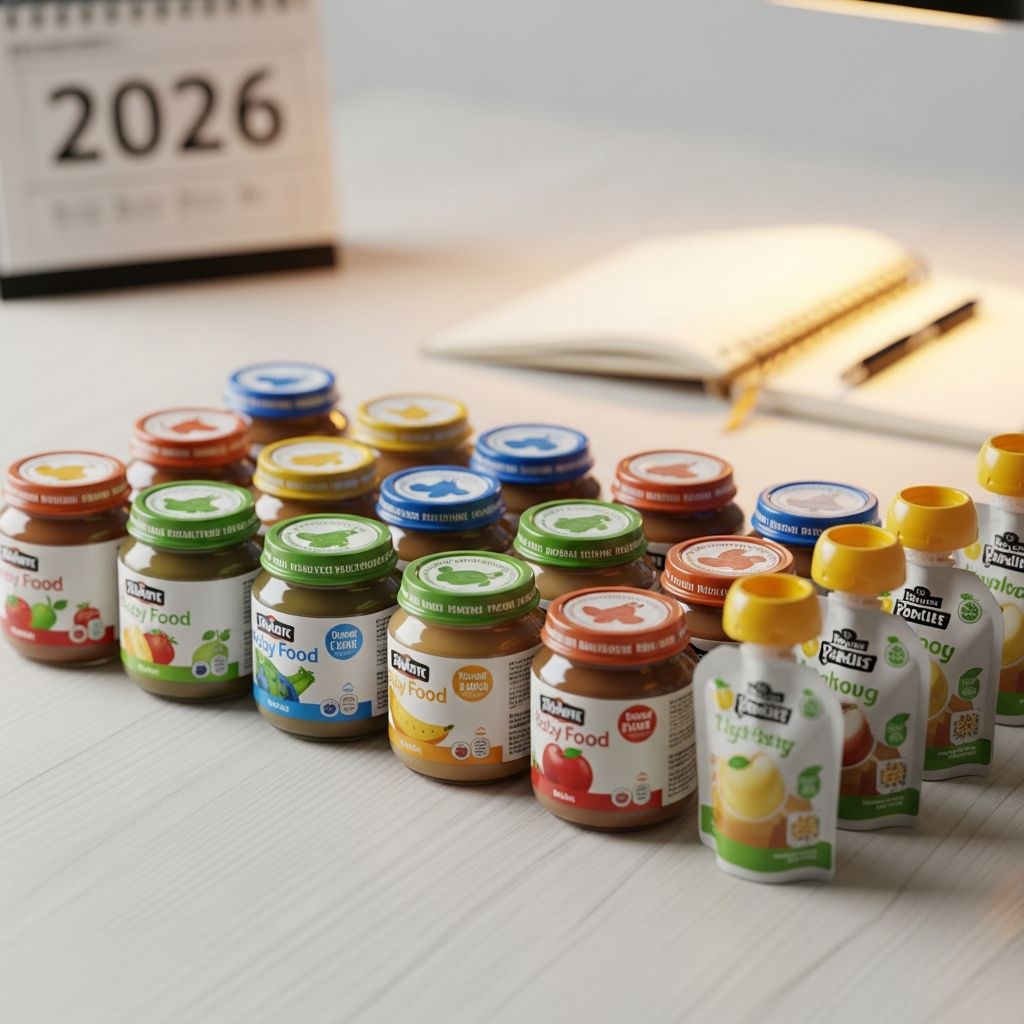
Initiative Foods recalled one lot of Tippy Toes Apple Pear Banana Fruit Puree after FDA testing detected elevated patulin levels. This mycotoxin, produced by molds like Penicillium in decaying apples, poses risks with prolonged exposure, potentially causing immune suppression, nausea, headaches, nerve damage, and fever.
No illnesses have been confirmed, but the recall spans nearly every U.S. state (except Alaska), plus Puerto Rico and Guam. The affected 2-pack plastic tubs bear UPC 036800 265783, lot 07174, Best By July 17, 2026, and code INIA0120.
| Product Detail | Identifier | Action |
|---|---|---|
| Tippy Toes Apple Pear Banana Puree | BB 07/17/2026 / INIA0120 / Lot 07174 | Discard or return for refund |
| Packaging | 2-pack tubs, UPC 036800 265783 | Check pantry immediately |
Initiative Foods prioritizes consumer safety, urging retailers to pull inventory. Contact 1-855-215-5730 for details; consult a doctor if exposure concerns arise.
Gerber Arrowroot Biscuits: Foreign Material Risk
Several batches of Gerber Arrowroot Biscuits, sold August 2025 to January 2026, were recalled due to potential plastic or paper pieces. While no injuries occurred, such contaminants could pose choking hazards or injury to infants.
Parents must verify lot numbers against the FDA list and return opened or unopened packages for refunds. This recall highlights vigilance for solid baby foods transitioning from purees.
Steps Every Parent Should Take During a Recall
Responding promptly minimizes risks. Follow this checklist:
- Check Labels: Examine lot codes, Best By dates, and UPCs on all baby food items.
- Use Official Trackers: Monitor FDA’s recall page, FoodSafety.gov, and CPSC for updates.
- Stop Use Immediately: Discard suspect products; do not feed to baby.
- Seek Refunds: Return to purchase point or follow manufacturer instructions.
- Monitor Health: Watch for symptoms like vomiting, lethargy, or breathing issues; contact pediatrician or poison control.
- Report Issues: Notify FDA via their portal if you encounter recalled items.
For formula shortages, WIC programs and alternatives like FDA-accessible options ensure supply continuity.
Preventing Future Exposures: Smart Shopping Tips
Proactive habits reduce recall impacts:
- Buy from reputable retailers with quick recall compliance.
- Opt for smaller quantities to limit waste.
- Store products properly: cool, dry places prevent mold.
- Choose brands with transparent testing and third-party certifications.
- Follow age-appropriate feeding guidelines from AAP.
Homemade purees offer control but require hygiene rigor to avoid home-based contamination.
The Role of Regulators in Protecting Infants
The FDA leads investigations, issuing warnings and enforcing recalls under the Federal Food, Drug, and Cosmetic Act. Collaborations with CDC, states, and companies like ByHeart expedite responses. Recent actions, including retailer warnings, demonstrate commitment to shelf clearance.
CPSC handles non-food baby items, like self-feeding pillows recalled January 2026 for suffocation risks, showing broad safety oversight.
Frequently Asked Questions (FAQs)
What should I do if I have recalled ByHeart formula?
Do not use it. Discard all cans and packs immediately. No feeding to infants, as botulism risks are severe.
Is the Tippy Toes puree safe if past the Best By date?
No—any affected lot poses patulin risk regardless. Dispose fully.
How do I find all current baby food recalls?
Visit FDA’s recalls page, FoodSafety.gov, or sign up for alerts.
Will recalls cause baby food shortages?
Unlikely for ByHeart (1% market); alternatives abound.
What are patulin toxin’s long-term effects?
Potential immune and nerve issues with chronic exposure; acute symptoms include nausea.
Can I get a refund for opened products?
Yes, most retailers accept returns even if opened.
Empowering Parents for Infant Nutrition Safety
Staying informed empowers you to safeguard your baby’s health amid evolving recalls. Regularly check sources, respond decisively, and advocate for stronger standards. Your vigilance ensures the purest start.
References
- Outbreak Investigation of Infant Botulism: Infant Formula – November 2025 — U.S. Food and Drug Administration (FDA). 2025-12-15. https://www.fda.gov/food/outbreaks-foodborne-illness/outbreak-investigation-infant-botulism-infant-formula-november-2025
- Baby Food Sold Across The U.S. Recalled Over Potential Toxin Risk — Delish (citing FDA). 2026-01 (approx.). https://www.delish.com/food-news/a70366796/baby-food-recall-tippy-toes-puree-patulin-risk/
- Baby food recalled nationwide after dangerous toxin found in federal testing — Fox Business (citing FDA). 2026-01 (approx.). https://www.foxbusiness.com/markets/baby-food-recalled-nationwide-after-dangerous-toxin-found-federal-testing-raises-health-concerns
- Baby Product Recalls Parents Should Know About in 2026 — Consumer Reports (citing FDA/CPSC). 2026-01-26. https://www.consumerreports.org/babies-kids/baby-product-recalls/baby-product-recalls-parents-caregivers-should-be-aware-of-a5859124070/
- Recalls, Market Withdrawals, & Safety Alerts — U.S. Food and Drug Administration (FDA). Ongoing 2026. https://www.fda.gov/safety/recalls-market-withdrawals-safety-alerts
- Recalls & Product Safety Warnings — U.S. Consumer Product Safety Commission (CPSC). Ongoing 2026. https://www.cpsc.gov/Recalls
- Recalls and Outbreaks — FoodSafety.gov (USDA/FDA). Ongoing 2026. https://www.foodsafety.gov/recalls-and-outbreaks