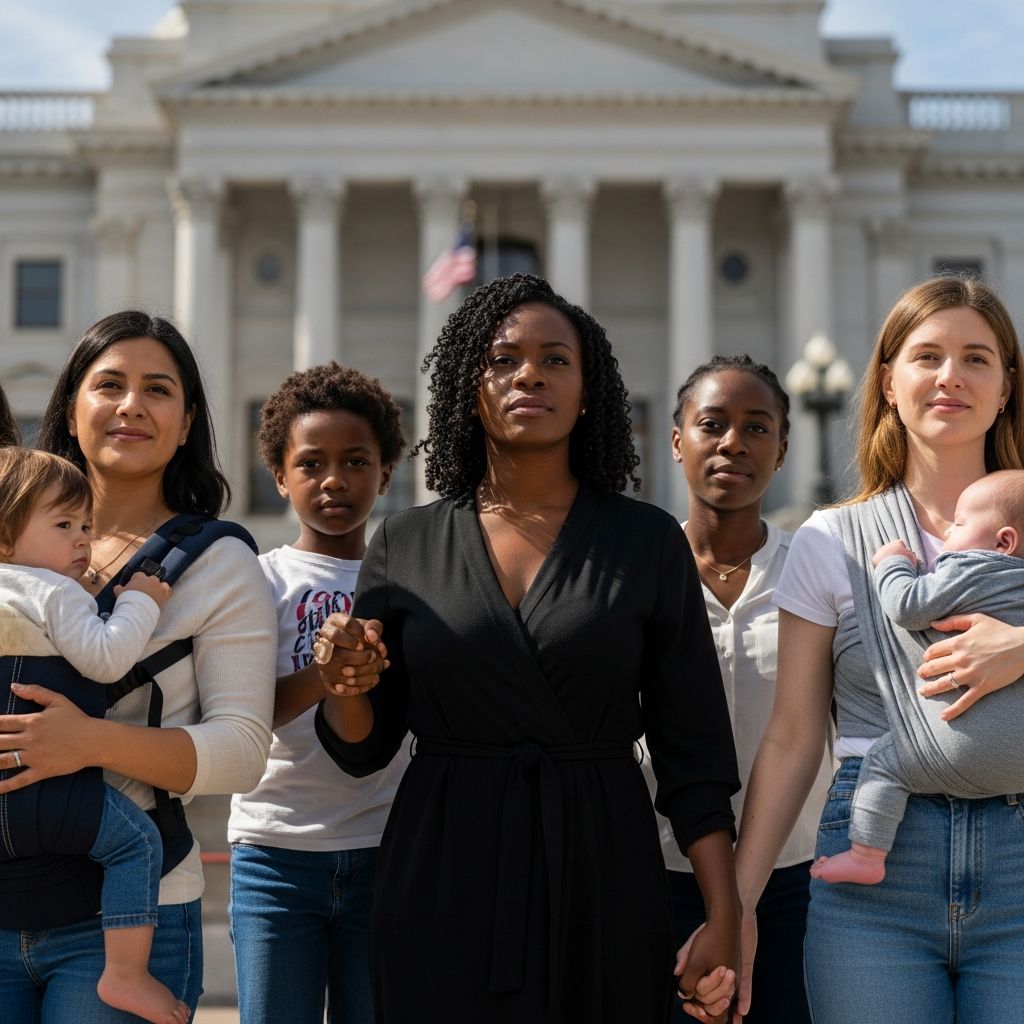
In the high-stakes arena of U.S. presidential politics, family issues—particularly those affecting mothers—have emerged as pivotal battlegrounds. With women juggling careers, childcare, and household responsibilities, candidates are increasingly tailoring their platforms to resonate with this demographic. This exploration delves into how major 2024 contenders are positioning themselves on critical maternal concerns, drawing from their public statements, policy proposals, and historical precedents of women in leadership.
The Evolving Role of Mothers in American Society
Motherhood today demands more than ever before. Working mothers constitute nearly 75% of the female workforce, facing barriers like inadequate childcare options and limited paid leave. Economic pressures exacerbate these issues, with childcare costs averaging over $10,000 annually per child in many states. Presidential hopefuls recognize this reality, weaving maternal support into their visions for national progress.
Historically, the push for family-friendly policies has gained traction during election cycles. From the women’s suffrage era to modern milestones, progress has been incremental. Notably, Vice President Kamala Harris marked history in 2024 as the Democratic nominee, the first woman, Black woman, and South Asian American to achieve this feat after President Biden’s endorsement. Her candidacy underscores the intersection of gender, race, and family advocacy.
Key Maternal Challenges Demanding Policy Action
- Affordable Childcare: Many families spend up to 20% of income on daycare, straining budgets and workforce participation.
- Paid Family Leave: The U.S. lags behind most developed nations, lacking a federal standard, leading to financial hardship post-birth.
- Maternal Health Disparities: Black mothers face mortality rates three times higher than white mothers, highlighting equity gaps.
- Work-Life Balance: Remote work trends post-pandemic offer flexibility but often without systemic support.
- Mental Health Support: Postpartum depression affects 1 in 7 mothers, yet resources remain scarce.
These challenges form the backdrop against which candidates craft their messages, aiming to appeal to the ‘mom vote’ that influences swing states.
Democratic Visions: Prioritizing Family Security
Democratic frontrunners emphasize expansive government intervention to bolster maternal welfare. Kamala Harris, building on Biden-era initiatives, advocates for universal pre-K and expanded Child Tax Credits. Her platform promises a national paid leave program covering 12 weeks at full pay, funded through progressive taxation. Harris often shares personal anecdotes of balancing her prosecutorial career with stepmotherhood, framing policy as lived experience.
Other Democrats echo this, pushing for subsidized childcare capped at 7% of family income. They cite data showing that every dollar invested in early education yields $7-$13 in societal returns via reduced crime and higher earnings. Mental health integration into pediatric care is another pillar, with proposals for doula reimbursements to support diverse birthing experiences.
Republican Strategies: Empowering Through Opportunity
On the Republican side, candidates like Donald Trump focus on economic growth to indirectly aid families. Trump highlights tax cuts for child-related expenses and school choice vouchers enabling parental control over education. His 2024 agenda includes expanding maternity deductions and promoting flexible work via deregulation, arguing that booming job markets naturally ease family burdens.
Emerging GOP voices advocate ‘family-first’ incentives, such as baby bonuses—direct payments upon birth—and opposition to policies perceived as eroding traditional values. They emphasize border security and inflation control as foundational to family stability, with maternal health framed through state-level innovations rather than federal overreach.
Comparative Analysis of Candidate Proposals
| Issue | Democratic Approach | Republican Approach |
|---|---|---|
| Paid Leave | 12 weeks federal, fully paid | Tax credits, employer incentives |
| Childcare | Universal pre-K, subsidies | Vouchers, market competition |
| Maternal Health | Equity grants, doula coverage | State reforms, telehealth expansion |
| Tax Relief | Expanded Child Tax Credit | Broader family deductions |
This table illustrates stark contrasts: Democrats favor direct federal aid, while Republicans prioritize incentives and local control. Both camps claim to champion mothers, but methodologies diverge sharply.
Historical Milestones: Women Shaping Presidential Legacy
The path to maternal-focused politics traces back decades. In 1872, Victoria Woodhull became the first woman to run for president, advocating radical reforms including free love and labor rights. Fast-forward to 2016, Hillary Clinton’s candidacy spotlighted glass ceilings, with pledges for paid leave that influenced subsequent discourse.
2024’s Harris-Trump matchup continues this legacy, with Harris’s nomination certified by the Democratic National Committee on August 6, 2024. Such milestones not only inspire but pressure all candidates to address gender-specific issues substantively.
Grassroots Movements Amplifying Maternal Voices
Beyond candidates, organizations like MomsRising and Paid Leave for the U.S. mobilize voters. Petitions for comprehensive leave have garnered millions of signatures, influencing platforms. Social media campaigns, such as #MomVote, trend during primaries, holding politicians accountable.
Mothers’ testimonials—shared in town halls and op-eds—humanize data. One viral story of a single mom bankrupted by maternity costs swayed undecided voters in key primaries, demonstrating the power of narrative in policy formation.
State-Level Innovations as National Blueprints
While federal action stalls, states lead. California’s paid leave law, enacted in 2004, serves as a model, reducing poverty among new mothers by 15%. New York’s childcare vouchers and Washington’s doula programs offer replicable successes. Candidates reference these to build credibility, promising to scale effective local solutions nationally.
Conversely, red states like Texas experiment with education savings accounts, allowing funds for homeschooling or private care, appealing to conservative families wary of public programs.
The Economic Imperative of Supporting Mothers
Investing in mothers boosts GDP. Studies show closing the childcare gap could add $1 trillion to the economy by enhancing female labor participation. Paid leave correlates with lower infant mortality and higher vaccination rates, yielding long-term savings. Candidates ignoring this risk electoral backlash from an empowered maternal bloc.
Potential Roadblocks and Path Forward
Partisan gridlock and fiscal conservatism pose hurdles. Yet, bipartisan wins like the 2021 American Rescue Plan’s child allowances prove compromise possible. Voter turnout among mothers, historically high, will dictate outcomes—polls show 60% prioritize family policies.
Looking ahead, 2024 could herald transformative change if candidates follow through on pledges.
Frequently Asked Questions (FAQs)
What qualifies someone to run for U.S. President?
Must be a natural-born citizen, at least 35 years old, and a U.S. resident for 14 years.
Who was the first woman nominated by a major party for president?
Kamala Harris in 2024, following Hillary Clinton’s 2016 run.
How does paid leave vary across parties?
Democrats seek federal mandates; Republicans favor tax incentives.
Why focus on maternal health in elections?
Disparities persist, with policy directly impacting family well-being and economy.
Can states influence national policy?
Yes, successful models often inspire federal legislation.
References
- Milestones for Women and the Presidency — Center for American Women and Politics (CAWP), Rutgers University. 2024-08-06. https://cawp.rutgers.edu/data/candidates/candidates-historic-facts-women-candidates/milestones-women-and-presidency
- Timeline of Candidates — National Museum of American History, Smithsonian Institution. Accessed 2026. https://americanhistory.si.edu/explore/exhibitions/american-presidency/online/resources/timeline-of-candidates
- Historical U.S. Presidential Election Results — Encyclopædia Britannica. Updated 2024. https://www.britannica.com/topic/United-States-Presidential-Election-Results-1788863
- Qualifications for U.S. President — Overseas Vote Foundation. 2024. https://www.overseasvotefoundation.org/post/who-qualifies-be-us-president
- The history of U.S. women presidential candidates — CBS News (YouTube). 2024. https://www.youtube.com/watch?v=ziKqNZ77-WY