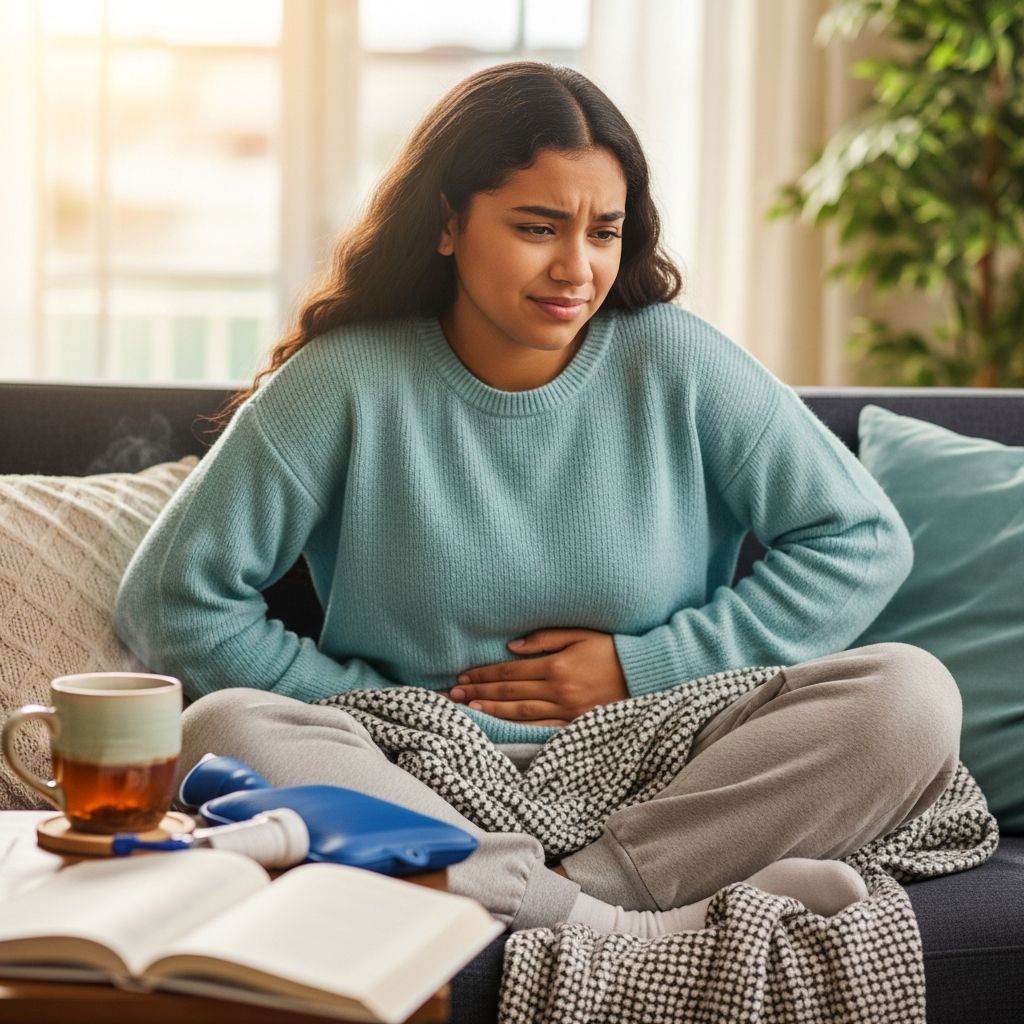
Period cramps can be annoying, painful, and sometimes scary if you are not sure what is going on in your body. Understanding what causes cramps and how to manage them can help you feel more in control of your menstrual cycle.
This guide explains in simple terms why cramps happen, what they feel like, how to ease them at home, and when it is important to talk with a health professional.
What Exactly Are Period Cramps?
Period cramps are pains in the lower belly that happen just before or during your menstrual period. They are linked to the way the uterus (the small, muscular organ in the pelvis) tightens and relaxes to shed its lining each month.
- The medical word for painful periods is dysmenorrhea.
- Cramps can be mild and annoying or strong enough to interfere with school, sports, or social activities.
Why Your Body Creates Cramping Pain
During a period, the uterus squeezes to push out its lining, and this squeezing is triggered by chemicals called prostaglandins. Higher levels of prostaglandins are linked with more intense contractions and stronger pain.
When the muscles squeeze very hard, blood flow to the uterine tissue can briefly drop, which makes the nerves send pain signals to the brain. For many teens, these changes start about one to two years after the first period, once ovulation becomes regular.
Primary vs. Secondary Cramps
Not all period pain is the same. Health professionals often talk about two main types of menstrual cramps: primary and secondary dysmenorrhea.
| Type | What It Means | Typical Features |
|---|---|---|
| Primary dysmenorrhea | Painful periods without another underlying pelvic disease. | Pain usually starts a year or more after first period, often improves with age or after childbirth. |
| Secondary dysmenorrhea | Period pain caused by another condition, such as endometriosis or pelvic infections. | Pain may start right from first periods, get worse over time, or happen even when not bleeding. |
Common Symptoms You Might Notice
Period cramps often show up as a dull, throbbing, or cramping pain in the lower abdomen that may spread to the lower back or thighs. The pain usually starts up to three days before bleeding, peaks in the first day, and eases over two to three days.
- Low belly pain that can feel sharp, tight, or achy.
- Back or thigh discomfort during the heaviest flow days.
- Possible nausea, loose stools, headache, or feeling lightheaded.
- Feeling tired, grumpy, or emotionally up and down around your period.
How Strong Is Too Strong? Knowing Whats Typical
Mild to moderate cramps that improve with rest, heat, or non-prescription pain medicine are common for teens. However, pain that regularly disrupts school, sports, or sleep may need medical attention.
- If you can still go to class and activities with some discomfort, pain is more likely within a usual range.
- If you frequently stay home, miss tests, or cannot concentrate because of pain, that is a sign to talk to a health professional.
Conditions That Can Make Cramps Worse
Sometimes period pain is linked to other health conditions inside the pelvis. Teens can develop these problems even though they are often discussed in adults.
- Endometriosis: Tissue similar to the uterine lining grows outside the uterus, often causing severe period pain and sometimes pain between periods.
- Uterine fibroids: Noncancerous growths in the wall of the uterus that may cause heavy bleeding and cramping.
- Adenomyosis: Uterine lining tissue grows into the muscle layer of the uterus, causing heavy, painful periods.
- Pelvic inflammatory disease (PID): Infection of the reproductive organs, often linked to sexually transmitted bacteria, that can cause pelvic pain and abnormal discharge.
- Ovarian cysts or congenital structural differences: These can sometimes cause one-sided or very early severe period pain.
Risk Factors That May Increase Cramps
Certain factors can make it more likely that a teen will have stronger menstrual cramps. Some are related to body chemistry, while others involve lifestyle or family history.
- Starting periods at a younger age, such as 11 or earlier.
- Heavy or irregular bleeding patterns.
- A family history of painful periods in close relatives.
- Smoking or exposure to tobacco.
Home Strategies to Ease Cramps
Many teens can get meaningful relief from period pain using simple home care methods. These approaches can often be combined for better comfort.
- Heat: A warm heating pad, hot water bottle, or warm bath over the lower abdomen or back helps muscles relax and reduces pain signals.
- Over-the-counter pain relievers: Nonsteroidal anti-inflammatory drugs (NSAIDs) such as ibuprofen or naproxen can lower prostaglandin levels and reduce pain when taken as directed.
- Gentle movement: Walking, stretching, or light exercise increases blood flow and may release natural pain-relieving chemicals in the body.
- Rest and relaxation: Deep breathing, listening to music, or other calming activities can lower stress that might make pain feel worse.
Daily Habits That May Help Over Time
While lifestyle changes will not remove every cramp, they can improve general health and sometimes reduce how intense period pain feels. Building these habits before and during your cycle can make a difference over several months.
- Regular physical activity most days of the week.
- Balanced meals with fruits, vegetables, whole grains, and adequate fluids.
- Limiting smoking or vaping, which is linked to increased cramps and overall health risks.
- Consistent sleep schedule to support hormone balance and mood.
Medical Treatments Your Doctor Might Suggest
If home care is not enough, a health professional can offer additional options to control period pain. Treatment usually depends on how severe your symptoms are and whether an underlying condition is suspected.
- Stronger NSAIDs or different pain medicines may be prescribed when basic over-the-counter doses do not work well.
- Hormonal birth control methods (pills, patch, ring, injection, or hormonal IUD) can make periods lighter, more regular, and less painful by changing hormone levels and reducing the uterine lining.
- Evaluation for conditions like endometriosis may involve pelvic exams, imaging tests, or referral to a specialist when pain is severe or persistent.
When to Call a Doctor or Nurse
Although cramps are common, some warning signs mean you should reach out to a trusted adult and a medical professional. Getting help early can prevent complications and improve long-term health.
- Pain that lasts more than a few days with each period or keeps you from normal activities even with home treatment.
- Severe pain on only one side of the lower belly or sudden new pain.
- Fever, unusual vaginal discharge, or pain during sex, which can suggest infection.
- Very heavy bleeding, such as soaking through pads or tampons every hour for several hours.
- Pain that happens even when you are not on your period.
Period Cramps and School, Sports, and Social Life
Many teens miss classes, practices, or social events because of menstrual pain, even though effective treatments exist. Talking openly with caregivers, coaches, or school nurses can help you get support and accommodations when needed.
- Keep a small period care kit with pain medicine (if approved), pads or tampons, and a heat patch for use at school.
- Let teachers know you may need extra bathroom breaks or a short rest during heavy pain days.
Tracking Your Cycle and Symptoms
Writing down or using an app to record your cycle and symptoms can reveal patterns and help your doctor understand what is going on. Accurate notes also make it easier to tell if pain is getting better, worse, or staying the same over time.
- Record the first day of each period, how long bleeding lasts, and how heavy it is.
- Rate your pain each day on a simple 010 scale and note other symptoms like nausea, headaches, or mood changes.
Emotional Health and Period Pain
Dealing with pain every month can affect mood, confidence, and relationships with friends or family. Feeling frustrated or worried about your body is common, but support and clear information can make it easier to cope.
- Share how you feel with someone you trust, such as a parent, guardian, counselor, or close friend.
- Ask questions at medical visits so you understand your treatment choices and feel involved in decisions.
Frequently Asked Questions About Teen Period Cramps
Are strong cramps normal when periods first start?
Some teens have little or no pain at the beginning of menstruation, while others start with uncomfortable cramps within the first few years. Cramps that are severe right from the first periods or become steadily worse should be checked by a health professional to rule out underlying conditions.
Can I exercise during my period if I have cramps?
Yes, gentle to moderate exercise is usually safe and may actually ease cramps by increasing blood flow and releasing natural pain-relieving chemicals. If pain is very intense, you may need to adjust the intensity or rest until medicine and heat have helped.
Do I have to live with pain every month?
Most of the time, period pain can be significantly reduced with a combination of home care, non-prescription medicine, and sometimes hormonal treatments. Ongoing, severe pain is not something you should just accept; there are many options to explore with a doctor or nurse.
Is using hormonal birth control only for preventing pregnancy?
Hormonal methods are often prescribed for teens mainly to manage heavy bleeding, irregular cycles, acne, or painful cramps, even if they are not sexually active. These treatments work by stabilizing hormone levels and thinning the uterine lining, which can make periods shorter, lighter, and less painful.
When should I go to the emergency room for cramps?
Seek urgent care if you have sudden, severe belly pain, pain with high fever, fainting, or signs of very heavy bleeding, such as soaking through pads or tampons in less than an hour for several hours. One-sided pain or pain much worse than usual can also signal a problem that needs quick evaluation.
Taking Charge of Your Menstrual Health
Understanding period cramps gives you the power to notice what feels typical for your body and what does not. With the right mix of self-care, medical support, and open conversation, most teens can find a plan that keeps pain manageable and life on track.