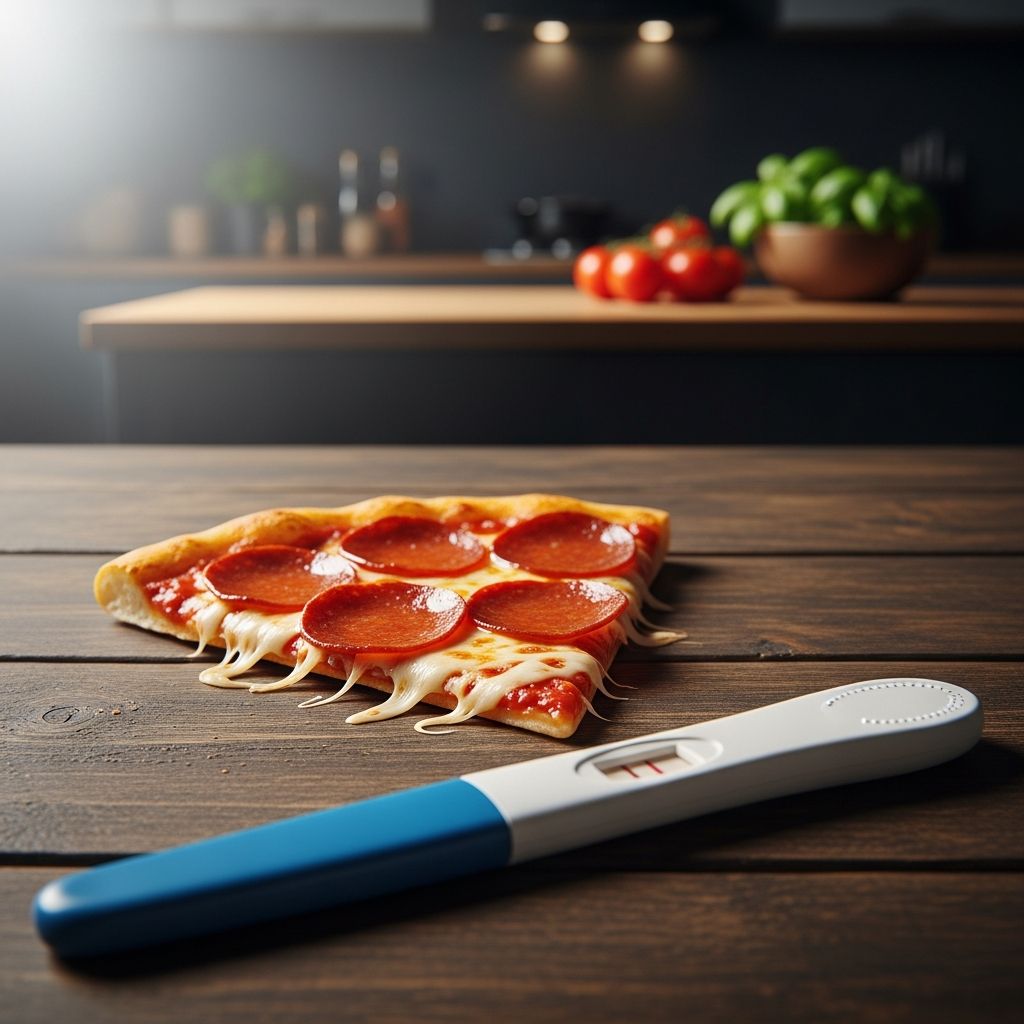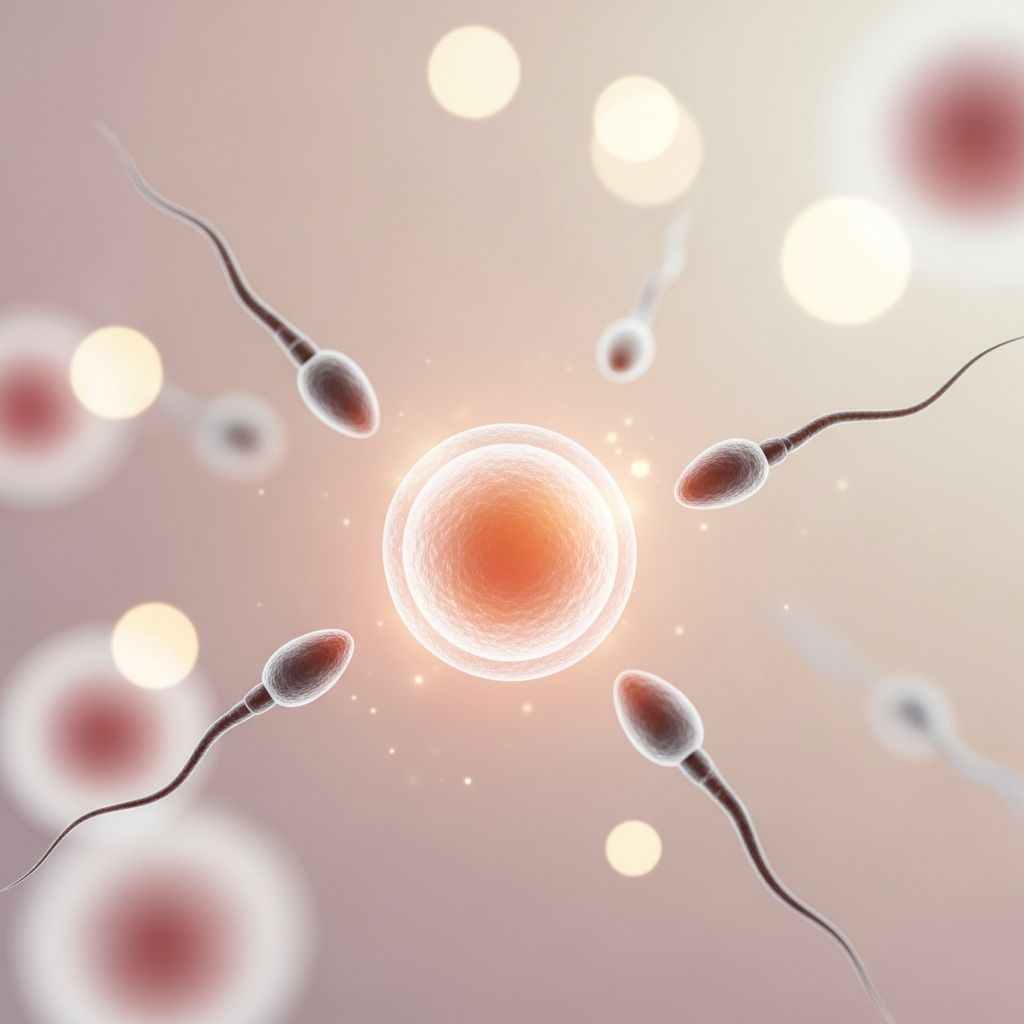
In the journey of pregnancy, week 2 marks the beginning of your menstrual cycle’s fertile window, though technically, conception hasn’t occurred yet. This phase sets the stage for potential pregnancy by focusing on ovulation and body preparation. Understanding these early dynamics helps couples optimize their chances of conceiving while adopting healthy habits.
Understanding the Pregnancy Timeline at Week 2
Pregnancy is dated from the first day of your last menstrual period (LMP), placing week 2 around days 8 to 14 of your cycle. At this point, no embryo exists; your body is priming for ovulation, when an egg is released from the ovary. This is crucial because fertilization typically happens shortly after, around week 3.
The ovarian follicle matures during this time, triggered by rising follicle-stimulating hormone (FSH) levels. Once mature, luteinizing hormone (LH) surges, prompting ovulation. Sperm can survive up to five days in the reproductive tract, so timing intercourse is key for those trying to conceive.
Recognizing Ovulation: Key Indicators
Tracking ovulation enhances conception odds. Common signs include:
- Cervical mucus changes: Mucus turns clear, stretchy, and egg-white-like, creating an ideal environment for sperm mobility.
- Heightened senses: A sharper sense of smell due to hormonal shifts may occur, potentially aiding mate selection instinctively.
- Breast sensitivity: Mild tenderness from estrogen and progesterone fluctuations prepares the body.
- Mittelschmerz pain: A brief pelvic twinge on one side signals egg release from the ovary.
- Libido boost: Increased sexual desire peaks, aligning with fertility.
- Cervical position: The cervix becomes softer, higher, and more open, detectable by those who monitor it.
Light spotting, known as ovulation bleeding, may appear as pink or brown discharge, distinct from heavier menstrual flow.
Fertility Tracking Methods for Week 2
To pinpoint ovulation:
- Ovulation predictor kits (OPKs): These detect LH surges in urine, available over-the-counter for precise timing.
- Basal body temperature (BBT): A slight post-ovulation rise (0.5-1°F) confirms it occurred, though not predictive.
- Calendar method: For regular cycles (28 days), ovulation likely falls mid-cycle; adjust for variations.
- Apps and wearables: Modern tools log symptoms, predict fertile windows based on cycle data.
A practical strategy: Have intercourse every other day from cycle day 8 to 19 to cover the fertile period.
Preparing Your Body for Conception
Even before pregnancy confirmation, proactive steps support a healthy start:
- Prenatal vitamins: Begin folic acid (400-800 mcg daily) to prevent neural tube defects; include iron, calcium, and DHA.
- Lifestyle adjustments: Eliminate alcohol, tobacco, and limit caffeine to under 200 mg daily. Maintain a balanced diet rich in fruits, vegetables, whole grains, and lean proteins.
- Weight management: Aim for a healthy BMI (18.5-24.9) to regulate cycles and reduce complications.
- Exercise moderately: 150 minutes weekly of activities like walking or yoga boosts fertility without overexertion.
- Sleep hygiene: 7-9 hours nightly supports hormonal balance.
| Nutrient | Daily Recommendation | Food Sources |
|---|---|---|
| Folic Acid | 400-800 mcg | Leafy greens, fortified cereals, legumes |
| Iron | 27 mg | Red meat, spinach, lentils |
| DHA | 200-300 mg | Fatty fish, algae supplements |
| Calcium | 1,000 mg | Dairy, fortified plant milks, broccoli |
This table outlines essential nutrients for pre-conception health.
Earliest Signs of Pregnancy Post-Conception
If conception occurs near ovulation’s end, implantation happens 6-12 days later, around week 3-4. Early symptoms may emerge then:
- Implantation spotting: Light pink/brown discharge, lasting hours to days, affecting 25% of pregnancies.
- Frequent urination: Rising hCG prompts increased blood flow to kidneys.
- Breast changes: Tenderness, swelling, darkened areolas from progesterone.
- Exhaustion: Progesterone surge conserves energy for implantation.
- Nausea: May start subtly before week 6, peaking later.
- Bloating: Slowed digestion aids nutrient absorption.
These mimic premenstrual symptoms, so testing is essential. Home tests detect hCG from week 4, post-missed period.
Distinguishing Ovulation from Early Pregnancy
| Symptom | Ovulation | Early Pregnancy |
|---|---|---|
| Bleeding | Light mid-cycle spotting | Implantation: scant, 6-12 days post-ovulation |
| Breast Tenderness | Mild, short-lived | Persistent, intensifying |
| Fatigue | Minimal | Profound due to hCG |
| Urination | Unchanged | Increased frequency |
Use this comparison to differentiate phases; consult a doctor for heavy bleeding or severe symptoms.
What’s Developing in Your Body
No baby exists at week 2, but post-ovulation, if fertilized, the egg travels the fallopian tube. Fertilization forms a zygote, dividing into a blastocyst by day 5-6, implanting soon after. hCG production begins, signaling pregnancy.
By week’s end, if successful, hormone shifts halt menstruation, ovaries ramp up progesterone/estrogen for uterine lining support.
Nutrition and Diet Tips for Optimal Fertility
Focus on antioxidant-rich foods: berries, nuts, seeds combat oxidative stress. Hydrate (8-10 glasses water daily), avoid processed sugars/trans fats. Sample daily menu:
- Breakfast: Oatmeal with berries, nuts, yogurt.
- Lunch: Grilled chicken salad with veggies, olive oil dressing.
- Dinner: Salmon, quinoa, steamed broccoli.
- Snacks: Apple with almond butter, carrot sticks with hummus.
These choices enhance egg quality and sperm health.
Partner Involvement: Male Fertility Factors
Conception is a team effort. Men should:
- Avoid hot tubs/saunas (heat impairs sperm).
- Limit alcohol (<14 units/week), quit smoking.
- Eat zinc-rich foods (oysters, beef, pumpkin seeds).
- Exercise regularly, manage stress.
Semen analysis if no conception after 6-12 months.
When to Seek Medical Advice
Consult if irregular cycles, painful ovulation, or age >35 (fertility declines). Preconception checkups screen for conditions like PCOS, thyroid issues. Start prenatal care post-positive test.
Frequently Asked Questions
Can I be pregnant at 2 weeks and still have a period?
No true pregnancy exists at week 2, but post-conception implantation bleeding may mimic a light period. True periods are heavier; test if late.
How accurate are ovulation kits?
OPKs are 97% accurate for LH detection but confirm ovulation via BBT or symptoms.
When do pregnancy symptoms truly start?
Post-implantation (week 4+), varying by individual; some notice early, others later.
Is sex every day best for conception?
Every other day suffices; daily may reduce sperm count.
What if no ovulation signs?
Many ovulate asymptomatically; use kits or see a doctor for evaluation.
Emotional Well-Being in Early Pregnancy Planning
Anxiety about conception is common. Practice mindfulness, journal, join support groups. Positive mindset correlates with better outcomes.
(Word count: 1678)
References
- 2 Weeks Pregnant: Baby Development, Symptoms and Tips — The Bump. 2023. https://www.thebump.com/pregnancy-week-by-week/2-weeks-pregnant
- Pregnancy week by week guide: Symptoms and baby development — Flo Health. 2024. https://flo.health/pregnancy/week-by-week
- Fetal development: The first trimester – Mayo Clinic — Mayo Clinic. 2025-01-10. https://www.mayoclinic.org/healthy-lifestyle/pregnancy-week-by-week/in-depth/prenatal-care/art-20045302
- Am I Pregnant? Early Symptoms of Pregnancy & When To Test — Cleveland Clinic. 2024-06-15. https://my.clevelandclinic.org/health/articles/9709-pregnancy-am-i-pregnant
- Week-by-week guide to pregnancy – Best Start in Life – NHS — NHS. 2025. https://www.nhs.uk/best-start-in-life/pregnancy/week-by-week-guide-to-pregnancy/