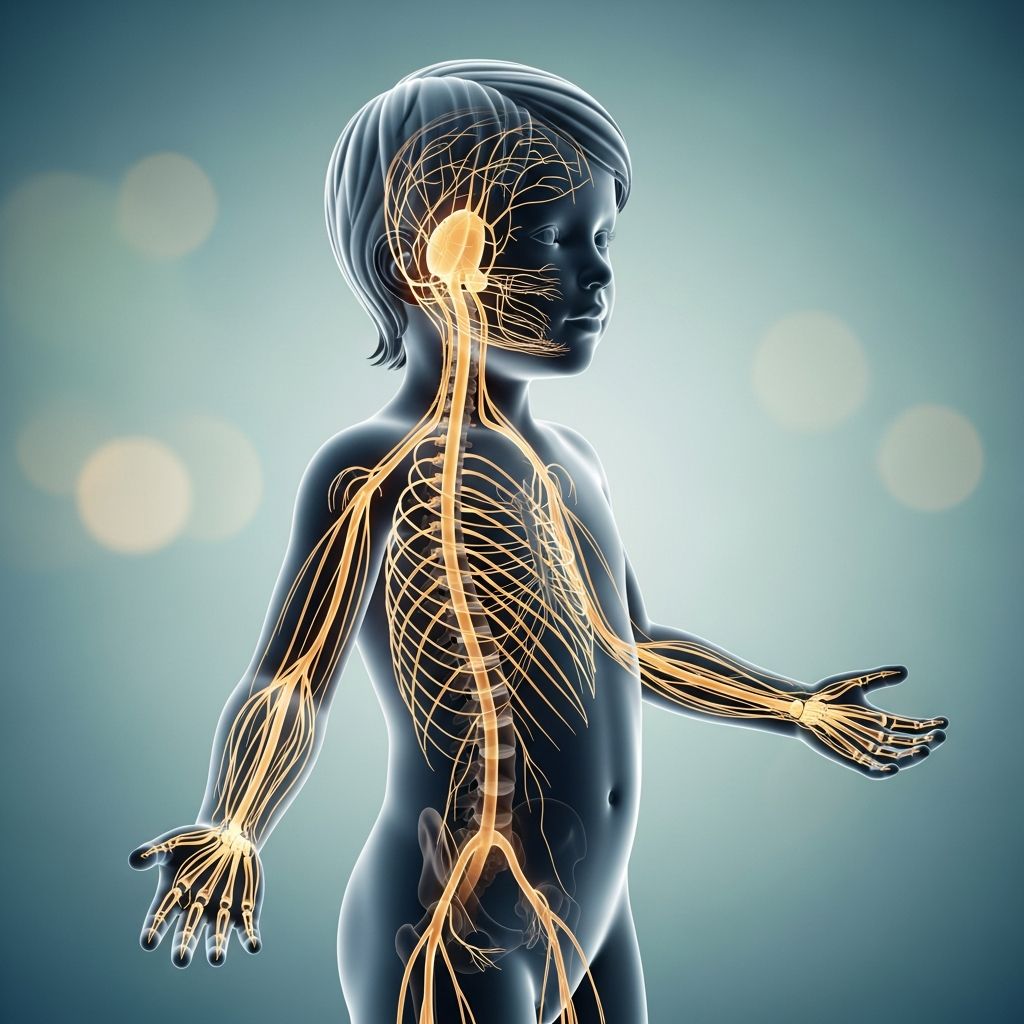
At 16, teenagers stand at a pivotal crossroads, bridging childhood and adulthood with rapid changes across multiple domains. This phase brings heightened physical growth, sharpened cognitive abilities, complex emotional landscapes, and evolving social connections. Understanding these shifts equips parents to offer targeted support, fostering resilience and independence.
Physical Transformations in Mid-Teens
The body undergoes significant maturation around age 16, influenced by puberty’s ongoing effects. Boys often experience continued height increases, deepening voices, facial hair growth, and muscle development, while girls may see fat redistribution and stabilization in height. Appetite surges to fuel this growth, alongside a need for more sleep—up to 9-10 hours nightly—to combat school-related fatigue.
Coordination peaks, enabling skills like precise typing, sports agility, and driving. Visual-spatial awareness improves dramatically, crucial for judging distances and speeds on the road. Gender differences are stark: boys build broader frames, girls refine curves. Nutritional needs rise; balanced diets with proteins, vitamins, and minerals prevent deficiencies.
- Height and weight: Boys may add several inches; girls near adult stature.
- Sleep patterns: Increased drowsiness if routines lack rest.
- Motor skills: Enhanced dexterity for hobbies or vehicles.
Parents should monitor for irregularities, like extreme fatigue or stalled growth, consulting pediatricians if concerns arise.
Cognitive Advancements: Sharper Minds at Work
Cognitive development accelerates, with teens memorizing complex information effortlessly and employing flexible problem-solving. Abstract thinking flourishes—they ponder hypotheticals, weigh consequences over long terms, and distinguish facts from opinions.
Reasoning evolves to include multi-perspective arguments, future planning, and ethical judgments based on personal values. They grasp interconnections, like how actions today shape tomorrow, and develop worldviews incorporating societal influences. Academic demands intensify; organized study habits emerge, alongside real-world math applications like budgeting.
| Cognitive Skill | Typical 16-Year-Old Ability |
|---|---|
| Memory | Retains detailed facts easily |
| Problem-Solving | Explores ‘what if’ scenarios |
| Planning | Sets goals considering others’ views |
| Ethics | Defines right/wrong via conscience |
These skills underpin career explorations and decision-making. Encourage reading diverse sources and debates to hone them.
Emotional Maturity: Riding the Mood Waves
Emotions deepen, blending insecurity, mood swings (especially in girls), and growing empathy. Teens sulk, argue, or withdraw, yet show compassion and moral firmness. Body image preoccupations persist, alongside emerging sexual awareness and orientation questions.
A stronger sense of self emerges, with confidence in opinions and reduced impulsivity. They manage feelings socially acceptably, coping with stress from school or peers better than before. Depression risks rise; watch for isolation or sadness.
- Mood regulation: Shifts from self-focus to others.
- Empathy: Deeper caring capacity.
- Resilience: Handles conflicts constructively.
Open dialogues build trust; validate feelings without judgment to guide emotional growth.
Social Dynamics: Friends, Family, and Beyond
Socially, 16-year-olds prioritize peers, forming tight cliques or teams while resisting pressure. Romantic interests intensify, with deeper platonic or intimate bonds; family ties improve as parents are seen realistically.
Independence drives friend time, dating, and opinion-sharing. They voice emotions, resolve disputes, and contribute at home. Sexual orientation awareness grows, demanding supportive environments.
Peer influence wanes as autonomy strengthens; they seek adult advice comfortably.
| Age Comparison | Social Traits |
|---|---|
| 14-15 | Peer-seeking, moody, family-embarrassed |
| 16 | Close friends, dating, family reconciliation |
| 17-18 | Adult relationships, peer de-emphasis |
Model healthy interactions; discuss boundaries for safe socializing.
Signs of Healthy Progress and When to Seek Help
Track milestones: agile movements, logical debates, empathy expression, peer balance. Red flags include persistent withdrawal, academic disengagement, attention issues, or behavioral extremes.
Neuropsychological evaluations suit cases of organizational struggles, isolation, or post-concussion memory woes. Speech therapy aids language adaptation across contexts. Early intervention prevents setbacks.
- Positive indicators: Future planning, ethical decisions, coordination gains.
- Concerns: Chronic sadness, peer rejection, learning stalls.
Regular check-ins with schools or health pros ensure thriving.
Parental Strategies for Supporting Growth
Promote 9+ hours sleep, nutrient-rich meals, and exercise. Facilitate driving practice safely. Spark talks on values, careers, relationships.
Grant autonomy in schedules, hobbies, while setting limits. Expose to diverse views via books, news. Celebrate strengths; address challenges collaboratively.
Model empathy, conflict resolution. Monitor media influence on opinions. Prepare for adult transitions like jobs or college.
Frequently Asked Questions (FAQs)
Is it normal for a 16-year-old to argue often?
Yes, arguing reflects testing independence and reasoning skills; guide with calm discussions.
How much sleep does a 16-year-old need?
About 8-10 hours nightly to support growth and cognition.
When should I worry about mood swings?
If prolonged sadness or isolation persists beyond weeks, seek professional help.
Are dating and sexual interests typical?
Yes, with deeper relationships emerging; emphasize consent and safety.
How can I help with academic planning?
Discuss goals, explore careers, and teach study strategies.
References
- Developmental milestones by age 16 — LDExplained. 2023. https://www.ldexplained.org/learning-disabilities-lp/developmental-milestones-definition/developmental-milestones-by-age-16/
- Developmental Milestones for Teens (13–18 Years) — Coral Care. 2024. https://www.joincoralcare.com/developmental-guides/milestones-teens-13-18-years
- Your Daughter at 16: Milestones — WebMD. 2023. https://www.webmd.com/parenting/daughter-16-milestones
- Developmental Milestones for 15-17 Year Olds — Children’s Neuropsychology. 2024. https://www.childrensneuropsych.com/parents-guide/milestones/milestones-at-15-17-years/
- Milestones for Ages 15 to 18 — Kaiser Permanente. 2025. https://healthy.kaiserpermanente.org/health-wellness/health-encyclopedia/he.milestones-for-ages-15-to-18.abo8898
- Teenager Growth & Development: 13 to 18 Years — CHOC. 2024. https://choc.org/ages-stages/13-to-18-years/
- CDC’s Developmental Milestones — CDC. 2025. https://www.cdc.gov/act-early/milestones/index.html