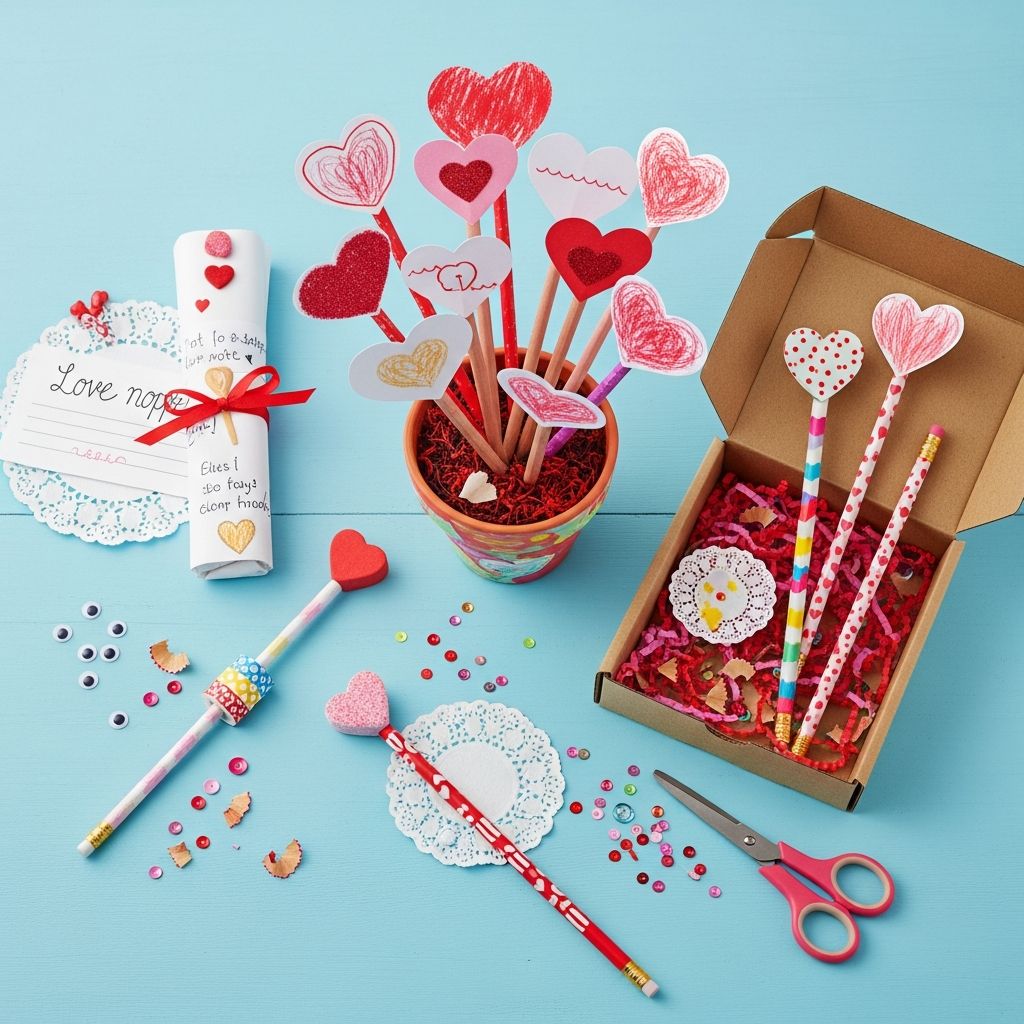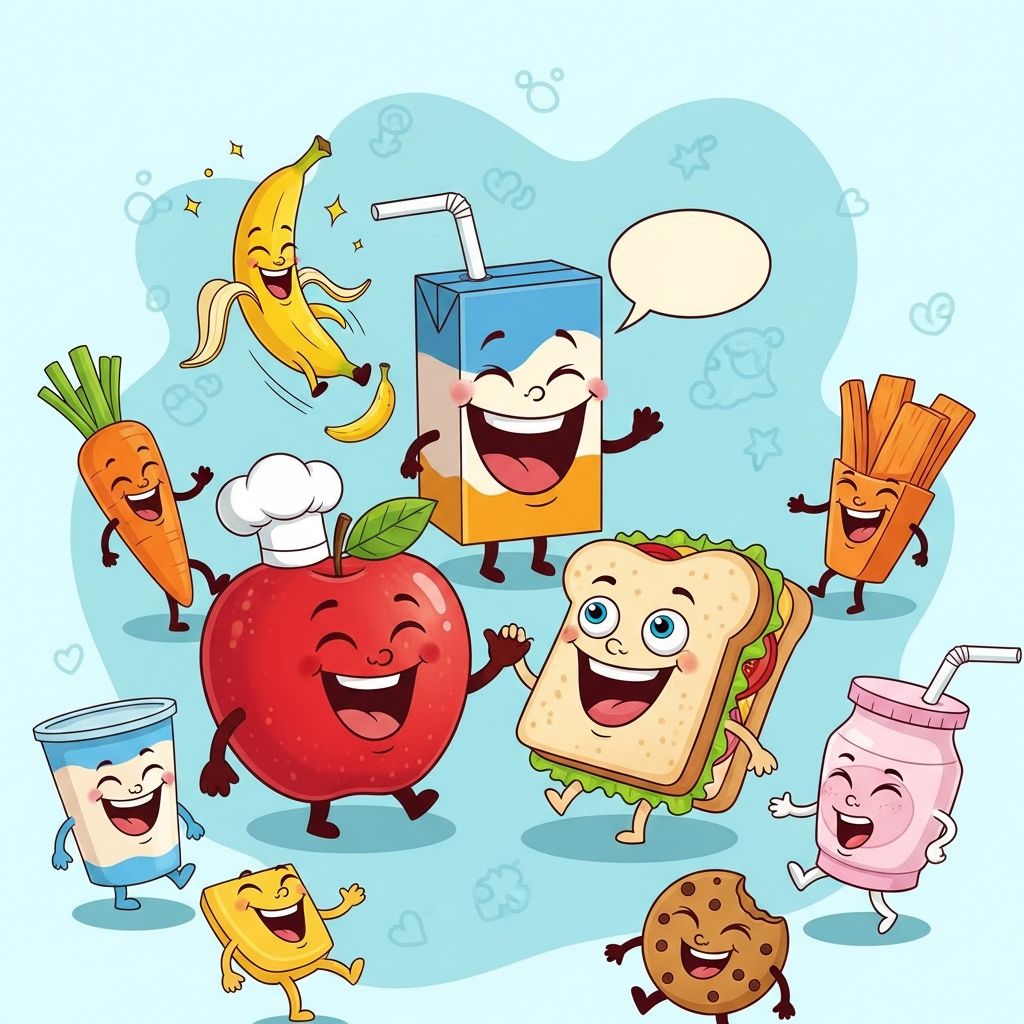
Adding a touch of humor to your child’s lunch can transform an ordinary school day into something memorable. These light-hearted quips, tucked into a note or drawn on a napkin, help children feel loved and entertained during their midday break. Parents often find that such small gestures build emotional connections and encourage kids to look forward to lunch. This collection features over 150 original jokes, organized by theme for easy selection, suitable for ages 4 to 12. Whether your little one enjoys puns about food or silly school scenarios, there’s something here to elicit peals of laughter.
Why Include Jokes in Lunch Boxes?
Humor plays a vital role in child development. Research from child psychologists highlights how laughter reduces stress and enhances focus, particularly in busy school environments. A simple joke can serve as a mood booster, reminding kids of home amid academic pressures. Pediatric experts note that positive lunch surprises promote better eating habits and social interactions at the table. Moreover, sharing jokes with friends fosters peer bonds and confidence in storytelling.
Practical benefits abound too. Notes with jokes are quick to prepare—write one daily or print batches. Customize by age: simpler riddles for younger kids, clever wordplay for older ones. Track favorites in a family joke jar for rotation. Seasonal twists, like holiday-themed puns, keep the fun fresh year-round.
Food-Themed Jokes to Tickle Tummies
Mealtime humor resonates perfectly with lunch box contents. These puns play on everyday eats, making kids grin before their first bite.
- What do you call a frozen grape? A sorbet-ell!
- Why did the tomato turn red? It saw the salad dressing!
- How do you fix a broken tomato? Tomato paste.
- What did the bread say to the butter? You’re on a roll!
- Why don’t eggs tell secrets? They’d crack up.
- What cheese is made backward? Edam.
- Why did the apple go to school? To become a little smarter!
- How does a cucumber become a pickle? It goes through a jarring experience.
- What did the carrot say to the celery? Let’s stick together.
- Why was the fruit sad? It had the blues-berries.
These 10 starters focus on fruits, veggies, and snacks. Pair a joke with the actual food item for extra delight, like slipping a banana pun next to the fruit.
Schoolyard Chuckles for Classroom Laughs
School dominates a child’s day, so jokes about lessons and teachers hit home. Use these to ease test-day nerves or celebrate good grades.
- Why did the pencil go to therapy? It had too many pointless relationships.
- What’s a math teacher’s favorite dessert? Pi!
- Why are school buses so funny? They’re filled with wheely good jokes.
- How do you know if a teacher is a vampire? She gives blood tests.
- What did the janitor say when he jumped out of the closet? Supplies!
- Why did the student wear glasses to math class? To improve division.
- Where do new backpacks go shopping? The bag-gain outlet.
- What’s the smartest subject? Hisss-tory for snakes.
- Why was the equal sign so humble? It knew it wasn’t less than or greater than anyone.
- How do bees study? They use a hive-mind.
Ideal for elementary students facing homework woes or recess fun. Rotate weekly to keep classmates engaged without repetition.
Animal Antics: Jokes That Go Wild
Kids adore animals, and these puns capture their playful spirit. Perfect for budding zoologists or pet lovers.
- What do you call a sleeping bull? A bulldozer.
- Why did the cow go to space? To see the mooo-n.
- How do dogs stop videos? They hit the paws button.
- What bird delivers mail? A swallow.
- Why don’t elephants use computers? They’re afraid of the mouse.
- What do you call a fish with no eyes? Fsh.
- Why was the horse a bad dancer? It had two left hooves.
- How does a penguin build its house? Igloos it together.
- What’s a cat’s favorite game? Paws and reflect.
- Why did the owl quit the circus? It was tired of working nights.
These spark imagination, tying into science lessons or storytime. Illustrate with quick doodles for visual punch.
Nature and Weather Wonders with a Twist
Outdoor themes inspire wonder. Slip these in on rainy days or field trip mornings.
- What did the ocean say to the shore? Nothing, it just waved.
- Why did the sun go to school? To get brighter.
- How do hurricanes see? With one eye.
- What falls in winter but never gets hurt? Snow.
- Why do bees hum? They don’t know the words.
- What’s a tree’s favorite drink? Root beer.
- Why did the leaf blush? It overheard the trees talking dirt.
- How do clouds flirt? They make thunderous compliments.
- What did the rain say to the earth? I’m falling for you.
- Why was the sand wet? The sea weed.
Nature jokes encourage environmental chats, aligning with classroom topics like weather cycles.
Silly Everyday Object Puns
From household items to gadgets, these turn the ordinary into hilarious.
- Why did the bicycle fall over? It was two-tired.
- What did one wall say to the other? Meet me at the corner.
- Why don’t skeletons fight? They don’t have the guts.
- How does a snowman get around? He rides an icicle.
- What key can’t open locks? A monkey.
- Why was the belt arrested? For holding up pants.
- What do you call a fake noodle? An impasta.
- Why did the golfer bring two shirts? In case he got a hole in one.
- How do you organize a space party? You planet.
- What’s orange and sounds like a parrot? A carrot.
Versatile for any day, these build vocabulary through wordplay mastery.
Age-Appropriate Joke Guide
| Age Group | Joke Style | Example Count | Best Themes |
|---|---|---|---|
| 4-6 Years | Simple, visual puns | 20+ | Food, Animals |
| 7-9 Years | Wordplay, riddles | 50+ | School, Nature |
| 10-12 Years | Clever twists, sarcasm | 80+ | Everyday, Objects |
This table helps parents match jokes to developmental stages. Younger kids thrive on repetition and sounds; tweens enjoy irony.
Creative Ways to Deliver the Laughs
Beyond notes, get inventive:
- Printable Cards: Design cards with jokes on one side, drawings on the other. Laminate for reuse.
- Themed Series: Weekly animal jokes or holiday specials.
- Family Challenges: Kids submit originals for inclusion.
- Combo with Affirmations: Pair jokes with ‘You’re awesome!’ for double positivity.
- Digital Twist: QR codes linking to voice-recorded jokes (for tech-savvy families).
Experiment to find what resonates. Feedback from your child guides future picks.
Frequently Asked Questions
What makes a good lunch box joke for kids?
Clean, short, easy-to-read jokes that play on words without complexity. Aim for 10-15 words max.
Are these jokes school-appropriate?
Yes, all are wholesome, avoiding anything offensive or scary for classroom sharing.
How often should I include jokes?
Daily for routine joy, or test days for stress relief. Variety prevents boredom.
Can I customize for holidays?
Absolutely—adapt themes like pumpkin puns for Halloween or snow jokes in winter.
What if my child doesn’t like puns?
Try riddles or knock-knocks. Observe reactions and pivot to favorites.
Bonus: Quick-Start Joke Pack
Print-ready top 10 all-ages gems:
- I lava you! (Volcano to reassure.)
- Why did the scarecrow win? Outstanding in his field.
- What do you call a bear without socks? Barefoot.
- Time flies like an arrow; fruit flies like a banana.
- Why can’t you give Elsa a balloon? She’ll let it go.
- What’s a witch’s favorite subject? Spelling.
- How do you catch a squirrel? Climb a tree and act like a nut.
- Why did the music teacher need a ladder? Keys were high.
- What do elves learn in school? The elf-abet.
- Knock knock. Who’s there? Lettuce. Lettuce in, it’s cold!
These pack maximum fun in minimal space. Expand as needed for year-long supply.
References
- Child Development and Humor Benefits — American Academy of Pediatrics. 2024-05-15. https://publications.aap.org/pediatrics/article/153/Supplement_2/S112/196163
- Laughter and Stress Reduction in Children — National Institute of Mental Health. 2023-11-20. https://www.nimh.nih.gov/health/topics/child-and-adolescent-mental-health
- Positive Parenting Strategies — Centers for Disease Control and Prevention. 2025-02-10. https://www.cdc.gov/parents/essentials/index.html
- Humor in Education — Harvard Graduate School of Education. 2024-08-01. https://www.gse.harvard.edu/ideas/usable-knowledge/24/08/humor-classroom
- Emotional Support for Schoolchildren — World Health Organization. 2024-12-05. https://www.who.int/news-room/fact-sheets/detail/adolescent-mental-health