Your 15-month-old is entering an exhilarating phase of toddlerhood, marked by rapid advancements in physical abilities, communication, and social interactions. At this age, children typically master independent walking, utter their first clear words beyond basic parental names, and display budding independence through play and exploration. These milestones, drawn from established pediatric benchmarks, signal healthy progress while varying slightly among individuals.
Physical and Motor Skill Advancements
By 15 months, most toddlers achieve significant motor milestones that enable greater mobility and coordination. They often walk independently, transitioning from unsteady steps to more confident strides, and may even attempt running or climbing low furniture.
- Gross motor skills: Walking alone, squatting to pick up toys then standing, climbing stairs with support, and pushing/pulling toys.
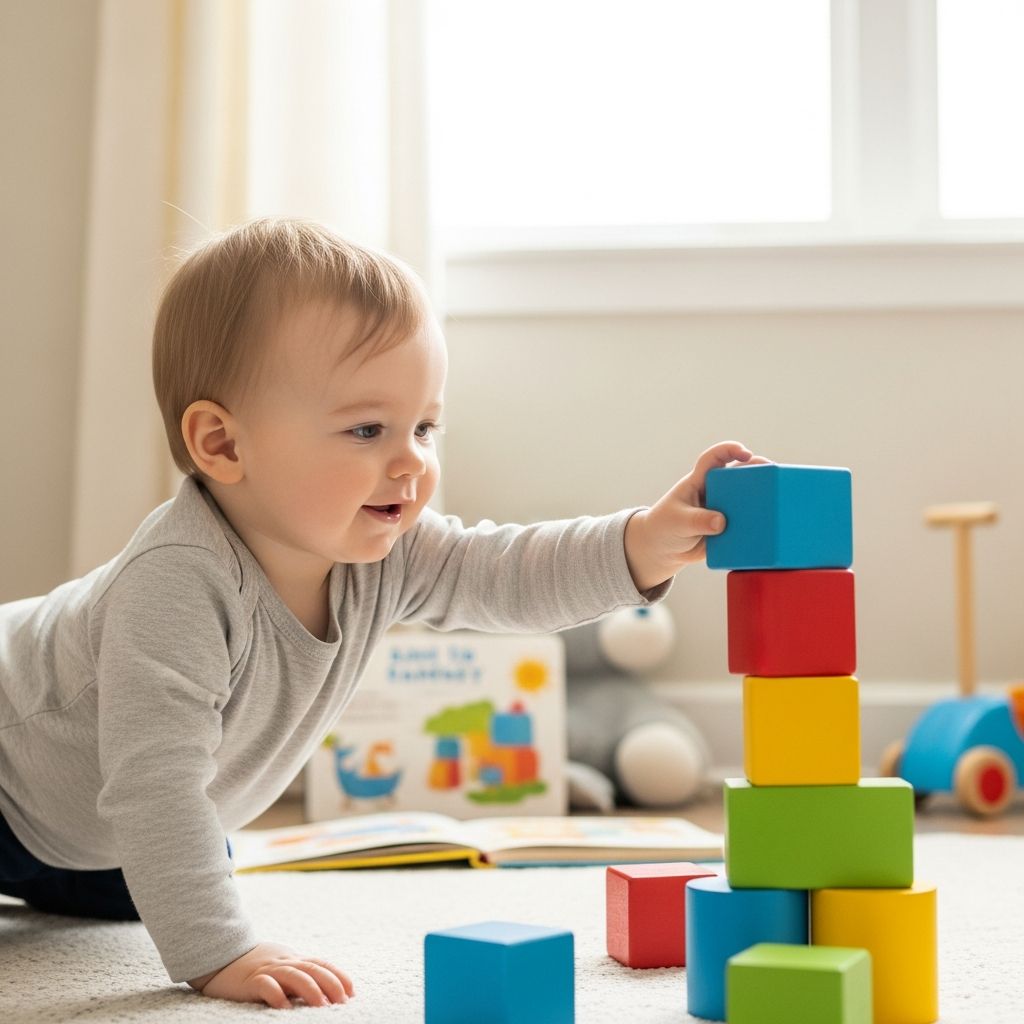
- Fine motor skills: Stacking 2-3 blocks, scribbling with crayons, turning book pages, and using a spoon with some success.
These skills build strength and balance. Encourage safe exploration by childproofing your home, providing sturdy furniture for climbing practice, and offering push toys to promote walking.
| Motor Milestone | Typical Achievement | Support Tips |
|---|---|---|
| Independent Walking | By 15 months for most | Clear open spaces, hold hands initially |
| Stacking Blocks | 2-3 blocks | Provide soft, large blocks |
| Self-Feeding with Spoon | Attempts with spills | Offer easy-grip utensils |
Language and Communication Progress
Communication explodes around 15 months as toddlers attempt 1-2 words like ‘ball’ or ‘dog,’ beyond ‘mama’ or ‘dada.’ They understand simple instructions, point to desired objects, and follow gestures combined with words, such as handing over a toy when asked.
Understanding surpasses speaking; they recognize their name, point to body parts, and look at named objects. Gestures like waving, clapping, or pointing enhance expression.
- Points to request help or items.
- Follows basic directions (e.g., ‘Give me the toy’).
- Babbles with intonation mimicking speech.
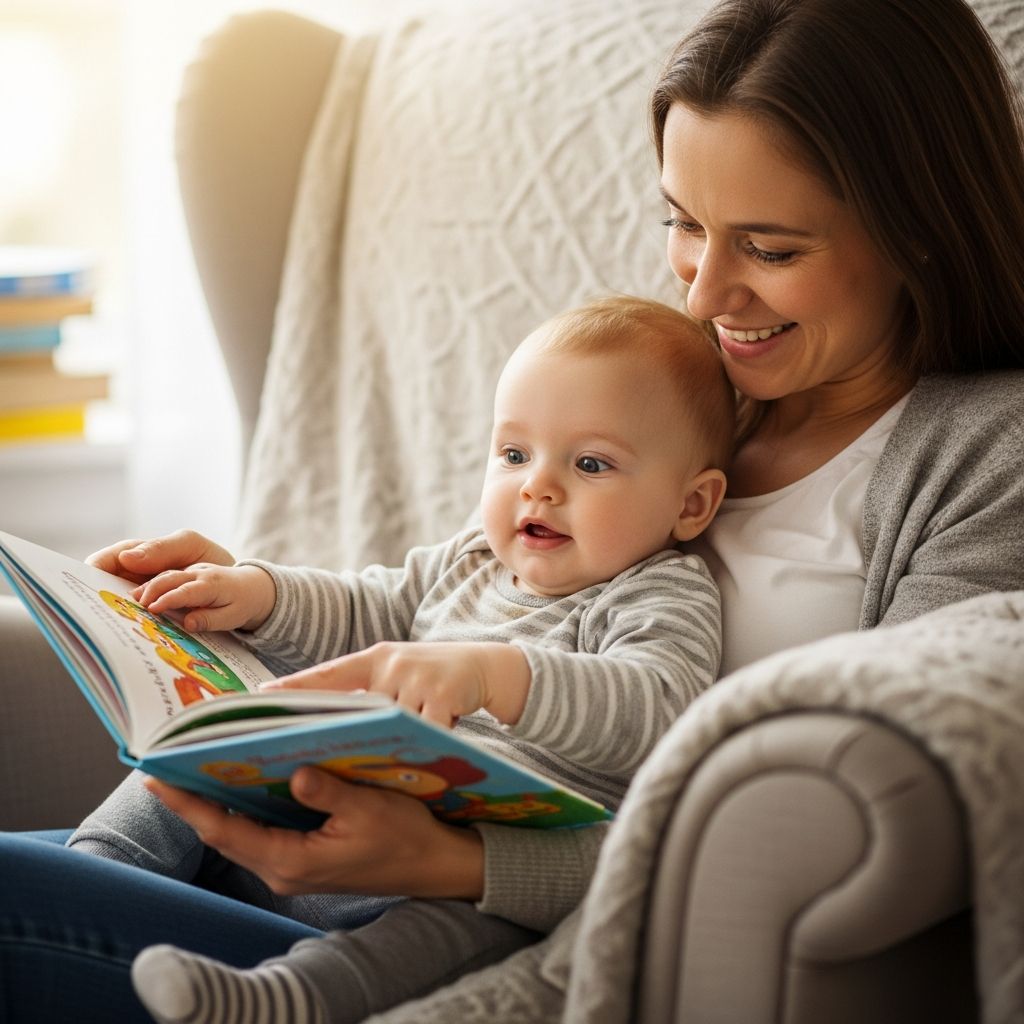
To boost language, narrate daily activities, read picture books pointing to images, sing rhymes, and respond enthusiastically to their attempts. This fosters vocabulary growth into the coming months.
Social and Emotional Development
Socially, 15-month-olds show affection through hugs, kisses, and cuddles. They imitate peers during play, like removing toys from containers, clap excitedly, and share liked objects with parents.
Emotional awareness emerges: they hug toys, copy actions, and display preferences. Attachments strengthen, with separation anxiety peaking as independence grows alongside a desire for parental closeness.
Tantrum precursors appear as they test boundaries, saying ‘no’ or claiming ‘mine.’ Positive reinforcement, consistent routines, and modeling calm behavior help navigate this.
- Shows affection to family and toys.
- Copies play actions from others.
- Claps or shows excitement.
Cognitive and Sensory Exploration
Cognitively, toddlers grasp cause-and-effect, explore containers, and engage in simple pretend play like feeding a doll. They recognize themselves in mirrors, point to pictures in books, and solve basic puzzles (2-3 pieces).
Sensory development sharpens: identifying familiar faces in photos, sorting by shape/color rudiments, and reacting empathetically to others’ distress.
Daily skills advance—drinking from cups, finger-feeding, undressing simple clothes—building self-help and problem-solving.
| Cognitive Area | Examples at 15 Months |
|---|---|
| Problem-Solving | Finding hidden toys, simple puzzles |
| Exploration | Opening drawers, nesting objects |
| Imitation | Pretend play, mimicking chores |
Daily Routines and Self-Care Milestones
15-month-olds refine self-care: most molars emerge, enabling better chewing; they nap once daily (10-12 night hours plus nap); feed via fingers/spoon/cup, limiting milk to 16-24 oz.
They help with dressing (pulling off socks), dance to music, and throw balls overhand. Sleep regressions may occur with teething or leaps; maintain consistent bedtime rituals.
- Sleeps 10-12 hours nightly + 1 nap.
- Feeds self mostly, uses cup.
- May undress easy clothes.
Encouraging Healthy Development
Support growth through play: read daily (pointing to pictures), sing action songs, provide safe climbing spots, and model language. Active play builds muscles; limit screen time, prioritizing interactive fun.
Nutrition matters—offer varied textures for oral motor practice. Track progress via apps or charts, celebrating small wins fosters confidence.
Recognizing Developmental Concerns
While variation is normal, consult a pediatrician if your toddler: doesn’t walk, says no words, ignores name/instructions, lacks gestures, or shows vision/hearing issues.
- No single words by 15-18 months.
- Doesn’t point or follow simple directions.
- Can’t stack blocks or use spoon.
Early intervention via professionals ensures timely support. Regular checkups monitor overall health.
Frequently Asked Questions (FAQs)
Is my 15-month-old on track if not walking yet?
Most walk by 15 months, but some start later. Consult a doctor if no steps by 18 months.
How many words should a 15-month-old say?
1-2 beyond mama/dada; vocabulary surges soon after. Respond to babbles to encourage.
What play promotes fine motor skills?
Blocks, crayons, books, puzzles—let them scribble and stack freely.
Why tantrums at 15 months?
Frustration from limited communication and growing independence. Stay calm, distract positively.
How much activity daily?
At least 3 hours spread out, including walking, climbing, dancing.
Nutrition and Health Tips
Balanced meals with proteins, fruits, veggies support brain/growth. Whole milk aids nutrition but cap intake. Vaccinations, dental checks align with 15-month visits.
Teething pain? Offer chilled teethers. Hygiene: brush emerging teeth, supervise baths for safety.
References
- Toddler development at 15-18 months — Raising Children Network. 2023. https://raisingchildren.net.au/toddlers/development/development-tracker-1-3-years/15-18-months
- 15 Month Well-Child Checkup — Nemours KidsHealth. 2023. https://kidshealth.org/en/parents/checkup-15mos.html
- Milestones by 15 Months — Centers for Disease Control and Prevention (CDC). 2025-04-28. https://www.cdc.gov/act-early/milestones/15-months.html
- Toddler Milestones: Your Baby’s Development at 1 Year — CHOC Children’s. 2023. https://choc.org/ages-stages/1-year/
- Developmental Milestones for Pre-Toddlers (12–24 Months) — Coral Care. 2023. https://www.joincoralcare.com/developmental-guides/milestones-12-24-months-pre-toddlers
- Developmental Milestones: 12 to 18 Months — Nationwide Children’s Hospital. 2023. https://www.nationwidechildrens.org/family-resources-education/health-wellness-and-safety-resources/helping-hands/developmental-milestones-12-to-18-months