Week 14 is often described as the start of a gentler phase of pregnancy. Many people find that nausea eases, energy returns, and they finally feel ready to enjoy being pregnant, even while new symptoms and questions appear.
This guide walks you through how your baby is developing, what may be changing in your body and emotions, and practical steps to care for yourself and your growing baby at 14 weeks.
Your Pregnancy Timeline at 14 Weeks
By week 14, you are in the second trimester, which runs from weeks 13 to 27. Many providers date pregnancy from the first day of your last menstrual period, so you have been pregnant for about 12 weeks since conception.
- Trimester: Early second trimester
- Typical fetal size: Around 8.5–10 cm from head to bottom, similar to a peach or kiwi fruit
- Approximate fetal weight: About 40–50 grams (1.5–2 ounces)
- Key changes: More coordinated movements, facial expressions, and maturing organs
Your Baby’s Development in Week 14
Although you probably cannot feel movement yet, your baby is far from still. Inside the uterus, they are practicing skills they will rely on after birth.
| Area | What’s happening at 14 weeks |
|---|---|
| Movement | Baby can turn their head, move arms and legs, wiggle toes, and may begin bringing hands toward the mouth. |
| Facial features | Facial muscles are becoming more coordinated, allowing early expressions like squinting or frowning. |
| Skin & hair | Fine, soft body hair called lanugo begins to form, helping keep baby warm until fat stores build up. |
| Organs | The kidneys start making urine, and the liver and spleen help produce blood cells and manage waste. |
| Unique identity | Baby’s skin thickens, and individual fingerprints start to form on the fingers. |
At this stage, ultrasound images may show baby stretching, turning, or even appearing to suck their thumb, though these movements are still reflexive.
Your Body at 14 Weeks: Common Physical Changes
The second trimester is often physically easier than the first, but it comes with its own set of changes. Many of these symptoms result from your expanding uterus, shifting hormones, and increased blood volume.
Energy, Appetite, and Weight
- Improving nausea: Morning sickness often lessens or disappears in the early second trimester, though not for everyone.
- Increased appetite: As nausea eases, you may feel hungrier and more interested in food again.
- Weight gain: If you began pregnancy at a moderate weight, many guidelines suggest an average gain of around 0.4–0.5 kg (about 1 lb) per week in the second trimester.
It can be tempting to “eat for two,” but health agencies note that you typically do not need extra calories this early in the second trimester unless recommended by your provider.
Growing Belly and Round Ligament Pain
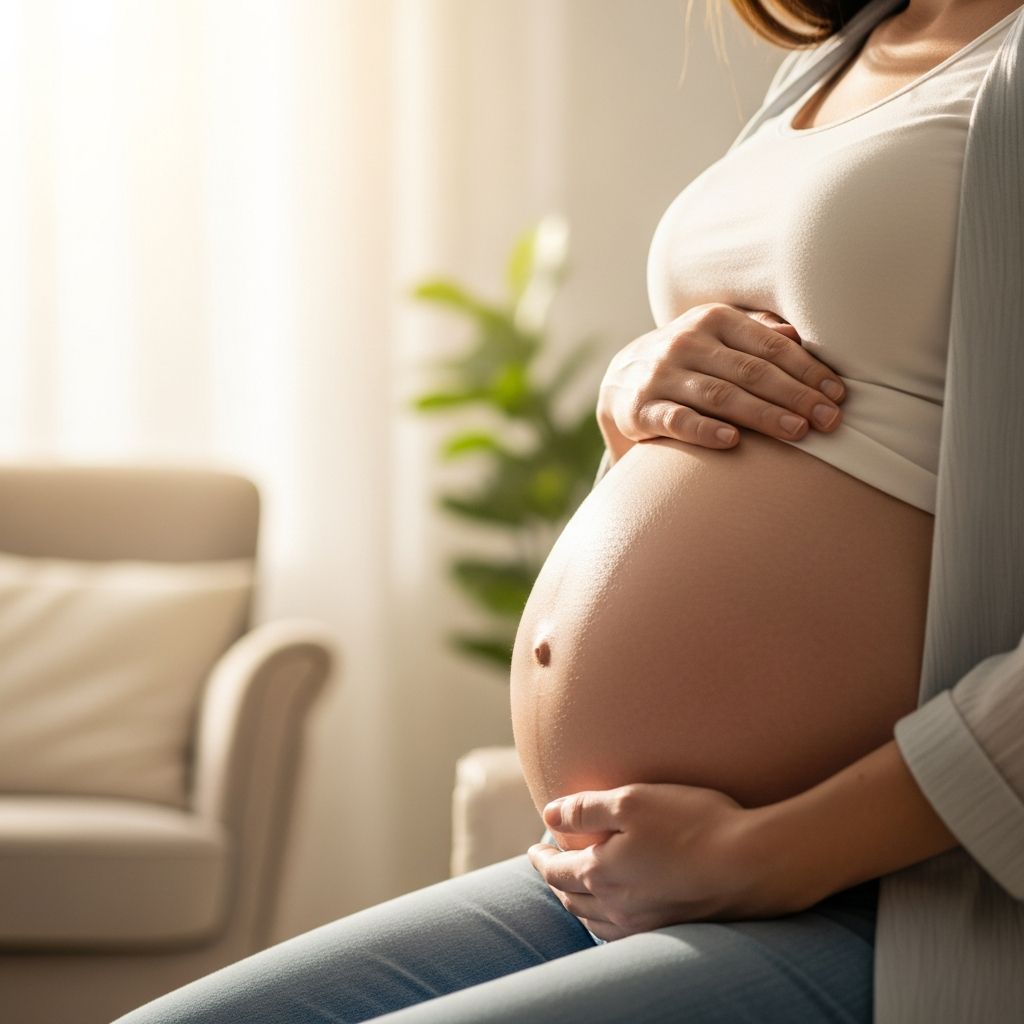
As your uterus grows out of the pelvis and into the abdomen, you may notice a small bump and new kinds of aches.
- Visible bump: Some people begin to show by week 14, while others show later; both are normal.
- Round ligament pain: Brief, sharp pains or pulling sensations on one or both sides of your lower abdomen, especially when changing positions or standing quickly.
Round ligament pain is usually harmless and linked to stretching tissues that support the uterus. If pain is severe, persistent, or accompanied by bleeding, fever, or other concerning symptoms, contact your healthcare provider promptly.
Other Possible Symptoms at Week 14
- Headaches: Can be related to hormonal shifts, sinus changes, stress, or dehydration.
- Nosebleeds and congestion: Increased blood flow and hormonal changes can make nasal passages more fragile.
- Bleeding gums: Gums may become swollen and bleed more easily when you brush or floss.
- Skin changes: Darker patches of skin, especially on the face (sometimes called the “mask of pregnancy”), as well as oilier or spottier skin.
- Constipation and bloating: Slower digestion from progesterone and iron supplements can lead to harder stools and gas.
- Vaginal discharge: A thin, white discharge can increase in normal pregnancies; sudden changes in color, odor, or itchiness should be checked.
Emotional and Relationship Changes
Hormones continue to influence your mood, but the second trimester can also bring psychological shifts as pregnancy begins to feel more real.
- Anxiety or worry: Concerns about baby’s health, work, finances, or birth plans can increase, even when everything is going well.
- Mood swings: Some people feel calmer as physical symptoms improve, while others still experience irritability or tearfulness.
- Relationship adjustments: Partners may respond differently to the pregnancy—more protective, more anxious, or sometimes more distant while they process the change.
- Body image: A growing belly, breast changes, and weight gain can affect self-esteem and comfort with your appearance.
If low mood, anxiety, or intrusive thoughts are intense or persistent, speak to your midwife or doctor. Mental health support in pregnancy is both common and effective, and seeking help early can protect both you and your baby.
Sex, Intimacy, and Libido at 14 Weeks
Many people notice shifts in sexual desire during pregnancy, and these can change from week to week.
- Increased libido: As nausea and fatigue improve and blood flow to the pelvic area increases, some people feel more interested in sex.
- Decreased libido: Others may feel anxious, self-conscious, or simply too tired or uncomfortable.
- Safety: In a healthy pregnancy, sex is usually safe unless your healthcare provider gives specific restrictions (for example, with certain complications or bleeding).
Clear communication with your partner about comfort, preferences, and boundaries can help you both navigate these changes.
Self-Care and Health Tips for Week 14
The second trimester is often an ideal time to build lasting healthy habits and prepare for later stages of pregnancy.
Nutrition Basics
- Focus on varied, nutrient-dense foods such as fruits, vegetables, whole grains, lean proteins, and healthy fats.
- Include sources of iron (beans, lean meat, fortified cereals) and vitamin C (citrus, berries, peppers) to support blood production and help absorb iron.
- Continue taking a prenatal vitamin as recommended by your provider.
- Drink enough water to stay hydrated and help ease constipation and headaches.
Most national health guidelines recommend avoiding alcohol, limiting high-mercury fish, and following food safety practices to reduce the risk of infections during pregnancy.
Movement and Exercise
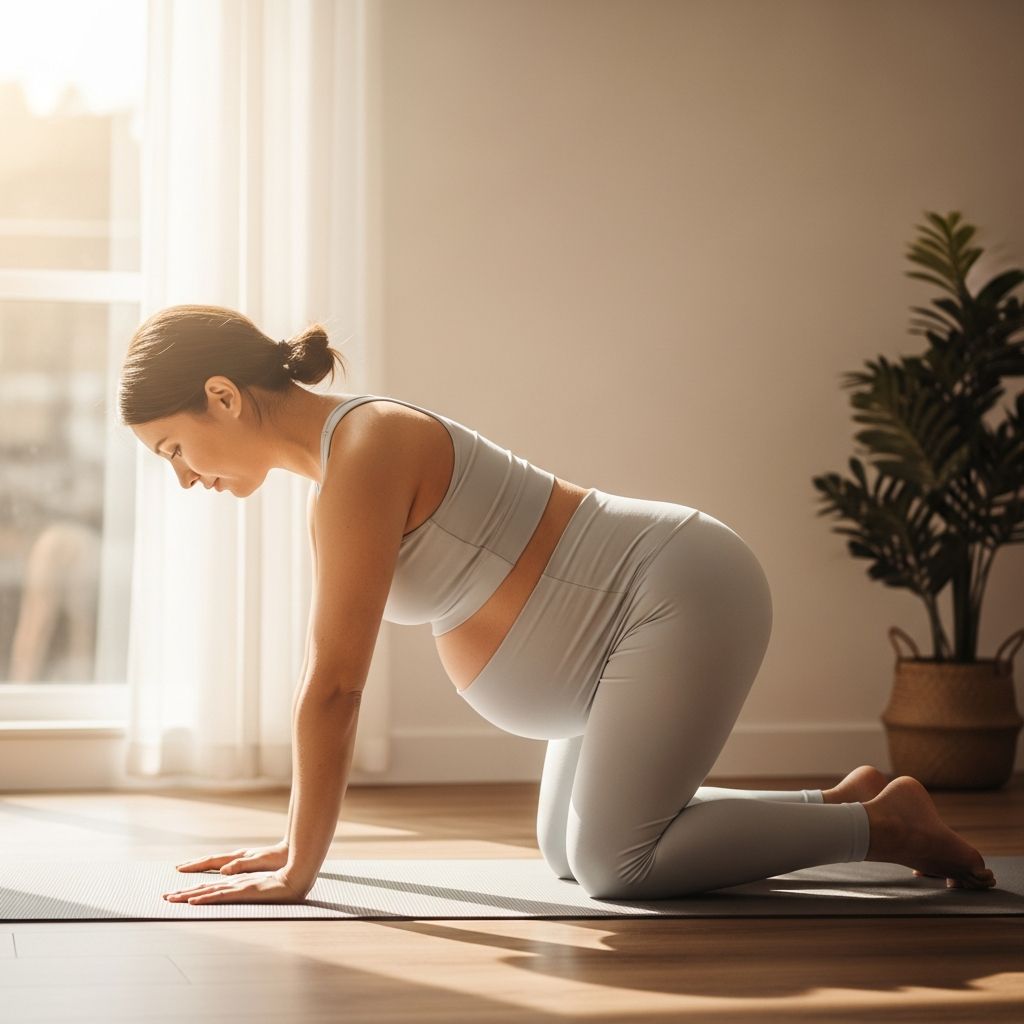
If your provider has cleared you for physical activity, gentle and consistent movement offers many benefits in the second trimester, including improved mood, better sleep, and less back pain.
- Low-impact cardio: Walking, swimming, or stationary cycling.
- Strength and stability: Light resistance exercises that keep your spine neutral and avoid heavy straining.
- Stretching and prenatal yoga: Can help relieve round ligament pain, back aches, and general stiffness.
Avoid activities with a high risk of falling or abdominal trauma. If you experience dizziness, chest pain, vaginal bleeding, fluid leakage, or strong cramps during exercise, stop and contact your healthcare provider.
Comfort Strategies for Common Symptoms
- Round ligament pain: Try changing positions slowly, using a maternity support belt, or resting with cushions supporting your belly and hips.
- Constipation: Increase fluids, fiber-rich foods (whole grains, fruits, vegetables), and gentle movement; ask your provider before using any laxatives.
- Headaches: Ensure regular meals, hydration, rest, and good posture; consult your provider about safe pain relief options.
- Bleeding gums: Use a soft toothbrush and keep regular dental checkups; tell your dentist you are pregnant.
Medical Care and Check-Ins This Week
Depending on your location and schedule, you may have a routine antenatal or prenatal appointment around this time. These visits are an opportunity to monitor both your health and your baby’s growth.
- Vital signs: Your blood pressure, weight, and sometimes urine will be checked.
- Fundal height: As your uterus grows, some providers will begin measuring the size of your bump in the coming weeks.
- Fetal heartbeat: A handheld device may sometimes detect baby’s heartbeat now, though it can still be difficult to find at this stage.
- Screening options: Depending on your earlier tests, your provider might discuss upcoming ultrasounds or blood tests.
Write down questions before your visit so you remember to ask about any new symptoms, exercise plans, travel, work, or emotional health concerns.
Preparing for the Months Ahead
Week 14 can be a good time to think ahead while you still have relatively more energy.
- Review your work and leave plans and explore any policies or paperwork that may be needed.
- Consider childbirth education classes that you might want to attend later in pregnancy.
- Start a simple pregnancy journal to track symptoms, emotions, and questions for your provider.
- Talk with your support network about how they can help now and after baby arrives.
Frequently Asked Questions (Week 14 of Pregnancy)
When will I feel my baby move?
Most people feel the first flutters of movement—known as quickening—between about 16 and 24 weeks of pregnancy. The exact timing depends on factors like whether this is your first pregnancy, where your placenta is located, and your own sensitivity to internal sensations. Not feeling movement yet at 14 weeks is completely expected.
Is cramping or sharp pain normal at 14 weeks?
Mild cramps, pulling sensations, or brief sharp pains on the sides of your lower belly are often caused by stretching ligaments that support your uterus, called round ligament pain. However, if pain is intense, constant, or accompanied by heavy bleeding, fever, or dizziness, contact your healthcare provider urgently.
Should I be eating more now that I’m in the second trimester?
While your appetite may increase, many national guidelines say you generally do not need extra calories at the very start of the second trimester unless advised otherwise by your provider. Instead, focus on nutrient-rich foods, adequate hydration, and steady weight gain in the range your provider recommends for your body type.
Is it safe to exercise at 14 weeks pregnant?
For most people with uncomplicated pregnancies, moderate physical activity such as walking, swimming, or prenatal exercise classes is considered safe and beneficial. Always check with your provider about your specific situation, and stop exercising if you experience warning signs like vaginal bleeding, severe pain, chest pain, or fluid leakage.
Can I still have sex at this stage?
In a healthy pregnancy without specific restrictions from your healthcare provider, sex is generally safe at 14 weeks. If you have a history of certain complications, such as placenta previa, heavy bleeding, or early contractions, your provider might recommend modifications or abstaining, so it is important to follow their guidance.
References
- 14 weeks pregnant guide — NHS. 2023-08-01. https://www.nhs.uk/best-start-in-life/pregnancy/week-by-week-guide-to-pregnancy/2nd-trimester/week-14/
- 2nd trimester pregnancy: What to expect — Mayo Clinic. 2024-01-12. https://www.mayoclinic.org/healthy-lifestyle/pregnancy-week-by-week/in-depth/pregnancy/art-20047732
- Second Trimester of Pregnancy: What to Expect — Cleveland Clinic. 2023-03-21. https://my.clevelandclinic.org/health/articles/16092-pregnancy-second-trimester
- 14 weeks pregnant: baby’s development, anxiety and quitting smoking — Tommy’s. 2023-05-10. https://www.tommys.org/pregnancy-information/im-pregnant/pregnancy-week-by-week/14-weeks-pregnant
- 14 Weeks Pregnant — American Pregnancy Association. 2022-11-15. https://americanpregnancy.org/healthy-pregnancy/week-by-week/14-weeks-pregnant/
- 14 Weeks Pregnant: Baby Development, Symptoms & Tips — Natural Cycles. 2023-02-07. https://www.naturalcycles.com/cyclematters/14-weeks-pregnant
- 14 Weeks Pregnant: Baby Development, Symptoms and Tips — The Bump. 2023-06-19. https://www.thebump.com/pregnancy-week-by-week/14-weeks-pregnant