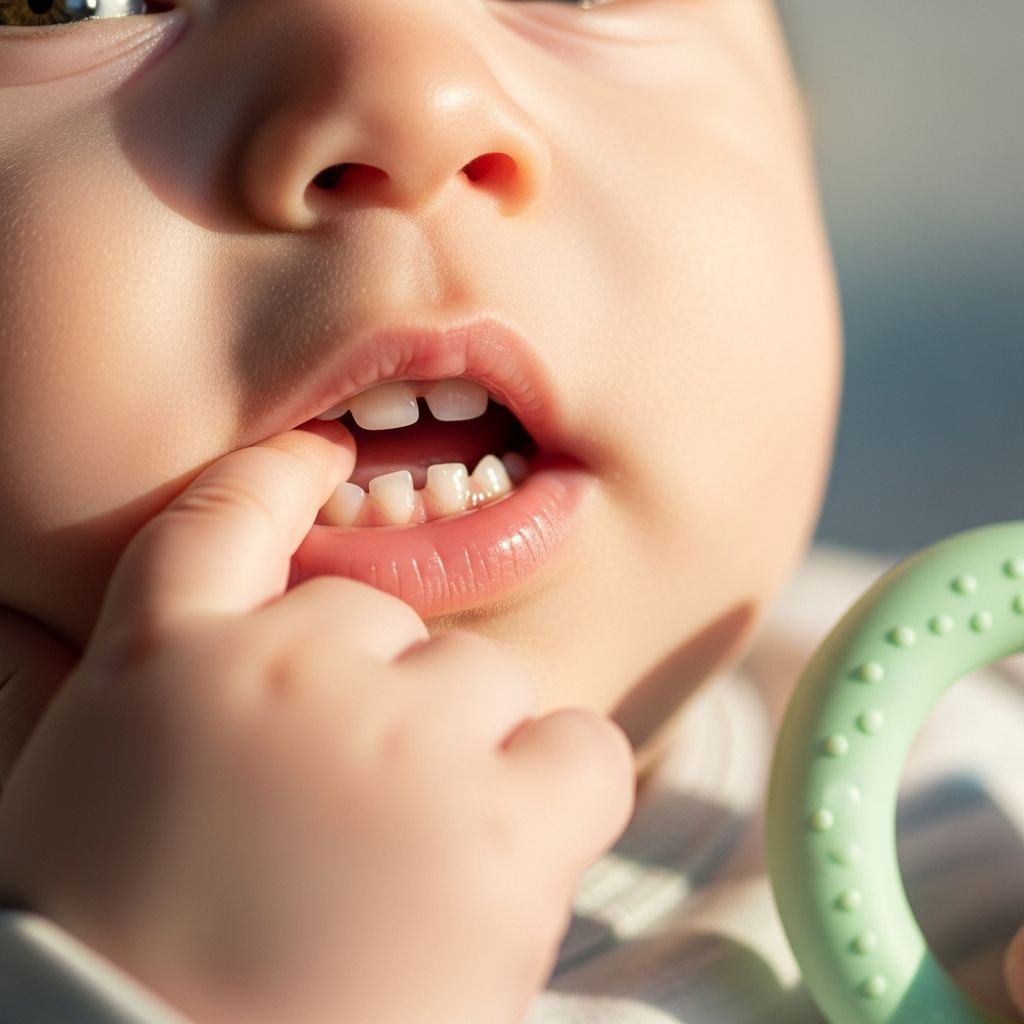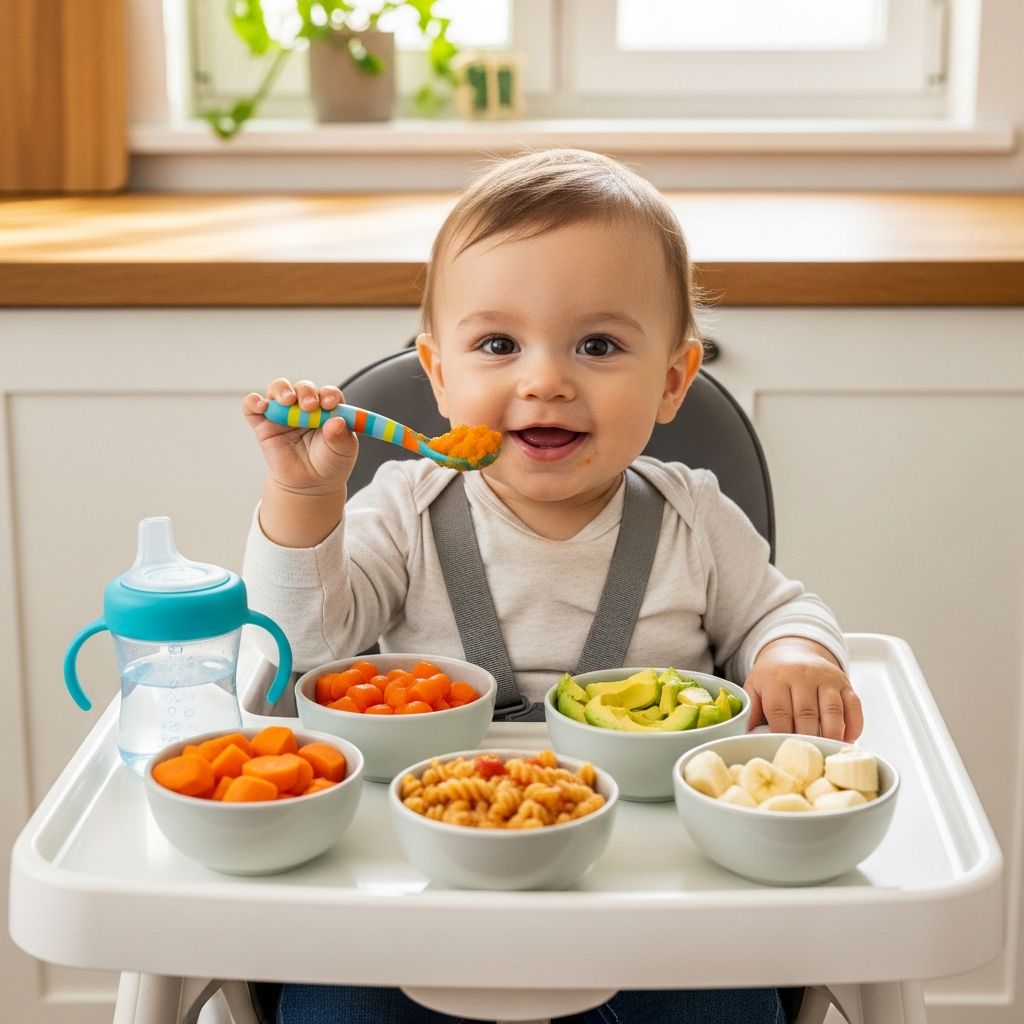
At 13 months, your toddler is transitioning from infancy to more independent eating, with small stomachs requiring frequent, nutrient-dense meals. Toddlers this age need about five to six eating occasions daily to meet energy and growth demands, focusing on a variety of whole foods.
Understanding Nutritional Needs at 13 Months
Toddlers aged 12-24 months have unique requirements due to rapid brain development, bone growth, and increasing mobility. Healthy fats support brain health, proteins build tissues, and iron prevents anemia. Offer a balanced plate with fruits, vegetables, grains, proteins, and dairy at most meals.
- Energy Intake: Approximately 1,000 calories daily, spread across meals and snacks to match small stomach capacity.
- Key Nutrients: Iron from meats or beans, calcium from dairy, vitamin C from fruits for absorption.
- Fluids: Limit milk to 16-24 ounces to avoid displacing solids; prioritize water.
Daily Feeding Rhythm: Schedules and Frequency
Establish a consistent routine with three main meals and two to three snacks every 2-3 hours. This prevents hanger meltdowns and ensures steady nutrition. Solids should precede milk feeds to encourage table food intake.
| Time | Meal/Snack | Example |
|---|---|---|
| 7:00 AM | Breakfast | Oatmeal with mashed banana and milk |
| 9:30 AM | Morning Snack | Yogurt with berries |
| 12:00 PM | Lunch | Chicken, veggies, whole grain |
| 3:00 PM | Afternoon Snack | Cheese and crackers |
| 5:30 PM | Dinner | Fish, sweet potato, peas |
| 7:30 PM | Evening Snack (optional) | Apple slices with nut butter |
Adjust based on your child’s cues; some may skip snacks if meals suffice.
Building a Rainbow Plate: Essential Food Groups
Emphasize variety across food groups for comprehensive nutrition. Aim for child-sized portions: 1/4-1/2 cup fruits/veggies, 1/2-1 oz protein, 1/4-1/2 cup grains per eating occasion.
Fruits and Vegetables
Provide 1-2 cups daily of colorful produce for vitamins and fiber. Fresh, frozen, or canned (low-sodium) work well; cut into small pieces to prevent choking.
- Fruits: Berries, bananas, peaches (1/4-1/2 cup)
- Veggies: Carrots, broccoli, spinach (steamed or soft)
Proteins for Growth
Include lean meats, fish, eggs, beans, or tofu at most meals (1/2-1 oz). These supply iron and zinc crucial for immunity and development.
- Examples: Shredded chicken, salmon (boneless), lentils, scrambled eggs
Whole Grains for Energy
Opt for whole wheat bread, oats, quinoa, or brown rice (1/4-1/2 cup). These provide sustained energy and B vitamins.
Dairy and Alternatives
Whole milk, yogurt, or cheese (1/2 cup per meal) for calcium and fats. Use pasteurized full-fat options; avoid low-fat until age 2.
Healthy Fats
Incorporate avocados, olive oil, or fatty fish for brain-boosting omega-3s.
Sample Day Menus for Inspiration
These menus incorporate family-friendly foods, adjusted for toddler portions. Include three food groups per meal, two per snack.
Breakfast Ideas
- 1/2 cup iron-fortified oatmeal, 1/2 sliced banana, 1/2 cup whole milk
- Scrambled egg, whole grain toast fingers, strawberry slices
Lunch Samples
- 1 oz turkey, 1/4 cup steamed carrots, 1/4 cup quinoa, 1/2 cup milk
- Bean puree with soft sweet potato and cheese cubes
Dinner Options
- 2 oz chopped salmon, 1/4 cup peas, 1/3 cup whole wheat pasta with olive oil
- Lentil stew, broccoli florets, brown rice
Snack Combinations
- 1/2 pear, 1/3 cup yogurt, water
- Whole grain crackers, cheese slices, veggie sticks with dip
Hydration and Beverage Best Practices
Water is ideal between meals (2 cups daily). Serve milk (16-24 oz total) with meals, not between, to promote solid food appetite. Avoid juice, sugary drinks, or rice milk under age 5.
- Open Cup Practice: Transition from bottles using open or straw cups at meals.
- Portion Tip: 4 oz milk per meal max.
Safety First: Choking Hazards and Preparation
Cut foods into pea-sized pieces, remove seeds/skins, and supervise always. Mash or puree tougher items initially. Avoid honey, whole nuts, popcorn, and hard candies.
| Safe Prep | Choking Risk Foods | Alternatives |
|---|---|---|
| Grapes: Quarter lengthwise | Whole grapes | Mashed berries |
| Hot dogs: Cut into tiny dice | Coin-shaped slices | Ground meat patties |
| Nut butter: Thin spread | Thick globs | Mixed into yogurt |
Navigating Picky Eating and Transitions
Neophobia peaks around 13 months; offer new foods repeatedly (10-15 times) without pressure. Eat together as a family, let child self-feed with utensils, and maintain routines.
- Tips: Pair liked with new foods; avoid short-order cooking; celebrate efforts.
- Milk Weaning: By 16 months, shift to cups; solids primary nutrition source.
Special Considerations: Allergies and Milestones
Introduce common allergens (peanut, egg, fish) early if no history. Watch for signs like rash or vomiting. Consult pediatrician for growth concerns or refusal.
Frequently Asked Questions (FAQs)
What if my 13-month-old refuses solids?
Offer milk first to curb hunger, then solids. Space milk feeds; persistence pays off as appetite grows.
How much milk is too much?
Cap at 16-24 oz daily to ensure room for iron-rich foods.
Can I use plant-based milks?
Fortified soy is best; others after consulting doctor, as full-fat cow’s milk preferred until 2.
What about juice?
Avoid entirely; water or milk suffices. Diluted 100% juice sparingly if needed.
Signs of readiness for more textures?
Pincer grasp, chewing well, interest in family foods indicate progression.
References
- What to Feed Toddlers 12-24 Months — Healthy Eating Research. 2021-08. https://healthyeatingresearch.org/wp-content/uploads/2021/08/What-to-feed-12-24-month-olds.pdf
- Baby Feeding Schedules – 6 to 24 Months — Solid Starts. N/A. https://solidstarts.com/feeding-schedules/
- 1 year and beyond – Feeding your baby — NHS. N/A. https://www.nhs.uk/best-start-in-life/baby/weaning/what-to-feed-your-baby/over-12-months/
- Here’s Exactly How to Feed Your 1-Year-Old (With a Sample Menu!) — Happiest Baby. N/A. https://www.happiestbaby.com/blogs/toddler/sample-menu-1-year-old
- How Much and How Often To Feed — CDC. N/A. https://www.cdc.gov/infant-toddler-nutrition/foods-and-drinks/how-much-and-how-often-to-feed.html
- Sample Menu for a 1-Year-Old Child — HealthyChildren.org (AAP). N/A. https://www.healthychildren.org/English/ages-stages/baby/feeding-nutrition/Pages/Sample-One-Day-Menu-for-a-One-Year-Old.aspx
- Feeding Your 1- to 2-Year-Old — Nemours KidsHealth. N/A. https://kidshealth.org/en/parents/feed12yr.html