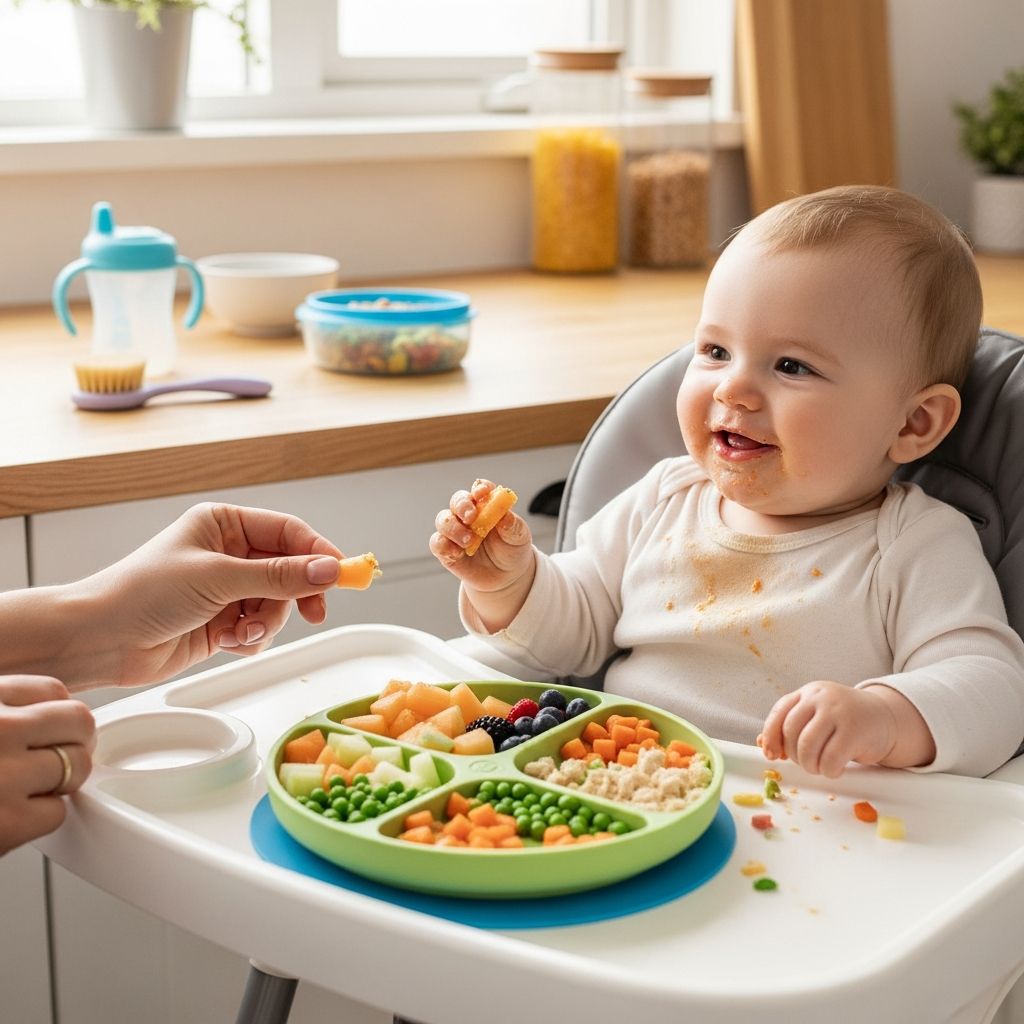
At 13 months, your child is quickly transitioning from baby to toddler, and mealtimes start to look much more like the rest of the family’s. This age is all about variety, practice, and patience as your little one learns to enjoy new tastes and textures while still getting the nutrition needed for rapid growth.
This guide walks through what and how much to offer, how often to feed, and how to handle common feeding challenges, all in a practical, parent-friendly way.
What Nutrition Looks Like at 13 Months
A 13-month-old typically gets most nutrients from solid foods, with milk still playing an important but smaller role than in the first year. The goal is to offer a mix of food groups, not to count every bite or calorie at each meal.
Instead of focusing on a single meal or day, think about balance across several days. Some days your toddler will eat a lot, other days very little; this is normal as long as growth and energy levels remain steady.
Key Food Groups to Include
Offering a variety from each major food group helps cover your child’s nutrient needs and exposes them to different flavors and textures. Aim to include at least 3–4 food groups at most meals.
- Fruits and vegetables: Provide vitamins, minerals, and fiber. Serve them soft and cut into toddler-friendly pieces.
- Grains: Choose mostly whole grains (such as oatmeal, whole-wheat bread, or brown rice) for long-lasting energy and fiber.
- Proteins: Offer soft meats, poultry, fish with all bones removed, beans, lentils, tofu, and eggs to support growth and development.
- Dairy or fortified alternatives: Whole milk, yogurt, and cheese (or fortified soy if needed) provide calcium, protein, and fat.
- Healthy fats: Avocado, nut butters (spread thinly), seeds ground into foods, and oils like olive or canola support brain growth.
How Much and How Often to Feed
Toddlers have small stomachs and high energy needs, so it helps to offer food regularly throughout the day. Most 13-month-olds do well with three main meals plus two or three snacks.
Portions do not need to be large. A good rule of thumb is to start with a few tablespoons of each food and allow your child to ask for more if still hungry.
Typical Daily Eating Rhythm
- Breakfast
- Morning snack
- Lunch
- Afternoon snack
- Dinner (and an optional small evening snack if needed)
Spacing food every 2–3 hours helps keep your toddler’s energy steady and reduces meltdowns related to hunger.
Sample Portion Ranges
Every toddler is different, but the table below offers approximate portion ranges that are often reasonable for a 13-month-old. Your child may eat more or less depending on appetite and activity.
| Food Group | Example Foods | Typical Portion Range per Meal or Snack |
|---|---|---|
| Fruit | Soft banana slices, very ripe pear, cooked apple | 2–4 tablespoons (about 1/8–1/4 cup) |
| Vegetables | Steamed carrots, peas, sweet potato, zucchini | 2–4 tablespoons (about 1/8–1/4 cup) |
| Grains | Oatmeal, pasta, rice, small pieces of bread or tortilla | 2–4 tablespoons, or 1/4 slice of bread up to 1/2 slice |
| Protein foods | Shredded chicken, beans, tofu, egg | 1–3 tablespoons, or 1/4–1/2 of a cooked egg |
| Dairy | Whole milk, yogurt, cheese | 2–4 ounces milk or yogurt, or 1/2–1 ounce cheese |
| Healthy fats | Avocado, nut butter spread thinly, olive oil in cooking | 1–2 teaspoons per meal as part of other foods |
Use this table as a flexible guide, not a strict rule. Trust your child’s hunger and fullness cues rather than trying to make them finish a specific amount.
Milk, Water, and Other Drinks
At 13 months, many toddlers have transitioned from formula or breast milk as the main source of nutrition to a pattern that includes cow’s milk or a suitable fortified alternative, plus water throughout the day.
In general, most toddlers do well with about 2–3 servings of dairy daily from a mix of milk, yogurt, and cheese, while water is offered freely with meals and snacks.
Simple Drink Guidelines
- Milk: Offer whole milk in a cup with meals and/or snacks if your child drinks cow’s milk, or a fortified unsweetened alternative recommended by your health provider.
- Water: Provide small, frequent sips during and between meals to help meet fluid needs and prevent constipation.
- Juice: If used at all, keep it minimal, dilute with water, and serve only in an open cup or sippy cup, not a bottle.
- Avoid: Sugary drinks like soda, sweetened teas, flavored milks, and sports drinks, which contribute extra sugar without important nutrients.
Encouraging Self-Feeding and Good Habits
By 13 months, many toddlers are eager to feed themselves. This is messy but important: self-feeding builds coordination and helps children tune into their own hunger and fullness signals.
Parents can support this stage by offering safe finger foods, providing child-sized utensils, and eating together as often as possible so the toddler can copy family habits.
Tips for Positive Mealtimes
- Seat your child in a safe, upright high chair at the table.
- Turn off screens and keep toys away from the eating area.
- Offer one or two familiar foods along with any new food so there is always something your toddler recognizes.
- Allow 15–30 minutes for meals and 10–15 minutes for snacks, then calmly end the meal without pressure.
- Let your toddler touch, smell, and play a little with food as part of learning, within reasonable limits.
Sample One-Day Menu for a 13-Month-Old
The sample below shows one of many balanced ways to feed a 13-month-old. Adjust amounts and specific foods to your child’s appetite, culture, and any dietary restrictions.
| Time | Meal or Snack | Example Foods |
|---|---|---|
| Breakfast | Morning meal | Soft cooked oatmeal with mashed banana, a spoonful of peanut butter stirred in (if already safely introduced), plus a small cup of whole milk or water. |
| Mid-morning | Snack | Very ripe pear pieces and small cubes of cheese with water. |
| Lunch | Midday meal | Soft cooked rice, finely shredded chicken, and steamed carrot rounds, served with yogurt and water. |
| Afternoon | Snack | Whole-grain toast strips lightly spread with avocado and water. |
| Dinner | Evening meal | Small pieces of soft pasta with a vegetable-based sauce, peas, and a side of fruit, plus milk or water. |
This is only one example. Any combination of foods that hits similar food groups and textures can be just as nutritious.
Managing Picky Eating at 13 Months
Even at 13 months, some toddlers show early signs of picky eating. They may suddenly refuse a favorite food, want the same food repeatedly, or reject anything new.
While frustrating, these phases are common and often temporary. Consistency and low-pressure exposure usually matter more than short-term intake.
Strategies for Picky Toddlers
- Keep offering new foods alongside familiar favorites without forcing bites.
- Offer very small portions of new foods (even one or two bites) so they feel less overwhelming.
- Let your toddler see you eat and enjoy the same foods.
- Avoid negotiating or bribing with dessert or treats to get them to eat other foods.
- Stay calm if food is refused; simply remove it when mealtime ends and try again another day.
Foods to Avoid or Limit for Safety
Because 13-month-olds are still learning to chew and swallow safely, certain foods pose a choking or safety risk. Others are best avoided for nutrition or dental reasons.
Preparing foods in toddler-appropriate textures—soft, well-cooked, and in small pieces—helps reduce risk and makes eating more enjoyable.
Common Choking Hazards
- Whole nuts and large spoonfuls of nut butter (serve nut butter thinly spread or mixed into other foods).
- Whole grapes, cherry tomatoes, or large berries (serve cut into small pieces).
- Hard, raw vegetables like carrot coins (steam or cook until soft and cut finely).
- Hard candies, popcorn, chunks of tough meat, and hot dogs in thick rounds (if served, cut hot dogs lengthwise and then into small pieces).
Foods to Limit for Health
- Heavily salted foods such as chips and many processed snacks.
- Foods and drinks high in added sugars like candy, sweetened cereals, and sugary beverages.
- Very fried or greasy foods that may upset a toddler’s stomach.
Reading Hunger and Fullness Cues
One of the healthiest long-term habits a toddler can learn is to eat when hungry and stop when full. Parents help protect this ability by offering regular meals and snacks, then allowing the child to decide how much to eat from what is offered.
Pressure to eat more or restrictions that make certain foods too exciting can disrupt this natural self-regulation over time.
Signs Your Toddler Is Hungry
- Excitedly reaching for food or pointing to the kitchen.
- Getting fussy around usual meal or snack times.
- Opening the mouth eagerly when food is offered.
Signs Your Toddler Is Full
- Turning the head away or pushing food away.
- Playing more with food than eating after initially eating well.
- Closing the mouth or spitting food out repeatedly.
Respecting these cues builds trust and reduces power struggles, making future mealtimes more peaceful.
Frequently Asked Questions
How much milk should my 13-month-old drink?
Most toddlers at this age do well with several small servings of milk spread across the day rather than large bottles. A typical pattern is to offer milk with meals and possibly one snack, while relying on solid foods for most calories and nutrients.
My 13-month-old barely eats some days. Is this normal?
Yes, appetite can vary significantly from day to day. Growth slows after the first year, so toddlers no longer need the same constant intake they did as infants. If your child is energetic, growing along their own growth curve, and seems generally well, occasional light-eating days are usually not a concern.
Should I still be using bottles?
Many parents start phasing out bottles around the first year and move toward cups. Offering milk and water mostly in an open cup or straw cup supports oral development and reduces the risk of tooth problems associated with frequent bottle use, especially at night.
Can my 13-month-old eat the same food as the rest of the family?
In many cases, yes. The main adjustments are to the texture, size, and seasoning of family foods. Keep salt and added sugar low, cook foods until soft, and cut them into small, manageable pieces. Serving a deconstructed version of family meals often works well—for example, plain chicken pieces, soft vegetables, and pasta separately rather than a heavily seasoned mixed dish.
When should I talk to a doctor or dietitian?
Reach out to a health professional if your 13-month-old is consistently refusing most foods, gaining weight very slowly or losing weight, having frequent vomiting or diarrhea after meals, or showing signs of difficulty chewing and swallowing. Professional guidance can help identify whether there is an underlying medical or feeding issue and provide a tailored plan.
Key Takeaways for Busy Parents
- Offer three meals and two to three snacks each day, spaced a few hours apart.
- Serve a variety of fruits, vegetables, grains, proteins, and dairy across the week, without stressing over any single meal.
- Encourage self-feeding, accept some mess, and model the eating habits you hope your child will adopt.
- Focus on safety by avoiding choking hazards and keeping added salt and sugar low.
- Trust your toddler’s appetite and seek professional advice if concerns about growth or feeding persist.