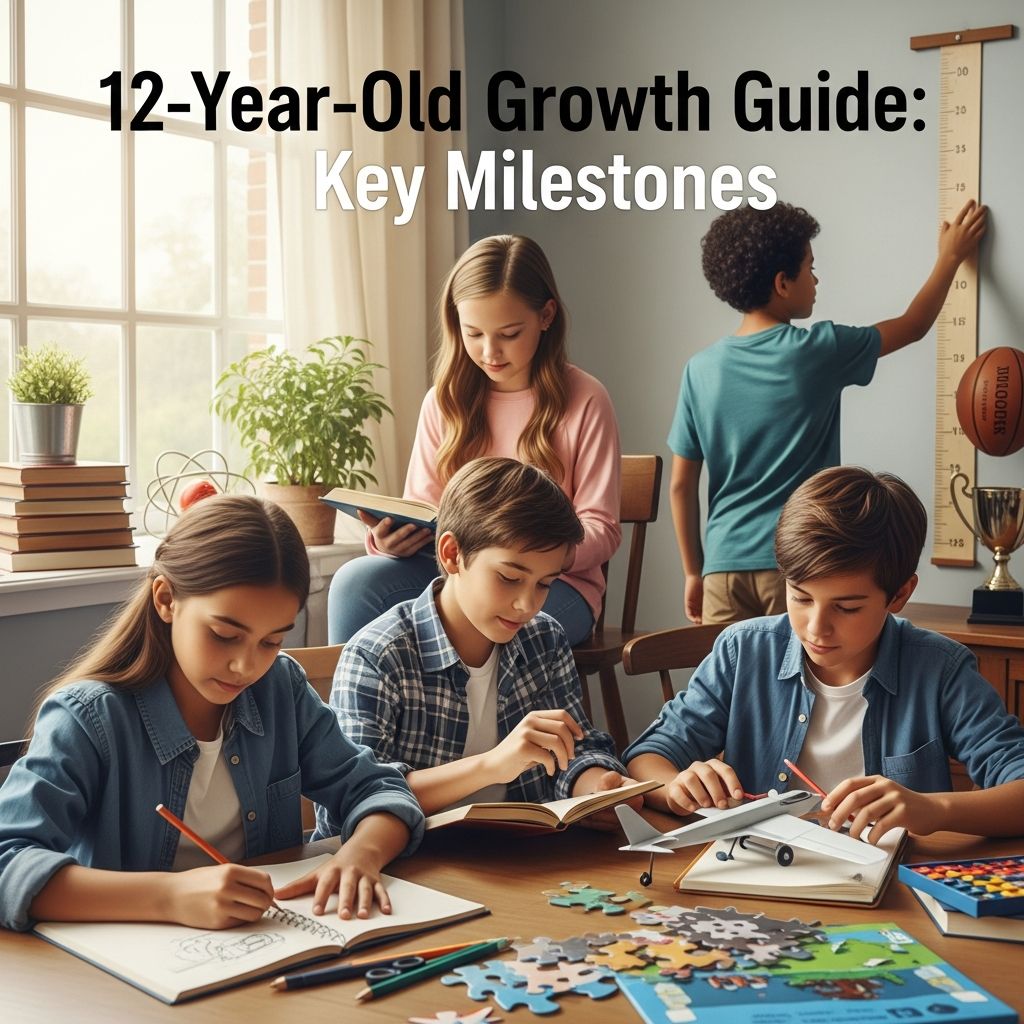
At age 12, children stand at the threshold of adolescence, experiencing rapid transformations across multiple domains. This period marks the onset of puberty for many, alongside heightened cognitive abilities, emotional complexities, and a push toward greater autonomy. Parents can best support their tweens by recognizing these shifts, fostering open communication, and providing structured guidance. This guide draws from established pediatric insights to outline expected progressions.
Physical Transformations in Tweens
Twelve-year-olds often enter puberty, leading to noticeable bodily changes. Girls may begin menstruating, develop breast tissue, and notice leg or underarm hair growth, while boys experience increased muscle mass, voice deepening, and facial hair emergence. Coordination improves significantly, enabling prowess in sports, drawing, painting, and precise handwriting.
Growth spurts are common, accompanied by heightened appetites and sleep needs. Boys build muscular frames, and both genders gain better balance and agility for activities like cycling or team games. Wellness milestones emphasize daily physical activity to enhance strength, coordination, and lifelong health habits, reducing risks of obesity and chronic conditions.
- Increased appetite and need for 9-11 hours of sleep nightly.
- Enhanced fine motor skills for tools, art, and sports equipment.
- Puberty signs: height surges, body hair, and reproductive maturation.
| Gender | Common Physical Changes | Activity Recommendations |
|---|---|---|
| Girls | Menstruation onset, breast development, height growth | Moderate cardio like swimming, yoga for flexibility |
| Boys | Muscle gain, voice change, broader shoulders | Strength training, team sports for coordination |
| Both | Improved hand-eye coordination, appetite surge | 60 minutes daily activity: play, biking, dance |
Cognitive and Learning Advances
Cognitively, 12-year-olds demonstrate complex thinking, grasping cause-and-effect, time concepts, and future planning. They excel in problem-solving, categorize objects logically, handle multi-step math like fractions and two-digit operations, and understand reversibility in equations.
Attention spans lengthen, supporting sustained focus on challenging schoolwork. They name dates fully, sequence months, and engage in abstract reasoning about morality and consequences. Reading fluency allows story-writing and comprehension of nuanced texts.
- Logical organization of thoughts and arguments.
- Academic skills: addition/subtraction mastery, basic fractions.
- Extended concentration for hobbies or homework.
Emotional Maturity and Challenges
Emotions fluctuate intensely at 12, with mood swings from euphoria to sadness, influenced by hormonal shifts and peer dynamics. Tweens develop empathy, reading facial cues and others’ perspectives, but grapple with self-criticism, perfectionism, and stress from academics or body image.
They express feelings verbally more effectively, yet question family values and exhibit impatience or rudeness under pressure. Peer approval weighs heavily, sometimes leading to anxiety, depression risks, or unhealthy coping like disordered eating. Building resilience involves validating emotions and teaching self-regulation.
Key emotional traits include:
- Stronger guilt, shame, and moral awareness.
- Mood volatility, especially around puberty.
- Increased self-focus and confidence fluctuations.
Social Dynamics and Peer Influence
Socially, 12-year-olds prioritize friends, forming same-gender best friendships and group plans. They respond to tone and intent in conversations, use appropriate volume, and enjoy phone chats or texting. Peer pressure intensifies, impacting behavior and affection displays around others.
Imagination fuels play, humor emerges with jokes, and they seek admiration from teachers or peers. Less parent affection shown publicly, but family remains foundational. Encourage balanced social circles to counter negative influences.
- Best friend bonds and group activities.
- Humor appreciation and imaginative games.
- Navigating peer opinions on appearance and choices.
Fostering Independence and Self-Care
Independence blossoms as tweens dress fully, groom without aid, and manage routines like teeth brushing. They make decisions, understand private thoughts, and dedicate time to hobbies, signaling self-regulation growth.
Awareness of bodily changes prompts hygiene focus, like deodorant use. Parents guide by allowing choices within boundaries, promoting responsibility in chores and time management. This stage builds decision-making for adolescence.
| Skill Area | Milestone | Parental Support Tip |
|---|---|---|
| Daily Routines | Full self-dressing, grooming | Provide outfits, teach laundry basics |
| Decision-Making | Chooses activities, plans with friends | Discuss pros/cons, set safety rules |
| Hobbies | Independent pursuit of interests | Allocate time, supply materials |
Communication and Language Skills
Language refines with easy communication, story-writing, and responsive dialogue. They read proficiently, engage in extended talks, and adapt speech to context, enhancing social bonds.
Supporting Healthy Development
Promote nutrition, sleep, and 60 minutes of exercise daily. Monitor for delays like persistent attention issues or emotional distress, consulting professionals if needed. Open dialogues about puberty, body positivity, and stress management are vital.
Activities like sports build confidence; creative outlets channel energy. School challenges require study strategies. Balanced screen time prevents isolation.
Frequently Asked Questions (FAQs)
Is puberty starting at 12 normal?
Yes, many 12-year-olds begin puberty, with girls often earlier than boys. Signs vary; consult a doctor for concerns.
How can I help with mood swings?
Validate feelings, encourage expression, maintain routines, and model calm responses to build emotional tools.
What if my child struggles academically?
Extended attention aids complex tasks, but check for attention issues. Offer structured help or professional evaluation.
Should I worry about peer pressure?
Monitor influences, teach assertiveness, and nurture family ties to balance peer impact positively.
How much independence is appropriate?
Gradual choices in routines and hobbies foster growth; supervise for safety while respecting privacy.
References
- Developmental Milestones for Grade Schoolers (6–12-Years) — JoinCoralCare. 2023. https://www.joincoralcare.com/developmental-guides/milestones-grade-schoolers-6-12-years
- Your Son at 12: Milestones — WebMD. 2023-10-15. https://www.webmd.com/parenting/son-12-milestones
- Developmental Milestones for 12-14 Year Olds — Children’s Neuropsychology. 2024. https://www.childrensneuropsych.com/parents-guide/milestones/12-14-years/
- Developmental milestones: 12 to 14 years old — Airline Health Center. 2023. https://www.airlinehealthcenter.org/milestones-ages-12-14/
- Growth & Development: 6 to 12 Years (School Age) — CHOC. 2024-01-10. https://choc.org/ages-stages/6-to-12-years/
- Milestones for Ages 11 to 14 — Kaiser Permanente. 2023. https://healthy.kaiserpermanente.org/health-wellness/health-encyclopedia/he.milestones-for-ages-11-to-14.abo8758