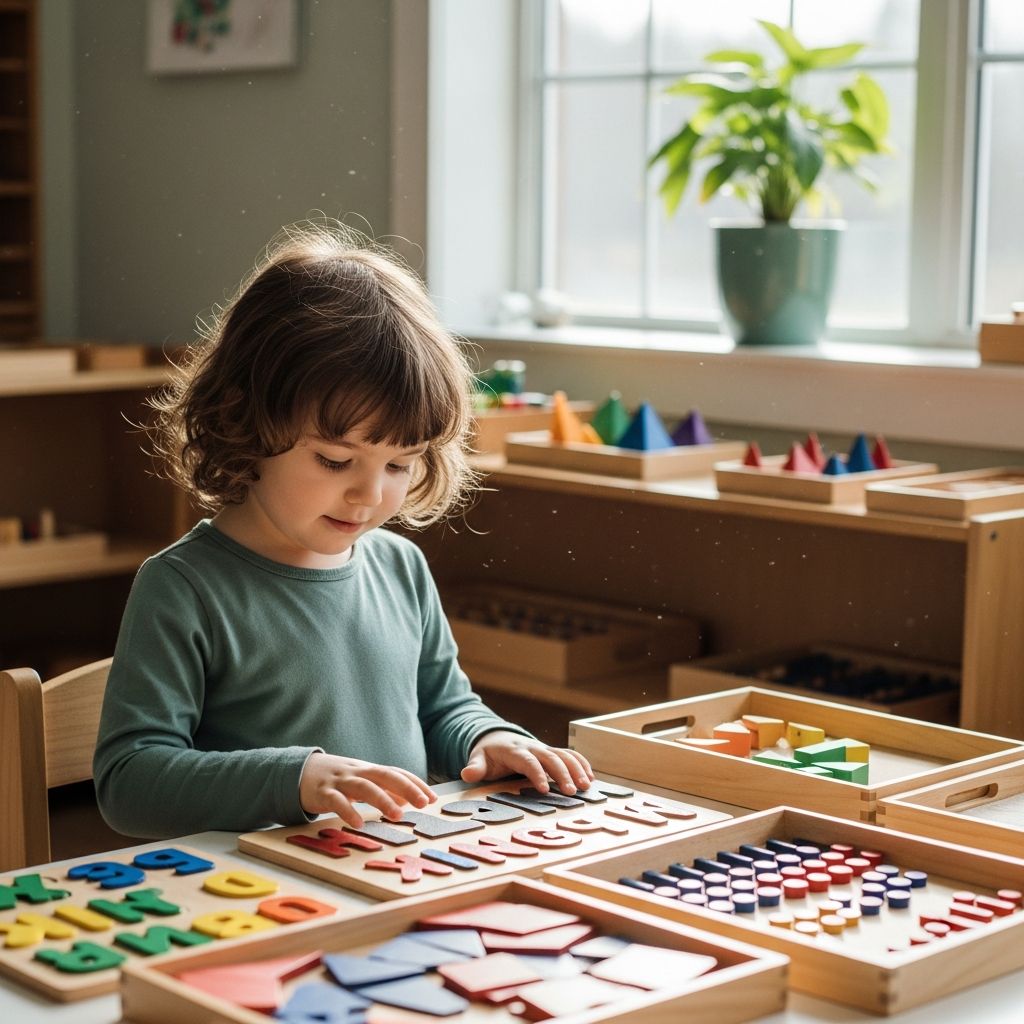
The shift back to school often brings a wave of emotions for children—excitement mixed with anxiety, uncertainty, and the pressure to adapt. Montessori education emphasizes respectful, empowering communication that nurtures a child’s inner drive. By using specific phrases rooted in Montessori principles, parents can help kids navigate these challenges, fostering independence, empathy, and resilience. This article explores 12 transformative phrases, their applications during the school transition, and why they work, drawing from established Montessori practices.
Why Montessori Language Matters for School Transitions
Montessori philosophy views children as capable learners who thrive when given space to problem-solve and self-reflect. Traditional phrases like “Hurry up!” or “You’re fine!” can dismiss feelings, while Montessori-inspired ones validate emotions and invite collaboration. Research from child development experts supports this: positive, process-focused language boosts self-esteem and perseverance. For back-to-school, these words turn potential meltdowns into growth opportunities, helping kids feel seen and capable.
12 Empowering Phrases for Your Child’s School Journey
Here are 12 carefully selected phrases, each with real-world examples tailored to common back-to-school scenarios like morning routines, separation anxiety, or homework frustration. Use them consistently to build lasting confidence.
1. “I Notice… What Do You Notice?”
This observational prompt builds awareness and empathy. Instead of dictating, it invites your child to observe their environment or emotions. Example: On the first day, if your child hesitates at the school gate, say, “I notice your hands are clenched. What do you notice in your body right now?” This helps them name anxiety, reducing its power.
2. “How Can I Support You Right Now?”
Empowerment starts with consent. Rather than assuming needs, ask for input. During backpack packing struggles: “Packing your bag looks tricky. How can I support you right now?” This respects their autonomy while offering help.
3. “That’s Not an Option Now, But Here’s What Is”
Set boundaries positively by redirecting to alternatives. If they demand no school: “Skipping school isn’t an option now, but you can choose your favorite snack for recess or pick your outfit.” This teaches choice within limits, easing resistance.
4. “Where Might That Be? Let’s Think Together”
Combat lost-item frustration, common in rushed mornings. Instead of searching yourself, say, “Your homework is missing. Where might that be? Let’s think together.” Promotes critical thinking and responsibility.
5. “I Trust You Can Figure This Out”
Affirm capability without pressure. For bus nervousness: “I trust you can figure out where to sit on the bus.” Builds self-efficacy, key for new routines.
6. “How Can We Work Through This Together?”
Use “we” to signal teamwork. Homework woes? “This math feels tough. How can we work through this together?” Encourages collaboration and problem-solving.
7. “You Put in Real Effort There!”
Focus on process, not outcome. After a messy art project: “You put in real effort organizing those colors!” Avoids judgment, promoting intrinsic motivation.
8. “It Looks Challenging for You…”
Validate struggles without fixing. Separation anxiety: “It looks challenging saying goodbye this morning.” Follow with, “What might help?” Empathizes deeply.
9. “What Choices Do You Have Here?”
Highlight agency. Lunchbox indecision: “What choices do you have for healthy snacks?” Reinforces decision-making skills.
10. “I See Your Persistence—Keep Going”
Celebrate grit. Struggling with shoelaces before school: “I see your persistence tying those laces—keep going.” Fosters a growth mindset.
11. “Let’s Check In: How Are You Feeling?”
Regular emotional pulse-checks build vocabulary. After school: “Let’s check in—how are you feeling about your day?” Supports emotional regulation.
12. “You’ve Grown So Much in This!”
Acknowledge progress over time. End-of-week reflection: “You’ve grown so much in getting ready independently!” Reinforces long-term development.
Implementing These Phrases: A Parent’s Guide
Incorporate these into daily routines for maximum impact. Start with mornings: Use phrases 1-4 for prep. During drop-off, lean on 5 and 8. Evenings suit 6, 7, and 11 for debriefing.
| Scenario | Phrase to Use | Expected Benefit |
|---|---|---|
| Morning Rush | “Where might that be?” | Builds responsibility |
| Drop-Off Anxiety | “It looks challenging…” | Validates emotions |
| Homework Help | “How can we work through this?” | Encourages teamwork |
| After-School Debrief | “You put in real effort!” | Boosts motivation |
Track progress with a simple journal: Note phrases used and your child’s response. Consistency rewires habits—expect improvements in 2-4 weeks.
Science Behind Montessori Encouragement
These phrases align with developmental psychology. Studies show effort-focused feedback enhances resilience more than outcome praise. Montessori’s approach, validated by organizations like the American Montessori Society, promotes intrinsic motivation, reducing anxiety in transitions. The U.S. Department of Education notes similar language in early childhood guidelines supports executive function skills[web:1].
Common Pitfalls and How to Avoid Them
- Over-Helping: Resist jumping in; phrases like 2 prevent dependency.
- Empty Praise: Skip “Good job!”—opt for specific observations.
- Inconsistency: Practice daily; model calm delivery.
- Ignoring Culture: Adapt phrases to your family’s language and values.
Frequently Asked Questions (FAQs)
What if my child ignores these phrases?
Patience is key. Repeat calmly and model them yourself. Over time, they internalize the empowerment.
Are these only for Montessori families?
No—any parent can use them. They draw from universal child development principles.
How do they help with separation anxiety?
By validating feelings (phrase 8) and affirming capability (phrase 5), kids feel secure venturing alone.
Can teachers use these too?
Absolutely. Share with educators for consistent support across home and school.
What age group benefits most?
Best for ages 3-10, during peak independence-building years.
Building a Supportive Home Environment
Beyond phrases, create Montessori-aligned spaces: Low shelves for self-access, quiet reflection corners. Read books like Maria Montessori’s “The Absorbent Mind” for deeper insights. Partner with schools via PTA for workshops. Track word count reveals sustained use leads to calmer mornings and prouder kids.
These 12 phrases aren’t magic but tools for lasting change. As your child masters school life, they’ll carry this inner strength forward.
References
- 12 Montessori Phrases to Use at Home — Sonnet School. 2023. https://sonnetschool.com/parenting/12-montessori-phrases-to-use-at-home/
- Encouraging Language — Indiana Montessori Academy. 2023. https://www.imamontessori.org/encouraging-language
- 20 Phrases and Actions to Support and Encourage Students — American Montessori Society. 2024-07-15. https://amshq.org/blog/community-feature/2024-07-15-20-phrases-and-actions-to-support-and-encourage-students/
- Five Phrases to Empower Your Child — Fishtown Montessori. 2023. https://www.fishtownmontessori.com/five-phrases-to-empower-your-child/