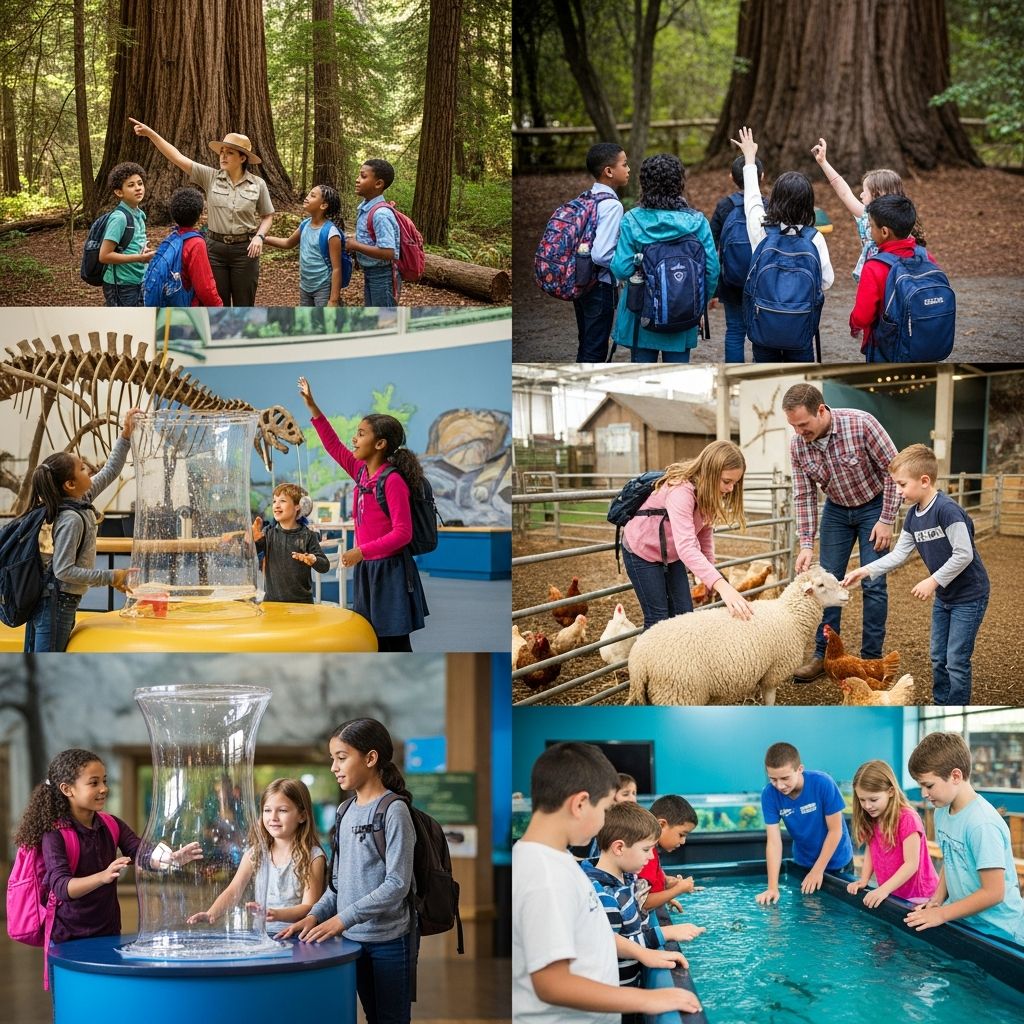
By the time children reach 10 years old, they stand at a pivotal stage where foundational abilities can shape their path to adulthood. Mastering practical competencies not only boosts their self-reliance but also prepares them for real-world demands. This guide outlines 12 critical skills, drawing from expert insights on child development, to help parents nurture capable, confident kids.
Building a Strong Foundation: Why These Skills Matter
Early acquisition of life skills correlates with better academic performance, emotional regulation, and social integration. According to child development specialists, routines that embed these abilities foster neuroplasticity, enhancing problem-solving and adaptability. Parents play a central role as models, turning daily activities into teachable moments without overwhelming young learners.
1. Mastering Personal Hygiene Routines
Children should independently handle daily grooming to instill self-respect and health awareness. Start with supervised brushing, showering, and dressing, gradually reducing oversight. Use visual checklists for tasks like flossing or nail trimming to build habits.
- Brushing teeth twice daily with proper technique.
- Complete bathing, including hair washing.
- Selecting weather-appropriate clothing.
Consistent practice prevents health issues and promotes body positivity.
2. Organizing and Cleaning Living Spaces
A tidy environment teaches value in possessions and time management. Assign age-appropriate chores like making beds, sorting laundry, or wiping surfaces. Involve kids in decluttering decisions to develop organizational thinking.
| Task | Frequency | Tools Needed |
|---|---|---|
| Make bed | Daily | None |
| Dust shelves | Weekly | Cloth, spray |
| Sort laundry | Weekly | Baskets |
These routines cultivate discipline and pride in one’s surroundings.
3. Basic Meal Preparation and Nutrition
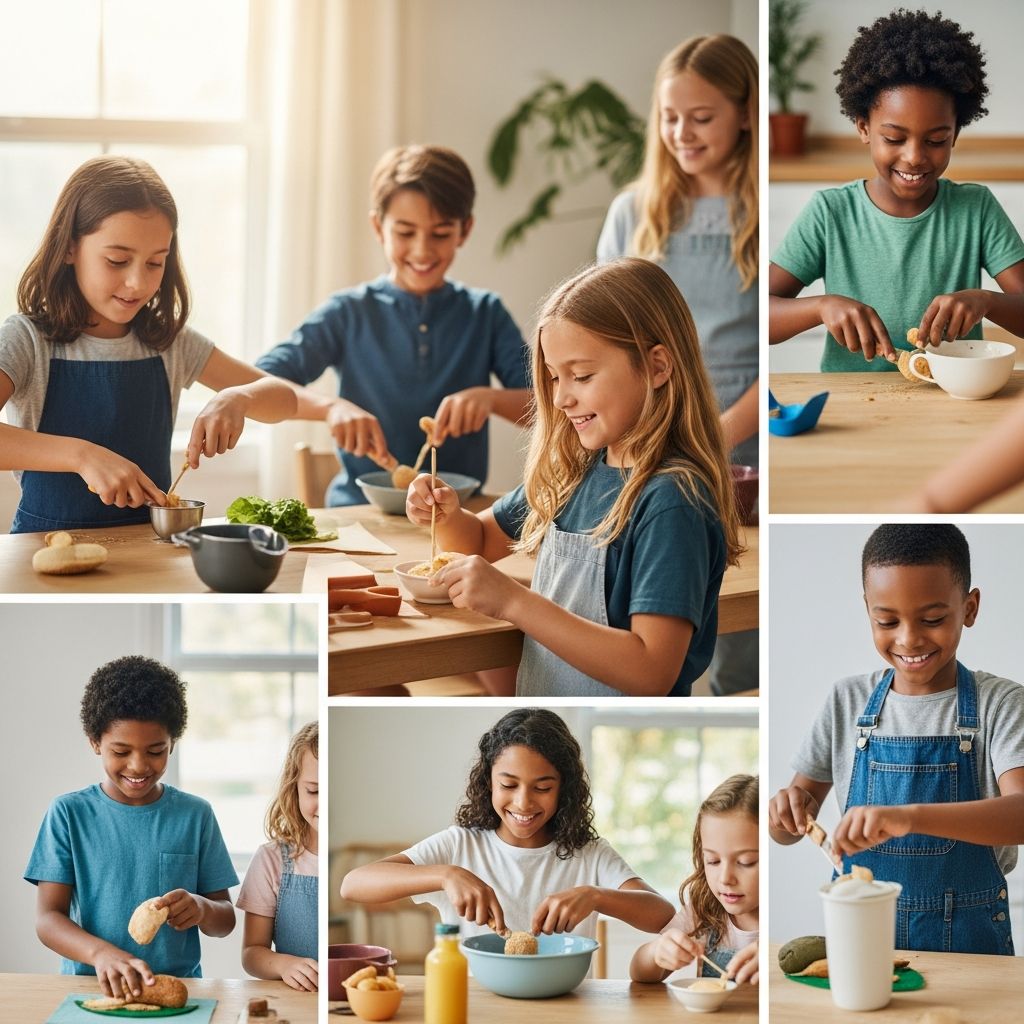
Empower kids to assemble simple meals, grasping nutrition basics. Begin with no-cook options like sandwiches or fruit salads, progressing to stovetop tasks under supervision. Discuss food groups to encourage healthy selections.
- Prepare a snack: yogurt parfait.
- Simple lunch: cheese toastie.
- Understand balanced plates: proteins, veggies, grains.
This skill reduces reliance on processed foods and builds kitchen confidence.
4. Handling Basic Household Tools Safely
Familiarity with tools like screwdrivers, hammers, and tape measures demystifies home repairs. Demonstrate safe usage during family projects, emphasizing eye protection and adult supervision.
Key safety rules:
- Carry tools point down.
- Unplug power tools.
- Store properly after use.
Hands-on learning sparks interest in STEM fields.
5. Navigating Money: Counting and Making Change
Financial literacy starts with recognizing coins, counting, and transactions. Use play money for simulations, then real purchases at stores. Teach saving via piggy banks or allowances tied to chores.
| Coin | Value | Example Transaction |
|---|---|---|
| Penny | 1¢ | Buy candy for 5¢ |
| Nickel | 5¢ | Change from 10¢ |
| Dime | 10¢ | Combine for 25¢ |
Early habits prevent future debt pitfalls.
6. Effective Communication and Social Etiquette
Polished interactions build relationships. Practice greetings, eye contact, firm handshakes, and active listening. Role-play scenarios like introducing oneself or thanking hosts.
- Solid handshake: firm grip, 3 shakes.
- Table manners: napkin on lap, no elbows.
- Express needs assertively.
These foster leadership and empathy.
7. First Aid and Emergency Awareness
Basic response knowledge ensures safety. Teach memorizing addresses, phone numbers, and 911 protocols. Practice bandages, ice packs, and stop-drop-roll.
Memorization aids:
- Songs for numbers.
- Posted lists at home.
- Family drills.
Confidence in crises saves lives.
8. Time Management and Study Discipline
Routines for homework and planning prevent procrastination. Use timers for tasks, planners for schedules. Break goals into steps to teach persistence.
- Daily reading time.
- Weekly goal setting.
- Reflection on progress.
These underpin academic and career success.
9. Digital Literacy and Safe Online Habits
Balance screen time with responsible use: privacy settings, fact-checking, and cyberbullying recognition. Co-view content and discuss stranger danger online.
Guidelines:
- Never share personal info.
- Verify sources.
- Report issues immediately.
Prepares for a connected world.
10. Physical Fitness and Outdoor Mobility
Mastering bike riding, swimming basics, and sports enhances coordination. Encourage daily activity for health benefits like improved focus.
- Balance bike for learning.
- Group games for teamwork.
- Family hikes.
Builds resilience and joy in movement.
11. Critical Thinking and Problem-Solving
Encourage questioning via puzzles, debates, and error-spotting in articles. Promote ‘learn to learn’ through trial-error.
Activities:
- Logic games.
- DIY projects.
- Book discussions.
Hones innovation.
12. Responsibility and Self-Reliance
Caring for pets or plants teaches empathy. Assign chores with accountability, allowing natural consequences.
Progression:
- Pet feeding.
- Room ownership.
- Goal accountability.
Fosters maturity.
Frequently Asked Questions (FAQs)
How do I motivate my child to learn these skills?
Use positive reinforcement, make tasks fun with games, and model enthusiasm. Tie skills to privileges for buy-in.
What if my child resists chores?
Start small, offer choices, and use timers. Consistency with empathy yields results over time.
Can these skills be taught in busy families?
Yes, integrate into routines: cook together, review finances at dinner. Short daily sessions suffice.
At what age should I start?
Introduce basics by 5-6, master by 10. Adjust pace to readiness.
How do I track progress?
Use checklists or apps. Celebrate milestones with family recognition.
References
- 10 Life Skills Your Children Should Know by Age 10 — Sunshine House. 2023-05-15. https://sunshinehouse.com/blog/10-life-skills-your-children-should-know-by-age-10/
- 22 Essential Life Skills For Kids To Master By The Time They Turn 10 — Fatherly. 2024-02-20. https://www.fatherly.com/parenting/22-skills-every-kid-time-theyre-10
- Life Skills for Kids By Age – A Comprehensive Checklist — Raise Smart Kid. 2023-11-10. https://www.raisesmartkid.com/all-ages/life-skills-for-kids-by-age-a-definitive-checklist
- Life Skills to Teach Your Children by Age 10 — Connections Academy. 2024-08-05. https://www.connectionsacademy.com/support/resources/article/life-skills-teach-children-age-10/
- 7 Essential Life Skills for Kids — Bright Horizons. 2023-09-12. https://www.brighthorizons.com/article/education/teaching-kids-life-skills-seven-essential-life-skills-to-succeed