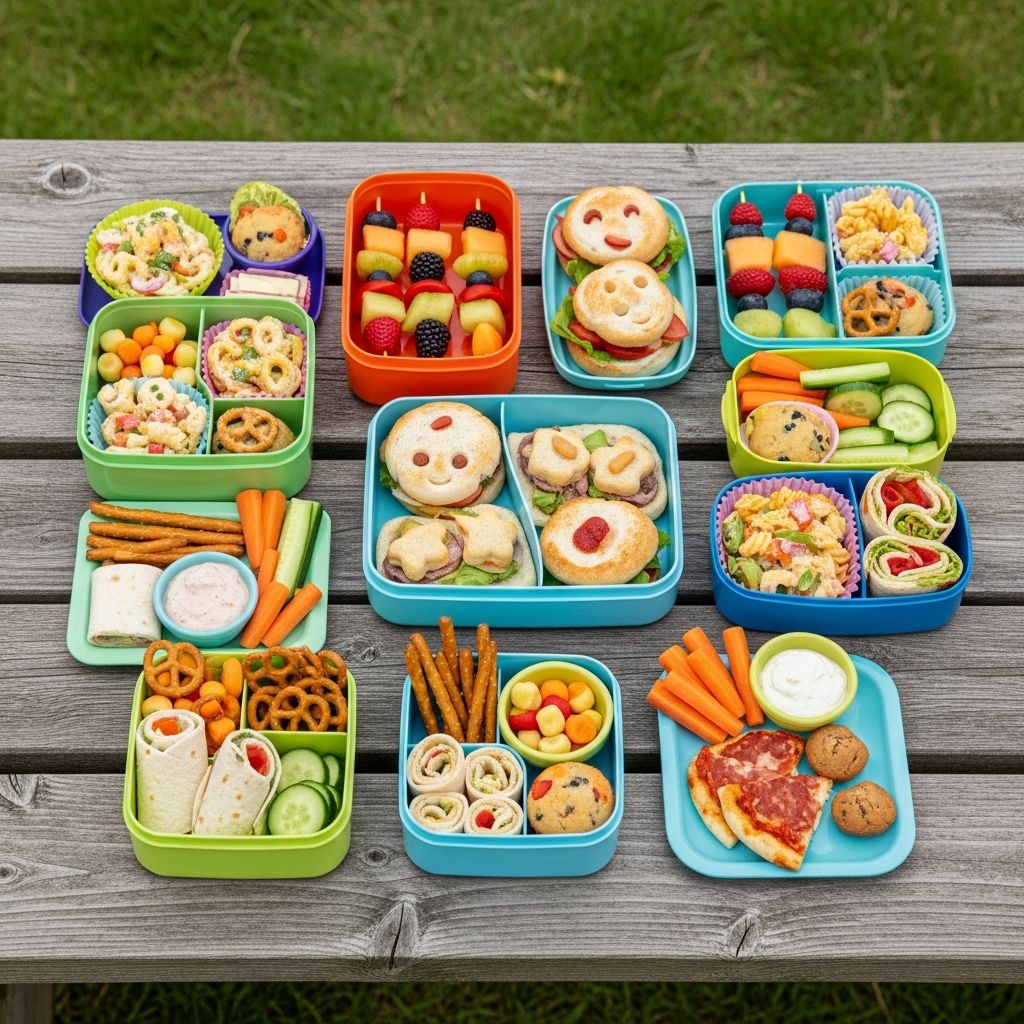
During the long, sunny days of summer, keeping kids fed with nutritious meals can feel like a full-time job. But what if your children could take charge of their own lunches? These 12 straightforward recipes are designed for kids aged 5 and up to prepare with minimal supervision, building confidence in the kitchen while delivering balanced, delicious results. Each idea uses simple ingredients, requires basic tools like knives for soft foods or blunt cutters, and emphasizes safety and nutrition.
Why Let Kids Make Their Own Lunches?
Encouraging children to prepare meals offers more than just a break for parents. It teaches essential life skills like measuring, chopping safe foods, and combining flavors. Nutrition experts highlight that kids who participate in cooking are more likely to try new foods and develop healthy eating habits long-term. Plus, in summer, these no-cook or quick-cook options keep the kitchen cool and energy low.
- Fosters independence: Kids feel proud assembling their meals.
- Promotes nutrition: Focus on fruits, veggies, proteins, and whole grains.
- Saves time: Prep ingredients ahead for grab-and-go ease.
Essential Kitchen Setup for Young Chefs
Before diving into recipes, set up a kid-friendly zone. Use a low stool for reach, plastic knives for fruits and veggies, and pre-portioned containers. Stock the fridge with washed, chopped produce and proteins. Safety first: Teach hand-washing, no running with tools, and adult supervision for any heat sources.
12 Simple Recipes Kids Can Master
1. Turkey Roll-Up Pinwheels
These colorful wraps are a hit for their fun spiral shape. Lay out soft tortillas, sliced turkey, cheese sticks, and veggie strips like carrots or cucumbers. Kids spread mustard or hummus lightly, layer fillings, roll tightly, and slice into pinwheels. Serve with apple slices for a complete meal. Ready in 5 minutes, packed with protein and crunch.
2. Fruit and Cheese Skewers
Thread grapes, strawberries, cheese cubes, and cooked chicken chunks onto blunt skewers. Kids can experiment with patterns, making it playful. Dip in yogurt for extra fun. This no-cook option delivers protein, dairy, and natural sweetness in under 10 minutes.
3. Hummus Veggie Dippers
Scoop hummus into a bowl and surround with carrot sticks, cucumber slices, bell pepper strips, and whole-grain crackers. For variety, blend in beets for pink hummus kids adore. High in fiber and healthy fats, this assembly takes 3 minutes.
4. Mini Tortilla Pizzas
Top flour tortillas with marinara sauce, shredded cheese, and kid-chosen toppings like pepperoni or veggies. Bake in a toaster oven or microwave for 2 minutes. With adult help for heating, kids customize their pies easily. A balanced carb-protein combo.
5. Nut Butter Banana Toast
Spread almond or peanut butter on whole-grain toast, top with banana slices, and sprinkle chia seeds. Microwave briefly if desired for warmth. This 4-ingredient powerhouse offers sustained energy from healthy fats and potassium.
6. Yogurt Parfait Packs
Layer Greek yogurt, granola, berries, and a drizzle of honey in clear cups. Kids build their parfaits like desserts, getting probiotics and antioxidants. Prep jars ahead for instant access; no cooking needed.
7. Cheese Quesadilla Triangles
Place cheese and optional beans or chicken between two small tortillas; fold or press in a waffle maker. Cut into triangles. Quick protein boost with minimal mess, ideal for supervised heating.
8. Tuna Avocado Boats
Mix canned tuna with mashed avocado, spoon into celery boats or lettuce leaves, top with crackers. Creamy and mayo-free, this omega-3 rich lunch assembles in moments.
9. Pasta Salad Jars
Pre-cook pasta, layer with cherry tomatoes, olives, feta, and Italian dressing in jars. Shake to mix. Kids shake and eat straight from the jar—portable and veggie-packed.
10. Picnic Cheese Boards
Arrange crackers, cheese slices, apple wedges, and grapes on a plate. Let kids design their ‘board’ with hummus dips. Mimics a fancy picnic, encouraging balanced bites.
11. Smoothie Bowls
Blend frozen fruit and yogurt into thick smoothies; top with granola and nuts. Or pre-blend and store. Spoonable and refreshing, full of vitamins for hot days.
12. Bean Burrito Rolls
Spread refried beans on tortillas, add cheese and salsa, roll up. Warm if desired. Plant-based protein power for hearty appetites.
Nutrition Comparison Table
| Recipe | Protein Source | Key Veggies/Fruits | Prep Time |
|---|---|---|---|
| Turkey Roll-Ups | Turkey, Cheese | Carrots, Apples | 5 min |
| Fruit Skewers | Cheese, Chicken | Grapes, Strawberries | 10 min |
| Hummus Dippers | Hummus | Carrots, Cucumbers | 3 min |
| Mini Pizzas | Cheese | Topping Veggies | 7 min |
| Banana Toast | Nut Butter | Banana | 4 min |
Age-Appropriate Safety Guidelines
Tailor tasks by age: Ages 5-7 handle spreading and layering; 8+ can chop soft foods or use toaster ovens. Always supervise appliances. U.S. pediatric guidelines stress starting with dull knives and prepped ingredients to prevent accidents.
Stocking Your Summer Pantry
- Proteins: Deli meats, cheese, canned tuna/beans, yogurt, hummus, nut butters.
- Fruits/Veggies: Pre-sliced apples/carrots, berries, bananas, celery.
- Grains: Tortillas, crackers, toast, pasta.
- Sauces: Hummus, yogurt, marinara, mustard.
Frequently Asked Questions (FAQs)
What age is best for kids to start making lunches?
Ages 5+ with supervision; simpler tasks for younger, appliances for 8+.
Are these recipes healthy?
Yes, emphasizing whole foods with balanced macros per USDA child nutrition standards.
How do I store prepped ingredients safely?
Use airtight containers in fridge; consume within 3-5 days.
Can I adapt for allergies?
Easily—swap nut butters for sunflower seed, dairy for vegan cheese.
What if my child refuses veggies?
Hide in spreads like hummus or let them choose for ownership.
Meal Prep Pro Tips
Batch-prep Sundays: Chop veggies, portion proteins. Involve kids in planning weekly menus. Rotate recipes to keep excitement high. Track favorites in a family chart for repeat wins.
References
- Pediatric Nutrition Guidelines for Children — American Academy of Pediatrics. 2024-06-15. https://publications.aap.org/pediatrics/article/153/Supplement_2/S74/196979/Nutritional-Considerations-for-Children-in
- Dietary Guidelines for Americans, 2020-2025 — U.S. Department of Agriculture and HHS. 2020-12-31. https://www.dietaryguidelines.gov/sites/default/files/2020-12/Dietary_Guidelines_for_Americans_2020-2025.pdf
- Child Food Safety Practices — Centers for Disease Control and Prevention. 2025-03-10. https://www.cdc.gov/foodsafety/foods/children.html
- Encouraging Healthy Eating in Children — World Health Organization. 2023-11-20. https://www.who.int/news-room/fact-sheets/detail/healthy-diet
- School-Aged Child Nutrition — USDA MyPlate. 2024-08-05. https://www.myplate.gov/life-stages/school-age