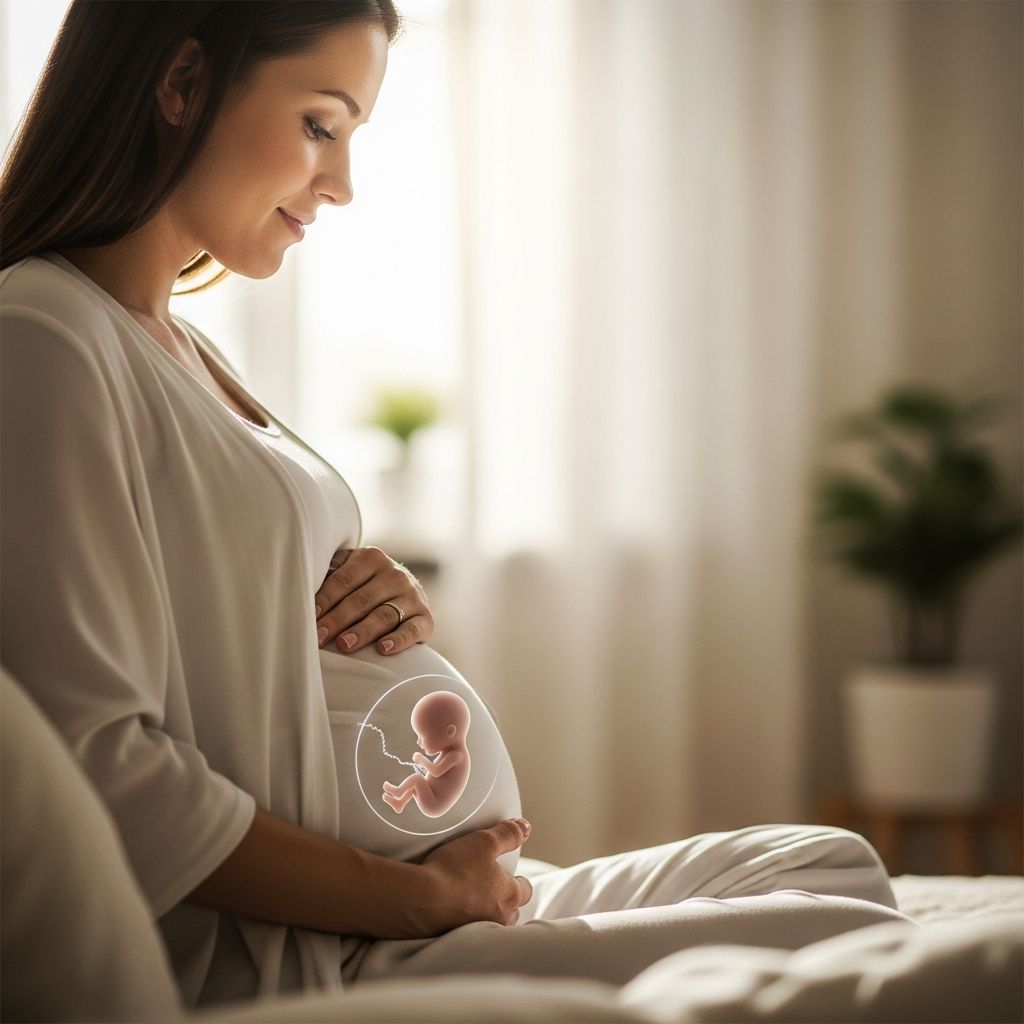
By week 11 of pregnancy, the first trimester is well underway, your baby’s features are becoming more recognizable, and your own symptoms may be shifting. This guide walks through what is typically happening inside the womb, what you might feel in your body and emotions, and how to support a healthy pregnancy during this stage.
Your Baby at Week 11: Tiny but Complex
Although still small enough to fit in the palm of a hand, a baby at 11 weeks has already formed many major organs and body structures. The focus now is on refinement, growth, and learning to move in new ways.
- The head is still proportionally large compared with the rest of the body, reflecting rapid brain growth.
- Fingers and toes are distinct, and early nail beds and tooth buds may be forming beneath the gums.
- Joints such as wrists, elbows, knees, and ankles are becoming more mobile, allowing for bending and stretching.
Your baby may now be capable of small, coordinated movements such as opening and closing the mouth or curling the hands, though these motions are usually too gentle for you to feel yet.
How Big Is the Baby Now?
By week 11, many babies are comparable in size to a small piece of fruit or a ping-pong ball in length. Measurement at this stage is usually taken from crown to rump, rather than full body height, because the legs are still curled.
| Measurement | Approximate Range | What It Means |
|---|---|---|
| Crown–rump length | About 1.5–2 inches (rough estimate) | Baby is still small but rapidly increasing in length each week. |
| Weight | Several dozen grams | Most of the mass is concentrated in the head and torso. |
| Head–body proportion | Head about half the total length | Reflects intense brain and skull development in the first trimester. |
These values are averages, not rigid targets, and individual pregnancies may differ. Ultrasound measurements are used in context with your overall health and the pregnancy timeline, rather than as a single, definitive indicator.
Key Developmental Milestones This Week
By the eleventh week, many of the most dramatic structural changes of early pregnancy have taken place, and your baby is transitioning from basic formation to more sophisticated functions.
- Movement and coordination: Limbs can bend at the joints, and your baby may kick, stretch, or bring hands toward the face, even though you usually cannot feel these movements yet.
- Facial features: The ears are moving into a more typical position on the sides of the head, and the eyes are set more clearly toward the front, giving the face a more recognizably human profile.
- Bone and cartilage: The skeleton is gradually shifting from softer cartilage toward more rigid bone in many areas, helping shape arms, legs, and the skull.
- Skin and body covering: The skin is still thin and somewhat translucent but will thicken over time as layers form and tiny follicles for hair begin to appear.
- Internal organs: The liver, kidneys, and other organs continue maturing, with the liver often playing a role in early blood cell production.
Some external genital development may be underway, though it is often too early for routine scans to reliably identify the baby’s sex.
What You Might Feel in Your Body
Symptoms in week 11 can vary widely: some people begin to feel a little better as the first trimester nears its end, while others still experience classic early pregnancy discomforts.
- Bloating and fullness: Slower digestion helps your body absorb nutrients more efficiently, but it can also leave you feeling gassy, full, or uncomfortable after meals.
- Nausea and food aversions: Morning sickness may still be present, though in many pregnancies it begins to lessen over the next few weeks.
- Breast changes: Tenderness, a feeling of heaviness, and visible veins are common as blood flow and glandular tissue increase.
- Fatigue: Hormonal shifts and the effort of building the placenta can leave you feeling drained, even after a full night’s sleep.
- Frequent urination: Increased blood volume and hormonal effects on the bladder and kidneys can keep you heading to the bathroom more often.
Some people will begin to notice a small bump at this stage, while others may not show noticeably until later. Body shape, muscle tone, and whether this is a first or subsequent pregnancy all influence when a bump becomes obvious.
Weight Gain and Body Image
Gaining weight is a normal and necessary part of pregnancy, but the amount and pace can differ from person to person. Health professionals typically provide a target range based on pre-pregnancy weight, overall health, and whether this is a single or multiple pregnancy.
- Some people gain only a small amount of weight in the first trimester, especially if nausea has limited food intake.
- Others may gain more early on due to appetite changes, reduced activity, or fluid retention.
- Your care provider can help you set realistic, healthy goals and adjust them if needed over time.
It is common to feel conflicted about body changes, even when they are welcome. Speaking openly with supportive friends, partners, or a mental health professional can help you navigate these emotions in a healthy way.
Supporting Your Nutrition at Week 11
Nutrition in early pregnancy lays important groundwork for your baby’s growth and your own strength later in pregnancy and after birth. Even small, consistent changes can make a significant difference.
Core Nutrients to Focus On
- Folic acid and folate: Continue taking a prenatal vitamin containing folic acid or folate to support the developing brain and spine.
- Iron: Iron supports the production of red blood cells, which are needed to carry oxygen to your tissues and your growing baby.
- Calcium and vitamin D: These nutrients support the formation of bones and teeth while helping protect your own bone stores.
- Protein: Protein helps build tissues, hormones, and enzymes essential for pregnancy and fetal development.
- Healthy fats: Sources like nuts, seeds, avocado, and certain fish can provide important fatty acids that support brain and eye development.
If nausea or food aversions make eating difficult, small and frequent meals, bland foods, and cool or room-temperature options may be easier to tolerate than rich, heavy dishes.
Emotional Health and Mood Changes
Hormonal shifts, physical symptoms, and the emotional weight of expecting a child can all affect your mood around week 11. It is normal to feel excited one moment and anxious or tearful the next.
- Common feelings: Anticipation, fear of the unknown, concerns about miscarriage or pregnancy complications, and questions about parenting are all typical.
- Signs to watch: Persistent feelings of hopelessness, loss of interest in activities, or thoughts of self-harm warrant prompt attention from a healthcare or mental health provider.
- Helpful strategies: Journaling, light movement, mindfulness practices, and speaking with trusted people can help maintain emotional balance.
Seeking support is a sign of strength, not weakness. Many people benefit from pregnancy support groups or counseling, especially if this pregnancy follows loss or has brought unexpected challenges.
Prenatal Care and Typical Appointments
By week 11, many pregnant individuals have had at least one prenatal visit and may be preparing for upcoming tests or screenings. Regular prenatal care helps monitor both your health and your baby’s development.
- Your care team may review your medical history, check blood pressure, and discuss any medications or supplements you are taking.
- Blood tests and other screenings may be offered to assess factors such as anemia, infections, or genetic conditions.
- Some people have an early ultrasound around this time to confirm dating, check for multiples, and observe fetal heartbeat and basic anatomy.
Use appointments as a time to ask questions about symptoms, lifestyle, work, travel, and anything else on your mind. Writing questions down beforehand can help ensure you cover what matters most to you.
Everyday Habits for a Healthier Week 11
Small daily choices can support your comfort and long-term wellbeing throughout pregnancy. You do not need to be perfect; consistent, realistic habits are more sustainable than strict rules.
- Hydration: Drinking water regularly supports blood volume, digestion, and temperature regulation.
- Movement: With medical approval, gentle activities such as walking, stretching, or prenatal yoga may ease stiffness and lift your mood.
- Sleep routines: Going to bed and waking up at similar times, limiting screens before sleep, and using pillows for support can improve rest.
- Avoiding harmful substances: Many people are advised to avoid tobacco, recreational drugs, and alcohol, and to limit exposure to certain chemicals and high-mercury fish.
- Listening to your body: Rest when you can, modify tasks as needed, and seek medical advice if anything feels concerning or unusual.
Partner and Family Involvement
Week 11 can be a meaningful time to involve partners or close family members more actively in the pregnancy. Sharing information about what is happening with the baby and how you feel physically and emotionally can strengthen connection and support.
- Invite partners to attend prenatal visits when possible so they can hear updates firsthand and ask questions.
- Share how specific symptoms affect your day-to-day life, and suggest concrete ways others can help, such as preparing meals or taking over physically demanding tasks.
- Discuss expectations about parenting roles, work, and household responsibilities to reduce misunderstandings later on.
Healthy communication and shared decision-making can help everyone feel more prepared and engaged as the pregnancy progresses.
Looking Ahead: Approaching the Second Trimester
Week 11 is close to the transition into the second trimester, a stage many people associate with increased energy and reduced nausea. While every pregnancy is unique, it is common for the most intense early symptoms to ease over the coming weeks.
- You may begin planning for second-trimester testing, anatomy scans, and decisions about childbirth classes or support persons.
- Some people choose to share pregnancy news more broadly around the end of the first trimester, though there is no single “right” time to do so.
- Thinking about your birth preferences now can give you time to research options and discuss them with your care team.
Focusing on manageable, short-term goals—such as improving sleep, adjusting nutrition, or preparing questions for your next appointment—can help this period feel more grounded and less overwhelming.
Frequently Asked Questions About Week 11
Is it normal that I still feel very sick at 11 weeks?
Many people continue to experience nausea and vomiting at week 11, even though these symptoms may gradually decrease as the pregnancy moves into the second trimester. If you are unable to keep fluids or food down, or if symptoms feel unmanageable, contact your healthcare provider, as there are treatments that can help.
Should I already feel my baby move?
Although your baby is moving by week 11, these movements are usually too subtle for you to detect. Most people first feel noticeable flutters—often called “quickening”—sometime in the second trimester, though timing can vary with body type, placenta position, and whether this is a first pregnancy.
How much weight should I gain by this stage?
There is no single ideal number for week 11, because healthy weight gain depends on pre-pregnancy size, health, and whether you are carrying one baby or more. Some people gain only a small amount in the first trimester, while others gain a bit more; your care provider is the best source of personalized guidance.
Can I still exercise at 11 weeks?
Many people can safely exercise during pregnancy, including at week 11, but the specific type and intensity should be discussed with a healthcare professional who knows your medical history. In uncomplicated pregnancies, moderate activities such as walking, swimming, and prenatal fitness classes are often encouraged, while high-risk activities or contact sports may be restricted.
When should I call my doctor or midwife?
Seek medical advice if you notice heavy bleeding, severe abdominal pain, sudden swelling, visual changes, or any symptom that feels alarming or unusual. It is always appropriate to call or message your care team if you are unsure whether something is normal; part of their role is to guide and reassure you.
Week 11 of pregnancy is a time of rapid development for your baby and significant physical and emotional adjustments for you. Staying informed, listening to your body, and building a strong support system can help you navigate this stage with greater confidence and calm.