The human reproductive system operates on precise biological clocks, making timing crucial for conception. While many believe pregnancy only happens around ovulation day, evidence shows sex shortly after can still result in pregnancy due to the egg’s brief viability window. This article explores the mechanics, probabilities, and strategies for understanding your cycle.
The Biological Clock of Reproduction
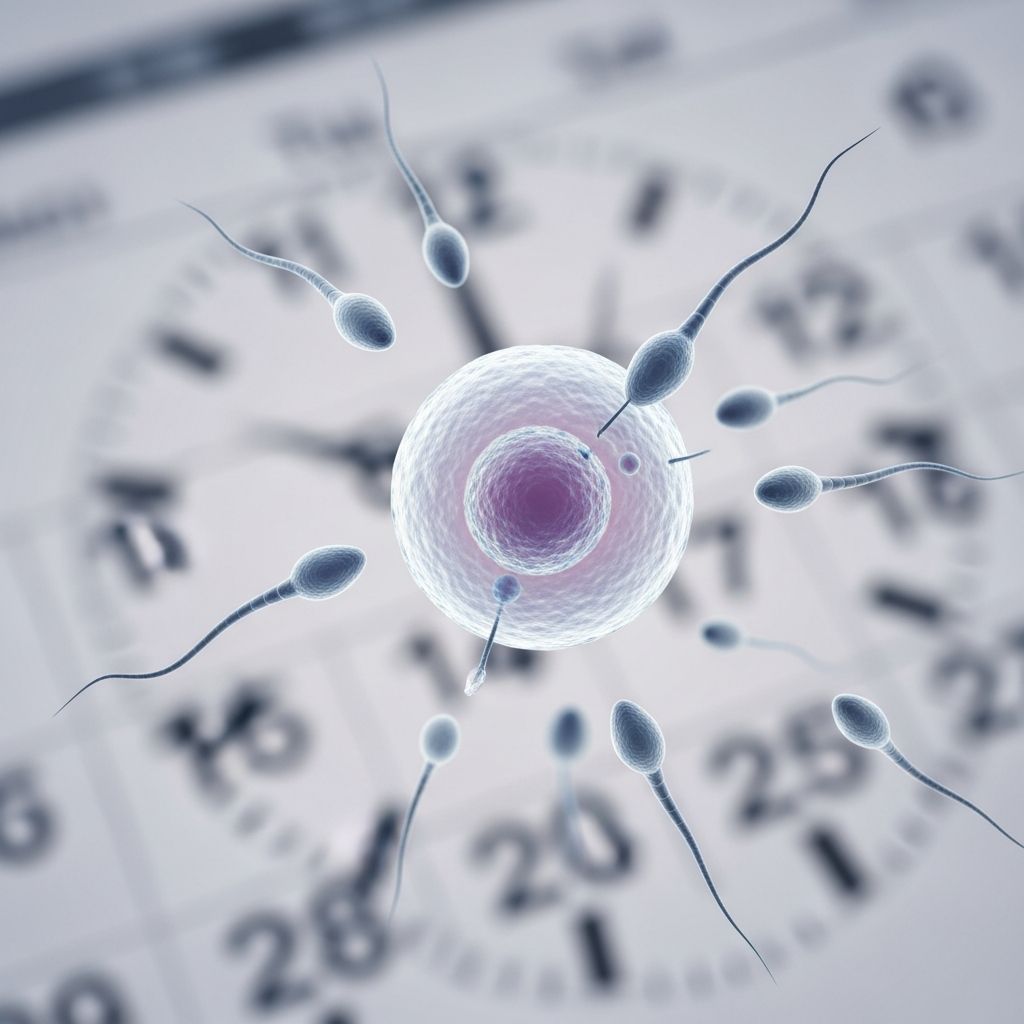
Ovulation marks the release of a mature egg from the ovary into the fallopian tube, typically around day 14 in a 28-day menstrual cycle, though this varies widely. Hormones like follicle-stimulating hormone (FSH), luteinizing hormone (LH), estrogen, and progesterone orchestrate this event. LH surges trigger the egg’s release, creating a narrow opportunity for fertilization.
Once released, the egg remains fertilizable for 12-24 hours. Sperm, however, can survive up to five days in fertile cervical mucus, extending the fertile window to five days before ovulation plus one day after[10]. This asymmetry explains why pre-ovulation sex often leads to higher success rates, but post-ovulation intercourse isn’t futile if timed right.
Probability of Pregnancy Post-Ovulation
Pregnancy from sex after ovulation is possible but time-sensitive. If intercourse occurs within 12-24 hours of egg release, sperm can reach the fallopian tubes in about six hours, potentially fertilizing the egg. Beyond 24 hours, the egg disintegrates, ending conception chances for that cycle.
| Days Relative to Ovulation | Chance of Pregnancy | Reason |
|---|---|---|
| Day before ovulation | ~42% | Sperm waits for egg |
| Ovulation day | ~20-30% | Peak fertility |
| 1 day after | ~8% | Egg still viable |
| 2+ days after | 0% | Egg reabsorbed |
These estimates come from cycle studies, highlighting the drop-off after ovulation. Factors like cycle irregularity can shift these windows, sometimes leading to surprise pregnancies from perceived ‘safe’ post-ovulation sex.
Decoding Your Menstrual Cycle
A standard cycle spans 28 days, but 21-35 days is normal. Day 1 is the first period day; ovulation averages day 14 but ranges from days 11-21 in 28-day cycles. The luteal phase (post-ovulation to period) is consistently 12-14 days, while the follicular phase (pre-ovulation) varies.
- Follicular phase: Egg matures under FSH influence.
- Ovulation: LH peak releases egg.
- Luteal phase: Progesterone prepares uterus; if no implantation, menstruation follows.
Understanding this helps pinpoint fertile days. Irregular cycles complicate predictions, affecting 25-30% of women.
Signs Your Body Gives During Ovulation
Tracking physical cues boosts accuracy. Basal body temperature (BBT) rises 0.5-1°F post-ovulation due to progesterone. Cervical mucus turns clear, stretchy (egg-white consistency) near ovulation, aiding sperm travel.
Other indicators include mittelschmerz (ovulation pain), heightened libido, or breast tenderness. Ovulation predictor kits (OPKs) detect LH surges 24-36 hours prior. Combining methods refines predictions.
Modern Tools for Cycle Monitoring
Technology simplifies tracking:
- Apps: Log cycles, predict windows via algorithms.
- Wearables: Monitor BBT, heart rate for ovulation hints.
- Fertility monitors: Analyze urine for estrogen/LH.
- Ultrasound: Clinical follicle tracking.
Consistent use improves conception odds by 20-30% for couples trying.
Maximizing Conception Opportunities
For those trying to conceive, aim for every other day sex during the fertile window (days 10-17 in 28-day cycle)[10]. Post-ovulation sex adds a slim but real chance. Lifestyle factors matter: maintain healthy weight, avoid smoking, limit alcohol, manage stress.
Men should optimize sperm health via diet, exercise, avoiding heat (hot tubs). Age impacts fertility; odds decline after 35 for women, 40 for men.
Contraception Realities Post-Ovulation
The rhythm method assumes no pregnancy after ovulation, but variability makes it unreliable (76% effectiveness typical use). Sperm longevity means sex five days pre-ovulation can fertilize post-release. Emergency contraception works up to 120 hours post-sex if needed.
Common Misconceptions Clarified
- Myth: No pregnancy possible after ovulation.
Fact: Viable up to 24 hours. - Myth: All cycles are 28 days.
Fact: Highly variable. - Myth: Conception equals pregnancy.
Fact: Implantation takes 6-10 days; hCG detectable ~14 days post-ovulation.
Frequently Asked Questions
Can you get pregnant from sex 24 hours after ovulation?
Yes, marginally possible if the egg is still viable and sperm arrives quickly, but odds are low.
How long does the egg live after ovulation?
12-24 hours before disintegration.
What’s the fertile window?
Five days before ovulation plus 12-24 hours after, due to sperm survival[10].
Can irregular cycles affect post-ovulation pregnancy risk?
Yes, late ovulation can extend fertility unexpectedly.
When to test for pregnancy after ovulation-day sex?
Wait 12-14 days for accurate hCG detection.
Expert Guidance for Family Planning
Consult obstetricians for personalized advice, especially with irregularities. ACOG recommends tracking for conception efforts[10]. Patience is key; 85% conceive within a year of trying.
This comprehensive view empowers informed decisions on conception or avoidance, grounded in reproductive science.
References
- Can You Get Pregnant After Ovulation? — American Pregnancy Association. 2023. https://americanpregnancy.org/getting-pregnant/infertility/getting-pregnant-after-ovulation/
- Ovulation and pregnancy: Six common questions, answered — Clearblue. 2024. https://www.clearblue.com/how-to-get-pregnant/six-common-ovulation-and-pregnancy-questions-answered
- Pregnancy after ovulation: Likelihood and tracking tips — Medical News Today. 2023-05-16. https://www.medicalnewstoday.com/articles/how-many-days-after-ovulation-can-you-get-pregnant
- Can you get pregnant two days after ovulation? — Flo Health. 2024. https://flo.health/getting-pregnant/trying-to-conceive/tracking-ovulation/pregnant-two-days-after-ovulation
- Trying to Get Pregnant? Here’s When to Have Sex — American College of Obstetricians and Gynecologists (ACOG). 2023. https://www.acog.org/womens-health/experts-and-stories/the-latest/trying-to-get-pregnant-heres-when-to-have-sex
- Ovulation signs: When is conception most likely? — Mayo Clinic. 2024. https://www.mayoclinic.org/healthy-lifestyle/getting-pregnant/expert-answers/ovulation-signs/faq-20058000