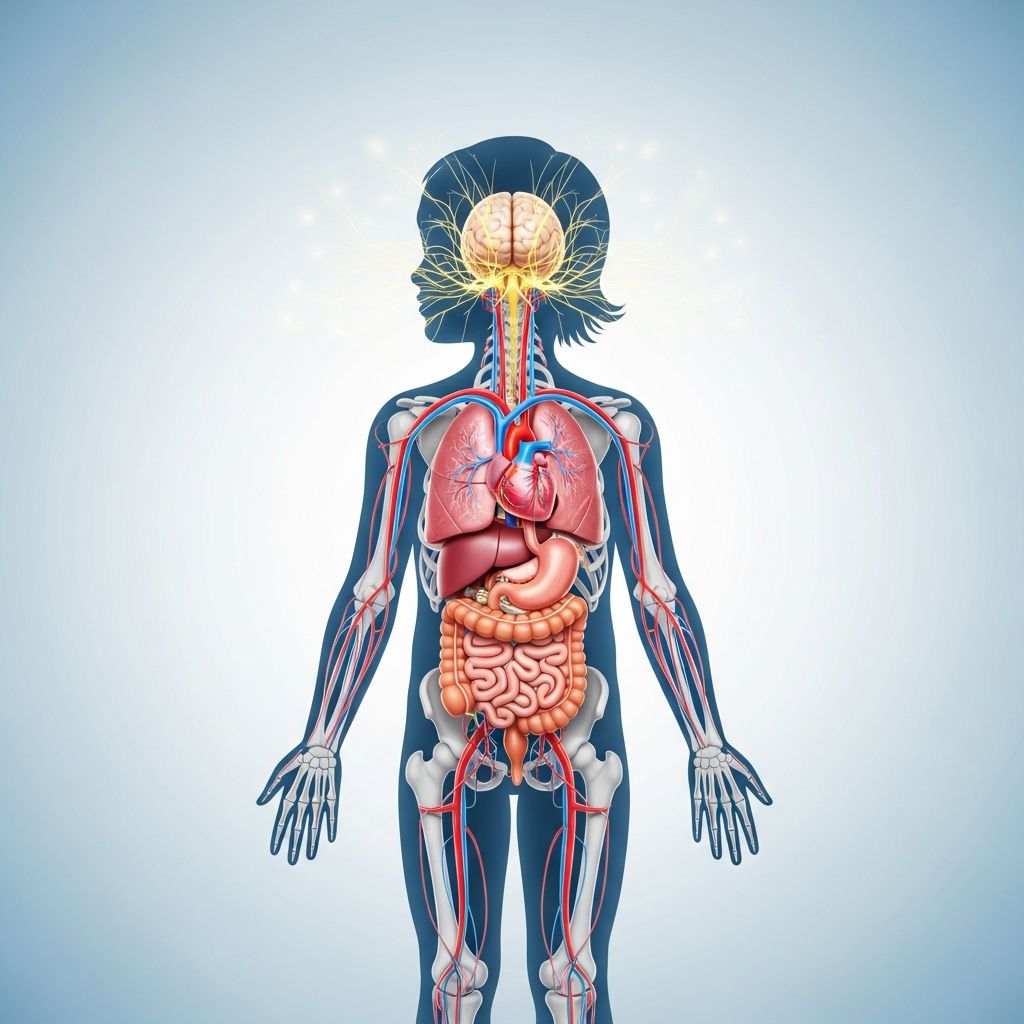
The human body is an extraordinary network of interconnected systems that work tirelessly to sustain life, growth, and activity. For parents, grasping these systems provides valuable insight into how children develop, why certain habits matter, and how to spot when something might be amiss. This guide breaks down the 11 primary body systems, their key components, functions, and practical tips for supporting your child’s health.
Understanding the Foundation: Cells to Systems
At its core, the body starts with trillions of cells that group into tissues, organs, and eventually systems. These systems collaborate to maintain homeostasis—the body’s internal balance of temperature, pH, fluids, and more. Disruptions, like illness or poor nutrition, can throw this off, which is why balanced diets, exercise, and rest are crucial for kids.
Children’s bodies are in constant flux, growing rapidly and adapting to new demands. Systems like the skeletal and muscular develop strength through play, while others like the nervous system refine coordination and learning.
The Structural Framework: Skeletal and Muscular Systems
The skeletal system forms the body’s rigid framework with 206 bones in adults (fewer in kids as they fuse over time). It supports weight, protects organs (like the skull guarding the brain), produces blood cells in marrow, and stores minerals like calcium.
- Bones grow via cartilage conversion, peaking in adolescence.
- Joints allow movement; ligaments connect bone-to-bone.
- Tip for parents: Weight-bearing activities like jumping build strong bones.
Working alongside is the muscular system, with over 600 muscles enabling motion, posture, and heat production. Skeletal muscles (voluntary) attach to bones via tendons; smooth muscles line organs; cardiac muscle powers the heart.
| Muscle Type | Location | Control | Function Example |
|---|---|---|---|
| Skeletal | Attached to bones | Voluntary | Running, lifting |
| Smooth | Organs, vessels | Involuntary | Digestion movement |
| Cardiac | Heart | Involuntary | Pumping blood |
Encourage kids to stay active—muscles grow with use, preventing issues like obesity.
Circulation and Defense: Cardiovascular and Lymphatic Systems
The cardiovascular system (heart, blood vessels, blood) transports oxygen, nutrients, hormones, and waste. The heart pumps 2,000 gallons daily, with blood cycling through lungs for oxygenation.
- Arteries carry oxygen-rich blood; veins return oxygen-poor.
- Capillaries enable nutrient exchange.
- Parental tip: Limit sugary drinks to protect young hearts.
The lymphatic system (lymph nodes, vessels, spleen) acts as immune defense, filtering pathogens and returning fluid to blood. White blood cells here fight infections.
Breathing Life: The Respiratory System
Air enters via nose/mouth, travels through trachea to lungs’ alveoli for gas exchange—oxygen in, CO2 out. Diaphragm and intercostal muscles drive breathing, vital for energy production.
Kids’ lungs grow until early 20s; secondhand smoke harms development. Teach deep breathing for stress relief and lung strength.
Fuel and Waste Management: Digestive and Urinary Systems
The digestive system breaks down food mechanically (teeth, stomach churning) and chemically (enzymes, acids) for nutrient absorption. Key organs: mouth, esophagus, stomach, intestines, liver, pancreas.
- Small intestine absorbs most nutrients; large removes waste.
- Fiber-rich foods prevent constipation in children.
The urinary system (kidneys, ureters, bladder, urethra) filters blood, balances fluids/electrolytes, and expels waste as urine. Kidneys process 200 liters daily, reabsorbing essentials.
Hydration is key—aim for clear urine in kids to ensure kidney health.
Command Centers: Nervous and Endocrine Systems
The nervous system—brain, spinal cord, nerves—processes info, controls movement, senses environment. Central (brain/spine) vs. peripheral nerves; neurons transmit signals at 200 mph.
- Brain lobes handle thinking, emotion, coordination.
- Sleep consolidates learning; screen limits protect developing brains.
The endocrine system uses glands (thyroid, adrenals, pituitary) to secrete hormones regulating growth, metabolism, mood. Insulin from pancreas manages blood sugar.
Puberty hormones surge; balanced nutrition supports this.
Protection and Reproduction: Integumentary and Reproductive Systems
The integumentary system (skin, hair, nails) shields against microbes, regulates temperature via sweat, synthesizes vitamin D.
- Skin renews every 28 days.
- Sunscreen prevents burns, cancer risk.
The reproductive system produces gametes (sperm/eggs), supports fetal development. Male: testes, prostate; female: ovaries, uterus. Matures at puberty.
Age-appropriate talks build body positivity.
How Systems Interact for Health
No system operates alone—the nervous directs muscles, cardiovascular feeds respiratory oxygen. Homeostasis ensures survival; imbalances cause fatigue, illness.
For kids: Exercise boosts all systems; nutrition fuels them. Regular checkups catch issues early.
Daily Habits to Support Your Child’s Body Systems
- Nutrition: Fruits, veggies, proteins for growth.
- Activity: 60 minutes daily for bones/muscles.
- Sleep: 9-12 hours for repair.
- Hygiene: Handwashing bolsters immunity.
- Mental health: Play reduces stress hormones.
Frequently Asked Questions
How many major body systems are there?
Typically 11: integumentary, skeletal, muscular, nervous, endocrine, cardiovascular, lymphatic, respiratory, digestive, urinary, reproductive. Some count 10 by combining skeletal/muscular.
Why do kids need more sleep than adults?
Growing bodies repair tissues, consolidate memories via nervous/endocrine systems. Aim for age-based hours.
How does exercise benefit multiple systems?
Strengthens muscles/skeleton, improves circulation/respiration, boosts mood via endorphins.
What role does diet play in body systems?
Provides building blocks—calcium for bones, protein for muscles, vitamins for immunity.
When should parents worry about growth?
Consult doctors if milestones missed or sudden changes; systems develop interdependently.
References
- Human body systems: Overview, anatomy, functions — Kenhub. 2024. https://www.kenhub.com/en/library/anatomy/human-body-systems
- Review: Introduction to the Human Body — SEER Training Modules, National Cancer Institute. 2024. https://training.seer.cancer.gov/anatomy/body/review.html
- Human Body 101 — National Geographic (YouTube Transcript). 2019 (Accessed 2026). https://www.youtube.com/watch?v=Ae4MadKPJC0
- Human body — Wikipedia (drawing from primary anatomy sources). 2026. https://en.wikipedia.org/wiki/Human_body
- Human body | Organs, Systems, Structure, Diagram, & Facts — Encyclopædia Britannica. 2025. https://www.britannica.com/science/human-body
- Body systems — Science Learning Hub, Ministry of Business, Innovation & Employment (NZ). 2024. https://www.sciencelearn.org.nz/resources/1885-body-systems
- Introduction to the Human Body — Merck Manuals (Merck & Co.). 2025. https://www.merckmanuals.com/home/fundamentals/the-human-body/introduction-to-the-human-body