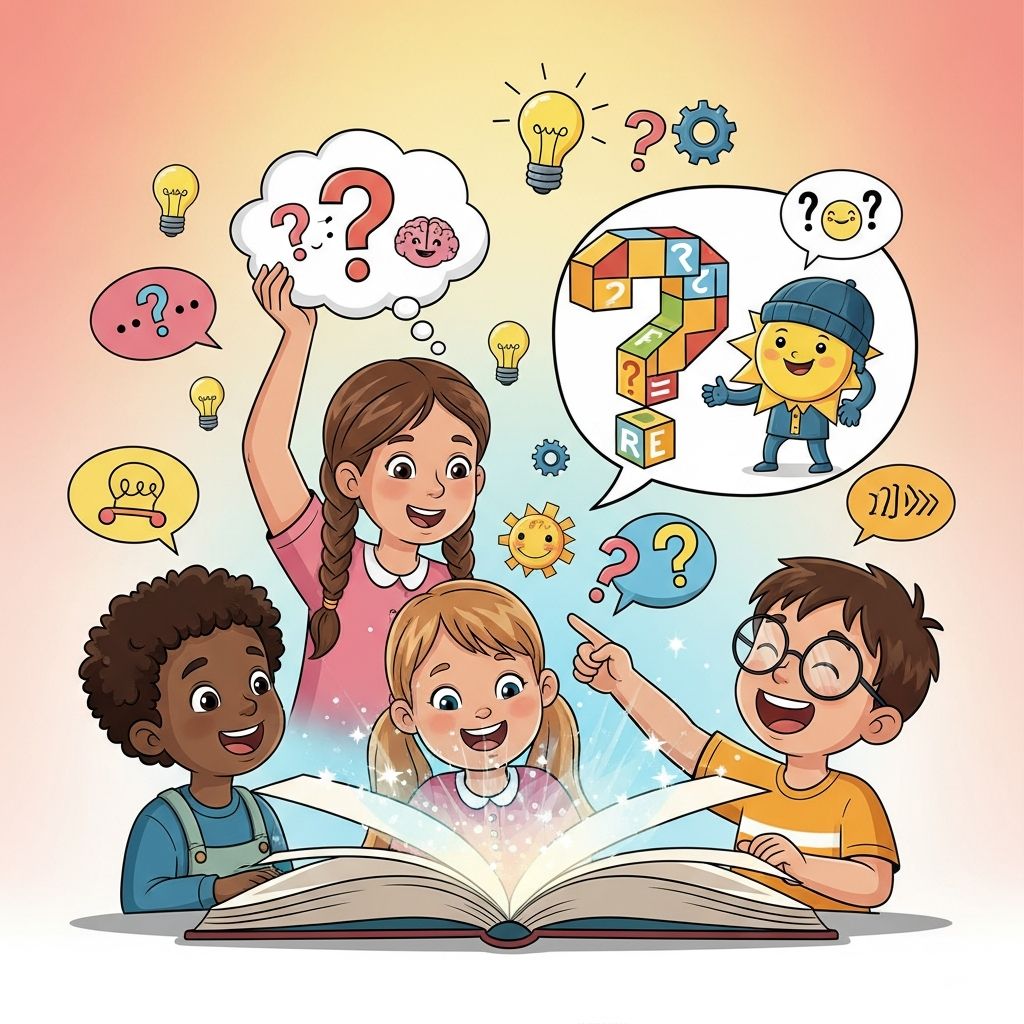
Riddles offer an exciting way to engage children’s minds, fostering creativity, logical reasoning, and a sense of humor. These word puzzles challenge kids to think beyond the obvious, improving problem-solving skills and language abilities. Parents and educators love them for their versatility—use them during road trips, classroom breaks, or dinner time to spark joy and learning.
Research from educational sources highlights how such activities enhance cognitive development. For instance, regular exposure to riddles strengthens neural pathways associated with lateral thinking. This article compiles over 100 original-inspired riddles categorized by difficulty, ensuring options for every age group from preschoolers to preteens.
Why Riddles Are Perfect for Young Minds
Riddles go beyond mere entertainment; they build essential skills. Young children learn vocabulary through playful contexts, while older kids tackle abstract concepts. According to child development experts, puzzles like these promote perseverance as kids puzzle out answers, boosting confidence upon success.
In family settings, riddles create bonding opportunities. Sharing laughs over a clever solution turns ordinary moments into memorable ones. Teachers report improved classroom participation when incorporating riddles, as they make learning feel like play.
Beginner Riddles: Ideal for Little Thinkers (Ages 4-6)
Start with these straightforward riddles that rely on familiar objects. They introduce basic wordplay without overwhelming young solvers.
- What has a head and a tail but no body? A coin.
- What goes up and down but doesn’t move? A staircase.
- What has a neck but no head? A bottle.
- What has many teeth but can’t bite? A comb.
- I have a face and hands but no legs. What am I? A clock.
- What has a ring but no finger? A telephone.
- What gets wetter when it dries? A towel.
- What has to be broken before you can eat it? An egg.
- What has words but never speaks? A book.
- What is always coming but never arrives? Tomorrow.
These ten kick off the fun, helping toddlers grasp simple logic. Encourage kids to draw their guesses for added creativity.
Everyday Object Riddles: Spot the Familiar Twist (Ages 5-8)
These riddles play on household items, making them relatable and easy to visualize.
- What has legs but cannot walk? A stool.
- What has a thumb and four fingers but is not alive? A glove.
- What two things can you never eat for breakfast? Lunch and dinner.
- What goes up but never comes down? Age.
- What is used by others but only belongs to you? Your name.
- Where will you find Friday before Thursday? In a dictionary.
- What can you catch but not throw? A cold.
- What can you hold in your left hand but not in your right? Your right elbow.
- What month has 28 days? All of them.
- What is always answered without being questioned? A doorbell.
Such riddles encourage observation of daily life, turning ordinary objects into puzzles.
Animal Kingdom Riddles: Wild and Wacky Guesses (Ages 6-9)
Animals provide endless amusement with their traits twisted into clever clues.
- What animal can jump higher than a building? Any animal—buildings can’t jump.
- What’s a frog’s favorite game? Leapfrog.
- Who wears shoes while sleeping? A horse.
- What’s orange, has a green top, and sounds like a parrot? A carrot.
- I jump when I walk and sit when I stand. What am I? A kangaroo.
- I grow down as I grow up. What am I? A goose.
- What happens when a sheep studies karate? Lamb chops.
- Which fish costs the most? A goldfish.
- What two keys cannot open any doors? Monkey and donkey.
- How do you catch a school of fish? With a bookworm.
These spark imagination, often leading to animal sound effects and laughter.
Tricky Brain Teasers: Challenge the Clever Ones (Ages 8-12)
For advanced thinkers, these demand deeper logic and lateral thinking.
- Kids can make it but never hold it or see it. What is it? Noise.
- I go around the world but never leave the corner. What am I? A stamp.
- My life is measured in hours and I serve you by expiring. I’m quick when thin and slow when fat. The wind is my enemy. What am I? A candle.
- What has cities but no houses, forests but no trees, and rivers but no water? A map.
- What comes down but never goes up? Rain.
- I am not alive, but I grow; I don’t have lungs, but I need air; I don’t have a mouth, but water kills me. What am I? Fire.
- What has a heart that doesn’t beat? An artichoke.
- I speak without a mouth and hear without ears. I have no body, but I come alive with the wind. What am I? An echo.
- What runs all around the backyard but never moves? A fence.
- Two mothers and two daughters are riding in a car, yet there are only three people. How? Grandmother, mother, daughter.
These build resilience, as multiple guesses often precede the ‘aha’ moment.
Food and Nature Riddles: Tasty and Earthy Puzzles
Connect riddles to meals or outdoor play for thematic fun.
- What’s full of holes but still holds water? A sponge.
- What has many needles but does no sewing? A pine tree.
- You cut me, slice me, dice me, and all the while, you cry. What am I? An onion.
- What kind of room has no doors or windows? A mushroom.
- What is sweet on the outside and sometimes sour on the inside, often enjoyed during autumn? An apple.
- I’m red or green and found in a fruit basket. I keep the doctor away if eaten each day. What am I? An apple.
- What’s one thing that tastes better than it smells? Your tongue.
- What kind of cheese is made backwards? Edam.
Use these at picnics to blend riddles with real-world examples.
Riddles for Quick Laughs: Silly and Punny
Puns deliver instant giggles, perfect for lightening moods.
- My teddy bear is never hungry. Why? He’s stuffed.
- What is it called when a dinosaur makes a soccer goal? A dino-score.
- What is as big as an elephant but weighs nothing? An elephant’s shadow.
- What do you get when you cross a snowman and a vampire? Frostbite.
- What’s really easy to get into, and hard to get out of? Trouble.
- What’s black, white and blue? A sad zebra.
- Lemon-aid? Lemonade (pun on aid).
- What kind of apples do computers prefer? Macintosh.
Puns teach language nuances through humor.
How to Use Riddles in Daily Routines
Incorporate riddles seamlessly:
- Morning Wake-Up: One riddle per breakfast to energize the day.
- Car Rides: Passengers take turns posing riddles.
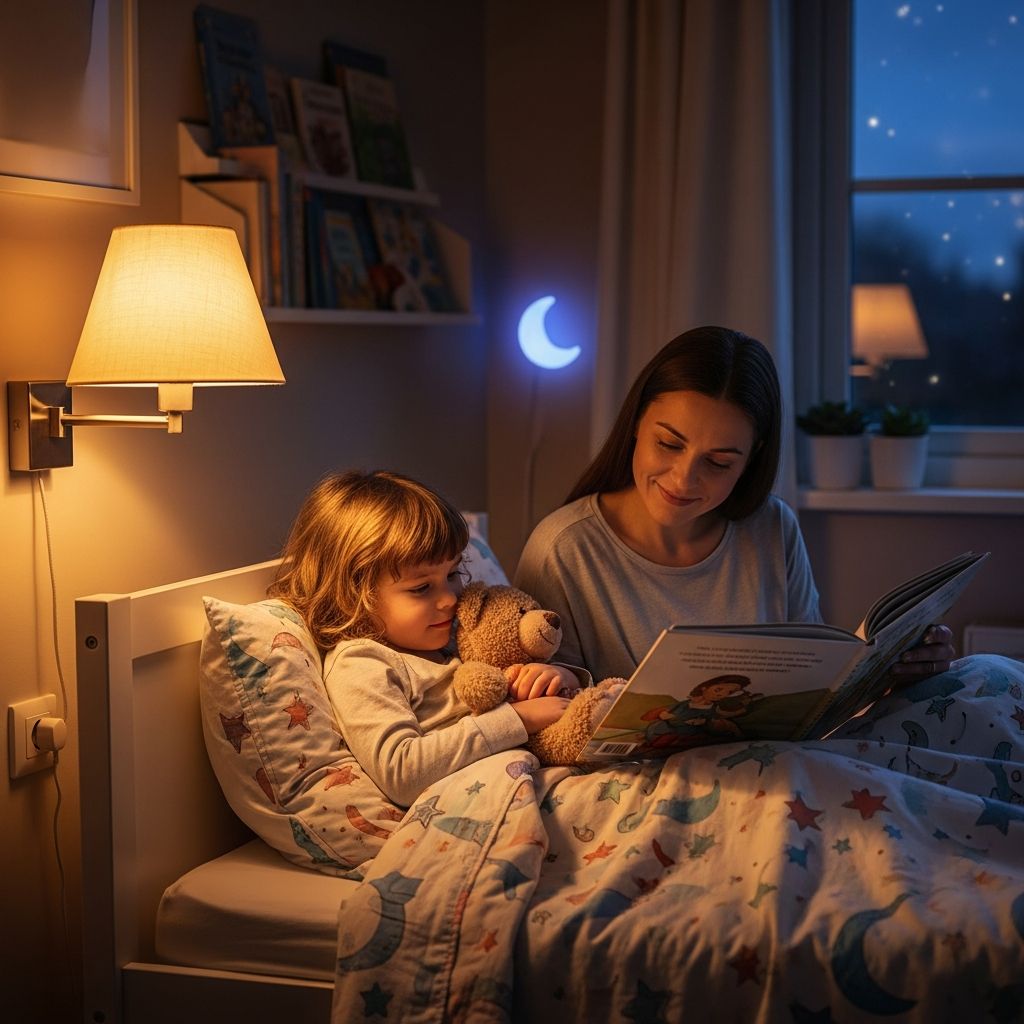
- Bedtime Wind-Down: Gentle puzzles for calm reflection.
- Classroom Icebreakers: Groups compete in riddle relays.
Track progress with a family riddle journal, noting favorites and new inventions.
Benefits Backed by Education Experts
Studies show riddles improve focus and memory. A Prodigy Math analysis notes they enhance math-related logic. WeAreTeachers emphasizes their role in early literacy.
| Skill | Benefit from Riddles | Example Age Group |
|---|---|---|
| Vocabulary | Exposes new word meanings | 4-7 |
| Logic | Trains deduction | 7-10 |
| Creativity | Encourages unique thinking | 8-12 |
| Social | Builds group interaction | All ages |
This table summarizes key gains, supported by educational practices.
Frequently Asked Questions (FAQs)
What age should start with riddles?
Ages 4+ for basics; adjust difficulty upward. They adapt to developmental stages.
Can riddles help school performance?
Yes, by sharpening critical thinking, as per teacher resources.
How many riddles per session?
5-10 to avoid frustration; build gradually.
Ideas for custom riddles?
Base on family pets or toys for personalization.
Are there printable versions?
Many sites offer PDFs for offline fun.
References
- 120 Easy and Hard Riddles for Kids (With Answers + Free Slides) — WeAreTeachers. 2023. https://www.weareteachers.com/riddles-for-kids/
- 115 Tricky Riddles for Kids (With Answers) — Good Housekeeping. 2023-10-01. https://www.goodhousekeeping.com/life/parenting/a40910439/riddles-for-kids/
- Riddles for Kids — ABCmouse. 2024. https://www.abcmouse.com/learn/printables-and-worksheets/riddles-for-kids/26260
- 90+ Clever and Fun Riddles For Kids (With Answers) — Genie Academy. 2025-01-01. https://www.genieacademy.com/blog/riddles-for-kids
- 150 Awesome Riddles for Kids [With Answers] — Prodigy Math. 2024. https://www.prodigygame.com/main-en/blog/riddles-for-kids
- 50 Fantastic Riddles for Kids — Let’s Roam. 2023. https://www.letsroam.com/explorer/riddles-for-kids/
- 101 Best Riddles for Kids and Adults — Parade. 2023. https://parade.com/947956/parade/riddles/
- 100 Riddles for Kids That Teachers Can Use — ClickView Education. 2024. https://www.clickvieweducation.com/blog/teaching-ideas/classroom-riddles