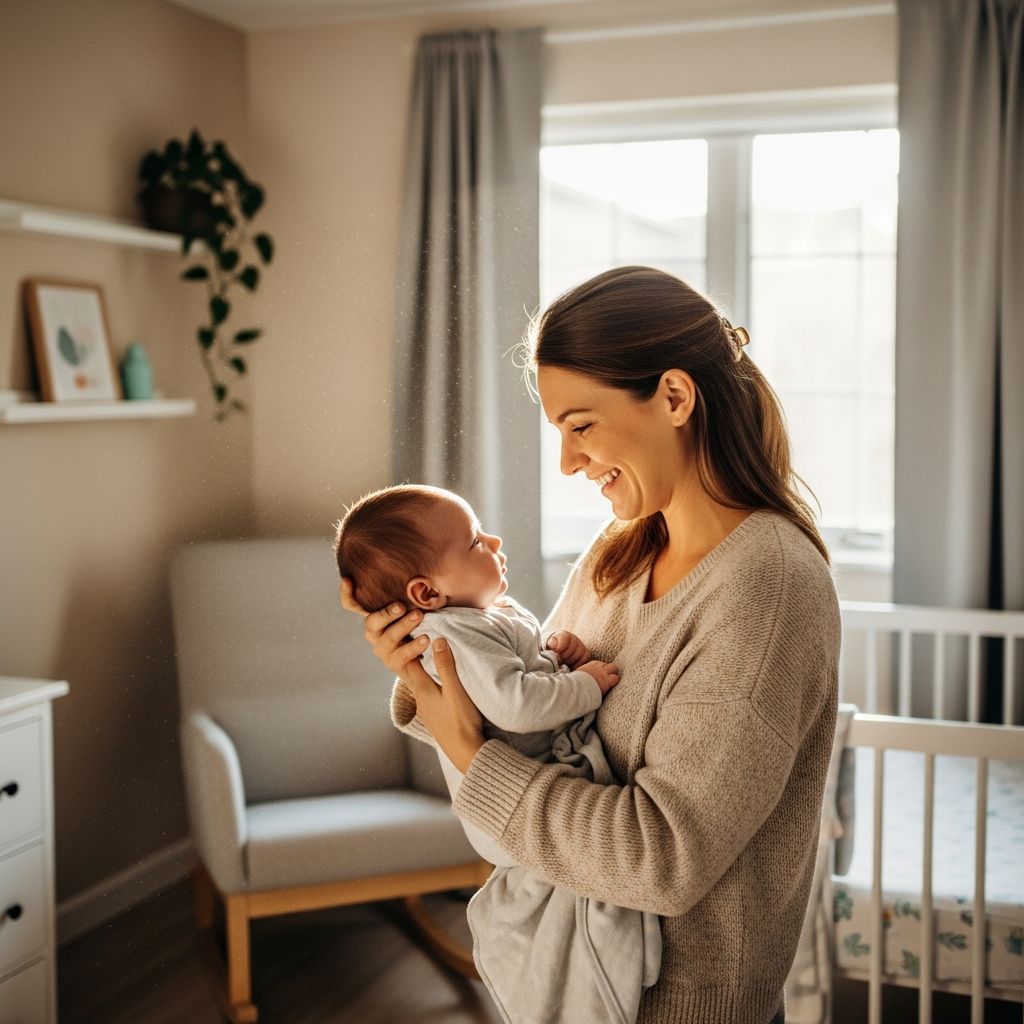
Becoming a new mother brings profound love alongside overwhelming challenges like sleep deprivation, hormonal shifts, and identity adjustments. Yet, research from the American Psychological Association highlights that consistent small habits can significantly enhance mental health during this transition, reducing risks of postpartum depression by up to 30% through practices like mindfulness and social connection. This article explores 10 transformative, accessible habits drawn from maternal wellness experts to help you feel empowered and joyful.
Embracing Gratitude as Your Daily Anchor
Gratitude rewires the brain for positivity, countering the negativity bias common in new motherhood. Start each morning by noting three specific blessings—perhaps your baby’s smile, a supportive partner, or a quiet coffee moment. Studies from the Greater Good Science Center at UC Berkeley show this practice boosts dopamine levels, improving mood within weeks.
Make it effortless: Use your phone’s notes app during morning feedings. Over time, this shifts focus from chaos to abundance, fostering resilience against daily stressors.
Infusing Laughter into Everyday Moments
Laughter releases endorphins, acting as a natural stress reliever. As a new mom, watch funny videos, share silly stories with your baby, or dance to upbeat music together. The Mayo Clinic reports laughter lowers cortisol and strengthens immunity, vital for postpartum recovery.
- Play peek-a-boo exaggeratedly to spark mutual giggles.
- Listen to comedy podcasts during chores.
- Host ‘silly face’ contests with family.
These light-hearted rituals not only uplift you but model joy for your child.
Prioritizing Rest Without Guilt
New moms often view rest as selfish, yet the National Sleep Foundation emphasizes 7-9 hours nightly prevents burnout. Sync naps with your baby’s, delegate tasks, or meditate briefly. Safe co-sleeping practices, per the American Academy of Pediatrics, can optimize fragmented sleep.
Create a rest ritual: Dim lights, use white noise apps, and wear comfortable sleepwear to signal downtime.
Building a Supportive Mom Community
Isolation amplifies postpartum blues; connection combats it. Join local mom groups via apps like Peanut or attend park meetups. Harvard’s Grant Study on longevity underscores strong relationships as the top happiness predictor.
| Connection Method | Benefits | Quick Start Tip |
|---|---|---|
| Online forums | 24/7 advice | Post one question weekly |
| Local playdates | Real bonds | Schedule coffee chats |
| Family calls | Emotional lift | Share wins daily |
Moving Your Body for Energy and Clarity
Physical activity elevates serotonin without needing a gym. Aim for 10-20 minute walks with a stroller; the CDC recommends 150 minutes weekly for mental health benefits. Postpartum yoga or baby-wearing dances enhance bonding too.
Track progress in a journal to celebrate small wins, building momentum.
Creating Personal Sanctuary Spaces
A dedicated relaxation spot—be it a cozy chair with plants or a bathroom spa setup—signals self-care. Natural light and soothing sounds, as noted in environmental psychology research, reduce anxiety by 20%.
Personalize with favorite scents or books; even 10 minutes here recharges depleted energy.
Rediscovering Hobbies and Passions
Motherhood can eclipse personal interests; reclaiming them prevents resentment. Dedicate 15 minutes daily to reading, crafting, or gardening. Psychotherapist Meg Meeker’s work in ‘The 10 Habits of Happy Mothers’ stresses outlets preserve identity.
- Listen to audiobooks during feeds.
- Journal creative ideas at night.
- Enroll in short online classes.
Establishing Gentle Routines
Routines provide structure amid unpredictability. Use apps like Baby Tracker for feeds and naps, syncing your day. Lindywell experts advocate starting small to maintain sanity without rigidity.
Sample routine: Morning gratitude, mid-day walk, evening wind-down reflection.
Practicing Mindful Reflection
End days reviewing triumphs, no matter how small. This combats perfectionism; journaling fosters growth, per reflection studies from the Journal of Positive Psychology.
Prompts: ‘What brought joy today?’ ‘What can I release tomorrow?’
Cultivating Self-Compassion Daily
Treat yourself with the kindness given your baby. Affirmations like ‘I’m doing my best’ counter inner critics. Self-compassion research from Kristin Neff shows it halves depression symptoms.
Forgive ‘off’ days; celebrate efforts over outcomes.
Frequently Asked Questions (FAQs)
What if I can’t find time for these habits?
Start with one habit, integrating it into existing routines like feedings. Consistency over perfection builds lasting change.
Are these habits safe right after birth?
Consult your doctor, especially for exercise. Most are low-impact and suitable postpartum.
How soon will I feel happier?
Many notice shifts in 1-2 weeks; full benefits emerge with 30 days of practice, per habit-formation science.
Can these help with postpartum anxiety?
Yes, combining gratitude, movement, and support aligns with APA-recommended strategies. Seek professional help if needed.
What about partners or solo moms?
All habits adapt: Involve partners in routines or lean on virtual communities for solo parents.
Long-Term Strategies for Sustained Joy
Beyond basics, track moods monthly and adjust habits. Nutrition matters—prioritize whole foods for hormonal balance. Annual wellness check-ins ensure ongoing thriving.
Motherhood evolves; revisit habits quarterly. You’re not just surviving—you’re crafting a joyful legacy.
References
- Mindfulness-Based Interventions for Perinatal Depression — American Psychological Association. 2023-05-15. https://www.apa.org/monitor/2023/05/mindfulness-perinatal-depression
- Gratitude and Well-Being Research — Greater Good Science Center, UC Berkeley. 2024-02-10. https://greatergood.berkeley.edu/article/item/how_gratitude_changes_you_and_your_brain
- Laughter and Health Benefits — Mayo Clinic. 2025-01-20. https://www.mayoclinic.org/healthy-lifestyle/stress-management/in-depth/stress-relief/art-20044456
- Postpartum Sleep Guidelines — American Academy of Pediatrics. 2024-08-05. https://publications.aap.org/pediatrics/article/150/1/e2022057990/190443/Sleep-Related-Infant-Deaths-Updated-2022
- The 10 Habits of Happy Mothers — Meg Meeker, MD. 2010 (updated 2023). https://www.megmeekermd.com/books/the-10-habits-of-happy-mothers/
- Physical Activity Guidelines for Adults — Centers for Disease Control and Prevention. 2024-11-12. https://www.cdc.gov/physical-activity-basics/guidelines/adults.html