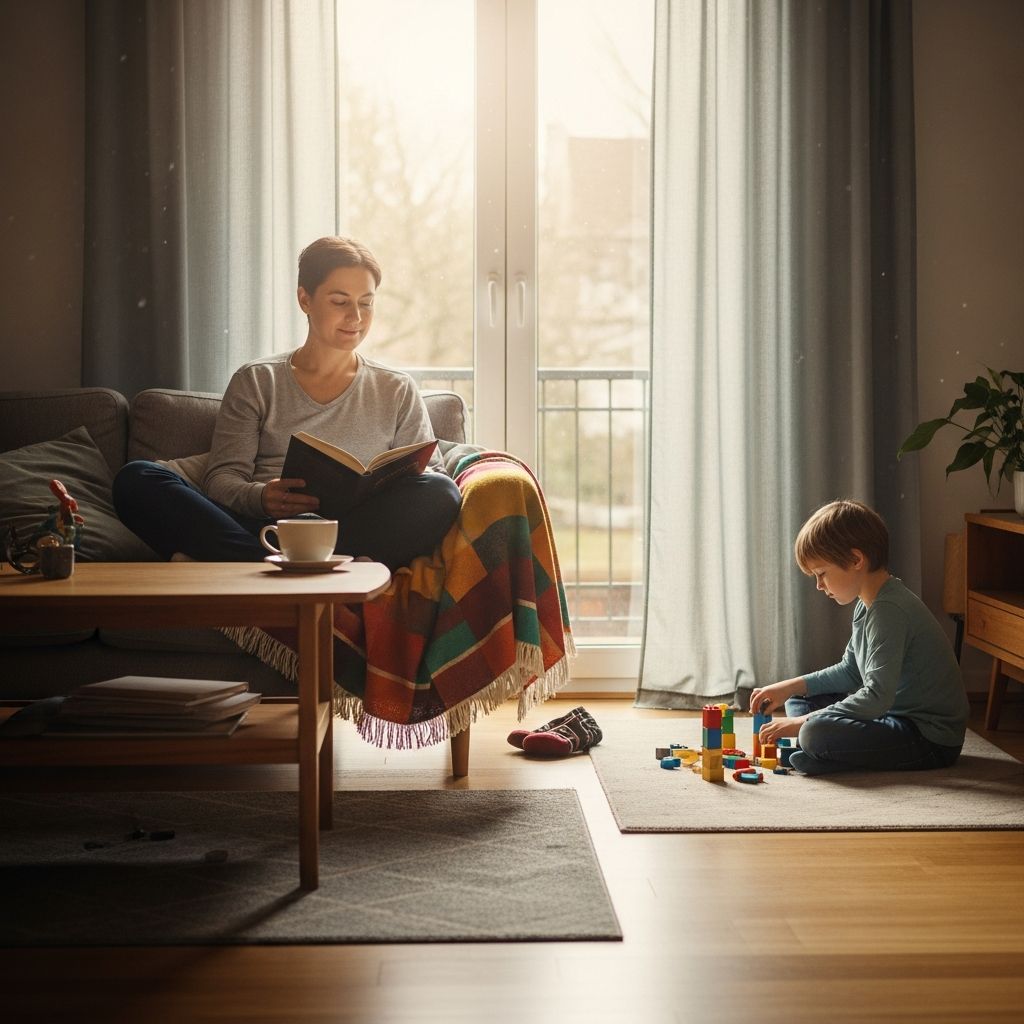
Relationships between introverts and extroverts often spark with magnetic attraction, blending quiet reflection with vibrant energy. These pairings thrive when partners navigate their differences thoughtfully, turning potential friction into complementary strengths. This article delves into practical ways couples can harmonize their personalities for lasting connection.
Defining the Personality Spectrum
Introversion and extroversion represent core ways people recharge and interact with the world. Introverts draw energy from solitary activities, finding large social gatherings draining, while extroverts gain vitality from interactions with others, often seeking out group settings to feel alive.
Psychological research, rooted in Carl Jung’s theories and expanded by the Myers-Briggs Type Indicator, shows these traits exist on a continuum rather than as strict binaries. Most individuals exhibit ambivert qualities, blending both tendencies based on context. In relationships, recognizing this spectrum prevents oversimplification— an introvert might shine in one-on-one deep talks, while an extrovert could relish quiet evenings occasionally.
- Introvert traits: Preference for introspection, selective socializing, deep listening skills.
- Extrovert traits: Outgoing nature, ease in crowds, enthusiasm for new experiences.
- Common ground: Both value meaningful bonds, just expressed differently.
The Magnetic Pull of Opposites
Why do these personalities pair up so frequently? Introverts often admire extroverts’ social ease and optimism, which pulls them from their shells into exciting adventures. Extroverts, meanwhile, appreciate introverts’ calm presence, thoughtful insights, and ability to foster profound emotional intimacy.
This attraction creates balance: the extrovert injects spontaneity, countering the introvert’s routine-loving tendencies, while the introvert offers grounding reflection amid the extrovert’s whirlwind. Studies from personality psychology affirm that such contrasts foster growth, as partners expose each other to novel experiences.
| Introvert’s Appeal to Extrovert | Extrovert’s Appeal to Introvert |
|---|---|
| Emotional depth and loyalty | Energy and social confidence |
| Calm in crises | Fun-loving spontaneity |
| Thoughtful decision-making | Networking and opportunities |
Navigating Social Life Together
Social preferences form a primary battleground. Extroverts crave frequent outings, parties, and networking, while introverts prefer intimate dinners or solo pursuits. Without negotiation, resentment brews—the extrovert feels isolated, the introvert overwhelmed.
Successful couples plan ahead. They alternate activities: one week a lively group hike, the next a cozy movie night. Setting time limits for events, like “two hours at the party then reassess,” prevents exhaustion. Some use a “safe word” signal for the introvert to indicate overload discreetly.
- Compromise on frequency: Extrovert skips one event; introvert attends the next.
- Separate arrivals: Drive independently to allow flexible exits.
- Leverage strengths: Extrovert handles small talk; introvert engages in deeper conversations later.
Mastering Communication Styles
Communication gaps arise from processing differences. Extroverts verbalize thoughts to clarify them, preferring immediate discussion during conflicts. Introverts mull internally first, needing space before articulating.
To bridge this, establish “rules of engagement.” After arguments, the extrovert might journal briefly while the introvert takes a walk, reconvening later. Open-ended questions like “What do you need right now?” foster empathy. Non-verbal cues— a tired sigh or excited gesture— become vital signals.
Regular check-ins, such as weekly “energy audits,” help: “On a scale of 1-10, how socially charged are you?” This proactive approach builds understanding.
Respecting Energy Cycles
Energy management is crucial. Introverts require downtime post-socializing to recharge, akin to refueling after exertion. Extroverts, conversely, wilt in prolonged solitude.
Partners create recharge rituals: introverts with books or baths, extroverts via calls or quick meetups. Respect boundaries without guilt— “I need an hour alone” isn’t rejection. Designate home zones, like a quiet nook for the introvert, ensuring both feel supported.
Turning Differences into Superpowers
These dynamics yield unique advantages. Introverts provide steady emotional anchors, aiding extroverts in reflection during stress. Extroverts propel introverts toward growth, expanding social circles and opportunities.
In parenting, extroverts organize playdates while introverts nurture one-on-one bonds. Professionally, they tag-team: extrovert pitches ideas, introvert refines strategies. This synergy enhances resilience, as navigating differences strengthens commitment.
Overcoming Common Hurdles
Myths exacerbate issues. Not all extroverts are party animals; many cherish quiet times. Introverts aren’t antisocial—they seek quality over quantity in interactions.
Challenges include:
- Conflict styles: Extrovert pushes talk; introvert withdraws. Solution: Scheduled debriefs.
- Social fatigue: Introvert drains quickly. Solution: Pre-event prep and post-recovery.
- Decision-making: Extrovert acts fast; introvert deliberates. Solution: Hybrid approach—brainstorm then reflect.
Therapy, like couples counseling from APA-recognized providers, offers tools when stuck. Research shows mixed pairs report higher satisfaction with mutual adaptation.
Building Rituals for Harmony
Daily habits cement success. Morning coffee chats blend extrovert’s talkativeness with introvert’s listening. Date nights mix low-key (picnic) and high-energy (concert) options.
Gratitude practices amplify bonds: Note three partner strengths weekly. Celebrate wins, like attending an event together unscathed.
Long-Term Strategies for Endurance
For sustainability, evolve together. Track patterns via journals: What events energize vs. drain? Adjust life stages—new parents might prioritize home dates.
External support, like books on personality (e.g., “Quiet” by Susan Cain, drawing from peer-reviewed psych lit), educates without blame. Commitment to growth ensures differences enrich rather than erode.
Frequently Asked Questions (FAQs)
Can introvert-extrovert relationships last long-term?
Yes, with communication and compromise, they often prove resilient, offering balanced perspectives that foster growth and satisfaction.
How do you handle differing social needs?
Plan mixed activities, use safe signals, and respect recharge time to meet both partners’ requirements equitably.
What if one partner wants to change the other?
Avoid conversion efforts; embrace wiring differences. Acceptance builds stronger bonds than forced change.
Are these pairings more challenging than similar ones?
They require more intentionality but yield complementary strengths, often leading to deeper connections.
How does conflict resolution differ?
Extroverts talk immediately; introverts need space. Agree on timing protocols to ensure both feel heard.
References
- Can Introverts and Extroverts Be in A Relationship? Three Steps for Making an Introvert-Extrovert Relationship Work — Abby Medcalf. 2023-05-15. https://abbymedcalf.com/can-introverts-and-extroverts-be-in-a-relationship-three-steps-for-making-an-introvert-extrovert-relationship-work/
- The Challenges of the Introvert-Extrovert Relationship (and How to Overcome Them) — Introvert Dear. 2022-11-10. https://introvertdear.com/news/introvert-extrovert-relationship-challenges-advice/
- Introvert + Extrovert: The Love Mix! — The Relationship Therapy Center. 2024-01-22. https://www.therelationshiptherapycenter.com/introvert-extrovert-the-love-mix/
- I’m An Introvert Married to An Extrovert. Here’s How We Make It Work — Fatherly. 2023-08-05. https://www.fatherly.com/life/introvert-extrovert-relationship-advice-from-couples
- Balancing Bliss: Navigating Introvert-Extrovert Relationships — Renew Hope and Healing. 2024-03-12. https://renewhopeandhealing.com/the-perfect-mix-navigating-introvert-extrovert-relationships/
- How Introverts and Extroverts Can Get Along — Full Focus. 2023-02-28. https://fullfocus.co/introverts-extroverts-get-along/
- Personality Differences in Relationships — American Psychological Association (APA). 2025-01-15. https://www.apa.org/topics/personality/relationships