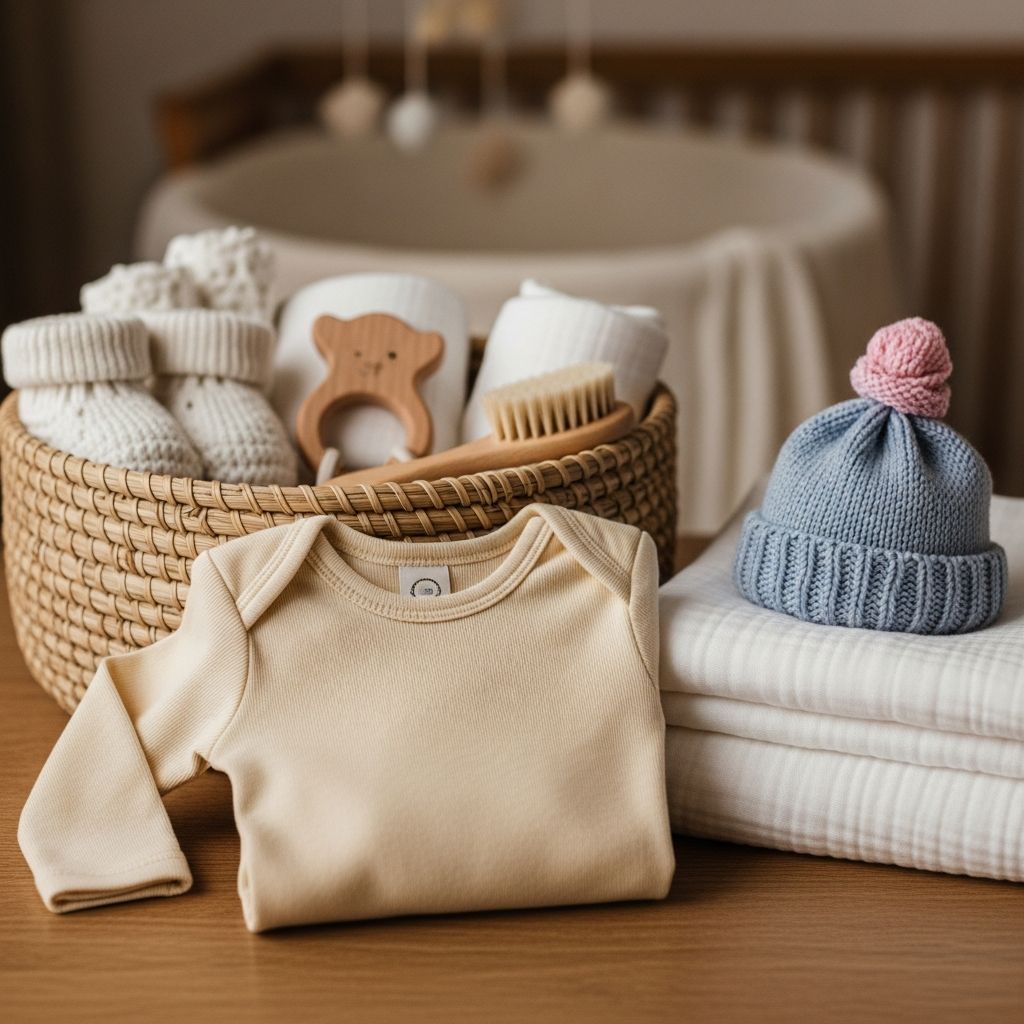
The postpartum period brings profound changes, demanding attention to physical healing, emotional adjustment, and daily family demands. New mothers often face fatigue, hormonal shifts, and recovery challenges, yet simple, integrated practices can foster resilience and joy. This guide outlines 10 actionable strategies drawn from expert recommendations, emphasizing low-effort activities that include your baby and promote sustainable wellness.
Understanding Postpartum Needs
After delivery, the body undergoes significant recovery, including uterine involution, hormonal rebalancing, and tissue repair. Mental health is equally vital, as many experience mood fluctuations. Prioritizing gentle movement, nutrition, and rest supports both body and mind, reducing risks like prolonged fatigue or postpartum depression. Consulting a healthcare provider before starting any routine ensures safety, especially after cesarean or complicated births.
Step 1: Establish Nourishing Eating Habits
Fuel your recovery with balanced meals rich in whole foods. Opt for breakfasts like oatmeal topped with berries and seeds for sustained energy and fiber. Snacks such as vegetable sticks with dips provide quick nutrients, while dinners featuring lean proteins and greens aid tissue repair and mood stabilization. Hydration is crucial—aim for plenty of water to support breastfeeding and combat exhaustion. Meal prepping simple batches in advance minimizes decision fatigue during busy days.
- Focus on anti-inflammatory foods: fatty fish, nuts, and leafy vegetables.
- Incorporate iron-rich options like spinach to replenish blood loss.
- Keep portable snacks handy for on-the-go feeding sessions.
Step 2: Embrace Daily Walks with Baby
Walking stands out as an ideal low-impact activity, boosting circulation, endorphins, and vitamin D exposure. Stroller pushes or carrier strolls allow baby to join, turning exercise into quality time. Start with 10-15 minutes, building as comfort allows. Experts note this enhances physical recovery and mental clarity without overwhelming new routines. Choose scenic routes to elevate mood further.
Step 3: Incorporate Baby-Assisted Strength Moves
Once cleared by your doctor, use your baby as a gentle weight for fun exercises. During tummy time, perform modified lifts or squats holding baby securely. These “exercise snacks”—short bursts of activity—fit seamlessly between naps and feeds, strengthening core and legs while fostering interaction. Always prioritize form to avoid strain.
| Exercise | Description | Benefits |
|---|---|---|
| Baby Squats | Hold baby close, lower into a squat, then rise. | Builds glutes and thighs safely. |
| Tummy Time Lifts | Lie back, lift baby overhead gently during play. | Engages arms and core playfully. |
| Plank with Peekaboo | Hold plank position, dip to engage baby. | Improves stability and bonding. |
Step 4: Strengthen Pelvic Floor and Core
Pelvic floor exercises, like Kegels, are essential for preventing incontinence and supporting organ repositioning. Pair with bridges: lie on back, lift hips while squeezing glutes and pelvic muscles. Clamshells target hips effectively too. Perform 10-15 reps daily during baby’s naps for progressive gains. Consistency yields noticeable improvements in weeks.
Step 5: Prioritize Quality Rest and Sleep Hygiene
Sleep deprivation is common, but optimizing environments helps. Nap when baby naps, dim lights, and use white noise for better cycles. Soundscapes calm the nervous system, lowering stress hormones. Share night duties with a partner to extend uninterrupted rest, vital for hormonal balance and immunity.
Step 6: Practice Mindful Breathing and Relaxation
Daily check-ins with deep breathing counteract stress. Inhale for four counts, hold, exhale slowly—do this while nursing. A growth mindset, viewing challenges as learning, builds resilience. Journaling gratitudes shifts focus positively amid sleep disruptions.
Step 7: Build a Support Network
Accept help graciously; let others handle meals or chores. Join mom groups for walks or classes, combating isolation. Partners and family provide breaks for solo self-care, enhancing emotional well-being. Communicating needs openly strengthens bonds.
Step 8: Explore Low-Impact Group Activities
Postnatal classes, yoga, or swim sessions with baby promote social connection and gentle cardio. Pram aerobics or energetic play build endurance. Wait for bleeding to stop before swimming, ensuring safety. These outings refresh mentally while moving physically.
Step 9: Focus on Gentle Upper Body Toning
Counter nursing posture with wall slides: stand against wall, slide arms into a V shape. Planks on forearms build endurance. These no-equipment moves fit anywhere, improving posture and reducing back pain. Aim for 2-3 sets as tolerance grows.
Step 10: Monitor Progress and Be Patient
Track small wins, like longer walks or deeper sleep. Self-compassion is key—progress varies. Regular provider check-ups guide adjustments. This holistic approach not only aids physical rebound but cultivates lasting wellness habits.
Nutrition Guide for New Moms
| Meal Time | Suggested Foods | Key Nutrients |
|---|---|---|
| Breakfast | Oatmeal, berries, flaxseed | Fiber, antioxidants, omega-3s |
| Lunch | Salad with lean protein | Protein, vitamins |
| Snack | Hummus, carrots | Healthy fats, beta-carotene |
| Dinner | Grilled fish, veggies | Iron, lean protein |
Frequently Asked Questions
When can I start exercising postpartum?
Consult your doctor; typically after 6 weeks for vaginal births, longer for C-sections. Begin with walks.
How often should I do pelvic floor exercises?
Daily, in sets of 10-20 reps, building gradually.
Is it safe to lift weights with my baby?
Yes, for light, controlled moves once cleared, using baby as natural resistance.
What if I’m too tired to eat well?
Prep simple, nutrient-dense snacks ahead; enlist help for meals.
Can these tips help with postpartum mood?
Absolutely—movement, nutrition, and support boost endorphins and reduce anxiety.
Implementing these steps transforms the postpartum phase from overwhelming to empowering. Consistency, paired with professional guidance, paves the way for vibrant health.
References
- Post Baby Fitness and Wellness Tips — BayCare. 2023-06-15. https://baycare.org/wellness-resources/children/infants-3-to-7-months/month-3/post-baby-fitness-and-wellness-tips
- 5 Strategies for Post-Partum Wellness — NASM Blog. 2024-02-10. https://blog.nasm.org/postpartum-wellness
- 5 Realistic Ways to Practice Self-Care After Having a Baby — TheraBody. 2024-08-20. https://www.therabody.com/blogs/news/5-realistic-ways-to-practice-self-care-after-having-a-baby
- 5 Postnatal Exercises to Lose the Baby Weight — Baylor Scott & White Health. 2023-11-05. https://www.bswhealth.com/blog/5-postnatal-exercises-to-lose-the-baby-weight
- Postpartum Recovery & Wellness Tips for Healing After Birth — CHRISTUS Health. 2024-01-12. https://www.christushealth.org/connect/your-health/labor-and-delivery/wellness-strategies-for-postpartum
- Keeping Fit and Healthy with a Baby — NHS. 2025-03-18. https://www.nhs.uk/baby/support-and-services/keeping-fit-and-healthy-with-a-baby/
- Navigating Postpartum Recovery: Essential Self-Care for New Parents — Inspira Health. 2024-05-22. https://www.inspirahealthnetwork.org/news/healthy-living/navigating-postpartum-recovery-essential-self-care-new-parents