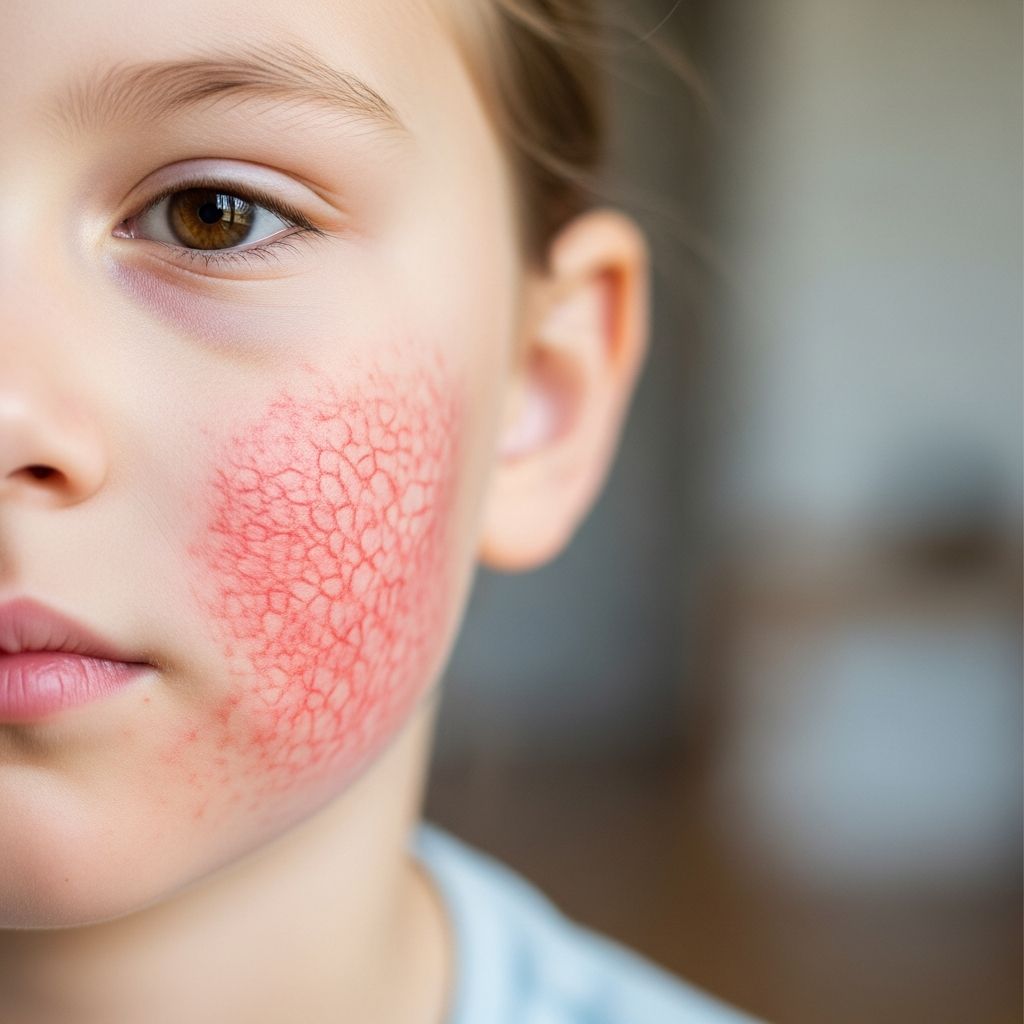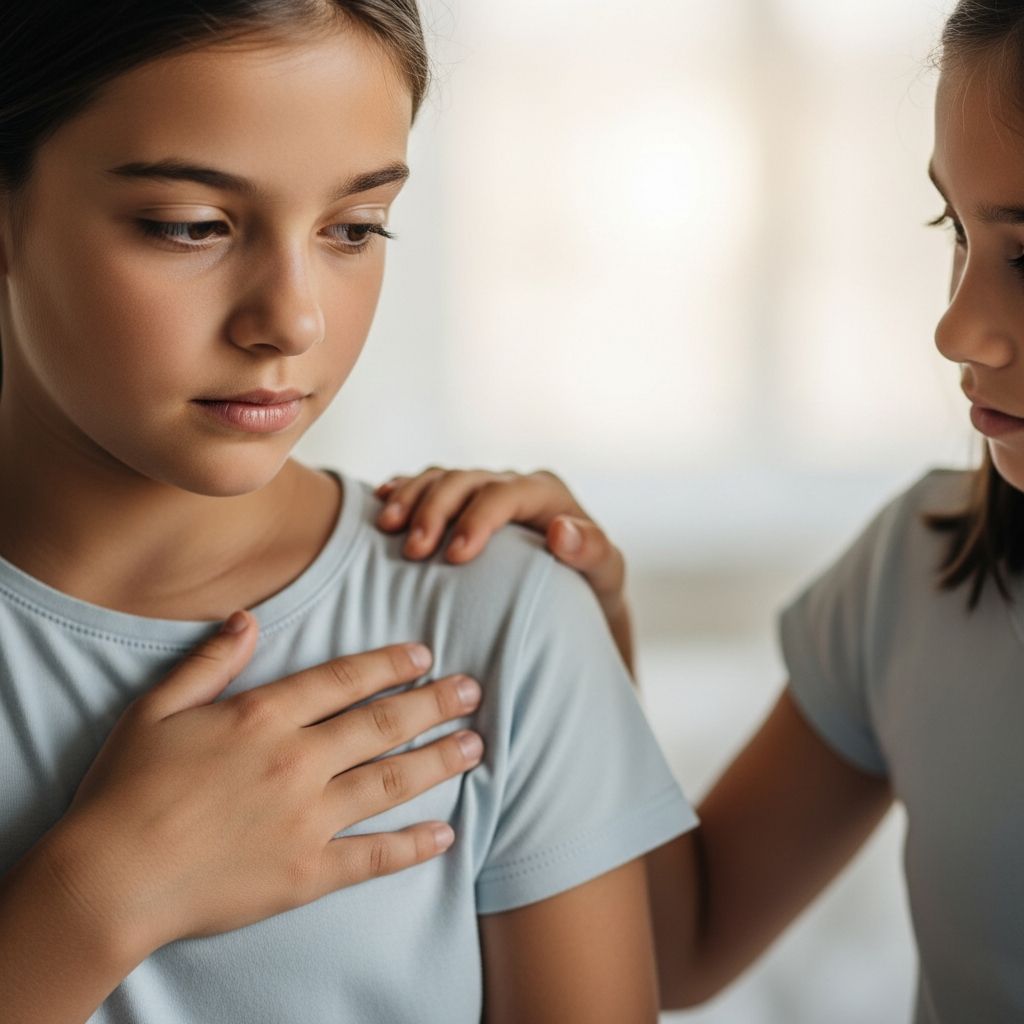
Breast injuries in children and adolescents, particularly during puberty, can cause worry for both girls and their families. These issues often arise from everyday activities like sports or accidental bumps, leading to symptoms that mimic more serious conditions. Most cases resolve with simple care, but recognizing when professional help is needed is crucial for healthy development.
Common Causes of Breast Trauma in Youth
Young girls’ breasts are developing and sensitive, making them prone to injury from physical impacts. Sports such as soccer, basketball, or volleyball frequently involve elbowing, ball strikes, or falls that directly hit the chest area. Repetitive motions without proper support, like running, can strain breast tissue. Other triggers include car accidents with seatbelt pressure, bicycle handlebar collisions, or even tight clothing that restricts blood flow over time.
In adolescents, hormonal changes make breasts tender, amplifying pain from minor incidents. Bacteria entering through small cuts, especially after nipple piercings, can lead to infections like abscesses caused by Staphylococcus aureus. Understanding these causes helps in prevention and quick response.
Recognizing Key Symptoms After an Injury
Symptoms typically appear immediately or within days. Pain and tenderness at the impact site is common, often worsening with movement or touch. Bruising shows as colorful marks—purple, blue, green, or yellow—spreading across the skin.
Swelling makes the breast appear larger, sometimes with redness indicating inflammation. Lumps may form from fat necrosis, where damaged fatty tissue hardens into firm, round masses; these are usually painless but can feel alarming. Nipple discharge, if present, might signal duct issues or infection.
| Symptom | Description | Duration |
|---|---|---|
| Pain/Tenderness | Sharp or aching at injury site | Days to a week |
| Bruising | Discolored skin patches | 1-3 weeks |
| Swelling | Enlarged, puffy appearance | Few days |
| Lump (Fat Necrosis) | Firm, movable mass | Weeks to months |
| Infection Signs | Redness, warmth, pus | Requires prompt care |
Immediate Home Care Strategies
For mild injuries, start with the RICE method: Rest the area by avoiding sports; Ice wrapped in cloth for 15-20 minutes every few hours to reduce swelling; Compression using a soft sports bra; Elevation by lying down with arms above the heart. Over-the-counter pain relievers like ibuprofen help with inflammation, but follow age-appropriate doses.
Avoid heat initially, as it increases bleeding. Supportive bras prevent further jostling during healing. Most contusions fade in days, but monitor for changes.
When to Consult a Healthcare Professional
- Pain persists beyond a week or intensifies.
- A lump forms and doesn’t shrink after two weeks.
- Bruising spreads unusually or doesn’t fade.
- Signs of infection: fever, red streaks, pus, or warmth.
- Injury from high-impact events like car crashes.
- Asymmetric swelling or nipple changes.
Doctors use exams, ultrasounds for young patients (avoiding radiation), to differentiate trauma from other issues like fibroadenomas or cysts. Early checks prevent complications.
Medical Treatments for Breast Injuries
Treatment matches the issue. Hematomas—blood collections—often resolve naturally but may need drainage if large. Infections require antibiotics; abscesses might involve ultrasound-guided drainage. Fat necrosis lumps are watched; surgery is rare unless persistent.
For teens, hormonal tenderness with cysts benefits from caffeine reduction or supplements like evening primrose oil. Surgery is uncommon, reserved for severe cases like large malignant-like masses.
Preventing Future Breast Injuries
Prevention starts with gear: Well-fitted sports bras with high impact protection during activities. Helmets and padding in contact sports reduce blows. Teach proper form in exercises to minimize repetitive strain.
Educate on avoiding nipple piercings until fully developed, as they invite infections. Regular self-checks post-puberty foster awareness without fear. Parental supervision in rough play helps too.
Related Breast Concerns in Adolescents
Not all issues stem from trauma. Fibroadenomas are benign, rubbery lumps common pre-menstruation. Fibrocystic changes cause lumpy tenderness cycling with periods. Duct ectasia in young children leads to bloody discharge from maternal hormones; it self-resolves.
Precocious development or asymmetry warrants endocrine checks. Most are benign, managed conservatively to protect growing tissue.
Emotional Support and Body Confidence
Injuries can spark anxiety about appearance or cancer fears, despite low risk in youth. Open talks normalize experiences. Counseling aids body image during puberty. Reassure that vigilance, not panic, is key.
Frequently Asked Questions (FAQs)
Can a breast injury lead to cancer?
No, trauma doesn’t cause cancer. Lumps from fat necrosis are benign, but get checked to confirm.
How long does bruising last?
Typically 1-3 weeks, fading through colors. Persistent bruising needs evaluation.
Is surgery ever needed for kids’ breast injuries?
Rarely; only for large hematomas, abscesses, or non-resolving masses.
What if my teen has a lump after sports?
Monitor 2 weeks with RICE; see a doctor if unchanged. Ultrasound assesses safely.
Are sports bras enough protection?
They reduce movement and pain but pair with awareness of high-risk plays.
Long-Term Outlook and Monitoring
Most girls recover fully without scarring or development issues. Annual check-ups track puberty. Self-exams post-teen years promote health habits. Knowledge empowers confident activity.
References
- Pediatric and adolescent breast pathology — Children’s Health. 2023. https://www.childrens.com/specialties-services/conditions/breast-pathology
- Breast Injury or Trauma: Symptoms, Treatment, and More — Healthline. 2023-10-15. https://www.healthline.com/health/breast-injury-trauma
- Breast Lesions in Children and Adolescents — PubMed Central/NIH. 2018-07-31. https://pmc.ncbi.nlm.nih.gov/articles/PMC6082765/
- Breast Injury (Trauma): Symptoms, Causes, Is It Cancer? — HealthCentral. 2023. https://www.healthcentral.com/womens-health/breast-injuries
- Breast Symptoms-Child — Seattle Children’s Hospital. 2023. https://www.seattlechildrens.org/conditions/a-z/breast-symptoms-child/