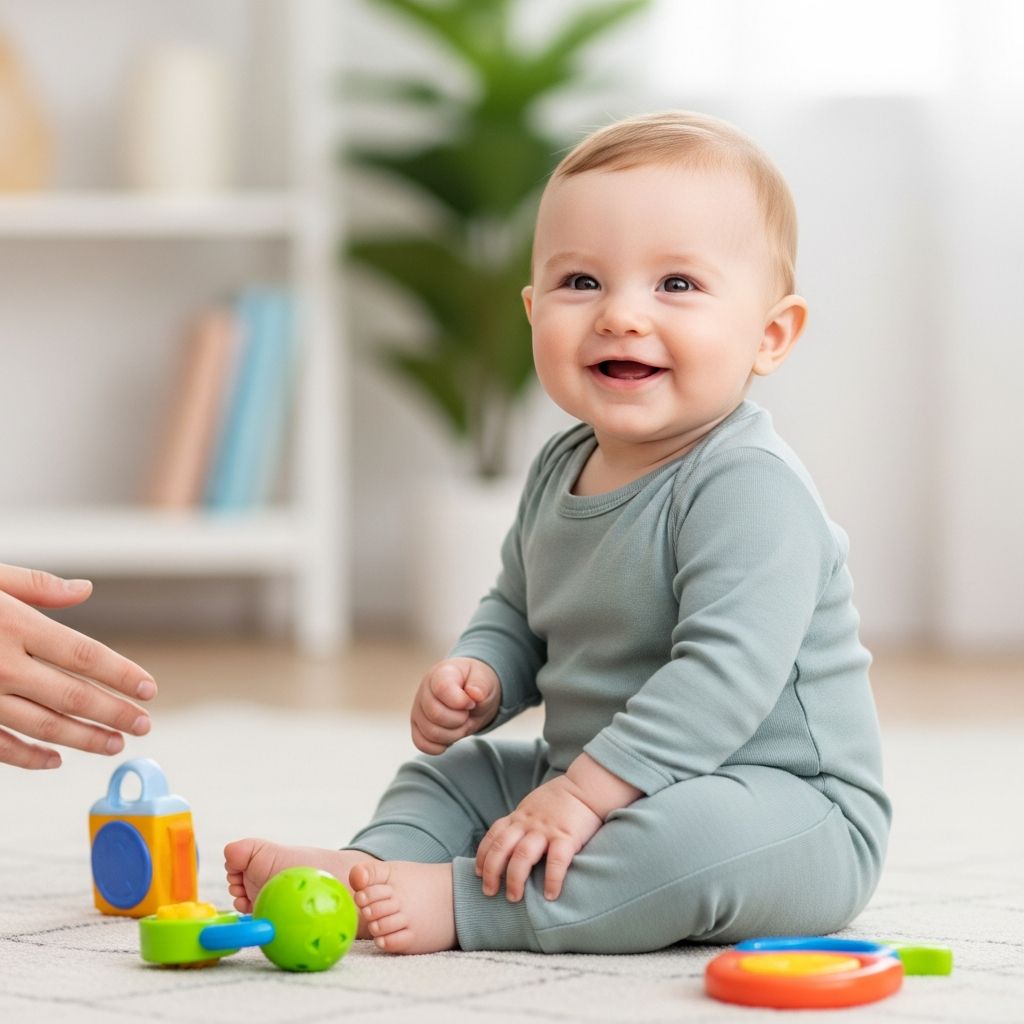
Your 10-month-old is transforming into a dynamic explorer, mastering new physical feats, expressing emotions vividly, and engaging with their world in captivating ways. This stage marks a pivotal shift toward greater independence, with babies often cruising along furniture, babbling enthusiastically, and showing clear preferences in play and interactions.
Physical Achievements: Building Strength and Mobility
At 10 months, gross motor skills flourish as babies gain confidence in movement. Most can crawl swiftly on hands and knees, pull themselves to a standing position using furniture or caregivers’ hands, and even cruise—shuffling sideways while holding on for support. Some adventurous ones may attempt standalone steps or climb stairs on all fours, signaling readiness for walking.
- Crawling mastery: Efficient navigation across rooms to chase toys or loved ones.
- Standing prowess: Balancing briefly without aid, often reaching for objects while upright.
- Fine motor precision: Using the pincer grasp (thumb and forefinger) to pick up tiny items like cereal or raisins, and releasing them into containers.
Fine motor developments enable self-feeding with finger foods and banging objects together, fostering hand-eye coordination. Babies may turn book pages clumsily or imitate scribbling, delighting in these newfound abilities.
Cognitive Sparks: Curiosity and Problem-Solving
Cognitive growth accelerates, with babies demonstrating object permanence by searching for hidden toys, understanding that items exist even when out of sight. They explore textures, cause-and-effect (like dropping toys repeatedly), and simple puzzles, poking fingers into holes or stacking blocks.
| Milestone | Description | Parent Tip |
|---|---|---|
| Object searching | Actively looks for concealed objects | Play peek-a-boo with toys under blankets |
| Cause-effect play | Bangs items to hear sounds | Provide safe pots and spoons for noise-making |
| Imitation | Copies gestures like clapping | Demonstrate actions during songs |
This curiosity drives independent exploration, transitioning positions fluidly to reach desired items, boosting problem-solving foundations.
Language and Communication Breakthroughs
Communication blooms with responsive babbling mimicking speech rhythms, responding to their name, “no,” and simple directives like “wave bye-bye.” They gesture emphatically—pointing, waving, shaking head—and may utter first words like “mama” or “dada” specifically. Facial expressions convey needs clearly, enhancing interactions.
- Turns head toward sounds or called name.
- Imitates animal noises or simple words.
- Engages in back-and-forth “conversations” via babbles.
Social smiles and laughter during games like pat-a-cake strengthen bonds, while music appreciation leads to bouncing or swaying.
Social-Emotional Bonds: Independence Meets Attachment
Emotional expression intensifies; babies show joy, frustration, or shyness distinctly. Separation anxiety may peak but often eases, allowing comfort with familiar strangers. Strong attachments to primary caregivers persist, with preferences for parental play. New fears (e.g., loud noises) emerge, soothed by cuddles.
They thrive in interactive play, demonstrating attachment through smiles and seeking comfort during distress. Peek-a-boo reinforces trust and permanence.
Daily Routines: Sleep, Feeding, and Health Essentials
Sleep Patterns
Expect 11-14 hours total sleep: 10-12 hours nightly (possibly waking for parents) plus two 1-2 hour naps. Consistent bedtime routines aid settling.
Nutrition Advances
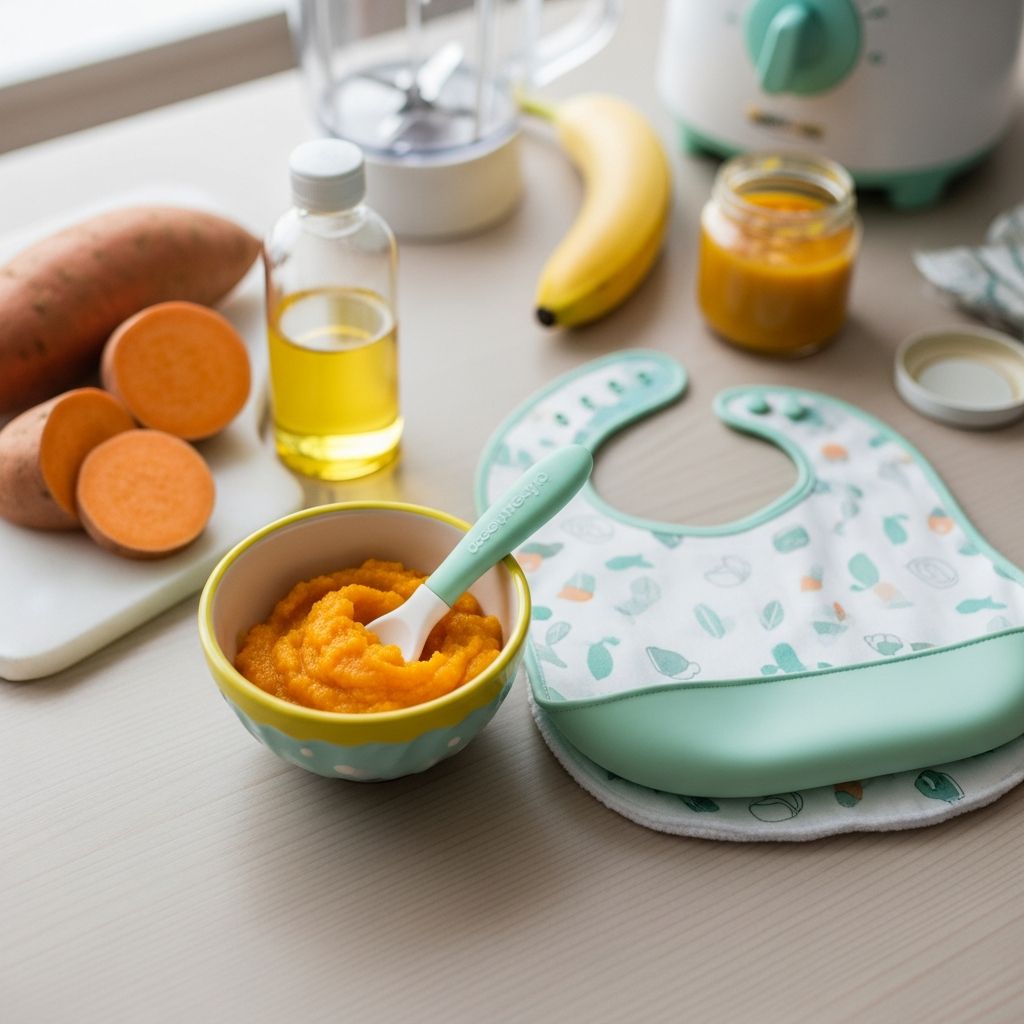
Shift to three solid meals plus snacks, emphasizing iron-rich foods (pureed meats, fortified cereals) alongside breast milk or formula (24-32 oz daily). Self-feed finger foods like soft fruits, veggies, cheese; introduce sippy cups. Teething (4-6 teeth possible) may cause drooling or fussiness.
| Food Group | Examples | Benefits |
|---|---|---|
| Proteins | Yogurt, tofu, eggs | Builds muscles and iron stores |
| Fruits/Veggies | Banana pieces, steamed carrots | Vitamins for immunity |
| Grains | Cheerios, soft bread | Energy and fiber |
Health Checkpoints
Regular checkups monitor growth (average: 18-20 lbs, 28-29 inches). Vaccinations continue; watch for teething discomfort or illnesses.
Safety Priorities for Active Explorers
Mobility demands vigilance: secure furniture, gate stairs, remove small objects/choking hazards. Supervise standing/cruising to prevent falls. Babyproof outlets, cabinets; use rear-facing car seats. Never leave unattended on elevated surfaces.
- Install corner guards on tables.
- Keep floors clear of cords/small toys.
- Encourage safe standing with stable toys.
Engaging Play and Stimulation Strategies
Play fuels all developments. Music games enhance rhythm/motor skills; sensory bins with textures stimulate touch. Outdoor time builds vestibular sense via swings. Read daily, naming objects to expand vocabulary.
- Music sessions: Sing, clap, use homemade instruments.
- Sensory exploration: Safe household items for textures/sounds.
- Balance practice: Hold hands for supported walking.
- Reading rituals: Board books for page-turning practice.
Limit screen time; prioritize interactive caregiver play for emotional growth.
Variations in Development: What to Expect
Milestones vary; some babies skip crawling, others walk early. Track via CDC checklists. Consult pediatricians if no progress in sitting unsupported, no babbling, or lack of interest in people/toys by 12 months.
Frequently Asked Questions (FAQs)
Is my 10-month-old on track if not walking yet?
Yes, many take first steps at 12 months or later. Focus on cruising and standing; variations are normal.
How can I encourage language development?
Narrate daily activities, respond to babbles, read aloud, and use simple words with gestures.
What if separation anxiety returns?
It’s common; short goodbyes with familiar objects help. Comfort promptly upon return.
How much solid food should they eat?
About 1/4-1/2 cup per meal group, prioritizing variety and self-feeding cues.
When to worry about milestones?
If no crawling/sitting by 12 months or poor eye contact, seek early intervention via pediatrician.
References
- 10-Month-Old Baby Development & Milestones — Enfamil. 2023. https://www.enfamil.com/articles/10-month-baby-milestones/
- 10 Month Old Baby Milestones – Development — Huckleberry. 2024. https://huckleberrycare.com/blog/navigating-the-exciting-world-of-10-month-old-development-milestones-and-10
- Your Baby’s Growth and Development — 10 Months Old — Pregnancy Birth & Baby. 2023. https://www.pregnancybirthbaby.org.au/babys-growth-and-development-10-months-old
- Developmental Milestones: 10-12 Month Baby — CHOC Children’s. 2024. https://choc.org/ages-stages/10-to-12-months/
- Infant Development: Milestones from 10 to 12 Months — Mayo Clinic. 2025-06-13. https://www.mayoclinic.org/healthy-lifestyle/infant-and-toddler-health/in-depth/infant-development/art-20047380
- Developmental Milestones for Babies (6-12 Months) — Coral Care. 2023. https://www.joincoralcare.com/developmental-guides/milestones-6-12-months-babies
- Baby Development at 9-10 Months — Raising Children Network. 2024. https://raisingchildren.net.au/babies/development/development-tracker-3-12-months/9-10-months
- CDC’s Developmental Milestones — Centers for Disease Control and Prevention. 2025. https://www.cdc.gov/act-early/milestones/index.html
- Baby Developmental Milestones By Month — Cleveland Clinic. 2024. https://my.clevelandclinic.org/health/articles/22063-baby-development-milestones-safety