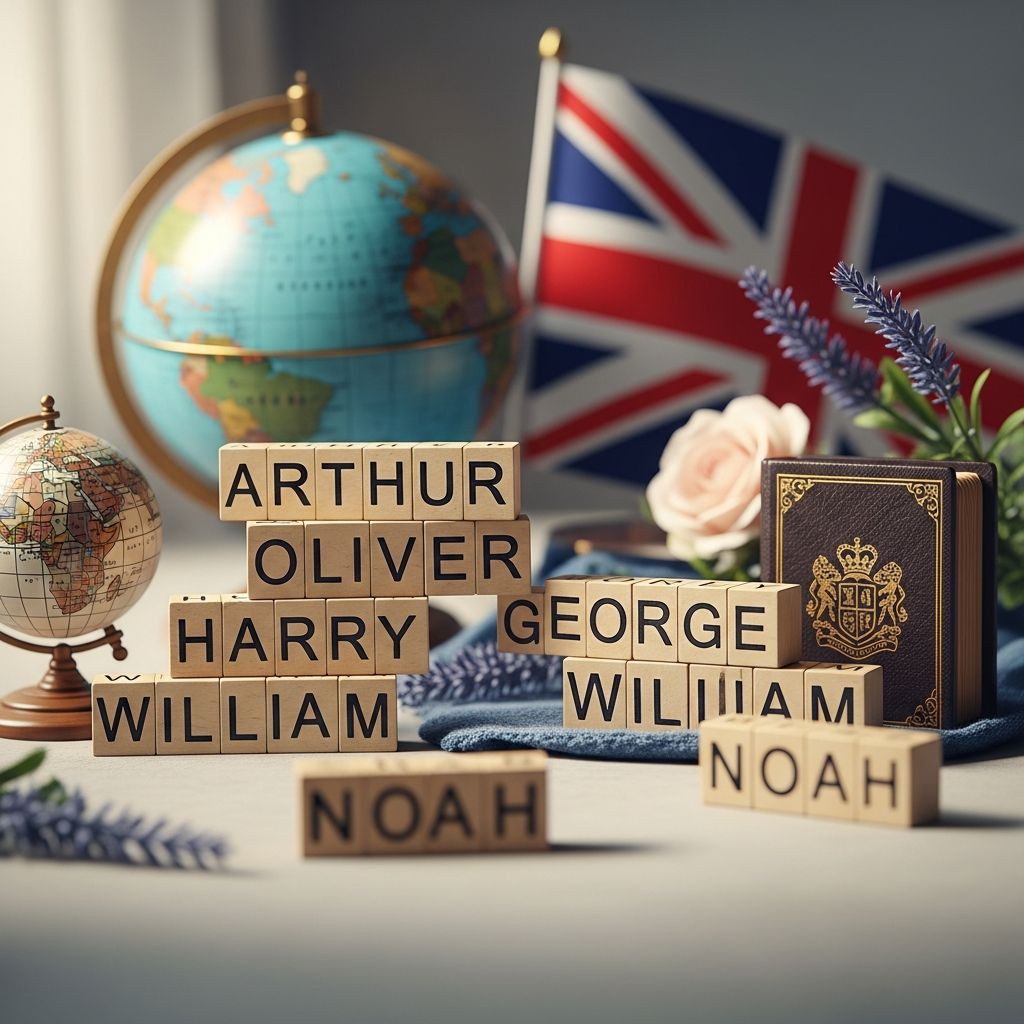
British boy names blend royal tradition, literary heritage, and modern style, making them a rich source of inspiration for parents around the world. Whether you love regal classics, short and punchy names, or softer nature-inspired options, there is a British name to fit every personality.
This guide explores the major styles of British boy names, their meanings and origins, and practical tips to help you choose a name that feels both meaningful and wearable for your child’s whole life.
Why British Names Appeal to Parents Worldwide
Names used in Britain often feel familiar yet distinctive, thanks to centuries of cultural exchange, royal influence, and literary tradition. Many parents gravitate toward British boy names because they sound strong, classic, and easy to pronounce in multiple languages.
Britain’s layered history—Celtic tribes, Roman occupation, Anglo-Saxons, Vikings, Normans, and global connections—means British names draw from many languages, including Old English, Latin, Greek, Hebrew, and Gaelic. This gives parents an unusually broad palette of meanings, from “protector” and “peaceful” to “from the hill” or “lover of horses.”
How to Choose the Right British Boy Name
Picking a name involves more than liking how it sounds. Considering origin, meaning, nickname potential, and how the name fits your family can make the decision feel more grounded and less overwhelming.
- Think long term: Imagine the name on a baby, teenager, and adult professional.
- Check pronunciation: Choose a name that family and friends can say and spell with relative ease.
- Consider meaning: Many British names carry powerful themes such as strength, wisdom, freedom, and kindness.
- Say it out loud: Test first, middle, and last name together to listen for awkward sounds or unintentional initials.
- Balance uniqueness and familiarity: Decide whether you prefer a widely recognized name or something more individual.
Classic British Boy Names with Royal Roots
Royal and traditional names have anchored British naming culture for centuries. They tend to feel formal on paper yet friendly in everyday use, especially with nicknames.
- Arthur – Often linked to legendary kings and knights, associated with courage, honor, and leadership.
- Edward – A steady, old-English style name tied to several kings and historical figures.
- George – Strong and unpretentious, carried by kings and beloved saints alike.
- Henry – A staple of British history, giving off a mix of traditional charm and modern energy.
- William – A timeless choice with noble associations, balanced by friendly nicknames like Will or Billy.
| Name | General Origin | Typical Associations |
|---|---|---|
| Arthur | Celtic/Legendary | Bravery, chivalry, mythic leadership |
| Edward | Old English | Guardianship, tradition, reliability |
| George | Greek via English use | Down-to-earth strength, classic style |
| Henry | Germanic adopted in Britain | Authority, intelligence, royal history |
| William | Germanic via Norman influence | Leadership, courage, dependable character |
Traditional Names with Everyday Warmth
Not every traditional British boy name is tied directly to royalty, but many have been used for generations and feel reassuringly familiar. These names often appear in literature, historical documents, or classic school registers.
- Thomas – A gentle, grounded name often shortened to Tom, giving a friendly, approachable impression.
- Charles – Formal and stately, with casual nicknames like Charlie or Chuck for everyday life.
- Frederick – Sturdy and slightly vintage, refreshed by nicknames such as Fred or Freddie.
- Albert – Once deeply associated with the Victorian era, now gaining a soft, retro appeal.
- Edmund – A literary-feeling choice with an old-world atmosphere and understated strength.
Modern British Boy Names with a Fresh Feel
Contemporary British naming trends embrace short, energetic choices and surname-style first names. These options feel current without necessarily being bound to a specific decade.
- Logan – Popular in Scotland and beyond, bringing a tough yet modern sound.
- Mason – Originally a surname tied to a trade, now a sleek, international first name.
- Harrison – Literally “son of Harry,” stylish as a first name with built-in nickname Harry.
- Finlay – A gentle yet lively Scottish-rooted name with nature-tinged charm.
- Jensen – A once-rare surname that now feels cool and contemporary for a first name.
Surname-Style British Boy Names
Surnames used as given names have become a signature part of modern British and English-language naming. They suggest heritage, individuality, and often a dash of sophistication.
- Hamilton – A distinguished name linked with place and family history, now stylish and recognizable.
- Presley – Once purely a surname, now a bold choice with musical and pop-culture echoes.
- Keaton – Derived from place names, offering a crisp, modern sound that still feels rooted.
- Jones – Traditionally an extremely common surname, repurposed as a quirky and memorable first name.
- Nelson – Often chosen to honor notable leaders, giving it an air of dignity and purpose.
Nature-Inspired and Gentle British Names
Not all British boy names are about warriors and kings. Many parents look for softer, nature-linked, or meaning-rich names that evoke positivity, peace, or brightness.
- Oliver – Associated with the olive tree, often linked conceptually to peace and resilience.
- Huxley – Connected to a woodland clearing, subtly evoking the natural world and open spaces.
- Gladwin – A rare choice whose elements suggest brightness, cheerfulness, and friendship.
- Logan – Sometimes interpreted in connection with a small hollow or valley, hinting at landscape imagery.
Distinctive and Rare British Boy Names
If you want a name that stands out without feeling invented, Britain’s long naming history offers plenty of lesser-used gems. Many of these names are rare in modern classrooms but instantly recognizable as traditional.
- Desmond – Evokes an older, refined sound with roots linked to a historic region of Ireland.
- Fitzroy – A dramatic, aristocratic-feeling choice, historically built from elements meaning “son” and “king.”
- Lorne – Drawn from place and legend, often associated with rugged landscapes and quiet strength.
- Howard – An understated traditional name with hints of bravery and protection in its older elements.
Scottish and Irish-Influenced British Names
Within the British Isles, Scotland and Ireland contribute many names now used widely in England and beyond. These often feature softer consonants, lyrical rhythms, or strong place associations.
- Logan – A widely loved Scottish-rooted name with a bold yet accessible sound.
- Scott – Directly referencing Scotland, this name signals heritage and wanderlust.
- Gallagher – Originating as a Gaelic surname, it makes for a punchy, characterful first name.
- Lorne – Connected with Scottish geography and lore, giving it a misty, romantic feel.
Literary and Historical British Boy Names
Many parents look to literature, politics, and science for inspiration, especially within British culture, which has produced influential writers, thinkers, and leaders. Choosing such a name can feel like a quiet tribute to a personal hero or value.
- Edwin – Shared by historical rulers and modern explorers, combining tradition with aspiration.
- Huxley – Reminiscent of a well-known author’s surname, associated with ideas and creativity.
- Nelson – Linked to decisive naval leadership as well as global human-rights leadership, depending on association.
- Stuart – Bearing the name of a royal house, often spelled in different ways but always deeply historical.
Balancing Tradition and Trend: A Quick Comparison
When narrowing your shortlist, it can help to compare names by feel and practical features—how formal they sound, whether they shorten easily, and how distinctive they might be in a classroom.
| Name | Style | Nickname Options | Overall Vibe |
|---|---|---|---|
| William | Classic royal | Will, Billy | Solid, friendly, traditional |
| Arthur | Historic/legendary | Art, Arty | Romantic, brave, slightly vintage |
| Logan | Modern Celtic | Usually used in full | Strong, contemporary, sporty |
| Harrison | Surname-style | Harry | Stylish, upbeat, youthful |
| Edward | Traditional | Ed, Eddie, Ted, Teddy | Classic, flexible, refined |
Tips for Pairing First and Middle Names
Once you choose a British first name, the middle name can help balance style. A longer, traditional first name often pairs well with a short, crisp middle name, while a minimalist first name can be softened or elevated with something more classic.
- Mix old and new: Pair a vintage first like Arthur with a fresh middle like Finn, or reverse the pattern.
- Vary syllable counts: A one-syllable surname usually works well with a two- or three-syllable first name.
- Honor family subtly: Use a family surname or middle name to preserve heritage without repeating entire name combinations.
- Check rhythm: Say the full name naturally, as you would call your child from another room, to see if it flows.
Frequently Asked Questions About British Boy Names
Are British boy names only for families in the UK?
Not at all. British boy names are used worldwide, especially in countries where English is spoken or admired. Many of these names have become international standards, easily recognized and pronounced in a variety of cultures.
Do British names always have English origins?
No. What many people call “British” names actually come from multiple language roots, including Old English, Latin, Greek, Hebrew, Norse, and various Celtic languages. Over centuries of use in Britain, these names have simply become part of the region’s naming tradition.
How can I tell if a British boy name is too popular?
You can check national or regional baby name statistics, ask friends and family what they are hearing in local schools, and look at recent birth announcements. If you repeatedly encounter the same few names, you may want to decide whether you are comfortable with your child sharing a name with classmates or prefer something less common.
Is it okay to use a surname as a first name?
Yes. Using surnames as first names is firmly established in modern British and English-speaking naming trends. It can be a thoughtful way to honor family heritage, favorite places, or admired historical figures while still giving your child a name that fits current styles.
Should meaning or sound matter more when choosing a name?
Both can matter, but many parents ultimately prioritize sound because it is what they will say and hear daily. However, knowing the story or meaning behind a name can deepen your connection to it and may be something your child appreciates when older.
Final Thoughts on Choosing a British Boy Name
British boy names range from royal and formal to relaxed and modern, from nature-tinged to historically weighty. The best choice for your family will be the one that feels at home in your everyday conversations and still carries enough meaning to grow with your child.
Whether you lean toward a classic like William, a modern surname like Harrison, or a distinctive choice like Desmond or Lorne, you are tapping into a rich naming tradition that has evolved over centuries yet always leaves room for personal expression.