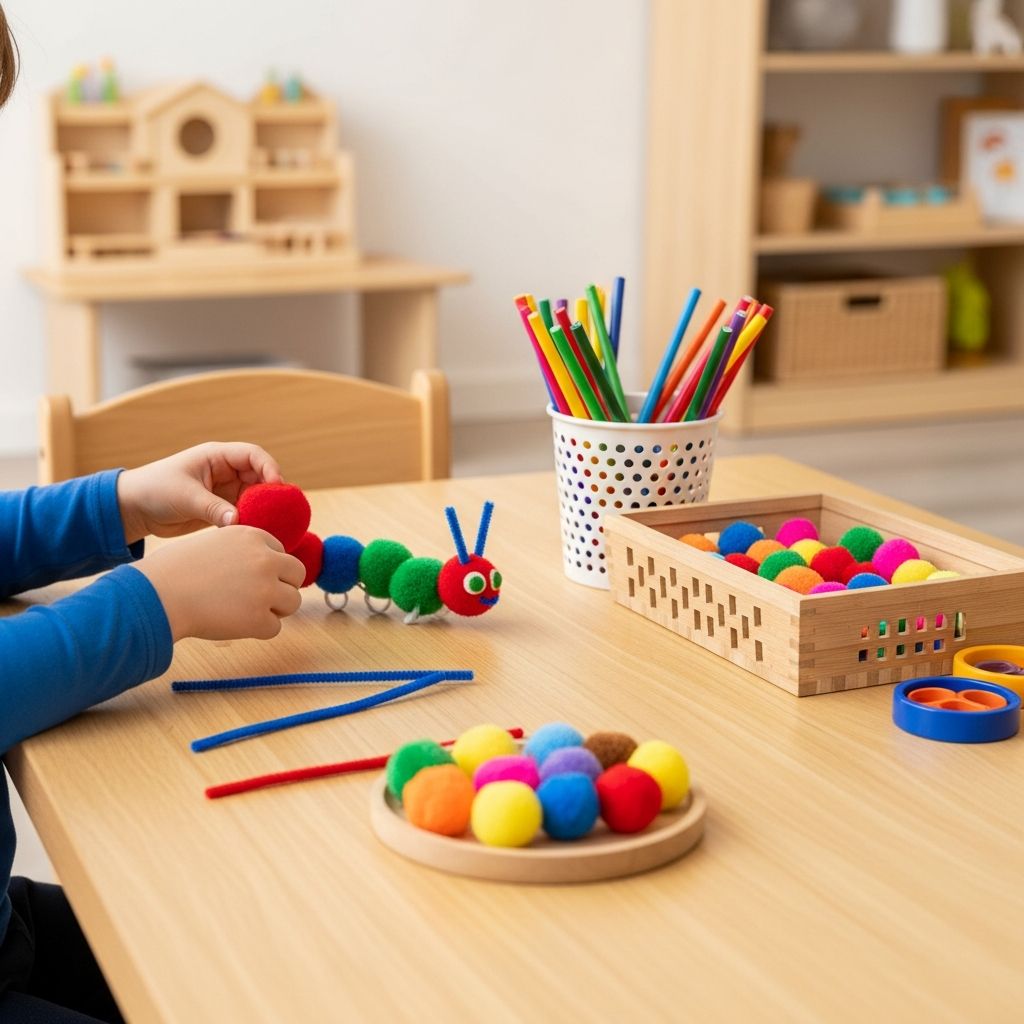
At age 3, children are bursting with curiosity and energy, making it the perfect time to introduce crafts that blend play with learning. These activities help develop fine motor skills, hand-eye coordination, color recognition, shape identification, and imaginative thinking. Using everyday household items, parents can create enriching experiences that foster independence and confidence. This guide features 10 original craft ideas tailored for little hands, ensuring safety, simplicity, and maximum educational value.
Why Crafts Matter for Preschoolers
Crafts at this age go beyond fun; they build foundational skills essential for school readiness. Fine motor practice strengthens muscles needed for writing, while creative expression encourages problem-solving and emotional regulation. According to child development experts, hands-on activities like these enhance cognitive growth by connecting sensory experiences to concepts like patterns and symmetry. Parents can adapt these projects to match a child’s interests, turning ordinary afternoons into opportunities for discovery.
1. Colorful Pompom Treats
Transform pompoms into pretend frozen treats using craft sticks and glue. This craft teaches color sorting and matching while practicing pinching and gluing motions.
- Materials: Assorted pompoms, craft sticks, non-toxic glue, markers for labeling flavors.
- Steps:
- Sort pompoms by color to discuss hues like red for strawberry or blue for blueberry.
- Glue 3-5 pompoms onto a craft stick, stacking for multi-layer effects.
- Let dry, then “taste-test” during pretend play, naming flavors aloud.
This activity boosts vocabulary and sensory awareness, as kids feel the soft textures. It mimics real-life treats without mess, ideal for hot days.
2. Sensory Dough Creations
Whip up homemade dough from kitchen staples for molding adventures. Baking the results creates keepsakes, introducing basic chemistry through color mixing.
- Materials: 1 cup cornstarch, 2 cups baking soda, 1.25 cups water, food coloring.
- Steps:
- Mix dry ingredients, add water gradually to form dough.
- Divide and knead in colors, then shape into animals or balls.
- Bake at 200°F for 1 hour; paint once cool.
Kids learn measurements and states of matter (soft to hard), sparking scientific curiosity safely.
3. Prehistoric Footwear Fun
Craft foam dinosaur slippers encourage movement and role-play, teaching textures and symmetry.
- Materials: Craft foam sheets, scissors, glue, non-toxic paint, elastic bands.
- Steps:
- Cut three-toed foot shapes from foam.
- Paint claws and scales; glue layers for depth.
- Attach bands to slip on feet for stomping games.
Wearing these promotes gross motor skills and imaginative stories about ancient worlds.
4. Blossom Writing Tools
Decorate pens with fake flowers, blending art with practical use to inspire drawing and writing interest.
- Materials: Plain pens, silk flowers, floral tape, stickers.
- Steps:
- Tape flowers spiraling up the pen barrel.
- Add leaves or glitter for personalization.
- Use the fancy pen for journaling daily adventures.
This fosters grip strength and connects nature themes to literacy.
5. Window Glow Panels
Create translucent designs with glue and color for sunny displays, exploring light and transparency.
- Materials: Clear plastic sheets, school glue, food coloring, pipe cleaners.
- Steps:
- Drizzle glue patterns on sheets, add color drops.
- Let dry overnight to form stained-glass effects.
- Hang in windows with suction cups.
Teaches patience and optical properties as sunlight reveals patterns.
6. Heartfelt Mail Art
Design hug cards for family, promoting empathy and scissor skills.
- Materials: Construction paper, markers, yarn, envelope templates.
- Steps:
- Fold paper into arms; draw faces.
- Add yarn hair and messages like “Big Hug!”
- Mail or deliver for real connections.
Builds social-emotional skills through giving.
7. Cardboard Bot Builders
Assemble robots from recyclables, exploring shapes and assembly.
- Materials: Cereal boxes, foil, buttons, tape.
- Steps:
- Stack boxes for body, arms, legs.
- Decorate with recyclables as features.
- Parade bots in a robot show.
Encourages engineering basics and teamwork.
8. Tube Explorers Scope
Turn toilet rolls into telescopes or binoculars, enhancing observation skills.
- Materials: Paper tubes, paint, stickers, rubber bands.
- Steps:
- Paint and decorate tubes.
- Tape two together for binoculars.
- Spot backyard wildlife or stars.
Stimulates scientific inquiry into the environment.
9. Fluttering Wing Designs
Fold paper into butterflies, mastering symmetry and painting techniques.
- Materials: Coffee filters, watercolors, clothespins, pipe cleaners.
- Steps:
- Color filters, fold accordion-style.
- Clip body with clothespin, add antennae.
- Fly them in breezes.
Introduces biology through mimicry of nature.
10. Sock Creature Puppets
Revamp old socks into monsters for storytelling, recycling with flair.
- Materials: Socks, googly eyes, felt, yarn.
- Steps:
- Glue eyes, mouths from felt.
- Add yarn hair and accessories.
- Stage puppet shows.
Supports language development and emotions.
Craft Benefits Comparison
| Craft | Key Skill | Mess Level | Time |
|---|---|---|---|
| Colorful Pompom Treats | Color Sorting | Low | 15 min |
| Sensory Dough | Measuring | Medium | 30 min + bake |
| Prehistoric Footwear | Motor Movement | Low | 20 min |
| Blossom Tools | Grip Strength | Low | 10 min |
| Window Panels | Patience | Medium | 24 hrs dry |
Safety Tips for Crafting with Toddlers
- Supervise all scissor use; opt for blunt tips.
- Use washable, non-toxic supplies.
- Prepare workspaces with newspaper.
- Adapt for allergies, like natural dyes.
Frequently Asked Questions
What supplies do I need for most 3-year-old crafts?
Basic items like paper, glue, markers, and recyclables suffice. Invest in washable paints and child-safe scissors for versatility.
Can these crafts help with school readiness?
Yes, they target pre-writing skills, focus, and creativity, aligning with preschool curricula.
How to handle mess-free sessions?
Choose glue dots or tapes; use trays for containment and quick cleanups.
Are these suitable for group play?
Absolutely—scale up materials for playdates, promoting sharing and collaboration.
What if my child loses interest midway?
Keep sessions short (15-20 min); praise efforts and revisit later.
References
- 31 Arts and Crafts for Kids to Make at Home — Highlights Parents. 2023-01-01. https://parents.highlights.com/31-arts-and-crafts-kids-to-make-home
- 17 FUN EDUCATIONAL CRAFTS FOR TODDLERS — 5-Minute Crafts PLAY (YouTube). 2018-10-05. https://www.youtube.com/watch?v=FwdzRYbBh00
- Creative Fun: The Best Crafts for Kids From 3 Yrs Old — I’m The Chef Too. 2024-01-01. https://www.imthecheftoo.com/blogs/stem-for-kids/creative-fun-the-best-crafts-for-kids-from-3-yrs-old