Halloween is supposed to be lighthearted: costumes, candy, and a chance for kids to indulge in spooky fun. Yet in recent years, even something as small as a bag of candy has turned into fuel for online debates about what makes someone a “good” parent. The controversy around Zombie Skittles and a mom who was shamed online for giving them out is a perfect example of how quickly things can escalate.
This article unpacks what Zombie Skittles are, why they became controversial, how the viral backlash unfolded, and what this says about modern parenting, social media, and Halloween expectations.
What Exactly Are Zombie Skittles?
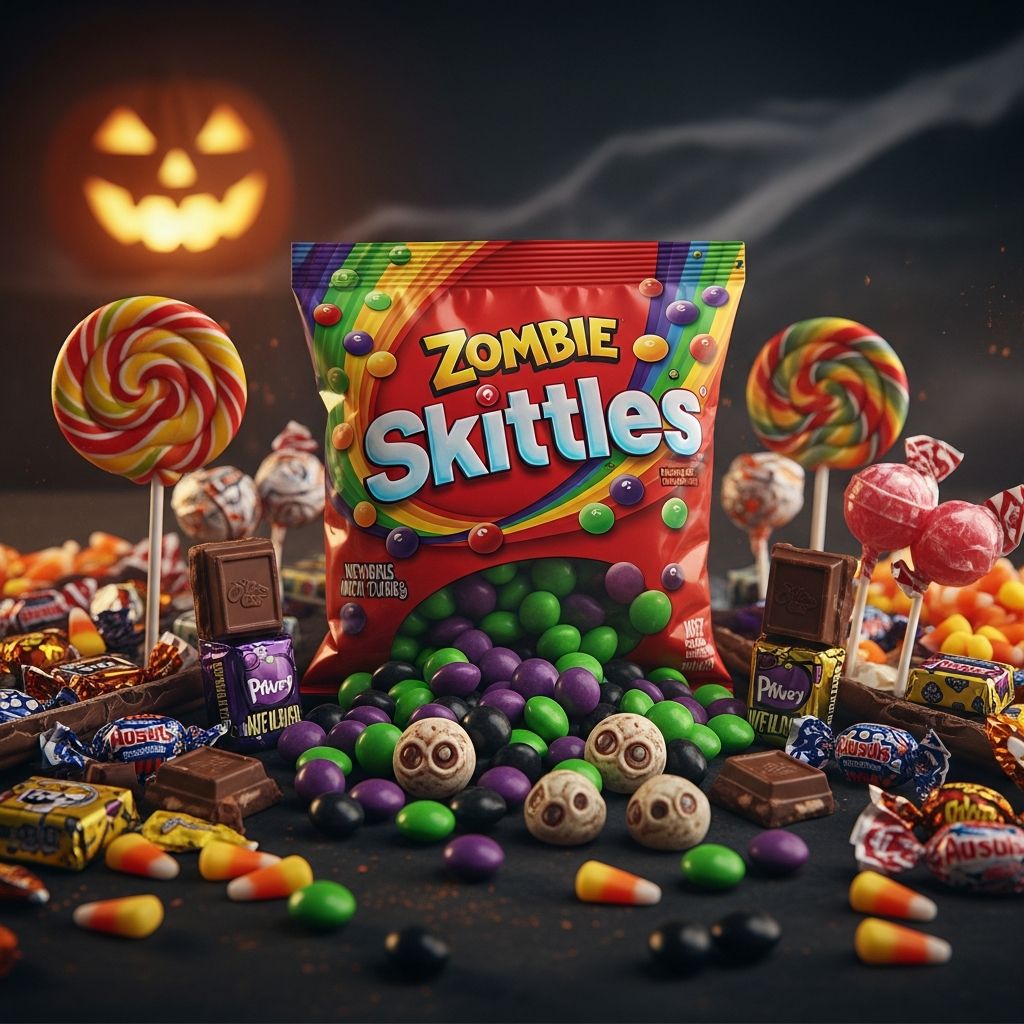
Zombie Skittles are a Halloween-themed variation of the classic Skittles candy released by Mars Wrigley for seasonal shelves in the United States.
According to Mars Wrigley’s official product announcement, each bag contains five normal fruity flavors alongside hidden pieces that taste like a “rotten zombie” flavor, intentionally designed to be unpleasant and surprising. The company describes the mystery pieces as lurking among the regular candies so that “a rotten zombie flavor can be hiding behind any piece.”
Flavors in a Zombie Skittles Bag
While the exact flavor names can vary slightly by package design, the core concept remains the same: a mix of normal fruit flavors with a few intentionally bad-tasting pieces scattered throughout.
- Halloween-themed fruity flavors with spooky names (such as berry, citrus, melon, and cherry variants).
- Mystery “rotten zombie” pieces that are visually indistinguishable from the regular candies.
- Random distribution so no one can tell which pieces are safe before chewing.
Food writers who taste-tested Zombie Skittles have described the rotten flavor in extremely colorful ways. TIME reported that the zombie pieces could evoke “rancid meat” notes with a strange savory funk layered on top of sweetness. Another review in The Takeout said the off-flavor reminded tasters of barbecue, meat, and bitterness that lingered for an uncomfortably long time.
How the Rotten Flavor Works
From a product-design standpoint, Zombie Skittles borrow the same basic idea as prank-style jelly beans: mix appealing fruit flavors with a small number of shockingly bad ones, and let chance do the rest.
- Identical appearance: The zombie pieces look just like regular candies, so you cannot see which is which before biting.
- Delayed reveal: Reviewers note that the unpleasant taste often emerges a moment after chewing begins, once the coating dissolves and the inner flavor hits.
- Intentionally divisive: The product is marketed as a dare, not as a standard family candy. PR materials describe them as a challenge for those ready to “risk” encountering the foul flavor.
How a Bag of Candy Turned Into a Viral Parenting Controversy
The viral incident at the center of this story began when a mom chose to hand out Zombie Skittles as part of her Halloween candy assortment. To her, it was a playful, on-theme treat aligned with Halloween’s long tradition of spooky pranks and jump-scares.
However, some other parents were not amused. According to coverage of the product and similar social media reactions, a few adults who encountered Zombie Skittles for the first time expressed outrage at the idea of kids biting into a foul-tasting candy without warning. Online, this sometimes escalated into direct criticism and shaming of parents who gave them out.
Why Some Parents Got Angry
Several recurring concerns show up whenever prank-style candies like Zombie Skittles or gross-flavored jelly beans trend online:
- Feeling tricked without consent: Critics argue that children expecting regular candy may feel deceived when they hit the rotten flavor.
- Fear of choking or gagging: Some parents worry that a sudden wave of disgust could cause kids to gag or spit candy while walking, potentially creating a choking or safety hazard.
- Concerns for sensitive eaters: Children with sensory sensitivities, feeding issues, or strong aversions can react especially strongly to unexpected tastes.
- Perceived meanness: A few commenters frame the candy as adults playing a cruel joke rather than sharing simple fun.
These reactions, amplified through social media, quickly transformed a small consumer choice into a moral debate: Is it wrong to give kids candy that might taste disgusting?
How Mom-Shaming Escalates Online
Parenting researchers and media analysts have noted a growing culture of “mom-shaming” and “parent-shaming” on social networks, where minor choices are judged harshly in public threads. While Halloween candy may seem trivial, the pattern is familiar:
- One parent’s post or comment becomes a flashpoint when others strongly disagree.
- Outrage and quote-tweets amplify the story far beyond the original context.
- The individual parent becomes a symbol of a broader cultural worry: permissiveness, safety, nutrition, or cruelty.
In this case, the mom giving out Zombie Skittles became a stand-in for debates about what counts as appropriate Halloween fun versus crossing a line.
Fun vs. Harm: Is Zombie Candy Really Dangerous?
Zombie Skittles are not marketed as hazardous and are regulated like other candies. Mars Wrigley, as a major confectionery company, must comply with U.S. food safety regulations enforced by the Food and Drug Administration (FDA) for ingredients, labeling, and manufacturing practices.
The controversy is less about physical safety and more about emotional and social norms around children’s experiences.
Potential Upsides: Why Some People Love Zombie Skittles
Supporters see Zombie Skittles as harmless fun that fits perfectly with the holiday:
- On-theme surprise: Halloween is built on jump-scares, haunted houses, and spooky tricks; surprising taste fits that tradition.
- Shared challenge: Families, teens, and friend groups often treat Zombie Skittles like a game or dare, similar to hot-sauce challenges or prank jelly beans.
- Teachable moment: Some parents see it as an opening to talk about trying new things, managing unexpected discomfort, and laughing off mild unpleasant surprises.
Legitimate Concerns to Consider
At the same time, it is not unreasonable for parents to think carefully about prank-style Halloween candy:
- Age-appropriateness: Very young children may not understand the joke and could be more distressed by the bad taste.
- Sensory sensitivities: Kids with autism, oral-sensory challenges, or anxiety around food may find the surprise overwhelming.
- Trust and expectations: Some families place strong value on food being predictable and safe, including in taste.
Ultimately, Zombie Skittles occupy a gray area: not unsafe in a regulatory sense, but potentially upsetting for specific kids or in certain contexts.
How Zombie Skittles Compare to Other “Trick” Candies
Products that mix appealing and unpleasant flavors are not new. Zombie Skittles belong to a broader category of novelty and challenge candies that have long been part of youth culture.
| Product Type | Core Idea | Who It Appeals To | Common Concerns |
|---|---|---|---|
| Zombie Skittles | Fruit-flavored candies with hidden rotten-tasting pieces scattered randomly. | Older kids, teens, and adults who enjoy pranks and Halloween challenges. | Kids feeling tricked; strong disgust reactions; suitability for younger children. |
| Gross-flavored jelly beans | Pairs of identical-looking beans where one tastes normal and the other mimics vomit, rotten egg, etc. | Party games, YouTube challenges, and friend groups seeking shock value. | Intense flavors causing gagging; concerns about encouraging deliberate disgust. |
| Extreme sour candies | Very high acidity or sourness designed to push taste tolerance. | Kids and adults who enjoy intense sensations and dares. | Mouth irritation if eaten excessively; complaints about discomfort. |
Social Media, Outrage, and the New Halloween Pressure
The Zombie Skittles blowup shows how social media changes even small holiday decisions. A choice that would once have been local and largely unnoticed can now be broadcast, dissected, and judged by strangers worldwide.
The Role of Virality
When stories about unusual candy or controversial parenting choices go viral, they tend to follow a predictable pattern in major news and entertainment outlets:
- News sites report on novelty products like Zombie Skittles as quirky seasonal content, often quoting company press releases and taste tests.
- Food and lifestyle journalists provide colorful descriptions of the flavors and reactions, emphasizing how extreme or gross they are.
- Social media reactions, including angry comments and jokes, are folded into the story, further amplifying the sense of conflict.
Within this ecosystem, one parent’s decision to hand out an unusual candy becomes national entertainment and a proxy battle over parenting norms.
Why Parents Feel Judged for Small Choices
Many parents report feeling that almost any decision—screen time limits, snack options, costume choices, or candy—can become a lightning rod online. This sense of being watched and evaluated may be increased by the constant flow of curated images of idealized parenting on social platforms.
In that climate, handing out Zombie Skittles is no longer just a quirky Halloween choice; it can be framed as a referendum on your compassion, judgment, and values, especially when reactions are taken out of context.
Practical Tips: If You Are Considering Zombie Skittles
Parents and caregivers who are intrigued by Zombie Skittles but wary of backlash or upsetting kids can take a balanced approach.
Use Them Intentionally, Not as a Default Candy
- Reserve Zombie Skittles for older children, tweens, and teens who understand the joke.
- Offer them in a separate bowl or labeled container marked as a “dare” or “trick” so kids can opt in rather than be surprised.
- Consider using them for family game night or a small party challenge instead of random trick-or-treat distribution.
Communicate With Your Own Kids
- Explain that some pieces might taste bad and that it is okay to spit them discreetly into a napkin if they encounter one.
- Frame the experience as a shared laugh rather than a test of toughness.
- Ask if any child has strong concerns or sensory issues and offer them a different candy.
Respect Other Families’ Preferences
- Not every household wants prank candy. When handing out treats door-to-door, you can offer two options: a standard candy and a “mystery dare” like Zombie Skittles.
- If other parents express discomfort, respond with curiosity rather than defensiveness and adjust your approach in shared spaces like school events.
Talking With Kids About Tricks, Consent, and Fun
One overlooked benefit of the Zombie Skittles debate is that it opens a door to age-appropriate conversations about consent, boundaries, and kindness—even in small pranks.
- Ask kids how they feel about being surprised with gross flavors. Do they like it or hate it?
- Discuss the difference between a mutually agreed game (everyone knows there might be gross flavors) and a one-sided trick where only one person is in on the joke.
- Encourage children to read the room before playing pranks, including candy-related ones, and to be ready to apologize if someone is upset.
By framing Zombie Skittles as part of a broader conversation, parents can turn a viral controversy into a small but meaningful lesson in empathy and social awareness.
Frequently Asked Questions (FAQs)
Q: Are Zombie Skittles safe for kids to eat?
A: From a food-safety standpoint, Zombie Skittles are produced by Mars Wrigley under standard U.S. regulations for candy ingredients and manufacturing. The main concern is the intentionally unpleasant taste, not toxicity. Parents should still consider age, sensory issues, and choking risk as with any small hard candy.
Q: What does the “rotten zombie” flavor actually taste like?
A: Taste-testers describe the zombie pieces as savory, funky, and lingering. Reviews mention flavors reminiscent of rancid meat, garlic, onion, or barbecue-like bitterness layered over sweetness. The exact profile may vary, but the intent is clearly to be gross.
Q: Can you tell which Skittles are zombie-flavored by looking at them?
A: No. Official descriptions and independent reviews agree that the rotten pieces are visually identical to the regular flavors. The only way to know is to bite into them.
Q: Should I hand out Zombie Skittles to trick-or-treaters?
A: That depends on your comfort level and your neighborhood norms. You might choose to offer them as a clearly labeled “mystery dare” option alongside more traditional candy so that kids can decide whether to participate.
Q: Why do products like Zombie Skittles keep getting made if they taste bad?
A: Novelty and challenge candies generate excitement, social-media content, and word-of-mouth. For older kids and adults, the entertainment value of seeing who gets the gross piece can be more important than pure flavor enjoyment.
References
- New Zombie SKITTLES candies hit U.S. store shelves this Halloween — Mars Wrigley via PR Newswire. 2019-07-29. https://www.prnewswire.com/news-releases/new-zombie-skittles-candies-hit-us-store-shelves-this-halloween-300894373.html
- Zombie Skittles Will Sate Your Taste For (Candy) Human Flesh — TIME. 2019-08-20. https://time.com/5643899/zombie-skittles/
- Skittles announces ‘Rotten Zombie’ flavor with Halloween still two months away — SYFY WIRE. 2019-08-01. https://www.syfy.com/syfy-wire/skittles-rotten-zombie-candy
- Zombie Skittles Suspiciously Good at Mimicking the Taste of Putrefaction — The Takeout. 2019-09-04. https://www.thetakeout.com/review-zombie-skittles-flavor-taste-test-1837998870/
- That ‘Rotten’ Zombie Skittles Flavor Is Even Worse Than We Thought — Delish. 2019-08-20. https://www.delish.com/food-news/a28623988/zombie-skittles-rotten-flavor-taste-test/