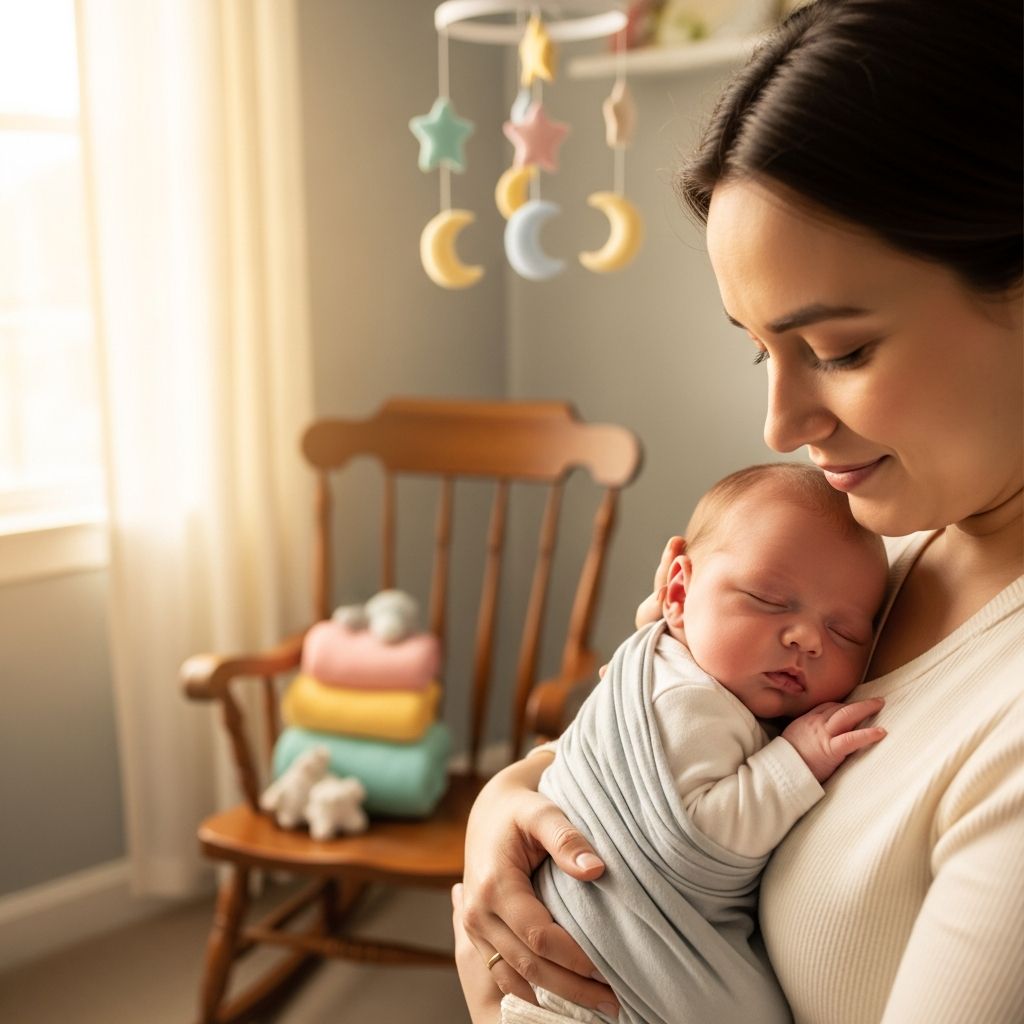
Becoming a parent for the first time is a moment that divides life into a clear “before” and “after.” The arrival of a first child rewires priorities, reshapes identity, and fills ordinary days with new meaning, exhaustion, and wonder all at once.
The Heartquake Of Meeting Your First Baby
When you hold your first child for the very first time, it often feels like the ground shifts beneath your feet. A tiny person who did not exist a short time ago suddenly becomes the center of your universe, and that realization can be both beautiful and overwhelming.
Some parents describe the moment as instant, all-consuming love, while others notice a slower, gentler bond that grows with each diaper change, midnight feeding, and sleepy cuddle. Both experiences are normal, and both can lead to a deep, enduring attachment.
- The first gaze into your baby’s eyes can feel like meeting a stranger and a soulmate at the same time.
- The sense of responsibility may feel heavy, as if you have been handed the most fragile and precious assignment of your life.
- Joy, fear, pride, and doubt often live side by side in those early days.
Why The First Child Feels So Different
Your first child occupies a unique place in your story because this is the moment you become a parent in practice, not just in theory. Every tiny milestone—first bath, first car ride, first night at home—happens with them and reshapes how you see yourself.
You are learning skills, building confidence, and redefining daily life from the ground up. Even if more children arrive later, this first experience of “learning how to parent” only happens once.
| Area of Life | Before Baby | After First Child Arrives |
|---|---|---|
| Time | Flexible, mostly your own | Organized around feeding, naps, and soothing |
| Identity | Focused on work, hobbies, relationships | Layered with a new role: parent, caregiver, protector |
| Relationships | Spontaneous dates and social plans | Plans revolve around babysitters, bedtimes, and energy levels |
| Home | Arranged for adult convenience | Filled with baby gear, safety items, and soft corners |
| Future Plans | Mostly individual or couple-focused | Viewed through the lens of long-term care and family life |
Big Emotions: The Invisible Side Of First-Time Parenting
New parents often feel surprised by how intense and contradictory their emotions can be. One moment might be filled with happy tears during a quiet feeding, and the next with frustration after an hour of inconsolable crying.
These emotional swings are shaped by hormonal changes, sleep deprivation, physical recovery, and the sheer magnitude of the new responsibility resting in your arms.
Common Emotional Experiences
- Protectiveness: A fierce urge to shield your baby from every possible danger, real or imagined.
- Guilt: Worry that you are not doing enough, not enjoying it “enough,” or not measuring up to some invisible standard.
- Anxiety: Fears about health, development, and every little noise your baby makes while sleeping.
- Joy: Quiet moments of deep contentment that arrive unexpectedly during an ordinary day.
- Grief for your old life: A natural sadness about the freedom and spontaneity that are now harder to access.
Feeling more than one of these at the same time does not mean you are failing; it simply means you are human and adjusting to profound change.
Becoming A Parent: Shifts In Identity
Before your first child, you may have known yourself as a partner, professional, friend, artist, or student. After the baby arrives, all of those identities still exist, but the role of “parent” often takes center stage in ways that can feel both grounding and disorienting.
Many people find themselves rethinking work schedules, social circles, goals, and even values as they try to align life with this new role.
Questions New Parents Often Ask Themselves
- Who am I now that someone depends on me 24/7?
- How can I balance caring for my child with caring for myself?
- Will I ever feel like “myself” again, or am I becoming someone new?
Over time, identity tends to integrate rather than disappear. The challenge is to give yourself permission to grow into this expanded version of who you are instead of trying to revert to who you were before.
Your Relationship And Your First Baby
A first child transforms not only individuals but also couples. Even the strongest partnership has to adjust to interrupted sleep, new financial decisions, uneven division of labor, and different coping styles.
Misunderstandings can appear when one partner feels overloaded, unseen, or unsure how to help, especially if roles around feeding or soothing naturally fall more heavily on one person.
Simple Ways To Stay Connected
- Trade short check-in moments every day, even if it is only five minutes without phones or distractions.
- Say out loud what you appreciate about each other, particularly when you are both tired.
- Share baby-related tasks where possible so no one becomes the default parent for everything.
- Plan small, realistic rituals—like a weekly takeout dinner on the couch after bedtime.
Daily Life With Your First Child: From Chaos To Rhythm
The first weeks can feel like a blur of feeding, burping, changing, and bouncing with barely any structure. Over time, small patterns begin to appear, and families often create gentle routines that bring a sense of predictability.
Routines do not have to be rigid schedules; they can simply be repeatable sequences that make days feel less chaotic and provide comfort to both baby and parent.
Helpful Elements Of A Loose Routine
- Morning wake-up and feeding followed by a bit of playtime and a nap.
- Afternoon walks, which can soothe the baby and clear your head.
- Evening wind-down with dim lights, a bath, or a simple song to signal bedtime.
- Regular check-ins with yourself: a snack, a glass of water, or a shower when possible.
Remember: routines are tools, not tests. They exist to serve your family, not the other way around.
The Firsts You Never Forget
First-time parents quickly learn that childhood is full of “firsts” that can feel monumental even when they are small. These moments act as emotional bookmarks, marking how far both you and your baby have come.
Some milestones will be celebrated with photos and calls to relatives, while others will quietly etch themselves into your memory during ordinary afternoons.
Memorable “Firsts” Many Parents Treasure
- The first real smile that seems directed at you, not just at a passing shadow.
- The first time your baby reaches for you, choosing your arms over everything else.
- The first night of longer sleep that hints at a more rested future.
- The first laugh that fills the room and makes every hard night feel more worthwhile.
- The first time your child says “mama,” “dada,” or another special name for you.
Capturing these moments in a journal, photo album, or short video clips can help you revisit them later when the baby years feel like a distant memory.
Practical Tips For First-Time Parents
While every family is different, certain strategies can make the transition to life with a first child a little smoother. The goal is not to be perfect, but to find rhythms and habits that support your wellbeing alongside your child’s.
Consider the following ideas as a menu, not a checklist; choose what fits your situation, and feel free to adjust as your baby grows.
Simple Habits That Help
- Accept imperfect help: Let friends or relatives fold laundry, bring meals, or entertain older siblings, even if it is not exactly how you would do it.
- Prepare “survival stations”: Keep diapers, wipes, a spare outfit, snacks, and water in key places around the house so you are not scrambling with a crying baby.
- Rotate responsibilities: When possible, trade off night shifts, bedtime routines, or early mornings so each caregiver gets some extended rest.
- Lower the bar on housework: For a season, tidy-ish may be enough. A cared-for baby and a rested parent matter more than spotless floors.
- Use technology wisely: Timers, note apps, grocery delivery, and parenting communities can lighten the mental load when used thoughtfully.
Caring For Yourself While Caring For Your Baby
Self-care in early parenthood rarely looks like spa days or long afternoons alone. More often, it is built from tiny, consistent choices that preserve your mental and physical health in the middle of intense demands.
Neglecting yourself does not make you a more devoted parent; it usually makes everything feel harder and less enjoyable for everyone involved.
Realistic Self-Care Ideas
- Drink water and eat regular meals, even if they are simple.
- Take short walks with the stroller or baby carrier to get fresh air and movement.
- Have at least one person you can text honestly about how you are really doing.
- Protect small rest windows by napping when you can or closing your eyes for a few minutes while someone else holds the baby.
- Consider talking with a healthcare professional if sadness, anxiety, or numbness feel constant or overwhelming.
Letting Go Of Perfection And Embracing “Good Enough”
The first child often arrives with a mental list of expectations: how feeding will go, how sleep should look, how organized the nursery will be, and how patient you will always feel. Reality tends to be messier, but also more authentic and meaningful.
Babies do not require flawless parents; they need responsive, loving caregivers who are willing to learn, repair, and keep showing up.
Ways To Release Unrealistic Standards
- Unfollow social media accounts that make you feel inadequate instead of inspired.
- Celebrate small wins, such as a successful nap or a calm feeding session.
- Remind yourself that every experienced parent you admire was once new and uncertain.
- Focus on connection and safety first; the rest can evolve over time.
Frequently Asked Questions About Your First Child
1. Will I love my second child as much as my first?
Many parents quietly worry that the first child will always feel more special or that their love might somehow be divided instead of expanded. Over and over again, families discover that love grows rather than shrinks; it adjusts to include new children without replacing the first or diminishing their unique place in your heart.
2. Is it normal to miss my pre-baby life?
Yes. Missing long showers, quiet mornings, or spontaneous trips does not mean you regret having your child. It simply reflects the reality that you gave up real freedoms and comforts to become a parent, and acknowledging that loss can make it easier to embrace your new season fully.
3. What if I did not feel instant love at birth?
Bonding can be immediate, gradual, or even delayed, and all of those patterns can still lead to secure, loving relationships. Consistent care—feeding, holding, soothing, talking, and showing up—is what usually builds attachment over time and helps both parent and child feel connected.
4. How do I handle all the advice I receive?
Advice often comes from a place of affection, but it can feel overwhelming or even critical. It can help to thank people for sharing, keep what resonates with your values and situation, and gently ignore what does not fit your family, reminding yourself that you are the expert on your own child.
5. When should I worry about my mental health after having a baby?
It is worth seeking support if you notice persistent sadness, intense anxiety, feelings of hopelessness, or disconnection from your baby that last more than a couple of weeks. Talking with a healthcare provider or mental health professional can provide clarity, tools, and, if needed, treatment that supports both you and your child.
Your First Child: A Beginning For Both Of You
Life with a first child is a tapestry woven from tiny moments: sleepy feedings in the half-dark, delighted giggles on the living room floor, whispered worries, and quiet victories you might never post online. Each day, you are not just raising a child; you are also becoming the parent you were meant to be.
There will be hard days, but there will also be countless chances to start again, repair, learn, and love more deeply than you ever imagined possible. In that sense, your first child is not only your beginning as a parent but also the beginning of an entirely new chapter of your own life.