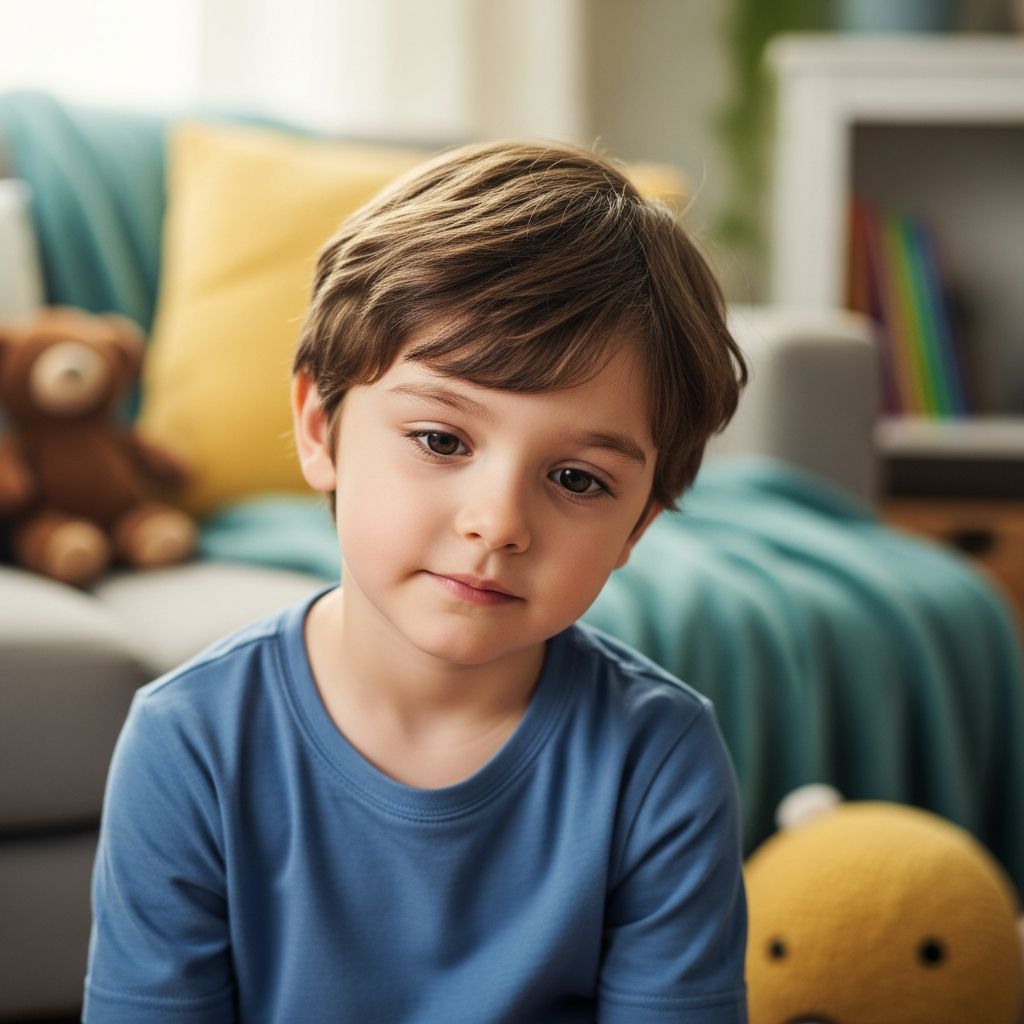
The youngest child often carries a special title in families: the baby. This role can come with extra affection, fewer rules, and a unique position in family dynamics. It can also bring specific emotional challenges, such as dependency, pressure to catch up with older siblings, or feeling unseen when the novelty of milestones has worn off.
This article explores how growing up as the youngest shapes personality, relationships, and self-esteem, and offers practical, research-informed strategies for parents who want to support their youngest child without overindulging or holding them back.
Birth Order and the Youngest Child: Why Position Matters
Birth order is not destiny, but it is one of the recurring patterns that influences how children experience family life. Youngest children grow up in a home where routines, roles, and expectations are already established. Parents are typically more experienced and often more relaxed, and older siblings become an additional layer of influence and comparison.
- Established family roles: By the time the youngest arrives, parents and older children often have stable roles. The youngest tends to fill gaps in the family system, such as being the joker, the peacemaker, or the “easygoing one.”
- Different parenting style: Parents are usually less anxious and more flexible with later-born children, which can foster confidence but may also reduce limits and responsibilities.
- Constant comparison: Youngest children often compare themselves to older siblings in their current stage, rather than at the same age, which can shape self-esteem and motivation.
Common Traits of the Youngest Child
Not every youngest child fits a stereotype, but research and clinical observations describe patterns that show up frequently. These traits grow out of how parents and siblings respond to the child’s position in the family, not from birth order alone.
| Typical Strength | Possible Challenge |
|---|---|
| Outgoing and sociable | May rely on charm instead of problem-solving |
| Playful and humorous | Uses joking to avoid serious feelings or accountability |
| Flexible and adaptable | Struggles with persistence when things are hard |
| Comfortable seeking help | High dependency on parents and siblings |
| Observant learner from older siblings | Unrealistic self-comparisons and inferiority feelings |
Positive tendencies often seen in the youngest child
- Social confidence: Youngest children often grow up surrounded by older kids and adults, which can help them become more sociable and comfortable in groups.
- Creativity and humor: To stand out in a family where older siblings may already “own” academic or athletic roles, the youngest may lean into creativity, humor, or charm as their identity.
- Resilience in group settings: Constantly negotiating with bigger, stronger siblings can teach negotiation, flexibility, and quick thinking.
Common struggles linked to being the baby of the family
- Dependency and anxiety about independence: Youngest children may be more used to others solving problems for them and can feel anxious when they must act alone.
- Feeling underestimated or invisible: When parents are busy with older siblings’ activities, the youngest may receive less focused attention or experience their achievements as less celebrated.
- Labeling and fixed roles: Being called “the baby” into adolescence or adulthood can make it harder for the youngest to be seen—and to see themselves—as capable and mature.
How Siblings Shape the Youngest Child’s Identity
Older siblings are among the most powerful influences on the youngest child. Their treatment—protective, competitive, dismissive, or nurturing—often leaves a long-term imprint on the youngest child’s sense of worth and role in groups.
Patterns in sibling relationships
- The caretaker dynamic: Older siblings are sometimes asked to “help with the baby” or act as mini-parents. This can create a dynamic in which the youngest expects siblings to assist, rescue, or entertain them, reinforcing dependency.
- The entertainer role: In tense or conflict-heavy households, the youngest may step into a clown or peacemaker role to ease tension. Over time, this can become their automatic way of gaining acceptance or safety.
- Competition and comparison: The youngest may strive to match or outdo older siblings, particularly if they see parents praising those accomplishments. This can fuel motivation but also unrealistic self-demands and discouragement.
The Emotional Inner World of the Youngest Child
From the outside, the youngest may look carefree or charming. Internally, they may carry a complex mix of entitlement, insecurity, gratitude, and resentment. Understanding this inner world helps parents respond more empathetically and more effectively.
Inferiority and unrealistic expectations
Youngest children often compare themselves to siblings who are older, more skilled, and more independent, and they do it in real time rather than age-matched time. This can lead to:
- Chronic feelings of being “behind” or “less successful”
- Perfectionism or giving up quickly when they cannot reach the same level
- Internal narratives like “I’m the least capable one in the family”
Feeling overlooked or less special
By the time parents reach the youngest child, milestones are often familiar. Families may document fewer events, celebrate less elaborately, or simply be more exhausted and less emotionally available.
- The youngest may interpret this as “I don’t matter as much” rather than as a sign of parental fatigue.
- Later in life, this can translate into passivity, reduced ambition, or letting others make decisions.
Dependency and anxiety about separation
Because parents and older siblings often step in quickly, youngest children may grow up with fewer opportunities to struggle and solve problems alone.
- They may expect others to fix mistakes or organize their lives.
- Independent tasks—moving away, managing finances, or making big decisions—can provoke anxiety.
When “Spoiling” Becomes a Problem
Many families acknowledge that the youngest is “a little spoiled.” When support, protection, and extra affection turn into consistent indulgence, the youngest can develop patterns that interfere with healthy emotional development.
How overindulgence shows up
- Fewer responsibilities: The youngest may be excused from chores or expectations that older siblings faced, leaving them less prepared for adult responsibilities.
- Inconsistent or minimal consequences: If misbehavior is laughed off or dismissed because they are “little” or “the baby,” the child has fewer chances to link actions with outcomes.
- Special treatment in conflicts: Automatically siding with the youngest in sibling disputes undermines fairness and can encourage manipulation.
Long-term risks of constant indulgence
- Difficulty tolerating frustration and disappointment
- Struggles with self-discipline and follow-through at school and work
- Strained romantic or peer relationships if the youngest expects others to carry emotional or practical burdens
Building Confidence and Independence in the Youngest Child
Parents cannot change birth order, but they can intentionally shape how that role develops. Supportive, structured parenting can help the youngest enjoy the benefits of their position while reducing the risks of dependency and entitlement.
Give meaningful responsibilities
- Assign age-appropriate chores and follow through consistently.
- Let the youngest contribute in ways that genuinely matter, not just “pretend” tasks.
- Increase responsibility gradually as skills grow, just as you would with an older child.
Encourage problem-solving instead of rescuing
- When your youngest is stuck, ask guiding questions: “What could you try next?” instead of stepping in immediately.
- Allow them to experience small, safe failures and to recover, which builds resilience.
- Offer emotional support while still expecting effort and persistence.
Balance warmth with clear boundaries
- Maintain family rules equally for all children; avoid creating a separate rule set for the youngest.
- Show affection and empathy even when holding limits, so the child learns that love and boundaries can exist together.
- Explain decisions respectfully, signaling that you see the youngest as capable of understanding and cooperating.
Helping Older Siblings Relate Fairly to the Youngest
Parenting the youngest well also means supporting older siblings so they do not feel displaced, overburdened, or chronically blamed. Healthy sibling relationships can become a powerful source of security and growth for the youngest child.
- Avoid automatic alliances: Do not reflexively protect the youngest in every conflict. Listen to each child’s perspective and respond to behavior, not birth order.
- Limit the “mini-parent” role: Older siblings can help, but they should not carry ongoing parental responsibilities or discipline their youngest sibling.
- Discourage hurtful labels: Steer away from nicknames like “the baby” when they undermine the youngest child’s growing maturity.
- Highlight each child’s strengths: Regularly name unique qualities in all siblings so that no one feels typecast as “the responsible one,” “the smart one,” or “the baby.”
Supporting the Youngest Child Into Adolescence and Adulthood
The “baby” label can linger into adulthood if family members are not intentional about letting roles evolve. As the youngest grows older, families can help them step into more equal footing.
Recognize and retire the “baby” narrative
- Notice when family stories keep the youngest frozen at a younger age, such as repeatedly telling embarrassing childhood anecdotes in serious contexts.
- Invite the youngest to share current accomplishments, interests, and goals when the family is together.
Prepare for major transitions
- Talk openly with your youngest about leaving home, managing responsibilities, and making independent decisions.
- Break large tasks (college, moving out, starting work) into smaller steps and encourage the child to take the lead whenever possible.
- Celebrate and name their growing maturity so they can update their self-image beyond “the baby.”
Frequently Asked Questions (FAQs)
Q: Is “youngest child syndrome” a real diagnosis?
A: No. “Youngest child syndrome” is a popular term, not a formal mental health diagnosis. It refers to patterns that can emerge from family dynamics and birth order, such as spoiling, dependency, or attention-seeking, but every child’s personality is shaped by many factors including temperament, parenting style, and life events.
Q: Are youngest children always more spoiled than their siblings?
A: Not always. Research notes that parents are often more relaxed with later-born children, and both parents and older siblings may be more inclined to give in to the youngest. However, some families consciously share responsibilities and attention evenly, which can prevent consistent spoiling.
Q: Do youngest children have more trouble being independent?
A: Many youngest children experience anxiety around independence if they grew up with others frequently solving problems for them. With intentional parenting—gradual responsibility, consistent expectations, and emotional support—they can become just as capable and self-reliant as their siblings.
Q: How can I help my youngest feel equally valued but not entitled?
A: Offer regular one-on-one time, acknowledge their unique strengths, and celebrate their efforts—not just outcomes. At the same time, keep rules, chores, and consequences consistent across children. This combination of warmth and structure helps the youngest feel special and responsible.
Q: My older kids say I favor the youngest. What should I do?
A: Take their feedback seriously. Reflect on whether you excuse behavior from the youngest that you would challenge in older children, or whether you routinely side with the youngest in conflicts. Consider holding family meetings and inviting each child to share one thing that feels fair at home and one thing that feels unfair, then adjust routines, responsibilities, and your own reactions where needed.
References
- Youngest Child Syndrome: What it Is & 8 Characteristics — Choosing Therapy. 2022-07-19. https://www.choosingtherapy.com/youngest-child-syndrome-what-it-is-8-characteristics/
- Birth Order Theory & Family Role — Grow Through Life Counseling. 2023-03-15. https://www.growthroughlifecounseling.com/post/birth-order-theory-family-role
- Birth Order: How does being the youngest child impact personality? — Anxiety & Trauma Therapy. 2016-09-01. http://www.anxietytraumatherapy.com/blog/2016/9/1/birth-order-how-does-being-the-youngest-child-impact-personality-by-guenette-du-ville-lmft
- Youngest Child Syndrome – Understanding Its Unique Traits — Hillside Horizon for Youth. 2023-05-10. https://hillsidehorizon.com/blog/youngest-child-syndrome/
- The psychology of the youngest child — The Psychology of Your 20s (podcast, Omny Studio). 2023-11-01. https://omny.fm/shows/the-psychology-of-your-20-s/274-the-psychology-of-the-youngest-child