School deadlines, social pressure, nonstop notifications, and big questions about the future can make the teen years feel overwhelming. Yoga offers a simple, flexible way to calm your mind, care for your body, and build the resilience you need to handle stress more confidently.
Why Stress Hits Teens So Hard
Stress is not just a vague feeling of being busy; it is your body and brain reacting to demands that feel heavy, unpredictable, or out of your control. During the teen years, the brain areas that react to emotion develop more quickly than the parts responsible for long-term planning and self-control, which can make everyday challenges feel extra intense.
Academic expectations, social drama, family changes, and online life can all keep the “alarm system” in your body switched on, leading to tension, trouble sleeping, headaches, irritability, or changes in appetite. Learning practical skills to reset this system is essential, and yoga is one of the most accessible tools available.
- Stress can show up as physical symptoms like tight muscles, stomachaches, or fatigue.
- Emotional signs include feeling on edge, numb, unmotivated, or easily overwhelmed.
- Unmanaged stress can affect school performance, relationships, and overall health.
What Yoga Actually Is (And Isn’t)
Many people think yoga is just stretching on a mat, but it is really a combination of movement, breathing, and focused attention that trains both body and mind. You do not have to be flexible, athletic, or spiritual to benefit from it; yoga can be adapted to any fitness level and personal belief system.
At its core, yoga teaches you how to notice what is happening inside you and respond instead of reacting. Over time, this builds self-awareness and emotional stability, which can be especially valuable when you are dealing with intense school or social situations.
- Postures (poses): Movements and positions that build strength, flexibility, and balance.
- Breathing practices: Simple techniques to slow your heart rate and settle your nervous system.
- Mindfulness: Paying attention to the present moment instead of getting lost in worries or regrets.
How Yoga Helps With Teen Stress
When you feel stressed, your muscles tighten, your breathing speeds up, and your thoughts often jump to worst-case scenarios. Yoga works on all three of these areas at once by inviting you to move your body, control your breath, and focus your attention in a structured way.
In a typical short practice, your body has a chance to release built-up tension, while your nervous system shifts away from “fight or flight” toward a calmer, more balanced state. Over time, this repeated experience teaches your brain that it can step back from overwhelm and return to a more grounded place.
| Common Stress Reaction | What Yoga Encourages Instead |
|---|---|
| Shallow, rapid breathing | Slow, steady breathing that signals safety to the body |
| Tense neck, shoulders, and back | Gentle stretches that lengthen and relax tight muscles |
| Racing thoughts and worst-case thinking | Bringing attention back to physical sensations and the present moment |
| Feeling out of control | Practicing small, achievable actions that rebuild a sense of control |
Mental and Emotional Benefits for Teens
Regular yoga practice does more than help you feel better in the moment; it can gradually change how you relate to your thoughts and emotions. Many teens who practice yoga report feeling calmer, less reactive, and more equipped to handle everyday stressors.
Breathing and mindfulness practices strengthen the brain pathways involved in focus and emotional regulation. This can make it easier to pause before sending a text in anger, stay present during a test, or gently redirect your mind when it spirals into anxious thinking.
- Increased ability to notice early signs of stress before they explode into a meltdown.
- Improved mood and a greater sense of inner stability, even when life feels chaotic.
- Better concentration, which can support studying, test taking, and creative work.
Physical Benefits That Support a Calmer Mind
Although yoga is often used for stress relief, its physical effects also matter. Stretching and strengthening movements can reduce aches and pains caused by sitting at desks, using devices for long periods, or carrying heavy backpacks.
Better posture and increased body awareness can also influence how you feel emotionally. Standing and sitting more upright can boost confidence and energy levels, while smoother, deeper breathing supports better sleep and recovery after a long day.
- Improved flexibility, which may reduce muscle strain and soreness.
- Gentle strengthening of core and stabilizing muscles that support posture.
- Enhanced body awareness, helping you notice when you need rest, movement, or food.
Simple Breathing Practices You Can Use Anywhere
Breathing is one of the fastest ways to influence your stress level because it directly affects your heart rate and nervous system. Unlike some physical poses, you can use breathing exercises almost anywhere—before a presentation, on the bus, or in your room at night.
Below are a few beginner-friendly techniques that many teens find helpful. Start slowly, and if you ever feel light-headed, return to your natural breath.
Counted Breathing
- Inhale quietly through your nose for a count of four.
- Exhale gently through your nose for a count of four.
- Repeat for 8–10 cycles, aiming for smooth, even breaths.
Extended Exhale Breathing
- Inhale through your nose for a count of four.
- Exhale for a count of six or eight, emptying your lungs slowly.
- Continue for a few minutes, noticing any shift in tension or mood.
Beginner-Friendly Yoga Poses for Stress Relief
You don’t need a complicated routine to benefit from yoga. A few simple poses practiced consistently can help your body release tension and signal to your mind that it is safe to relax.
Always listen to your body, move slowly, and avoid any movement that causes sharp pain. If you have an injury or a medical condition, talk with a healthcare provider before beginning a new exercise routine.
| Pose | Main Focus | Approximate Time |
|---|---|---|
| Seated Side Stretch | Releases tension in the sides of the body and upper back | 1–2 minutes |
| Forward Fold (standing or seated) | Gently stretches the back and hamstrings, encourages inward focus | 1–2 minutes |
| Low Lunge | Opens hips tightened by sitting and helps release stored tension | 1–2 minutes per side |
| Gentle Twist (seated or lying) | Relieves tightness in the spine and may ease digestion-related discomfort | 1–2 minutes per side |
| Resting Pose (lying on back) | Full-body relaxation and integration of the practice | 3–5 minutes |
Building a Realistic Yoga Routine Around Your Life
Teens often abandon new habits because they set goals that are too big or time-consuming. Instead of aiming for an hour-long class every day, think in terms of short, realistic sessions you can actually maintain.
A few minutes of intentional movement and breathing is far more powerful than a perfect routine you never do. Treat yoga like brushing your teeth for your mind: a small daily ritual that keeps things from building up until they feel unmanageable.
- Start with 5–10 minutes, three times per week, and adjust as needed.
- Pair yoga with existing habits—like right after homework or before getting into bed.
- Use music or a timer to make it feel contained and doable.
Making Yoga Comfortable and Teen-Friendly
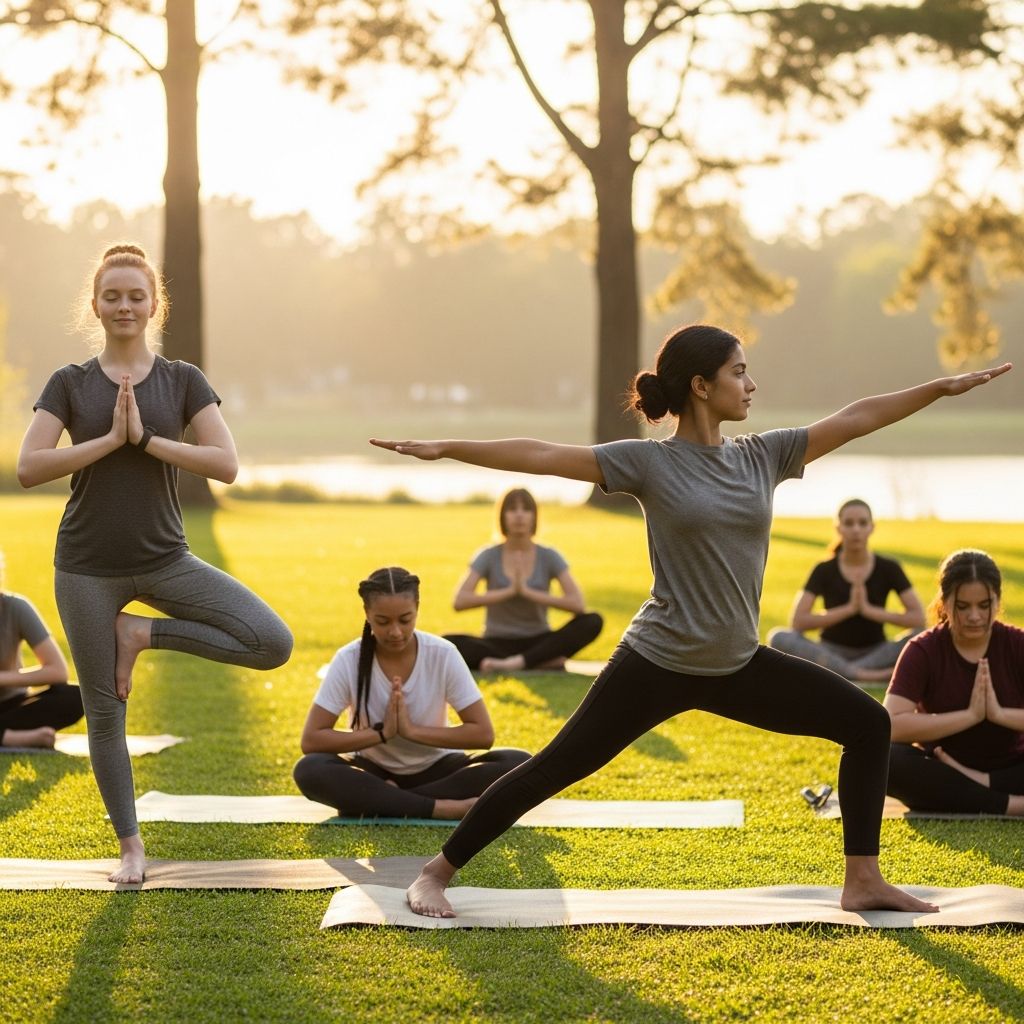
If the idea of joining a studio class feels intimidating, you are not alone. Many teens worry about not being flexible enough, looking awkward, or being judged by others in the room. The good news is that yoga does not have to happen in a formal studio to count.
You can practice in your bedroom, in a quiet corner of the living room, or even outdoors. The goal is not to create a picture-perfect pose but to give your body and mind space to reset.
- Wear clothes you can move in—leggings, sweatpants, or sports shorts are all fine.
- Use a mat if you have one, but a towel or carpet can work in the beginning.
- Keep your phone on silent or airplane mode so you can truly disconnect for a few minutes.
When Yoga Supports, Not Replaces, Other Help
Yoga is a powerful tool for stress management, but it is not a cure-all. If you are experiencing persistent sadness, intense anxiety, thoughts of self-harm, or major changes in sleep or appetite, it is important to reach out to a trusted adult and a mental health professional.
In many cases, yoga works best as part of a bigger support system that might include therapy, healthy sleep habits, balanced nutrition, and supportive relationships. Think of it as one tool in a toolkit, not the only solution.
- Use yoga to complement, not replace, professional care when needed.
- Share your yoga practice with your therapist or doctor so they know what you are trying.
- Invite friends or family members to join you, building a shared habit of self-care.
Quick Ideas: Yoga for Specific Stressful Moments
Different stressful situations may call for slightly different strategies. While every person is unique, certain combinations of breath and movement tend to work well for common teen challenges.
- Before a big test: Try 1–2 minutes of counted breathing followed by a brief forward fold to release tension in the neck and shoulders.
- After an argument: Walk in place and swing your arms gently, then practice a few slow, deep breaths while seated.
- When you can’t fall asleep: Lie on your back with your knees bent, place a hand on your belly, and lengthen your exhale for several minutes.
- During a social event that feels overwhelming: Step outside or into a quiet space for a minute to focus on slow breathing and gentle shoulder rolls.
Frequently Asked Questions About Teen Yoga and Stress
Do I have to be flexible to start yoga?
No. Yoga is meant to increase flexibility over time, not require it at the beginning. Many teens start with tight muscles from sports or sitting a lot, and that is completely normal.
Is yoga a religious practice?
Modern yoga classes for stress relief are typically taught as a form of movement and mindfulness, not as a religious practice. You can choose classes or online videos that match your comfort level and personal beliefs.
How often should a teen do yoga to feel less stressed?
Even 10 minutes a few times a week can make a difference if you practice consistently. Some teens notice benefits from a single session, but long-term change usually comes from repeated practice over weeks or months.
Can yoga replace therapy or medication?
Yoga can be a valuable support for mental health, but it is not intended to replace professional treatment when that is needed. If you are struggling with ongoing anxiety, depression, or other mental health concerns, work with a qualified provider and use yoga as an additional tool.
What if I feel silly or self-conscious doing yoga?
Feeling awkward at first is very common. Practicing alone, with a trusted friend, or with the lights low can make it easier to relax, and over time most people become more comfortable as they notice the benefits.
Yoga offers teenagers a practical, low-cost way to handle stress, strengthen the body, and build emotional resilience. By starting small, staying consistent, and treating each practice as a chance to check in rather than perform, teens can turn yoga into a lifelong tool for wellbeing.