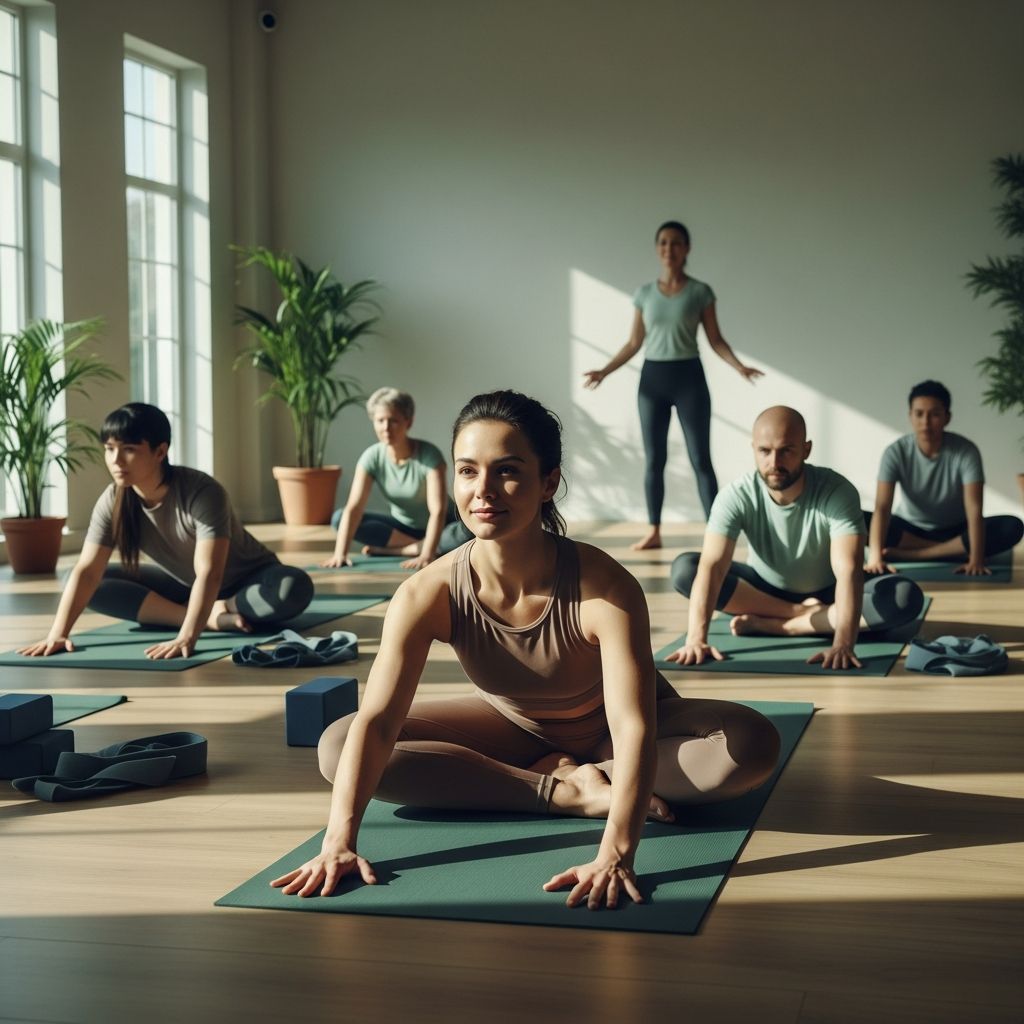
Embarking on a yoga journey offers profound benefits for body, mind, and spirit, making it an ideal practice for newcomers seeking balance in daily life. This guide equips you with actionable strategies to initiate and sustain your practice effectively.
Understanding Yoga’s Foundations
Yoga, derived from the Sanskrit word meaning ‘union,’ transcends physical exercise to foster harmony between breath, movement, and awareness. For beginners, grasping this holistic essence prevents common pitfalls like focusing solely on flexibility.
Core principles include mindfulness, breath control (pranayama), and ethical living (yamas and niyamas). These elements build resilience, reduce stress, and improve posture over time. Research from the National Institutes of Health highlights yoga’s role in lowering cortisol levels, aiding anxiety management.
Preparing Your Mindset for Success
Approach yoga with self-compassion, releasing pressures to perform advanced poses immediately. Acceptance forms the bedrock: acknowledge your current abilities without judgment.
- Embrace imperfections as growth opportunities.
- Set realistic intentions, such as improved focus rather than perfect form.
- Practice patience; progress unfolds gradually.
Cultivating stillness begins with observing thoughts non-reactively, enhancing mental clarity. This mental preparation ensures a safer, more enjoyable entry into physical aspects.
Setting Up Your Ideal Practice Space
A dedicated area minimizes distractions and signals commitment to your routine. Select a quiet spot with natural light, ample room for movement, and minimal clutter.
Essential elements include:
- Yoga mat: Provides grip and cushioning; borrow initially to test commitment.
- Props: Blocks, straps, blankets for support and modifications.
- Ambiance enhancers: Soft lighting, plants, or subtle scents to elevate mood.
Keep it simple—10 square feet suffices. Consistency thrives in a space that invites return, transforming routine into ritual.
Essential Gear and What You Really Need
| Item | Purpose | Beginner Recommendation |
|---|---|---|
| Yoga Mat | Grip, cushioning | Non-slip, 4-6mm thick; eco-friendly options available. |
| Comfortable Clothing | Freedom of movement | Breathable fabrics; avoid restrictive fits. |
| Blocks/Straps | Alignment support | Foam blocks for affordability; optional at start. |
| Blanket | Comfort in rests | Any soft blanket works. |
Invest minimally at first; many studios lend equipment. Prioritize comfort to focus on practice over possessions.
Mastering Breath as Your Anchor
Breathwork anchors every session, regulating the nervous system and deepening poses. Start with diaphragmatic breathing: inhale deeply through the nose, expanding the belly, then exhale fully.
Techniques for beginners:
- Ujjayi breath: Slight throat constriction creates ocean-like sound, promoting focus.
- 4-7-8 pattern: Inhale 4 counts, hold 7, exhale 8; calms pre-practice nerves.
- Link breath to movement: Inhale to lengthen, exhale to fold.
Regular practice enhances lung capacity and oxygenates tissues, as supported by American Lung Association studies on pranayama benefits.[10]
Foundational Poses to Build Confidence
Begin with accessible asanas emphasizing alignment over depth. Hold each for 5-10 breaths, prioritizing stability.
- Mountain Pose (Tadasana): Stand tall, feet grounded, arms relaxed. Builds posture awareness.
- Downward-Facing Dog (Adho Mukha Svanasana): Inverted V-shape; pedal heels to stretch hamstrings.
- Child’s Pose (Balasana): Kneel, fold forward; restorative counterpose.
- Cat-Cow (Marjaryasana-Bitilasana): On all fours, alternate arching and rounding spine for mobility.
- Corpse Pose (Savasana): Lie flat, relax fully; integrates session benefits.
Modify intuitively: Widen stance or bend knees as needed. These poses form a complete mini-sequence for daily use.
Building a Consistent Home Routine
Short sessions trump sporadic long ones. Aim for 10-15 minutes daily to forge habit.
Sample 10-Minute Flow:
- Seated breathwork (2 min).
- Cat-Cow to Downward Dog (3 min).
- Standing forward fold to lunge (3 min).
- Child’s Pose to Savasana (2 min).
Schedule at optimal times—morning for energy, evening for unwind. Track progress in a journal to celebrate milestones.
Leveraging Online Resources and Classes
Digital platforms democratize access. Free YouTube channels offer guided sessions tailored for novices.
- Yoga with Adriene: Approachable, themed flows.
- Yoga International: Structured beginner programs.
- Yoga Alliance Directory: Locate certified local instructors.
Studios provide community and feedback; attend introductory classes. Virtual options bridge gaps in accessibility.
Common Challenges and Solutions
Beginners often face hurdles; proactive strategies ensure perseverance.
| Challenge | Solution |
|---|---|
| Lack of motivation | Pair with accountability buddy or app reminders. |
| Physical discomfort | Modify poses; consult physician if injuries present. |
| Time constraints | Micro-sessions; integrate into daily transitions. |
| Intimidation | Start solo at home; focus on personal progress. |
Listen to bodily signals—distinguish effort from strain. Consistency compounds benefits exponentially.
Health Benefits Backed by Science
Yoga improves flexibility, strength, and balance while mitigating chronic conditions. Harvard Medical School reports reduced back pain and better sleep quality among practitioners.[11]
- Cardiovascular: Lowers blood pressure.
- Mental: Alleviates depression symptoms.
- Immune: Enhances via stress reduction.
Progressing Beyond Basics
After 4-6 weeks, incorporate variations like warrior poses or sun salutations. Seek teacher guidance for inversions. Track via photos or logs to visualize gains.
Diversify styles: Hatha for grounding, Vinyasa for flow, Yin for release.
Frequently Asked Questions (FAQs)
Is yoga suitable for everyone?
Yes, modifications make it adaptable for all ages, fitness levels, and abilities. Consult professionals for specific health concerns.
How often should beginners practice?
3-5 times weekly, starting with 10-20 minutes, builds sustainable habits without overwhelm.
Do I need prior flexibility?
No—yoga develops flexibility over time; focus on alignment and breath.
Can I practice yoga at home safely?
Absolutely, with guided videos and body awareness; advance to classes for refinement.
What if I feel sore after sessions?
Mild soreness is normal; hydrate, rest, and ease in gradually.
References
- Yoga For Beginners: 7 Tips For Starting Yoga For The First Time — JadeYoga. 2023-05-15. https://jadeyoga.com/blogs/news/yoga-for-beginners-7-tips-for-starting-yoga-for-the-first-time
- 5 Easy Ways to Start Your At-Home Yoga Practice Today — Heart and Bones Yoga. 2024-02-10. https://www.heartandbonesyoga.com/resources/5-easy-ways-start-your-home-yoga-practice-today/
- Yoga for Everyone – How to Get Started — REI Expert Advice. 2025-01-20. https://www.rei.com/learn/expert-advice/getting-into-yoga.html
- The Beginner’s Guide to Home Yoga Practice — Yoga International. 2023-11-08. https://yogainternational.com/article/view/the-beginners-guide-to-home-yoga-practice/
- Yoga for All: 3 Ways to Start a Yoga Practice as a Beginner — Retreat in the Pines. 2024-03-12. https://retreatinthepines.com/post/yoga-for-all-3-ways-to-start-a-yoga-practice-as-a-beginner
- The Magic of Self-Practice — Inner Rainbow Healing. 2023-07-22. https://innerrainbowhealing.com/blog/self_practice
- 10-Minute Yoga For Beginners | Start Yoga Here — Yoga With Adriene (YouTube). 2022-09-01. https://www.youtube.com/watch?v=j7rKKpwdXNE
- How To Teach a Yoga Class For Beginners — Rebecca Cohen Yoga. 2024-06-05. https://www.rebeccacohen.yoga/blog/how-to-teach-a-yoga-class-for-beginners
- Yoga for Health: What the Science Says — National Center for Complementary and Integrative Health (NIH). 2024-10-15. https://www.nccih.nih.gov/health/yoga-what-you-need-to-know
- Breathing Exercises (Pranayama) — American Lung Association. 2025-02-28. https://www.lung.org/lung-health-diseases/wellness/breathing-exercises
- Yoga Benefits Beyond the Mat — Harvard Medical School. 2024-04-10. https://www.health.harvard.edu/staying-healthy/yoga-benefits-beyond-the-mat