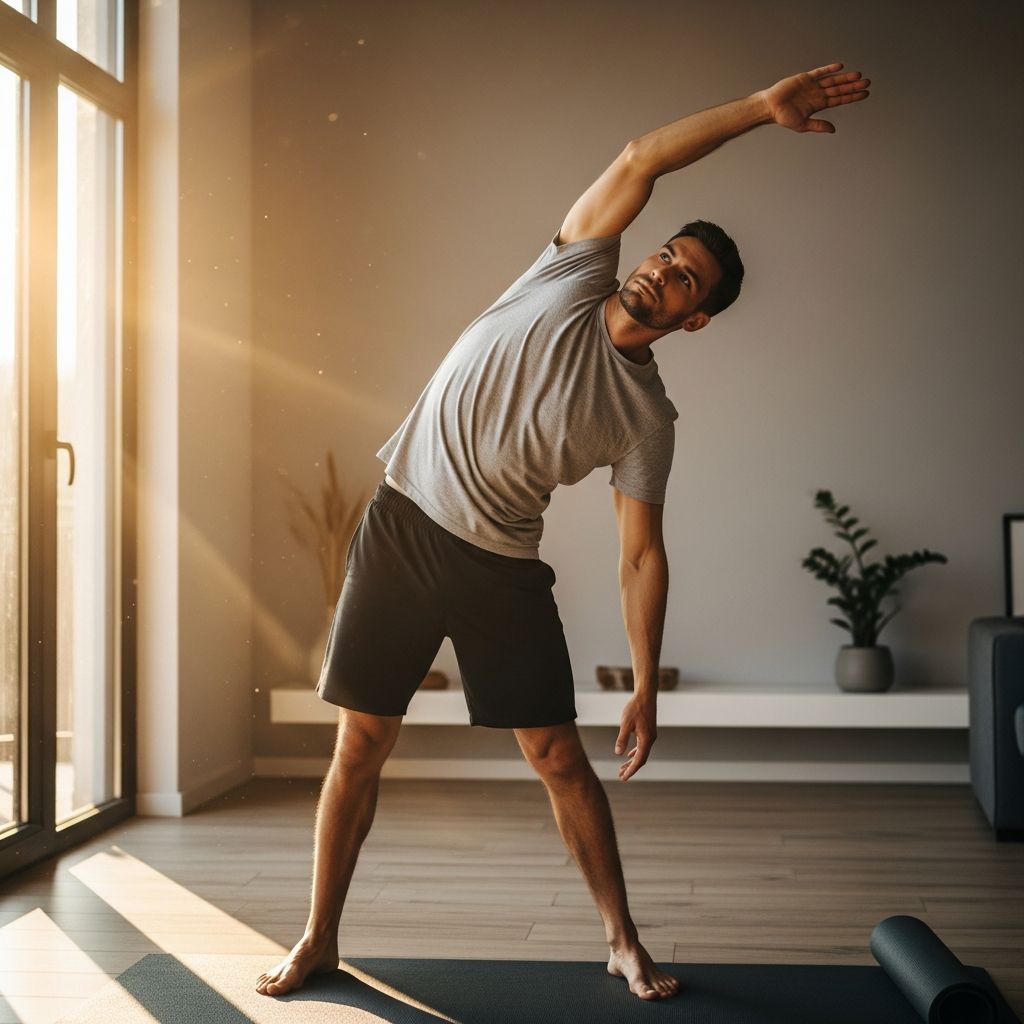
If you only buy one piece of fitness equipment for your home or travel workouts, a basic yoga block is one of the smartest choices you can make. Compact, inexpensive, and surprisingly versatile, it can act as support, resistance, and feedback tool in a single session.
Originally designed as a prop to make yoga poses more accessible, yoga blocks are now used in strength training, Pilates, physical therapy, and mobility routines because they help reduce joint strain, improve alignment, and safely challenge strength and flexibility. In a small footprint, they can replace several bulkier pieces of gear and fit into almost any bag.
What Exactly Is a Yoga Block?
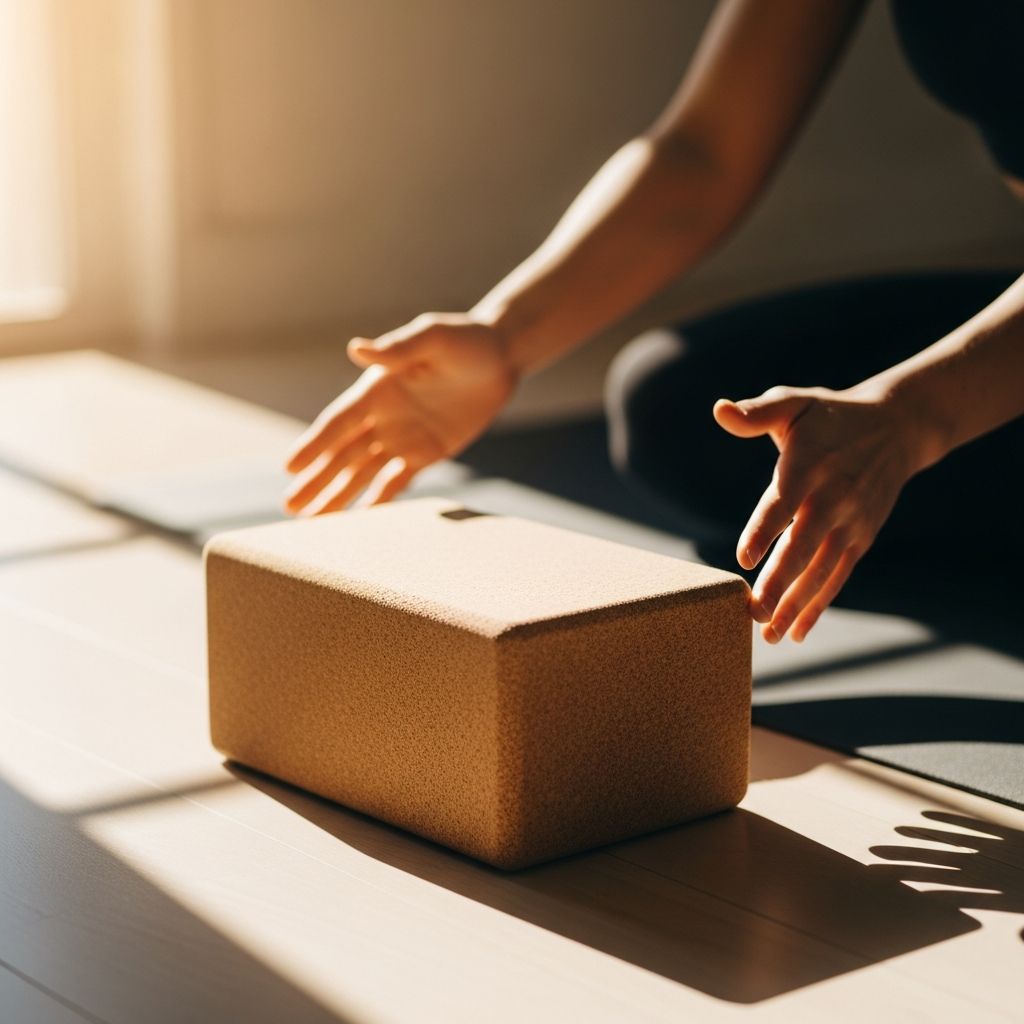
A yoga block is a firm, rectangular block usually made of foam, cork, or wood. Standard dimensions are roughly 9 x 6 x 4 inches, but the exact size can vary slightly by brand. The most common type for home workouts is a lightweight EVA foam block.
Key Features That Matter
- Three heights in one: You can stand the block on its low (flat), medium (on edge), or high (on end) side to change difficulty or range of motion.
- Light but sturdy: Foam blocks typically weigh less than 1 lb yet are dense enough to support body weight in standing or balance poses.
- Grippy surface: The textured surface helps prevent slipping when your hands are sweaty.
- Soft edges: Rounded corners feel more comfortable under the back, neck, or pelvis than rigid wood.
| Material | Best For | Pros | Cons |
|---|---|---|---|
| Foam | General fitness, beginners, travel | Lightweight, soft, inexpensive | Can compress slightly under heavy load |
| Cork | Yoga studios, eco-conscious users | Very stable, grippy, durable | Heavier, can feel firm under spine |
| Wood | Traditional yoga practice | Extremely sturdy, long-lasting | Hard, less comfortable, heavier |
Why This Little Block Punches Above Its Weight
What makes a yoga block stand out compared with other small accessories is how many training goals it serves at once: support, progression, and feedback.
1. Support That Protects Your Joints
Blocks are widely used to reduce strain on joints by “bringing the floor closer” in standing and forward-bending positions. This is particularly valuable for people with tight hamstrings, limited hip mobility, or sensitive wrists and knees.
- Less reach required: Placing hands on blocks in lunges or forward folds shortens the distance to the floor, allowing you to maintain a neutral spine instead of rounding your back.
- Gentler joint angles: Elevating the pelvis or torso can ease pressure on the lower back and hips in bridge variations or supine stretches.
- Safer for beginners and post-injury: Physical therapists and instructors often use blocks to gradually increase range of motion without overloading tissues.
2. A Simple Way to Progress or Regress Any Move
By changing the block’s orientation or where you place it, you can adjust difficulty in fine increments without buying heavier weights or more complex tools.
- Make moves easier:
- Use blocks under your hands in runner’s lunge to improve balance while you build strength.
- Sit on a block in deep hip stretches to ease tight hips and knees.
- Make moves harder:
- Squeeze a block between the thighs during bridge or squats to fire adductors and core.
- Stand one foot on a block in lunges to increase range of motion and glute engagement.
3. Built-In Alignment and Muscle-Activation Feedback
Blocks provide instant feedback about where your body is in space. This helps you learn proper alignment, especially when training alone without a coach.
- Core engagement: Holding a block between the hands or thighs encourages you to stabilize through the trunk, which supports spinal alignment in many poses.
- Shoulder position: Pressing into a block overhead or between forearms can teach you how to keep shoulders active and avoid collapsing into joints.
- Symmetry: Using identical block height on each side helps keep hips, knees, and shoulders level in split stances or side planks.
One Block, Many Workouts: Strength, Mobility, and Recovery
A single block can live in your living room or suitcase and still cover most of your training needs.
Lower-Body Strength and Stability
Blocks can be used to change leverage and range of motion in bodyweight exercises, making them more effective for building strength in the legs and hips.
- Elevated lunges: Standing the front foot on a block deepens the knee bend, increasing glute and quad recruitment while also challenging balance.
- Adductor squats: Placing a block between the thighs and squeezing during squats lights up the inner thighs and helps keep knees from collapsing inward.
- Glute bridges with resistance: Squeezing the block between the knees during bridges encourages proper knee tracking and intensifies work for the hips and hamstrings.
Core Training Without Fancy Equipment
According to fitness professionals, small props like yoga blocks can significantly increase core muscle activation by adding lever length, load, or instability to classic bodyweight movements.
- Block pass crunches: Pass the block between hands and knees in a controlled crunch to challenge coordination and trunk stability.
- Forearm plank squeeze: Place a block between the thighs or ankles in a plank to encourage full-body tension.
- Seated twists with block: Holding a block out in front during rotational core work encourages you to rotate through the ribcage instead of just waving the arms.
Mobility and Flexibility Work
Research on flexibility training consistently shows that gradual, supported stretching is safer and more sustainable than forcing range of motion. Blocks make that kind of controlled stretching easier to achieve.
- Hamstring-friendly folds: Resting hands on a block in standing forward folds allows a straighter spine with less strain on the back of the legs.
- Hip-opening support: Sliding a block under the pelvis in deep hip stretches lets you explore longer holds without dumping into the lower back.
- Gentle backbends: Supporting the sacrum or mid-back with a block during supine backbends provides a mild chest opener with controlled spinal extension.
Recovery, Relaxation, and Breathwork
Blocks excel at restorative positions you can use at the end of a workout or on active recovery days.
- Supported bridge for decompression: Resting the pelvis on a block reduces muscular effort and allows the front of the body to gently open, which many people find relieving after long hours of sitting.
- Elevated heart-above-head poses: Light inversion-like positions with the pelvis or legs on a block can encourage venous return and promote relaxation, though individuals with medical conditions should consult a clinician first.
- Breathing-focused chest openers: Supporting the mid-back on a block encourages expansion of the ribcage, which can improve awareness of diaphragmatic breathing.
How to Choose and Care for a Yoga Block
Because the block will regularly support some of your body weight, quality matters more than fancy colors or branding.
What to Look For When Buying
- Density: A block that is too soft will collapse under load; one that is too hard may feel uncomfortable on the spine. Most reputable foam blocks strike a good balance.
- Size: Standard sizing works for most adults; if you have very small hands or limited grip strength, choose slightly smaller or beveled designs.
- Surface texture: A slightly textured finish offers better grip than very smooth foam, especially in warm conditions.
- Durability: Look for blocks that keep their shape after compression and resist tearing at the edges.
Basic Maintenance
- Wipe the block regularly with a damp cloth and mild soap, especially after sweaty sessions.
- Let it air-dry completely before storing to prevent odors and material breakdown.
- Avoid prolonged exposure to direct sun or extreme heat, which can warp or degrade foam.
Sample Block-Based Mini Workout for Busy Schedules
Below is a short, block-centered routine you can adapt to your own fitness level. Warm up for 3–5 minutes first with light movement.
- 1. Supported Squat with Block Squeeze (Lower Body + Core)
Hold the block between your thighs just above the knees, sit back into a squat, and keep squeezing gently as you stand and lower. Aim for 8–12 controlled repetitions. - 2. Elevated Lunge (Glutes + Balance)
Stand your front foot on the block, step back with the other leg, and lower into a lunge while maintaining an upright torso. Switch sides after 8–10 reps. - 3. Block Pass Crunch (Core)
Lying on your back, hold the block in your hands. As you crunch up, pass the block to your shins or between your knees, then lower back with control. Repeat for 8–12 passes. - 4. Supported Hip Stretch (Mobility)
From a lunge position, place both hands on the block under your shoulders to help keep your chest lifted while you gently shift your hips forward and back for 30–45 seconds per side. - 5. Restorative Bridge on Block (Recovery)
Finish by placing the block under your sacrum in a comfortable bridge position, letting the hips relax for 1–3 minutes while you focus on slow breathing.
You can cycle through this circuit 2–3 times for a complete session, or plug individual moves into your existing routine.
When a Yoga Block Is Especially Useful
While almost anyone can benefit from this tool, some situations make it particularly valuable.
- Small home spaces: Apartments, hotel rooms, or shared living areas often lack space for bulky weights. A block fits anywhere.
- Parents training around kids: Blocks are quieter and less hazardous than metal weights if they get knocked over, though supervision is still important.
- Returning to movement after a break: Using blocks to scale range of motion and load is a gentle way to rebuild strength and confidence after time off or pregnancy, ideally under professional guidance.
- Desk workers: Quick block-supported chest, hip, and hamstring stretches can offset some of the stiffness that comes from long sitting hours.
Frequently Asked Questions (FAQs)
Q: Do I really need a yoga block if I already have dumbbells?
Dumbbells primarily add load for strength work, while a yoga block adds support, alignment feedback, and range-of-motion options that weights cannot. The two tools complement rather than replace each other.
Q: Is a foam block strong enough to hold my full body weight?
High-quality foam blocks are designed to support body weight in standing poses and balances. If you are concerned, choose a denser foam or cork block from a reputable manufacturer and check it regularly for wear.
Q: How many blocks should I buy to start?
One block is enough for most strength and mobility drills, but two blocks give you more symmetrical support options for poses like elevated push-ups, runner’s lunge, or supported backbends.
Q: Can a yoga block help prevent injuries?
Blocks do not guarantee you will avoid injury, but they can reduce excessive strain by allowing more neutral joint positions and gradual increases in range of motion, which are key principles in injury-prevention and rehabilitation programs.
Q: Is it okay for kids to use yoga blocks?
Foam blocks are generally safe for supervised use by children as part of age-appropriate movement and play. Ensure they are used on a stable surface, away from sharp edges, and avoid stacking them too high to stand or jump from.
References
- Forget kettlebells — 5 yoga block exercises that sculpt your quads, glutes and hamstrings — Tom’s Guide. 2023-11-18. https://www.tomsguide.com/features/forget-weights-5-yoga-block-exercises-that-sculpt-and-strengthen-your-quads-glutes-and-hamstrings
- How to Use Yoga Blocks: 5 Poses to Try — Nike. 2022-09-15. https://www.nike.com/a/how-to-use-yoga-blocks
- Yoga Blocks: What They Are & How To Use Them — Noveme. 2022-03-10. https://noveme.co.uk/blogs/stories/yoga-blocks
- 24 Ways to Use a Yoga Block in Your Workout — 24Life (24 Hour Fitness). 2019-06-20. https://www.24hourfitness.com/24life/fitness/2019/24-ways-to-use-a-yoga-block-in-your-workout
- 101 Ways To Use Yoga Blocks: Beginner to Advanced — The Yoga Room Hawaii. 2021-08-05. https://www.yogaroomhawaii.com/blog/101-ways-to-use-yoga-blocks-beginner-to-advanced
- Physical Activity and Health — U.S. Centers for Disease Control and Prevention (CDC). 2022-06-02. https://www.cdc.gov/physicalactivity/basics/pa-health/index.htm
- Flexibility Exercise (Stretching) — American College of Sports Medicine. 2021-01-01. https://www.acsm.org/docs/default-source/files-for-resource-library/flexibility-exercise.pdf
- Yoga Blocks: A Versatile Prop for a Wide Range of Clients — Pilates Journal. 2020-09-14. https://pilatesjournal.com/articles/yogablockversatility