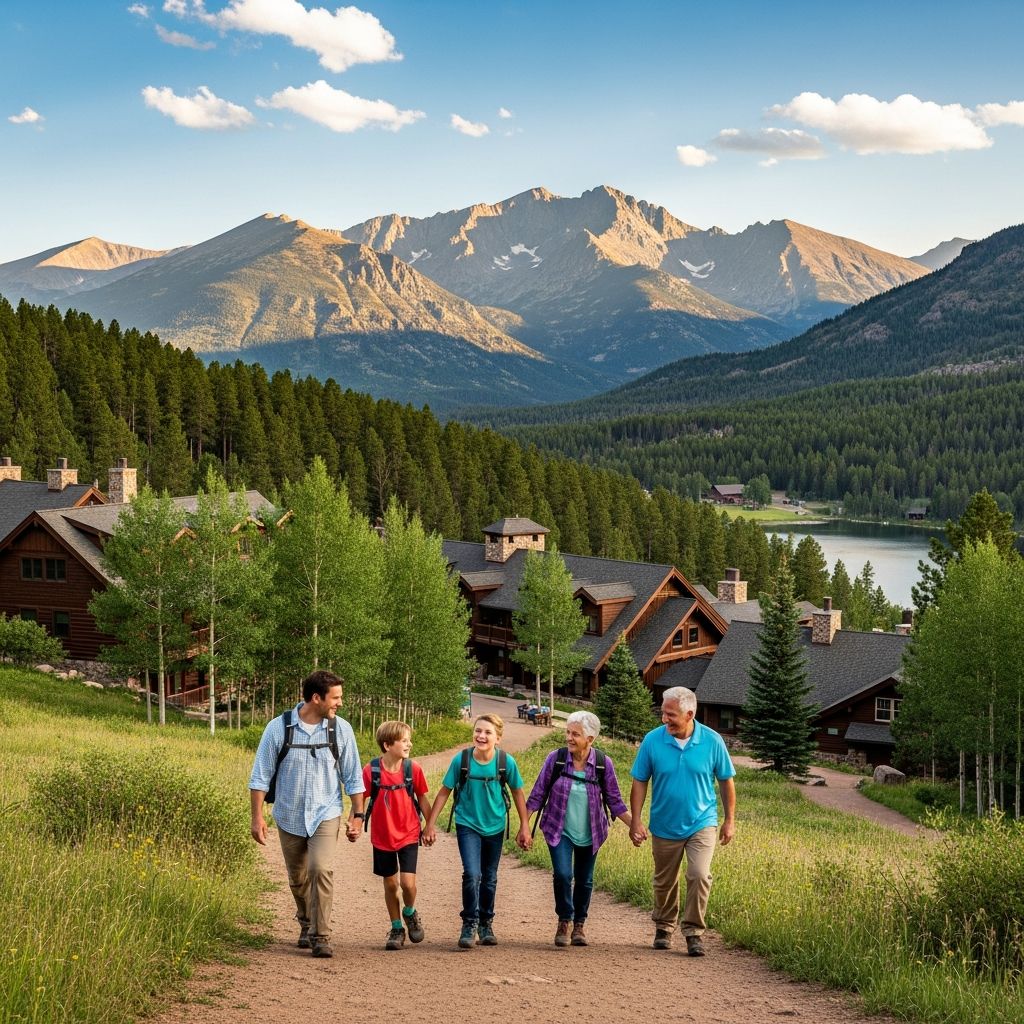
Nestled just outside Rocky Mountain National Park, YMCA of the Rockies in Estes Park offers a rare mix of mountain beauty, camp-style activities, and practical comforts that work for real families, not just glossy brochures. Instead of juggling separate hotels, restaurants, and activities, you land in one campus where most of what you need is already there—hiking trails, arts and crafts, family programs, and space to breathe.
This article uses that idea as inspiration to show how a week in the Colorado mountains can become less about entertainment and more about shared experiences: board games instead of streaming, guided hikes instead of traffic, stargazing instead of scrolling. You will find ideas for where to stay, what to do, how to manage costs, and how to plan a trip that actually feels like a break for both kids and adults.
Why Choose a Mountain Campus for Summer
A mountain campus like YMCA of the Rockies functions as a hybrid between a resort and a traditional camp. That means your family can tap into a daily schedule of activities while still having the freedom to structure days at your own pace. For many parents, this solves two pain points at once: keeping kids active and engaged, and reducing the mental load of planning every hour of vacation.
Unlike staying in a town hotel, a campus setting typically provides open spaces, trails, rec centers, and activity hubs within walking distance, so you spend more time doing and less time driving. The atmosphere leans relaxed and casual—shorts, sweatshirts, and hiking shoes are the standard dress code, and nobody blinks if kids are a little muddy from a stream exploration.
Lodging Options for Real Families
At a place like YMCA of the Rockies, you can usually choose between hotel-style lodge rooms and stand-alone cabins, each with different pros and cons for families. Understanding these tradeoffs before booking helps you match your lodging to your family’s routines, budget, and tolerance for togetherness.
In general, lodge rooms are easier on the budget and closer to central amenities, while cabins provide kitchen access, privacy, and a more home-like feel. For extended families traveling together, shared cabins often become the hub for group meals, coffee on the porch, and late-night card games long after younger cousins are in bed.
Quick Lodging Comparison
| Option | Best For | Pros | Potential Drawbacks |
|---|---|---|---|
| Lodge room | Smaller families or short stays | – Lower nightly cost in many cases – Easy walk to dining hall and activity centers – Housekeeping often included | – Limited space for hanging out during downtime – No full kitchen; more reliance on cafeteria meals |
| Small cabin | Families with early bedtimes or nap schedules | – Separate bedrooms and living space – Kitchen for simple meals and snacks – Quieter, more private setting | – Slightly higher nightly cost – May require a longer walk or short drive to some activities |
| Large cabin | Multi-generational or two-family trips | – Room to spread out and gather – Cost can be shared between families – Great for group meals and game nights | – More planning for shared expectations and chores – Popular sizes may sell out early in peak season |
What a Typical Day Can Look Like
There is no single “right” way to use a week at YMCA of the Rockies, but sketching out a sample rhythm helps show how a camp-style campus naturally balances activity and downtime. Think of each day as a loose arc: movement in the morning, quieter programs in the afternoon, and something simple but special in the evening.
Here is an example of how one flexible day might unfold for a family with elementary-age kids and a teen.
- Morning: Breakfast at the dining hall, then an easy guided family hike on a nearby trail, with plenty of time for stopping to look at wildflowers or chipmunks.
- Late morning: The teen heads to an archery session while younger kids and a parent join a nature craft or scavenger hunt.
- Afternoon: Quiet time back at the cabin for reading, naps, or board games, followed by a trip to the craft center for pottery painting or tie-dye.
- Late afternoon: Free play at the playground or a family round of mini-golf if offered on campus.
- Evening: Dinner, then a campfire with s’mores, a stargazing walk, or a casual family program in the main lodge.
The key is not trying to do every single activity; instead, pick one or two structured options each half day and leave breathing room for unplanned discoveries. Often the most remembered moments are not the big-ticket programs but a deer wandering through a meadow outside your porch or cousins making up a game with pinecones.
Activities for Every Age Group
One strength of a campus like YMCA of the Rockies is that a 5-year-old and a 15-year-old can both find something engaging—sometimes together, sometimes separately. When older kids have the option to join more challenging activities, they are more likely to buy into the overall trip and be patient with younger siblings’ pace.
Think of the activity menu in three broad buckets: outdoor adventures, creative and quiet pursuits, and community-style programs that gather multiple families at once.
Outdoor Adventures
- Family-friendly hikes with varying lengths and elevation so you can match the trail to your group’s energy level.
- Nature walks or ranger-style programs that focus on local wildlife, plants, or geology, designed for kids but genuinely informative for adults.
- Sports fields and courts where you can organize informal games: soccer, basketball, disc golf, or a simple game of catch.
- Nearby national park drives or trailheads, reachable in a short drive, for those who want a taste of higher-elevation scenery.
Creative and Indoor Options
- Arts and crafts centers with projects spanning quick, inexpensive activities (like beaded keychains) to longer sessions such as ceramics or painting.
- Game rooms with ping-pong tables, pool, foosball, or board games borrowed from the front desk on rainy afternoons.
- Reading nooks in lodge lobbies where grandparents and kids can curl up with books when the weather changes suddenly, as it often does in the mountains.
Community-Style Programs
- Evening campfires with songs, stories, or simple skits where kids can volunteer to participate.
- Themed family nights such as bingo, trivia, or talent showcases that provide low-pressure ways to mingle with other guests.
- Faith-based or reflective gatherings for those who are interested, often optional and scheduled so that families can choose what matches their preferences.
Staying on Budget Without Feeling Deprived
Mountain vacations do not have to mean luxury-resort prices, but costs can climb quickly when you add restaurant meals, separate activities, and gear rentals. One of the appeals of YMCA-style campuses is that many activities are low-cost or included, and you can fine-tune spending by choosing where to splurge and where to save.
With a bit of planning, you can keep the focus on experiences rather than souvenirs while still giving kids the occasional treat, whether that is a hot chocolate after a chilly hike or a special craft project they can take home.
Simple Ways to Save
- Use the kitchen if you have one: Even making simple breakfasts and snacks in a cabin can free up budget for one or two special meals out in town.
- Pack refillable water bottles: High altitude and summer sun mean frequent drinks; buying bottled water adds up fast.
- Set a souvenir budget per child: Decide in advance how much each child can spend in the gift shop to avoid daily negotiations.
- Prioritize included or low-fee activities: Many campus-led programs cost nothing or a small materials fee compared with costly off-site tours.
- Share gear when you can: One set of binoculars or a single guidebook can spark curiosity for the whole group.
Preparing Kids for Altitude and Outdoor Time
Estes Park sits at a higher elevation than many families are used to, and even gentle walks can feel surprisingly tiring on the first day or two. Preparing kids for that adjustment—and framing it as part of the adventure—can prevent complaints and meltdowns.
Weather can shift quickly in the Rockies, with warm sunshine in the morning, a thunderstorm in the afternoon, and a chilly breeze by sunset. Packing smart and teaching kids how to layer helps them stay comfortable without constant runs back to the room.
Packing Checklist Highlights
- Comfortable walking shoes or light hiking shoes for each family member.
- Layering pieces: T-shirts, a light fleece or sweatshirt, and a rain jacket.
- Sun protection: hats, sunglasses, and sunscreen, especially important at higher elevations.
- Daypack for each adult or older child with room for water, snacks, and an extra layer.
- Basic first-aid kit with bandages, blister patches, and any personal medications.
Building Connection, Not Just Itineraries
What makes a week at a place like YMCA of the Rockies stand out is not just the scenery or the activity list; it is the way the setting nudges families into being present with one another. With fewer billboards, fewer screens, and fewer errands, there is more room for real conversations and unscripted fun.
Many parents notice that kids who may seem restless at home settle into a new rhythm: waking up hungry for pancakes, running hard on fields or trails, and collapsing into bed pleasantly tired at night. For adults, the chance to sit on a porch with a mug of coffee and watch mountains change color in the morning light can be as restorative as any spa day.
Sample 5-Day Family Itinerary
The following loose plan gives an idea of how you might combine on-campus programming with short excursions into Rocky Mountain National Park and Estes Park town. Adjust it for your children’s ages, fitness levels, and interests.
| Day | Morning | Afternoon | Evening |
|---|---|---|---|
| Day 1 | Arrive, settle into room or cabin, explore campus on foot | Visit the craft center for a simple project | Early bedtime or quiet board games to recover from travel |
| Day 2 | Short family hike on a nearby trail | Archery or sports for older kids; playground time for younger ones | Campfire with s’mores and songs |
| Day 3 | Half-day trip into Rocky Mountain National Park for scenic views | Rest time, then game room or lodge lobby reading | Family bingo or trivia night |
| Day 4 | Choose-your-own-adventure morning: crafts, nature class, or sports | Free time in Estes Park town for ice cream and window-shopping | Stargazing walk back at campus |
| Day 5 | Last favorite activity (repeat a loved hike or craft) | Pack up, take family photos with the mountain backdrop | Departure or one final dinner together if staying the night |
Frequently Asked Questions
Is YMCA of the Rockies only for members?
While the exact policies can vary by season and location, campuses like YMCA of the Rockies are generally open to the public for lodging and many activities, with membership sometimes providing discounts rather than basic access. It is always best to confirm current requirements directly with the property before booking. This makes it an accessible option even for families who do not regularly use a local Y at home.
Do we need a car once we arrive?
Having a car is extremely helpful in the Estes Park area, especially if you plan to enter Rocky Mountain National Park, visit town, or adjust plans quickly due to weather. Within the campus itself, many services and activities are walkable from lodging, but distances and hills can still feel significant at altitude for very young children or older relatives.
What if the weather turns bad?
Mountain weather is famously unpredictable, so it is smart to treat indoor activities as part of the plan rather than just a backup. Craft centers, game rooms, and lodge spaces are built precisely for these moments, offering cozy, low-pressure ways to keep kids happy on rainy afternoons or during brief thunderstorms.
Can we manage food allergies or special diets?
Most large campus-style facilities are accustomed to working with a range of dietary needs, from vegetarian and gluten-free to more complex food allergies. When possible, reach out ahead of time to share specifics and ask how the dining hall handles labeling, cross-contact, and special requests; in a pinch, cabins with kitchens give families additional control over meals.
How far in advance should we book?
Summer weeks in scenic mountain locations tend to fill many months ahead, especially for larger cabins and peak vacation windows. If your dates are flexible, you may find more options, but families with strict school or work schedules benefit from planning as early as possible, then checking back periodically for cancellations or newly released availability.
Making the Trip Your Own
No two families will use YMCA of the Rockies in exactly the same way, and that is part of the appeal. Some will pack days full of structured programs, others will treat the campus as a peaceful home base and spend long stretches in the national park, and many will land somewhere in between. The point is not to follow a perfect itinerary but to leave with inside jokes, new skills, and memories that feel different from everyday life.
If your ideal summer break includes open sky, mountain air, and time together that doesn’t revolve around devices, a campus-style stay in Estes Park offers all of that in one place. With a little forethought about lodging, packing, and pacing your days, you can create a trip that balances adventure with rest—and sends everyone home happily tired, a bit dusty, and full of stories to tell.