Have you ever heard of a sickness called **yellow fever**? It’s a virus that mosquitoes can spread, mostly in hot places like parts of Africa and South America. It gets its name because it can make your skin and eyes look yellow, like a banana! But don’t worry—there’s a vaccine to protect you, and ways to keep mosquitoes away. This guide will explain everything in easy words, so you can understand and stay safe.
What Causes Yellow Fever?
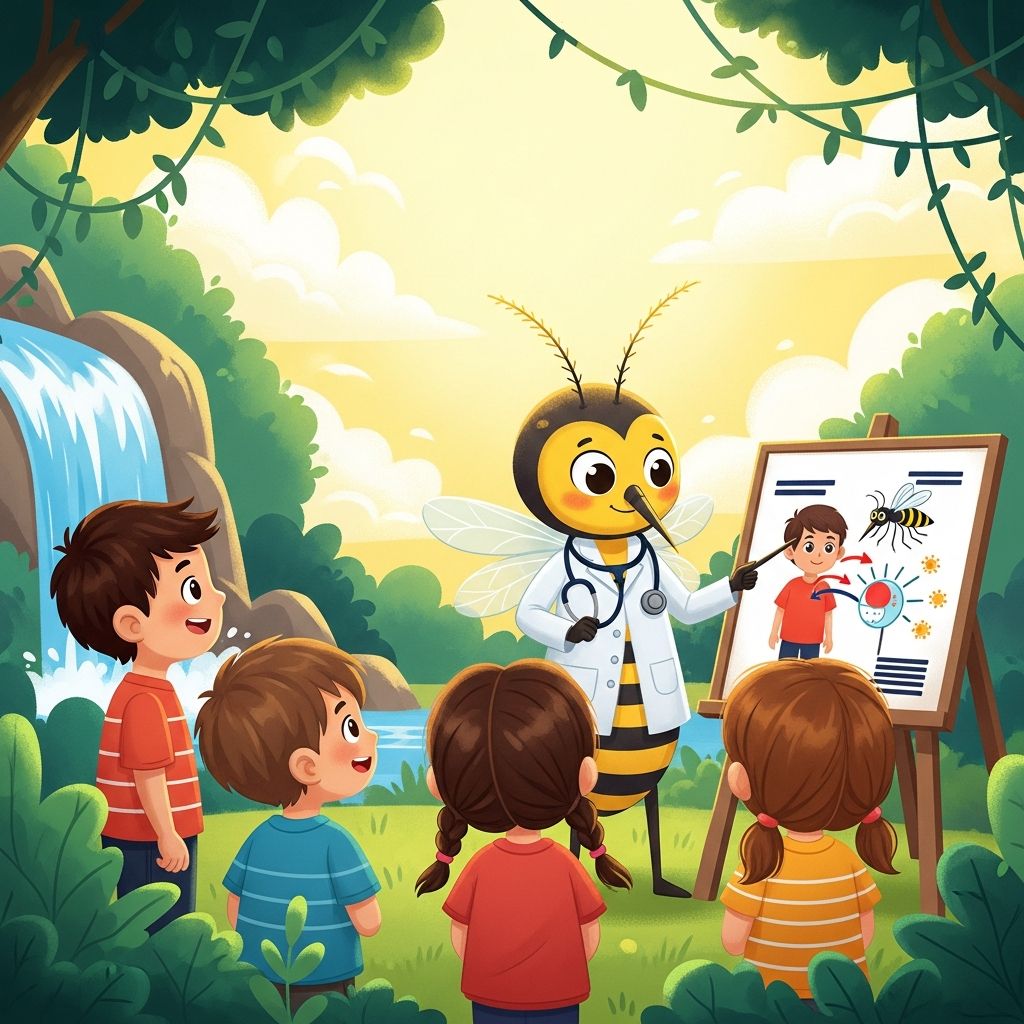
Yellow fever comes from a tiny germ called a **virus**. This virus lives inside certain mosquitoes, like the Aedes type. When a mosquito bites someone who’s sick with the virus, it picks it up in its mouth. Then, when it bites you, it can pass the virus into your blood through its bite. It’s like the mosquito is sharing a bad germ party!
The virus likes warm, tropical spots where there are lots of mosquitoes and monkeys (yes, monkeys can get it too!). It doesn’t spread from person to person like a cold—only mosquitoes are the messengers. Scientists first noticed it hundreds of years ago because sick people would turn yellow and get really high fevers.
Where Does Yellow Fever Happen?
Yellow fever lives in **tropical areas**—think steamy jungles in Africa and South America. Countries like Brazil, Nigeria, and parts of the Amazon have it. In the United States, we haven’t had big outbreaks since way back in 1905, thanks to better mosquito control and vaccines.
Travelers can bring the risk if they go to these places without protection. That’s why doctors tell families planning trips to get ready. Maps from health experts show “risk zones” where you need a special vaccine stamp in your health papers.
Signs Your Body Is Fighting Yellow Fever
If a mosquito with the virus bites you, it might take **3 to 6 days** before you feel sick. That’s called the incubation time—time for the virus to grow inside you.
Most kids and grown-ups who get it (about 85 out of 100) either have no symptoms or very mild ones, like a short flu. They feel better in a week.
Mild Stage Symptoms
- Sudden **fever** that makes you hot and shivery
- Really bad **headaches**
- Body aches, especially your back
- Feeling super tired and weak
- Upset tummy with nausea or throwing up
These can last 3-4 days, then you might feel okay for a bit.
Serious Stage Symptoms (Toxic Phase)
About 15% of people get sicker after feeling better for a few hours or a day. This is the scary part:
- **High fever** comes back stronger
- **Jaundice**—skin and eyes turn yellow because your liver is hurting
- Bleeding from nose, mouth, or tummy (looks like blood in vomit)
- Big tummy pain
- Feeling shocked, confused, or passing out
- Liver or kidney problems
In this bad stage, 30-60% of people might not make it, even with hospital help. But if you get through it, you won’t get yellow fever again—your body remembers how to fight it!
How Do Doctors Know It’s Yellow Fever?
Telling if it’s yellow fever can be tricky at first because it looks like the flu, malaria, or dengue. Doctors ask if you’ve been to risky places and check your blood.
They use special tests:
- **RT-PCR test** on blood to find the virus early
- Blood tests for antibodies your body makes later
If you’re really sick, they watch for yellow skin, bleeding, and organ trouble. Quick tests help start the right care.
No Magic Pill, But Good Care Helps
There’s **no special medicine** to kill the yellow fever virus yet. Doctors focus on making you comfy:
- Medicine for fever, pain, and puking
- Lots of fluids so you don’t get too dry
- Rest in bed
- Watch in the hospital if it’s serious—maybe oxygen or IV drips
New research tries antivirals like sofosbuvir, but only in studies. Supportive care saves lives!
Prevention: Your Superhero Shield Against Mosquitoes
The best way to beat yellow fever is to **stop mosquitoes** from biting you. Here’s how kids can help:
| Protection Method | How It Works | Tips for Kids |
|---|---|---|
| Vaccine | Gives your body virus-fighting power for life (one shot for most) | Get it 10 days before travel to risky spots. Boosters every 10 years sometimes. |
| Bug Spray | DEET or picaridin keeps mosquitoes away | Adults spray it on your clothes and skin. Reapply after swimming. |
| Long Clothes | Covers arms and legs | Wear light pants and shirts at dawn/dusk when mosquitoes bite. |
| Mosquito Nets | Blocks bites while sleeping | Use over beds in jungles. Check for holes! |
| Avoid Stagnant Water | Mosquitoes breed there | Don’t play near puddles or old tires. |
Vaccines are key for travelers—over 99% effective. Some countries won’t let you in without proof!
Yellow Fever Around the World Today
Health groups like WHO fight outbreaks with vaccines and bug sprays. Millions of doses go to Africa yearly. Kids in risky areas get vaccinated in school campaigns. Outbreaks still happen, but fewer people die thanks to better plans.
Climate change might spread mosquitoes to new places, so staying alert matters.
Fun Facts About Yellow Fever
- The name comes from the yellow jaundice, not pee—though old stories mixed them up!
- Monkeys in jungles keep the virus going in nature.
- A vaccine was made in the 1930s and still works great.
- No cases in the US since 1905, but watch for travelers.
- Survivors get lifelong protection—no second bout ever.
Frequently Asked Questions (FAQs)
Can kids get yellow fever?
Yes, but the vaccine protects babies over 6 months. Most cases are mild.
Is yellow fever in my country?
Not usually in the US or Europe, but check travel maps for Africa/South America.
What if I get bit by a mosquito after travel?
Tell parents and a doctor right away if fever starts. Don’t wait!
Does bug spray stop all mosquitoes?
It helps a lot, but use with clothes and nets for best protection.
Can animals get yellow fever?
Monkeys and some primates can, keeping it in wild areas.
How long do symptoms last?
Mild: a week. Serious: up to 10 days, with tiredness for months.
Yellow fever sounds scary, but with vaccines and smart habits, you can adventure safely! Talk to your doctor before trips.
References
- Yellow fever — World Health Organization. 2023-10-06. https://www.who.int/news-room/fact-sheets/detail/yellow-fever
- Symptoms, Diagnosis, and Treatment | Yellow Fever Virus — Centers for Disease Control and Prevention (CDC). 2024-05-28. https://www.cdc.gov/yellow-fever/symptoms-diagnosis-treatment/index.html
- Yellow Fever — Hawaii State Department of Health. 2023. https://health.hawaii.gov/docd/disease_listing/yellow-fever/
- Yellow Fever — Oklahoma State Department of Health. 2024. https://oklahoma.gov/health/health-education/acute-disease-service/tickborne-and-mosquitoborne-diseases/yellow-fever.html
- Yellow Fever — Louisiana Department of Health. 2023. https://ldh.la.gov/immunization-program/yellow-fever
- A to Z: Yellow Fever (for Parents) — KidsHealth. 2023. https://kidshealth.org/Partnership/en/parents/az-yellow-fever.html
- Yellow Fever: What Is It, Symptoms, Causes & Treatments — Cleveland Clinic. 2023-11-02. https://my.clevelandclinic.org/health/diseases/23162-yellow-fever