Wound cultures are laboratory tests that identify harmful microorganisms like bacteria or fungi in a child’s injury, guiding effective treatment to promote healing.
Recognizing Signs of Infection in Children’s Wounds
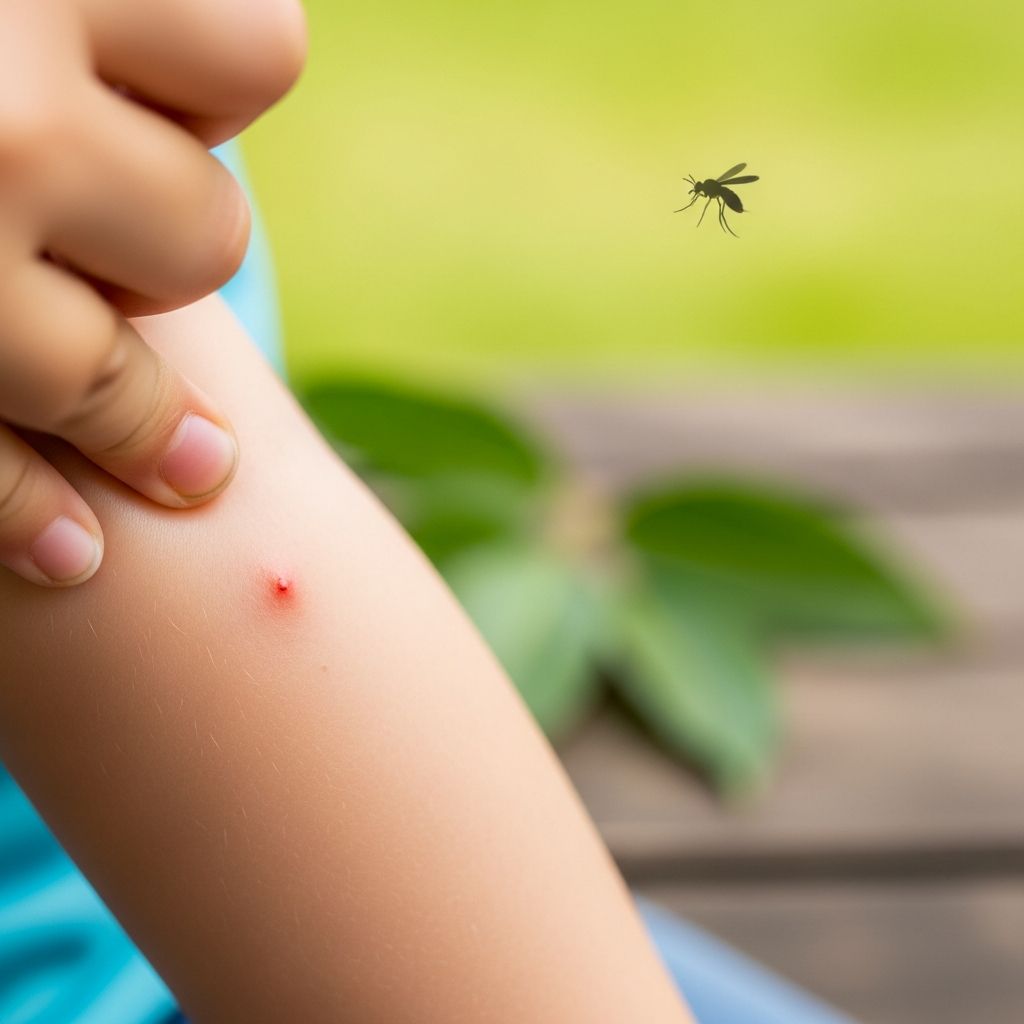
Children’s skin is resilient but vulnerable to infections from cuts, scrapes, burns, or surgical sites. Parents should watch for key indicators that a wound needs medical attention. Increased redness around the injury site, swelling that worsens over time, warmth to the touch, and throbbing pain are common early signs. Pus or thick, foul-smelling drainage, fever, or chills signal a more serious issue. Wounds that fail to improve after a few days or suddenly deteriorate also warrant evaluation.
In young kids, infections can spread quickly due to their developing immune systems. Superficial scrapes might harbor aerobic bacteria thriving in oxygen-rich environments near the skin surface, while deeper punctures can foster anaerobic bacteria that grow without oxygen. Early detection prevents complications like abscesses, cellulitis, or systemic infections.
When Doctors Recommend a Wound Culture
Healthcare providers order wound cultures based on clinical judgment, not routinely. If a wound shows classic infection symptoms—increased pain, purulent exudate, erythema, or delayed healing—a culture confirms the pathogen and tailors antibiotics. It’s especially useful for chronic wounds, post-surgical sites, burns, animal bites, or punctures prone to deep infections.
For children with weakened immunity, diabetes, or recurring infections, cultures monitor treatment efficacy or screen for resistant bacteria. Guidelines from bodies like the International Wound Infection Institute advise culturing only with substantial clinical evidence, avoiding unnecessary tests.
How Wound Samples Are Collected from Children
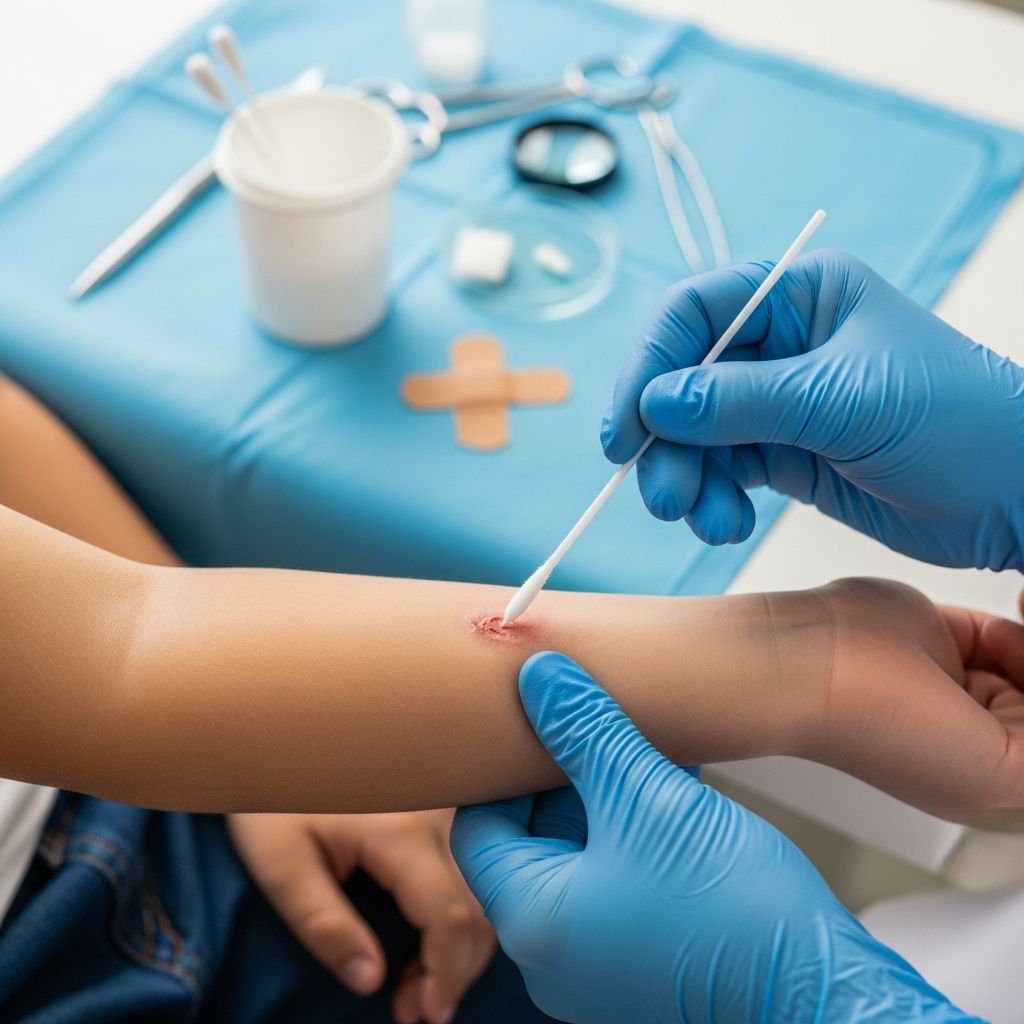
Collection prioritizes minimal discomfort, using age-appropriate techniques. For open wounds, a sterile swab is gently rotated in the deepest, pus-filled area after cleaning the surface to avoid contaminating with normal skin flora. Deeper wounds may require needle aspiration, where a syringe draws fluid, or a small biopsy for tissue analysis.
Closed wounds or abscesses might need incision and drainage: a tiny cut releases pus for sampling, followed by cleaning and bandaging. The process is quick, often painless, though slight pressure may occur. Parents can comfort kids by explaining it’s like a “superhero swab” to fight germs.
| Method | Suitable For | Description | Discomfort Level |
|---|---|---|---|
| Sterile Swab | Superficial open wounds | Cotton tip pressed and rotated in wound bed | Low |
| Needle Aspiration | Deeper wounds/abscesses | Syringe withdraws fluid/pus | Moderate (brief pinch) |
| Tissue Biopsy | Chronic or suspicious tissue | Small sample removed for analysis | Moderate to high |
| Incision & Drainage | Abscesses | Small cut to release and sample pus | Moderate (local anesthetic used) |
The Lab Process: Growing and Identifying Pathogens
In the lab, samples go on nutrient media that encourage microbial growth. Aerobic bacteria grow in oxygen; anaerobes in oxygen-free conditions. Results take 24-72 hours for initial Gram stains—quick previews classifying bacteria by shape and color (e.g., Gram-positive cocci). Full identification and antibiotic susceptibility testing follow, pinpointing the best drugs to inhibit growth.
Normal skin bacteria may appear but are distinguished from pathogens causing infection. Fungal cultures, if suspected, use special media suppressing bacteria for weeks. Negative results show “no growth” or only harmless flora, indicating no active infection.
Interpreting Culture Results for Parents
Positive cultures name the bacteria (e.g., Staphylococcus aureus) and list effective antibiotics via sensitivity testing. A single pathogen often drives infection, but polymicrobial cases occur in dirty wounds. Doctors use this to prescribe targeted therapy, reducing resistance risks.
Follow-up cultures verify treatment success, especially in persistent cases. If results show normal flora only, focus shifts to wound care optimization. Parents receive clear explanations, empowering home monitoring.
Treating Infections Based on Culture Findings
Armed with results, treatments range from oral antibiotics for mild cases to IV drugs or drainage for severe ones. Sensitivity testing ensures precision, minimizing side effects in kids. Adjuncts include wound cleaning, debridement of dead tissue, and dressings promoting moist healing.
Prevent resistance by completing prescriptions. For chronic wounds, multidisciplinary care involving wound specialists may be needed.
Preventing Wound Infections in Active Kids
- Clean wounds immediately with soap and water, applying antibiotic ointment and bandage.
- Change dressings daily or if soiled, keeping the site dry.
- Boost immunity via balanced nutrition, hydration, and vaccines like tetanus boosters.
- Supervise play to avoid high-risk injuries like animal bites.
- Monitor high-risk kids (e.g., diabetics) closely.
Home Wound Care Tips While Awaiting Results
While cultures process, elevate the wound, apply cool compresses for swelling, and give age-appropriate pain relief. Avoid picking scabs or over-cleaning, which delays healing. Contact your doctor if symptoms worsen.
Frequently Asked Questions About Wound Cultures
Is a wound culture painful for my child?
Most are minimally invasive with low discomfort; deeper methods use numbing. Distraction techniques help anxious kids.
How long do wound culture results take?
Gram stains in hours; full results 1-3 days, fungi longer.
What if the culture is negative but symptoms persist?
Clinical signs guide care; re-culture or imaging may follow. Normal flora doesn’t rule out infection.
Can viruses be detected in wound cultures?
Standard tests target bacteria/fungi; viral tests are separate if suspected (e.g., herpes).
Are wound cultures safe for infants?
Yes, adapted gently; benefits outweigh risks in infection suspicion.
Long-Term Wound Management for Children
Post-treatment, scar minimization involves silicone gels, massage, and sun protection. Educate kids on hygiene to prevent recurrence. For frequent infectors, allergy or immunity checks may be advised.
In summary, wound cultures empower precise care, turning parental worry into confident healing journeys. Consult pediatricians promptly for concerns.
References
- Bacterial Wound Culture — Testing.com. 2023-05-15. https://www.testing.com/tests/bacterial-wound-culture/
- Is Your Wound Infected? Wound Culture Procedure — UrgentCareFL. 2024-02-20. https://www.urgentcarefl.com/blog/wound-infected-wound-culture-procedure/
- Culturing 101 — WoundSource. 2023-11-10. https://www.woundsource.com/blog/culturing-101
- Wound Drainage Culture — Nemours KidsHealth. 2025-01-01. https://kidshealth.org/en/parents/wound-culture.html
- Bacteria Culture Test — MedlinePlus (U.S. National Library of Medicine). 2024-08-12. https://medlineplus.gov/lab-tests/bacteria-culture-test/
- Wound Culture — UR Medicine / University of Rochester Medical Center. 2023-07-22. https://www.urmc.rochester.edu/encyclopedia/content?contenttypeid=167&contentid=wound_culture
- Wound Culture – Swabs, Biopsies, Needle Aspiration — WoundReference. 2024-03-05. https://woundreference.com/p/topic?id=wound-culture