In the multifaceted world of modern motherhood, every parent carves out a unique path shaped by circumstances, passions, and priorities. Whether balancing a career with family demands or dedicating full time to home life, moms everywhere demonstrate extraordinary resilience. This article bridges the often-perceived divide between working moms and those at home, emphasizing mutual admiration, shared challenges, and collective empowerment.
The Diverse Landscapes of Motherhood
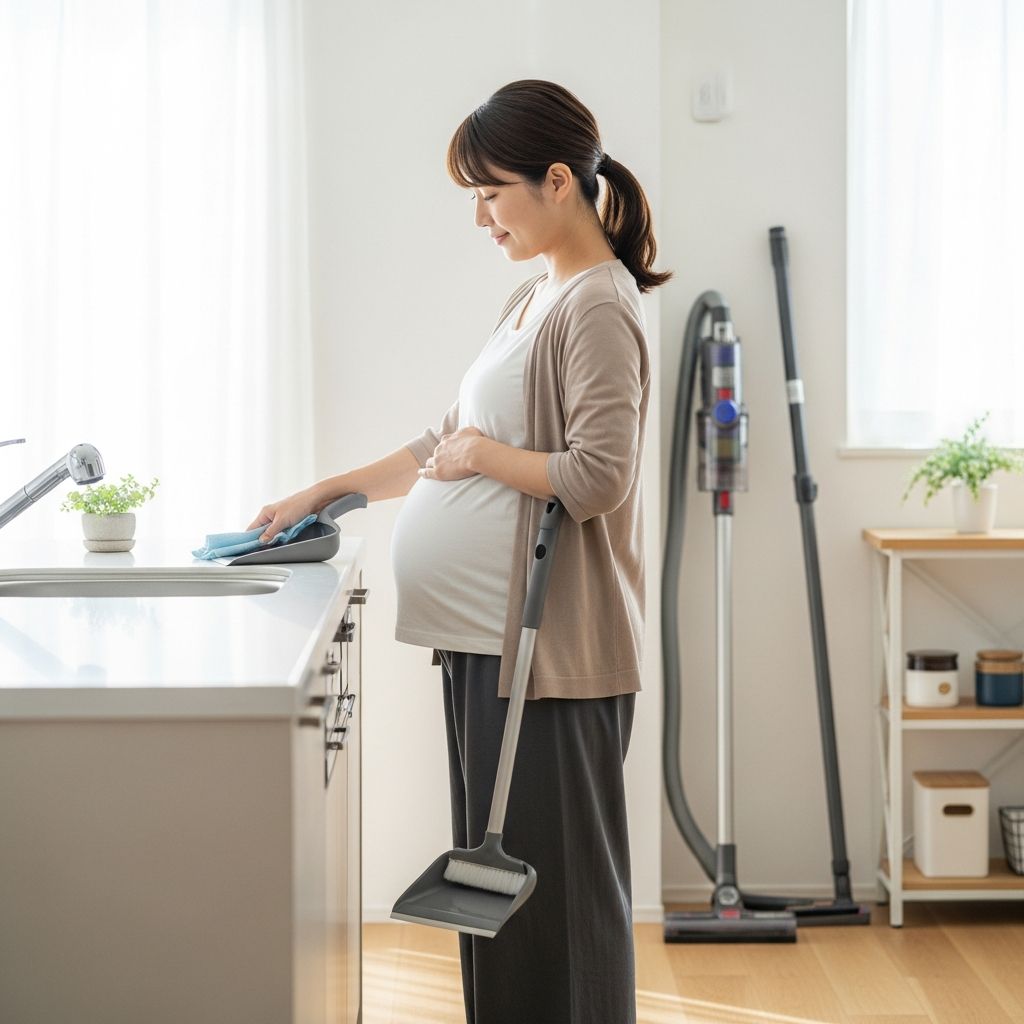
Motherhood manifests in varied forms, each with its own rhythms and rewards. Working moms often rise before dawn to juggle professional responsibilities, school runs, and household duties, embodying a dual-role heroism. Stay-at-home moms, meanwhile, orchestrate daily home operations, from educational activities to meal preparations, fostering deep family connections. Both groups navigate exhaustion, self-doubt, and societal expectations, yet they thrive through adaptability and love.
Statistics from the U.S. Bureau of Labor highlight this diversity: approximately 72% of mothers with children under 18 participate in the workforce, while 28% choose full-time homemaking. These numbers reflect not competition, but complementary strengths that enrich society. Working moms drive economic contributions and model ambition, while stay-at-home moms provide foundational stability.
Breaking Down Stereotypes and Building Bridges
Societal narratives sometimes pit these groups against each other, with judgments like “career-focused neglect” or “unambitious isolation.” In reality, such divides are artificial. A stay-at-home mom might envy the intellectual stimulation of a workplace, while a working mom longs for uninterrupted family moments. Recognizing these overlaps fosters empathy.
- Common Ground in Daily Struggles: Both wake to cries at night, mediate sibling disputes, and stretch budgets creatively.
- Emotional Parallels: Guilt over “not enough” time or energy unites them, regardless of location.
- Resilience Shared: Each develops superhuman multitasking, from virtual meetings with a child on lap to crafting homemade learning tools.
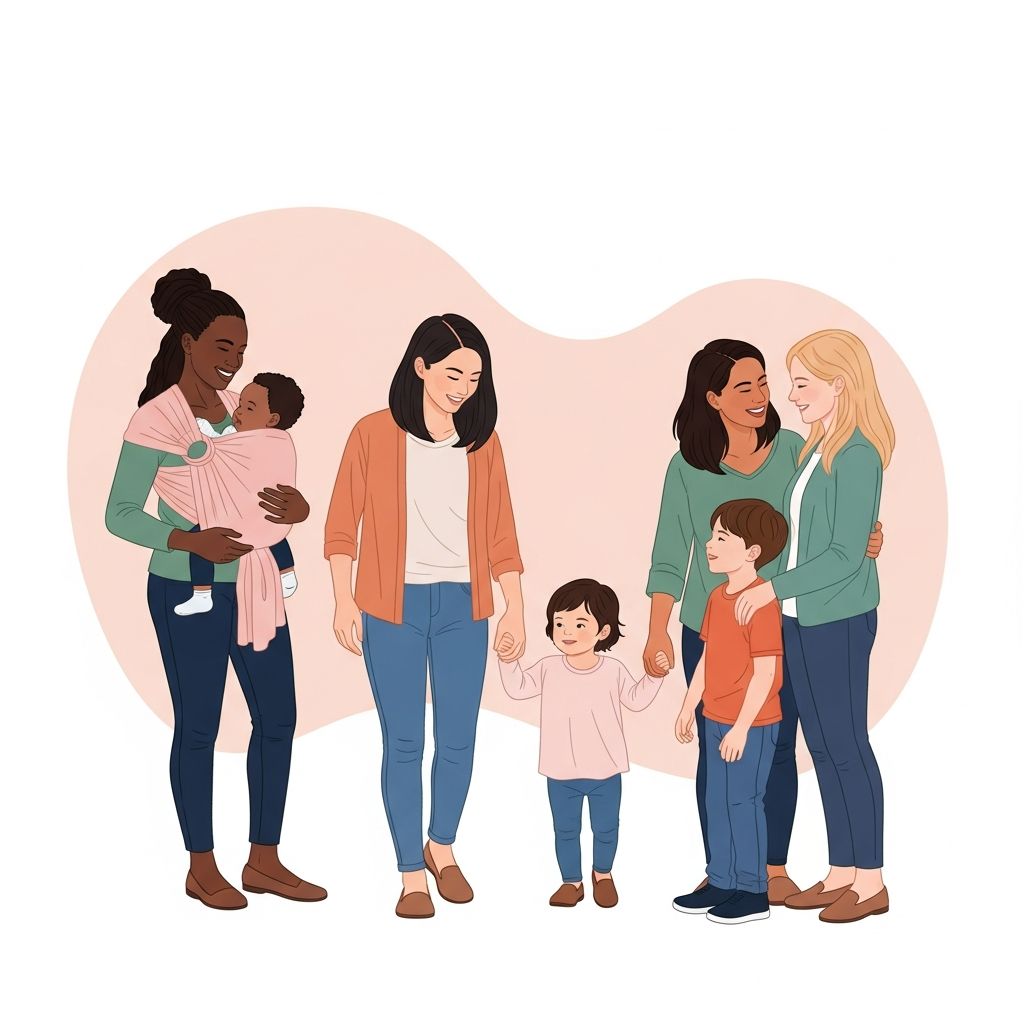
This solidarity dismantles myths, revealing moms as allies in the grand pursuit of family well-being.
Lessons Learned from Working Moms
From the perspective of a stay-at-home parent, working moms offer profound inspiration. Their ability to command boardrooms while soothing fevers exemplifies boundary-setting and prioritization. They teach persistence through long commutes and deadlines, showing children that dreams persist amid chaos.
| Quality | Description | Impact on Family |
|---|---|---|
| Ambition | Pursuing career goals with determination | Models goal achievement for kids |
| Time Management | Efficiently allocating hours between work and home | Teaches structured routines |
| Advocacy | Fighting for family-friendly policies | Improves workplace equity |
| Self-Care | Maintaining personal wellness amid demands | Encourages balanced living |
These traits ripple outward, benefiting communities by normalizing maternal leadership.
What Stay-at-Home Moms Contribute
Conversely, stay-at-home moms provide irreplaceable gifts: undivided attention during formative years, customized home environments, and emotional anchors. They cultivate creativity through play-based learning and preserve family traditions, offering working moms peace of mind. Their role in early childhood development aligns with research from the American Academy of Pediatrics, which stresses the importance of responsive caregiving for cognitive growth.
Yet, this path demands endurance—managing isolation, financial pressures, and the blur between work and rest. Their quiet heroism lies in transforming ordinary days into nurturing legacies.
Navigating the Emotional Rollercoaster
All moms grapple with “mom guilt,” a universal sentiment amplified by social media comparisons. Working moms might fret over missed milestones; stay-at-home ones worry about future opportunities. Strategies for harmony include:
- Open Dialogues: Sharing experiences with fellow moms to normalize feelings.
- Boundary Setting: Defining success on personal terms, not external metrics.
- Support Networks: Joining mom groups for practical and emotional aid.
- Flexible Routines: Adapting schedules to prioritize joy and rest.
According to a 2023 Pew Research Center study, 57% of working moms report high stress from balancing acts, mirroring sentiments from homemakers in similar surveys. Collective validation eases this burden.
Practical Tips for Mutual Support
Empowering each other strengthens the whole. Here are actionable ways moms can uplift one another:
- Compliment efforts publicly—acknowledge a colleague’s poise or a neighbor’s home ingenuity.
- Offer tangible help, like meal swaps or playdate coverage.
- Amplify voices in advocacy, supporting parental leave expansions.
- Celebrate milestones together, blending work achievements with family traditions.
Such gestures build a tapestry of solidarity, proving motherhood’s power transcends individual choices.
Real-Life Stories of Inspiration
Consider Sarah, a marketing executive and mother of two, who credits her stay-at-home sister’s advice for mastering work-life boundaries. Or Emily, a full-time homemaker, inspired by her working friend’s tenacity during a career pivot post-maternity. These anecdotes illustrate reciprocity: working moms pave paths for equality, while stay-at-home moms nurture the home front.
In one account, a working mom shared how her child’s daycare teacher—a stay-at-home mom turned educator—provided insights that transformed her parenting. Reciprocally, the teacher’s own career aspirations reignited through observing professional maternal role models.
The Broader Societal Impact
When moms unite, society benefits. Working moms advocate for better childcare, as evidenced by pushes for universal pre-K in policy debates. Stay-at-home moms volunteer in communities, bolstering local support systems. Together, they challenge outdated norms, fostering environments where all parenting styles flourish.
The World Health Organization notes that supportive family policies correlate with improved child outcomes across demographics, underscoring the value of diverse maternal contributions.
Frequently Asked Questions (FAQs)
Can working moms and stay-at-home moms truly be friends?
Absolutely. Their shared love for children and common challenges create strong bonds, often deepened by mutual respect for different choices.
What if I feel judged for my parenting style?
Seek communities that celebrate diversity. Reframe judgments as projections, focusing on your family’s unique needs.
How can I balance work and motherhood effectively?
Prioritize ruthlessly, delegate tasks, and practice self-compassion. Tools like shared calendars and support networks are invaluable.
Is one parenting path better than the other?
No—success depends on family context. Both offer profound benefits when aligned with values.
How do I support a working mom friend?
Listen without advice, offer specific help like babysitting, and celebrate her wins big and small.
This exploration of motherhood’s varied paths reveals a profound truth: every mom is a trailblazer. By honoring each journey, we weave a stronger fabric of support, ensuring no one walks alone.
References
- Women in the Workforce — U.S. Bureau of Labor Statistics. 2024-01-19. https://www.bls.gov/opub/reports/womens-earnings/2023/
- Parenting and Stress Levels — Pew Research Center. 2023-11-15. https://www.pewresearch.org/social-trends/2023/11/15/parenting-in-america-today/
- Early Childhood Development Guidelines — American Academy of Pediatrics. 2022-07-01. https://publications.aap.org/pediatrics/article/150/1/e2022058171/190908
- Family Policies and Child Outcomes — World Health Organization. 2024-03-10. https://www.who.int/publications/i/item/9789240086314
- Maternal Employment and Child Development — OECD Family Database. 2023-06-20. https://www.oecd.org/els/family/database.htm