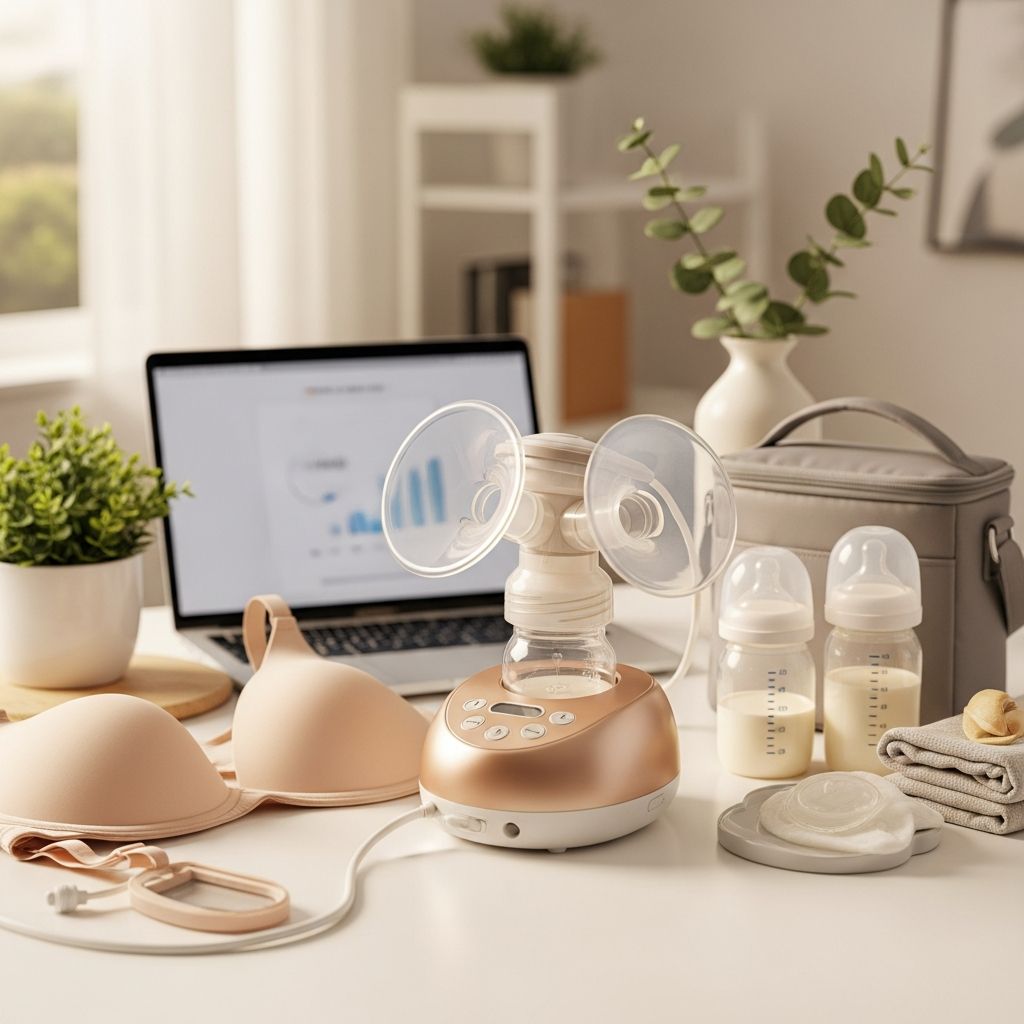
Returning to work while breastfeeding presents unique challenges, but with the right knowledge and tools, working moms can successfully maintain their milk supply and provide for their babies. This guide demystifies essential pumping terminology, offers tailored schedules, recommends gear, and shares practical strategies drawn from expert recommendations.
Understanding Key Pumping Terminology
Navigating the world of breast pumping starts with familiarizing yourself with common terms. These concepts form the foundation for effective milk expression away from your baby.
- Flange: The tunnel-shaped part of the pump that fits over the breast and creates a seal around the nipple. Proper sizing prevents pain and maximizes output.
- Letdown Reflex: The hormonal response triggered by your baby’s suckling or pump suction, releasing milk from milk ducts. Stress can inhibit it, so relaxation techniques help.
- Engorgement: Swelling of breasts due to milk buildup, often causing discomfort. Frequent pumping or hand expression alleviates it.
- Duckbill Valve: A flexible one-way valve in pump kits that prevents milk backflow, ensuring hygiene and efficiency.
- Galactagogue: Substances like oatmeal or fenugreek that may boost milk production, though evidence varies.
Mastering these terms empowers moms to troubleshoot issues and communicate effectively with lactation consultants.
Types of Breast Pumps Explained
Choosing the correct pump is crucial for convenience and supply maintenance. Here’s a breakdown of options.
| Pump Type | Best For | Pros | Cons |
|---|---|---|---|
| Double Electric Pump | Daily work use | Fast, efficient, mimics baby suckling | Bulkier, needs power |
| Manual Pump | Occasional use | Portable, no electricity | Slower, hand fatigue |
| Wearable Pump | Active jobs | Hands-free, discreet | Higher cost, battery life limits |
| Hospital-Grade | Low supply | Powerful suction | Rental often required |
Double electric pumps are recommended for working moms due to their reliability in sustaining supply during separations.
Building Your Ideal Pumping Routine
A consistent schedule mimics your baby’s feeding pattern, preventing supply dips. Aim for sessions every 2-3 hours, including pre- and post-work pumps.
Sample Schedules for Different Shifts
Adjust based on baby’s age and your output. For newborns (1-3 months), pump every 2-3 hours; older babies (4+ months) may stretch to 3-4 hours.
8-Hour Shift Example (Baby 1-3 Months)
| Time | Activity | Duration |
|---|---|---|
| 6 AM | Nurse/Pump | 15 min |
| 9 AM | Pump at work | 20 min |
| 12 PM | Pump (lunch) | 20 min |
| 3 PM | Pump | 15 min |
| 6 PM | Nurse | – |
12-Hour Shift Example
| Time | Activity | Duration |
|---|---|---|
| 6 AM | Nurse/Pump | 15 min |
| 8 AM | Pump | 15 min |
| 11 AM | Pump | 20 min |
| 2 PM | Pump | 15 min |
| 5 PM | Pump | 15 min |
| 7 PM | Nurse | – |
These routines total 45-90 minutes daily at work, aligning with legal break rights in many areas.
Optimizing Output and Comfort
Expect 2-4 ounces per session, totaling 6-12 ounces in an 8-hour day. Factors like hydration, rest, and pump fit influence yield.
- Massage breasts before pumping to stimulate letdown.
- Apply warm compresses for better flow.
- Power pump occasionally: Pump 20 min, rest 10 min, repeat to mimic cluster feeding.
Track output in a journal to spot patterns and adjust.
Workplace Logistics and Legal Rights
Under the Fair Labor Standards Act (updated 2025), employers must provide reasonable break time and a private space (not a bathroom) for pumping up to 1 year postpartum. Discuss needs early with HR.
- Request a dedicated pumping room with power outlets.
- Use a sign: “Occupied – Pumping in Progress.”
- Store milk in insulated bags with ice packs.
Hands-Free and Portable Solutions
Wearable pumps like those from Momcozy allow pumping during meetings or commutes, saving time. Cleaning hacks include microwave steam bags for quick sanitization.
Maintaining Supply Long-Term
Nurse frequently on off-days. If supply drops, consult a lactation expert. Galactagogues like brewer’s yeast offer anecdotal support, but prioritize skin-to-skin contact.
Frequently Asked Questions
What if I can’t pump every 3 hours?
Prioritize consistency over perfection; even 2 sessions help. Supplement with hand expression.
How do I know my flange fits?
Nipple should move freely without rubbing areola. Sizes range 15-27mm; measure with a lactation consultant.
Can I pump in the car?
Yes, with a wearable pump and parked safely. Avoid driving distractions.
What if my supply decreases?
Increase pumping frequency, hydrate (100oz water/day), and eat oats. Seek professional help if persistent.
How long should each session last?
15-20 minutes per side or until flow stops. Double pumping halves time.
Daily Pumping Checklist
- Pack pump, extra parts, batteries.
- Insulated cooler with ice packs.
- Cleaning wipes/soap.
- Bottles/bags labeled with date.
- Hands-free bra if applicable.
This checklist ensures preparedness, reducing stress.
Emotional and Physical Self-Care
Pumping breaks double as mindfulness moments: visualize baby, breathe deeply. Combat fatigue with power naps if possible. Connect with mom groups for support.
Balancing career and breastfeeding builds resilience. With planning, most moms pump successfully for 6-12 months.
References
- The Ultimate Pump Schedule for Working Mom — Momcozy. 2023. https://momcozy.com/blogs/breastfeeding/pump-schedule-for-working-mom
- Pumping at Work: Example Schedule and Helpful Tips — Cleveland Clinic. 2023-10-15. https://health.clevelandclinic.org/pumping-schedule-pumping-at-work
- Returning to Work as a Nursing/Pumping Mom — The Vag Whisperer. 2021-11-15. https://thevagwhisperer.com/2021/11/15/returning-to-work-as-a-nursingpumping-mom/
- Pumping Strategies for the Working Mother — Lactation Matters (ILCA). 2012-05-17. https://lactationmatters.org/2012/05/17/pumping-strategies-for-the-working-mother/
- The Pumping Glossary — Motherly. 2023. https://www.mother.ly/career-money/work-and-motherhood/the-pumping-glossary/
- A-Z Glossary: Breastfeeding, Pumping, Lactation — Aeroflow Breastpumps. 2023. https://aeroflowbreastpumps.com/blog/breast-pumping-glossary
- Pumping Hacks for Working Moms — BenefitBump. 2023. https://www.benefitbump.com/blog/pumpinghacks