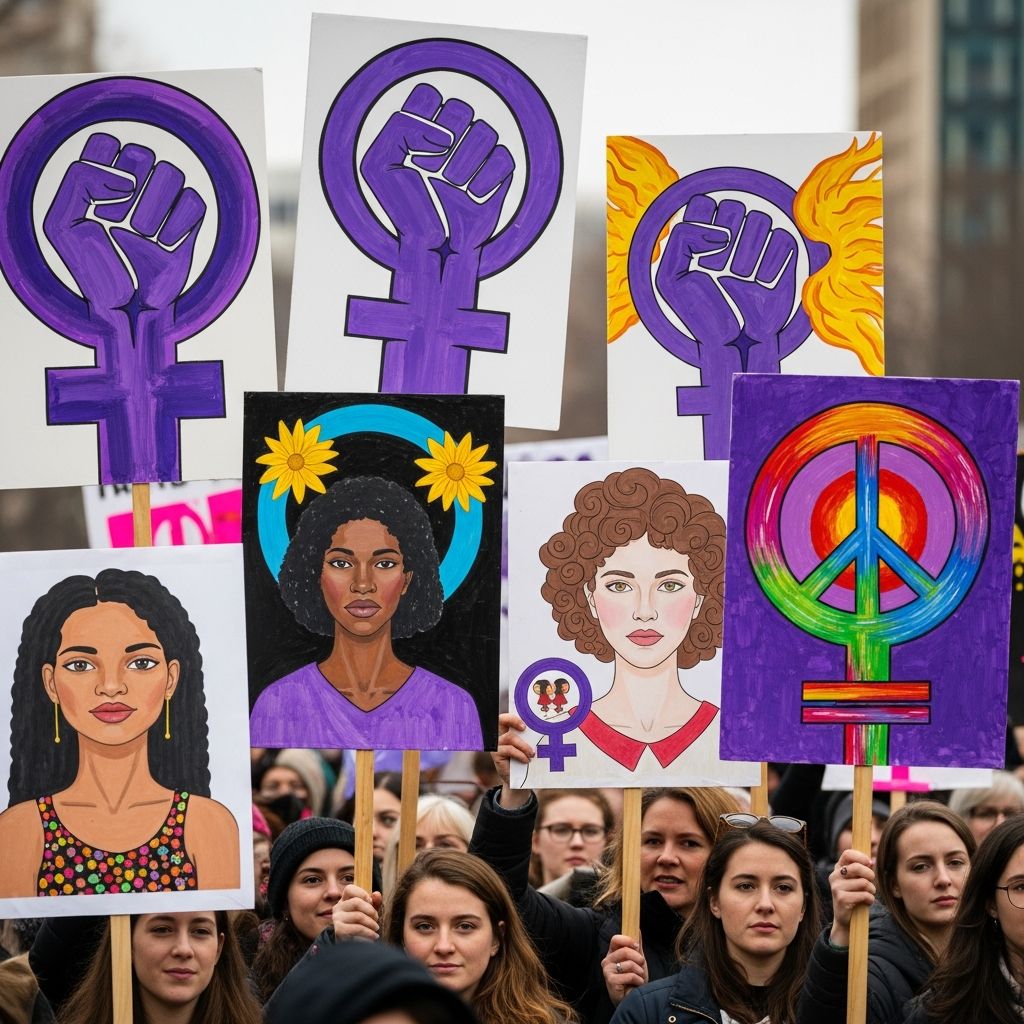
Protest posters from the Women’s Marches have become symbols of defiance, creativity, and collective power. These handmade and designed graphics amplified voices demanding equality, reproductive rights, and resistance against oppression, drawing millions worldwide to the streets.
The Rise of Visual Activism in Modern Marches
Since the inaugural Women’s March in 2017, posters have evolved from simple slogans to sophisticated art forms blending humor, history, and urgency. Held the day after Donald Trump’s inauguration, the event saw over 2.5 million participants globally, with signs addressing immigration, environmentalism, civil rights, and women’s treatment. These visuals not only unified diverse crowds but also went viral online, extending their reach far beyond physical protests.
Artists like Shepard Fairey contributed downloadable posters emphasizing marginalized communities, urging equality in the face of division. Grassroots creators added personal touches, making the art relatable and replicable. This fusion of professional design and DIY ethos democratized activism, allowing anyone to join the visual revolution.
Core Themes Echoed in Iconic Designs
Women’s March posters consistently highlighted key issues. Reproductive justice featured prominently, with bold illustrations rejecting control over women’s bodies. Signs invoking historical resilience, like references to witches surviving persecution, linked past misogyny to present struggles.
- Resistance and Defiance: Phrases like “Respect My Existence or Expect My Resistance” became anthems, signaling unyielding opposition to silencing.
- Allyship Across Genders: Messages such as “Men of Quality Fight for Equality” called men to action, broadening the movement.
- Youth Empowerment: Children’s signs, including vows to dismantle barriers, underscored intergenerational commitment.
- Cultural Icons: Pop culture nods, from Princess Leia to feminist anthems, made complex ideas accessible.
These themes tapped into broader histories of feminist graphics, from 1970s liberation posters on pay equity and sexual assault to contemporary calls for LGBTQ+ solidarity.
Breaking Down Memorable Slogan Categories
Posters fell into distinct styles, each serving a unique purpose in mobilization.
| Category | Examples | Impact |
|---|---|---|
| Humor and Satire | “This Is My Bitchy Activist Face”; anatomical defiance gestures | Disarmed critics, humanized protesters, spread via social media |
| Historical References | “Daughters of the Witches You Couldn’t Burn”; Salem allusions | Connected modern fights to enduring patriarchy |
| Calls to Action | “Insist, Resist, Persist”; “Hear Me Roar” | Motivated sustained engagement |
| Pop Culture Twists | Princess Leia motifs; “A Woman’s Place Is in the Resistance” | Leveraged familiarity for empowerment |
Such categorization reveals how posters balanced provocation with inspiration, ensuring broad appeal.
Children and Families in the Spotlight
One of the most heartening aspects was family involvement. Signs like “My Daddy Is a Feminist” captured father-daughter bonds, while kids declared “Build a Wall and My Generation Will Knock It Down.” These images challenged narratives of division, showing activism as a family value. Viral photos of young participants amplified the message that equality starts early, fostering hope for future change.
Influential Figures and Artistic Inspirations
Political voices like Alexandria Ocasio-Cortez inspired designs labeling fear of strong women as the real issue: “If You’re Scared of Me, You Are the Problem.” Shepard Fairey’s “We the People” series, featuring diverse faces with slogans like “Greater than Fear,” offered free downloads, flooding streets with professional-grade protest art.
Historical collections, such as the Elizabeth Lapovsky Kennedy archive, influenced modern creators with themes of reproductive freedom and anti-assault messaging. Exhibitions like Poster House’s 20/20 InSight retrospective showcased 2017 gems, from “Nasty Women Unite” to “Keep Abortion Legal,” tracing protest art’s lineage.
The Role of Humor in Heavy Messages
Humor proved a potent weapon. Pussyhat-themed signs and cat puns signaled refusal to be bullied, blending levity with ferocity. Crude yet clever visuals, like reproductive systems flipping the bird, cut through rhetoric on bodily autonomy. This approach made dense issues digestible, encouraging participation from apolitical crowds.
Global Reach and Lasting Legacy
While U.S.-focused, the marches inspired international echoes, from Sydney to Europe. Posters’ adaptability—easy to recreate or download—facilitated this spread. Today, they influence ongoing activism, reminding us that visual storytelling sustains movements. The Smithsonian’s preservation of pieces like “Nasty Women Unite” cements their cultural status.
How to Craft Your Own Protest Poster
Creating signs remains accessible. Start with bold text on cardboard, using markers for impact. Incorporate symbols: fists for power, diverse faces for inclusion. Digital tools allow printing Fairey-style designs. Test readability from afar—protests demand clarity. Personalize with family photos or pop references to amplify voice.
- Choose a core message tied to current issues.
- Select striking colors: pink for solidarity, black for resolve.
- Add visuals—illustrations outperform text alone.
- Practice the slogan for rhythm and memorability.
- Share online pre-march for momentum.
Frequently Asked Questions (FAQs)
What made Women’s March posters so effective?
They combined humor, history, and urgency, making complex issues visually compelling and shareable across platforms.
Can I still use 2017 poster designs today?
Absolutely—many are timeless, adaptable to new contexts like ongoing rights battles. Free downloads persist online.
How did children contribute to the marches?
Kids held signs promising future action, humanizing the movement and going viral for broad appeal.
Are there exhibitions of these posters?
Yes, venues like Poster House and SFMOMA display them, preserving feminist art history.
What role did male allies play in the signage?
Posters explicitly invited men, with slogans like “Men of Quality Fight for Equality,” promoting inclusive feminism.
Why Protest Art Matters Now More Than Ever
In an era of digital echo chambers, physical posters reclaim public space, fostering real-world solidarity. They educate passersby, spark conversations, and document history. As movements evolve, these designs remind us: creativity is resistance.
From “We Are Not Defeated” to “Fight,” the messages endure, urging persistence. Families, artists, and allies continue crafting new ones, ensuring the march’s spirit marches on.
References
- 14 Women’s March 2020 Sign Ideas To Bring Your Message To The Masses — Romper. 2020-01-18. https://www.romper.com/p/14-womens-march-2020-sign-ideas-to-bring-your-message-to-the-masses-19775875
- Selections from the Elizabeth Lapovsky Kennedy Collection of Women’s Liberation Posters — SFMOMA. N/A. https://www.sfmoma.org/theme/elizabeth-lapovsky-kennedy-womens-liberation-feminist-posters/
- An Anthropologist at the Women’s March on Washington, Part 2: The Posters — Alma Gottlieb. 2017-03-01. https://almagottlieb.com/2017/03/01/an-anthropologist-at-the-womens-march-on-washington-part-2-the-posters/
- “We The People” & Women’s March Posters for Download — Brooklyn Street Art. 2017-01-20. https://www.brooklynstreetart.com/2017/01/20/fairey-friends-respond-graphically-we-the-people-womens-march-posters-for-download/
- The Most Powerful Protest Art From the Women’s March — Magenta. N/A. https://magenta.as/the-most-powerful-protest-art-from-the-womens-march-afedcf7ff9cf
- 20/20 InSight: Posters from the 2017 Women’s March — Poster House. 2020. https://posterhouse.org/exhibition/2020/
- Poster from Women’s March on Washington with “Nasty Women Unite” — Smithsonian National Museum of African American History and Culture. N/A. https://nmaahc.si.edu/object/nmaahc_2017.85.19