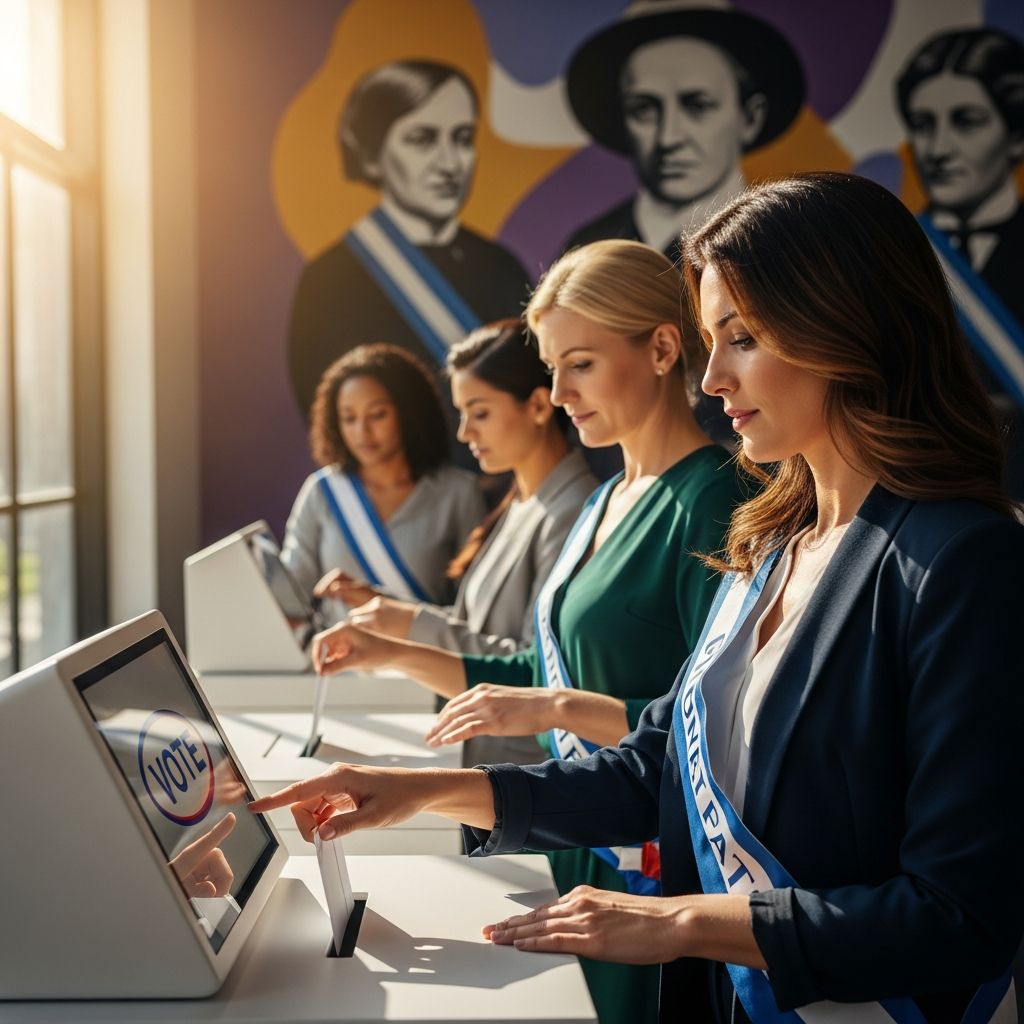
Every August 26, the United States observes Women’s Equality Day, a pivotal commemoration of the 19th Amendment’s certification in 1920, which granted women the constitutional right to vote. This day not only honors the suffragists’ hard-fought victories but also underscores the ongoing imperative for civic engagement, particularly through voting, to sustain and expand gender equity.
The Roots of the Suffrage Movement
The journey toward women’s voting rights began long before 1920, tracing back to the mid-19th century. The Seneca Falls Convention of 1848 marked the formal launch of the women’s rights movement in the U.S., where activists like Elizabeth Cady Stanton and Lucretia Mott drafted the Declaration of Sentiments, demanding equal political participation. For over seven decades, suffragists endured arrests, hunger strikes, and public ridicule to challenge systemic exclusion.
Key figures such as Susan B. Anthony and Alice Paul led relentless campaigns. Anthony’s illegal vote in 1872 sparked national debate, while Paul’s Silent Sentinels picketed the White House from 1917, facing brutal force-feeding in prison. These efforts culminated in the 19th Amendment: “The right of citizens of the United States to vote shall not be denied or abridged by the United States or by any State on account of sex”. Secretary of State Bainbridge Colby certified it on August 26, 1920, enfranchising millions.
From Suffrage Day to Official Recognition
The path to designating August 26 as Women’s Equality Day unfolded in the 1970s amid a resurgence of feminist activism. On the 50th anniversary in 1970, Betty Friedan and the National Organization for Women (NOW) organized the Women’s Strike for Equality, drawing over 100,000 participants in rallies across 90 cities, including a massive march down New York City’s Fifth Avenue. This event highlighted demands for equal pay, education, and childcare.
In 1971, Representative Bella Abzug (D-NY) championed H.J. Res. 52, passed by Congress in 1973, officially naming August 26 Women’s Equality Day. The resolution acknowledged women’s historical second-class status and called for annual presidential proclamations. President Richard Nixon’s 1972 proclamation as “Women’s Rights Day” laid early groundwork. Today, presidents continue this tradition, reinforcing the day’s role in democracy.
Persistent Gaps: The 19th Amendment’s Limitations
While transformative, the 19th Amendment did not universally enfranchise women. Many Black women faced Jim Crow barriers like poll taxes and literacy tests until the Voting Rights Act of 1965. Native American, Asian American, and Latina women also encountered discriminatory laws. Women’s Inequality Day, observed by groups like the League of Women Voters, highlights these disparities on August 26.
This legacy reminds us that equality demands vigilance. Modern voter suppression tactics, such as restrictive ID laws, disproportionately affect women of color and low-income mothers. Recognizing these truths fuels the call to vote as an act of completing the suffrage promise.
- Suffrage Milestones: 1848 Seneca Falls; 1872 Anthony’s vote; 1917 Silent Sentinels; 1920 Amendment certification.
- Post-1920 Barriers: Segregationist policies excluded many until 1965 Voting Rights Act.
- 1970s Revival: Strike for Equality mobilized 100,000+ women.
Empowering Mothers Through the Ballot
For mothers, voting transcends symbolism—it’s a tool for policies shaping family life. Issues like paid family leave, affordable childcare, and maternal health access hinge on electoral outcomes. Women voters have driven expansions in these areas, from the Family and Medical Leave Act of 1993 to recent state-level paid leave victories.
Statistics reveal women’s electoral clout: In 2020, women comprised 53% of voters, influencing races on healthcare and education. Yet, turnout gaps persist among mothers juggling work and caregiving. Women’s Equality Day urges participation, echoing suffragists who balanced activism with family duties.
| Era | Key Event | Impact on Women Voters |
|---|---|---|
| 1920 | 19th Amendment | Enfranchised white women primarily |
| 1965 | Voting Rights Act | Protected minorities’ access |
| 1970 | Strike for Equality | Revived broad equality demands |
| Today | Annual Observance | Boosts turnout for policy change |
Voting’s Role in Advancing Gender Parity
Today’s challenges—wage gaps, reproductive rights, workplace discrimination—require active voting. Women leaders like Abzug paved the way; now, female representation in Congress nears 28%, up from 2% in 1920. Voters elected trailblazers like Nancy Pelosi and Alexandria Ocasio-Cortez, advancing family-friendly legislation.
In military contexts, Women’s Equality Day celebrates women veterans. The 2013 repeal of combat exclusions opened all roles, affirming capabilities proven in service. Their votes ensure VA benefits and equity.
Globally, parallels exist with International Women’s Day (March 8), amplifying calls for parity since 1911. Yet U.S. focus remains on suffrage’s democratic core: voting.
Practical Steps to Make Your Vote Count
Honor this day by registering and voting:
- Check Status: Use state portals to confirm eligibility.
- Register: Deadlines vary; early action key for mothers.
- Research: Evaluate candidates on family policies.
- Mobilize: Encourage peers; rideshares aid access.
- Vote: Early, mail-in, or Election Day options available.
Local proclamations amplify impact—many cities pass resolutions mirroring Congress’s 1971 language.
Frequently Asked Questions (FAQs)
What is Women’s Equality Day?
It’s observed August 26, commemorating the 19th Amendment’s 1920 certification granting women suffrage.
Who started the observance?
Rep. Bella Abzug’s 1971 bill, passed in 1973, formalized it post-1970 Strike for Equality.
Did all women gain voting rights in 1920?
No, barriers persisted for women of color until later laws like the 1965 Voting Rights Act.
Why vote on Women’s Equality Day themes?
Voting advances ongoing equality in pay, health, and family support.
How has women’s military service evolved?
2013 combat policy repeal enabled full roles, celebrated on this day.
Looking Forward: Sustaining the Momentum
Women’s Equality Day bridges past triumphs and future goals. From Seneca Falls to modern polls, progress stems from votes cast amid adversity. Mothers, as primary caregivers and economic drivers, hold transformative power. By voting, you extend the chain—from Anthony’s defiance to your ballot—ensuring equity for generations.
Engage locally: Host discussions, share histories, volunteer. This day isn’t mere reflection; it’s mobilization. Your vote, like suffragists’ marches, shapes tomorrow.
References
- Women’s Equality Day — Wikipedia. 2023-08-26. https://en.wikipedia.org/wiki/Women’s_Equality_Day
- Celebrating Women’s Equality Day: A journey toward inclusive liberty — U.S. Department of Veterans Affairs. 2022-08-26. https://news.va.gov/134226/celebrating-womens-equality-day-a-journey-toward-inclusive-liberty/
- The USA’s Women’s Equality Day provides an important platform for change — International Women’s Day. N/A. https://www.internationalwomensday.com/Missions/15559/The-USA-s-Women-s-Equality-Day-provides-an-important-platform-for-change
- Women’s Equality Day — National Women’s History Alliance. N/A. https://nationalwomenshistoryalliance.org/resources/commemorations/womens-equality-day/
- Women’s Equality Day — National Women’s History Museum. N/A. https://www.womenshistory.org/articles/womens-equality-day
- 10 Things to Know about Women’s Equality Day — Work Shield. N/A. https://workshield.com/10-things-to-know-about-womens-equality-day/
- Women’s Inequality Day — League of Women Voters. N/A. https://www.lwv.org/WID